
Reviewed · INTRAMUROS TOURS
Manila: Intramuros and Chinatown Food Tour with Food Samples
History tastes better with a snack. This five-hour walking tour links Fort Santiago and Intramuros with the food stalls and family-run eateries of Binondo, giving you two very different views of Manila in one outing. I like the tidy route, which moves from colonial-era landmarks to Chinatown without wasting time on a long vehicle transfer. I also like the small group limit of eight, since that makes questions and photo stops easier.
The main consideration is the amount of walking in heat and city traffic. You will spend about an hour at Fort Santiago, walk between the cathedral and church, ride a tuk tuk for roughly 20 minutes, then spend up to three hours on food tasting. The tour is not suitable for wheelchair users or people with food allergies, and you should send dietary concerns ahead of time.
In This Review
- Key points to know before you book
- Why this route works so well
- Starting at Fort Santiago
- Manila Cathedral and the old city churches
- The tuk tuk ride to Binondo
- Eating your way through Binondo
- Finishing at Binondo Church
- What $80 includes, and what it does not
- Who will enjoy this five-hour outing
- Final call: book it for the contrast
- FAQ
- How long does the Intramuros and Chinatown tour last?
- Where does the tour begin?
- Where does the tour finish?
- Is the tuk tuk ride included?
- How many food tastings are included?
- Are entrance fees included?
- What languages does the guide speak?
- Is this tour suitable for people with food allergies?
- Can I cancel the booking?
Key points to know before you book
- Seven Chinatown tastings: Expect items such as fried siopao, pork siomai, lumpia, hopia, pansit, egg tart, and buchi, with the exact selection depending on availability.
- A useful history-to-food route: Fort Santiago, Manila Cathedral, San Agustin Church, and Binondo Church give the meal its cultural setting.
- Tuk tuk transfer included: The short ride from Intramuros to Binondo adds local flavor and saves you from walking the entire distance.
- Small groups of up to eight: This suits people who want an easy chance to ask questions or request help with photos.
- Five hours at $80 per person: The price covers a guide, Fort Santiago admission, the tuk tuk, seven tastings, and photography assistance.
- English and Tagalog guiding: The tour is designed for international visitors, with explanations available in both languages.
Why this route works so well
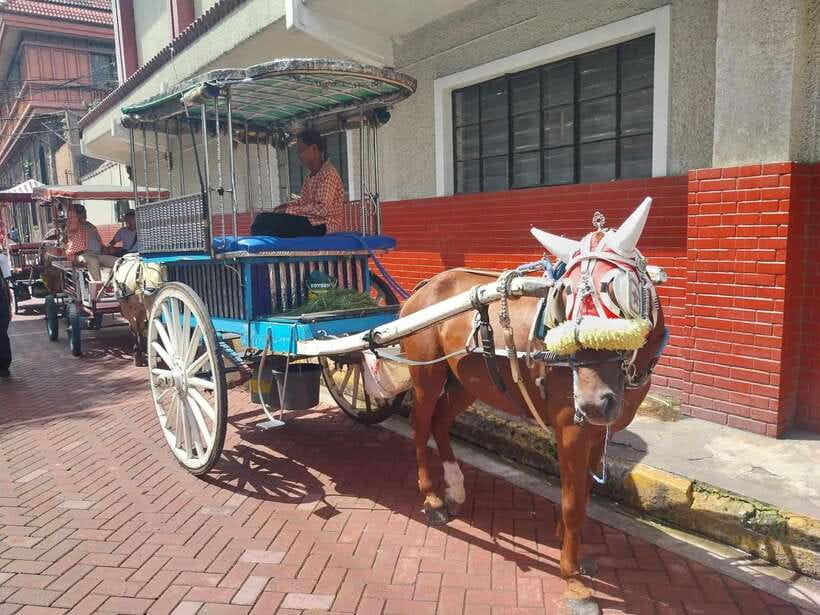
Many Manila sightseeing plans split the old city and Binondo into separate outings. This one puts them together. You begin with Spanish colonial sites, then move into the Chinese Filipino food culture that has shaped Manila for centuries.
That change of mood is the tour’s best feature. Intramuros is about walls, churches, military power, and national memory. Binondo is about shops, sweets, dumplings, noodles, and the daily business of eating well. The contrast helps you understand Manila as a city made from several cultural strands, not just a collection of old buildings.
I also like the scale. A group capped at eight is large enough to feel social but small enough for the guide to keep everyone together through narrow streets. It is especially useful during food stops, where you may need a quick explanation of an unfamiliar pastry or a hand with taking photographs.
Guide Jane receives especially warm praise for her friendly manner, clear explanations, and practical help. One booking note spells her name Jayne, so you may want to confirm the guide’s name when your meeting details arrive. Her support has included helping people find their way home and waiting with guests for a taxi, which is useful at the end of a long city walk.
More Food Tours in Manila
- Manila Food Tour: Introduction to Philippine Street Food
★ 5.0 · 417 reviews - Manila Food Tour: Explore World’s Oldest Chinatown
★ 5.0 · 158 reviews - Manila: Street Food and Drinks Walking Tour with Tastings
★ 4.8 · 114 reviews
Starting at Fort Santiago
The tour begins at the Fort Santiago Gate. This is a good starting point because the fort gives you a clear sense of Intramuros as a fortified colonial center before you see its churches and streets.
Plan on about an hour here. You will pass through the gates, view preserved ruins, and hear about the fort’s role in the Philippines’ colonial past. The connection to José Rizal is central. The national hero was held at Fort Santiago before his execution, so the site carries both military and personal history.
The fort also gives you some of the tour’s strongest photo opportunities. The old stonework, gates, and ruins provide a visual opening to the day. Photography assistance is included, which means you can ask the guide to help frame pictures rather than relying on hurried phone snapshots.
The drawback is that the fort is not a quick photo stop. An hour on foot can feel long if the weather is hot or if you prefer a fast-paced sightseeing style. Wear light, comfortable clothing, bring sunscreen, and carry water. Comfortable shoes matter more here than fashionable ones.
Manila Cathedral and the old city churches
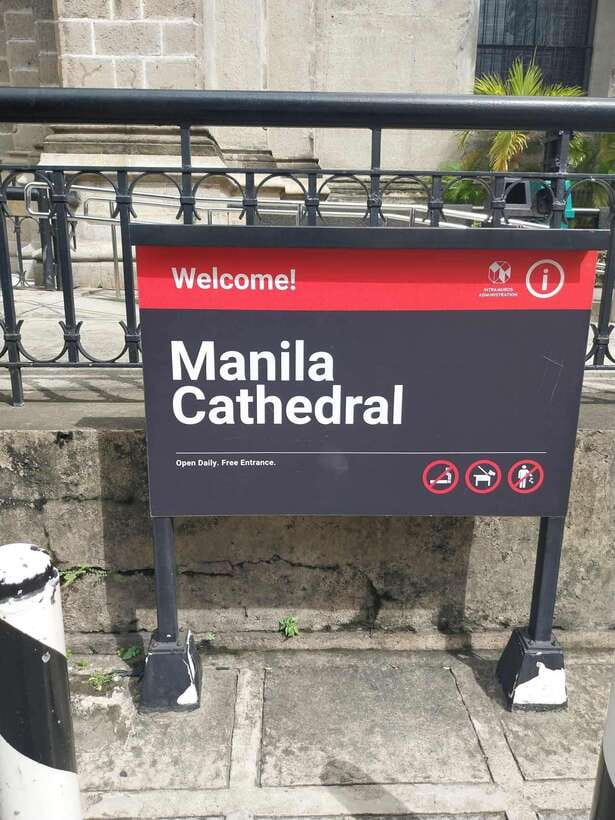
From Fort Santiago, you walk for about 20 minutes to Manila Cathedral. The cathedral has endured repeated natural disasters and rebuilding, making it both a place of worship and a marker of Manila’s difficult past.
Your guide can help you read the building as more than a church exterior. Its importance comes from continuity, repair, and the role it has played in the city’s religious life. The stop also breaks up the fort visit with a change in architecture and atmosphere.
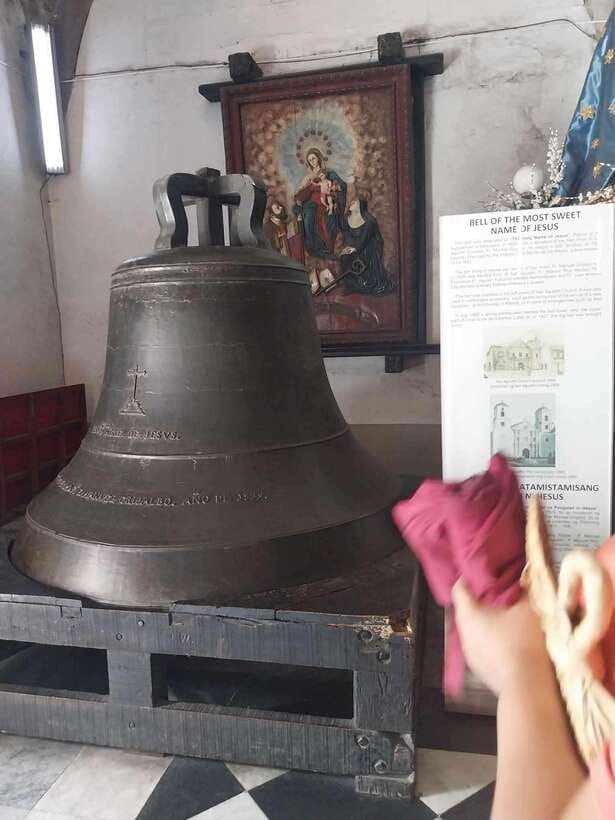
A further 20-minute walk brings you to San Agustin Church. It is the oldest stone church in the Philippines and a UNESCO World Heritage Site. Its baroque design makes it one of the key architectural stops in Intramuros.
For me, this pairing is valuable because the tour does not treat Intramuros as one big museum. Fort Santiago shows military history. Manila Cathedral shows an enduring religious institution. San Agustin Church adds architecture and UNESCO recognition. Together, they give the first half of the experience a strong sense of place.
Church access and photography rules can vary, so follow the guide’s instructions. Flash photography is not allowed. If you want quiet time inside, say so, but remember that the tour must keep to its schedule before the food portion begins.
The tuk tuk ride to Binondo
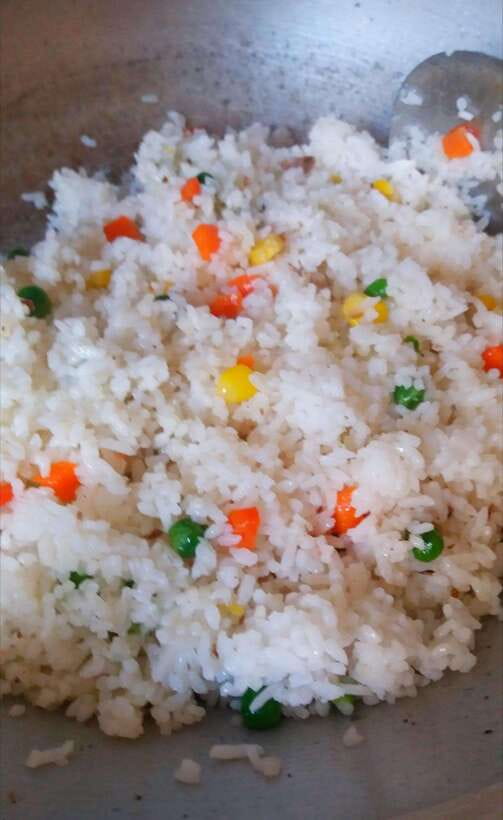
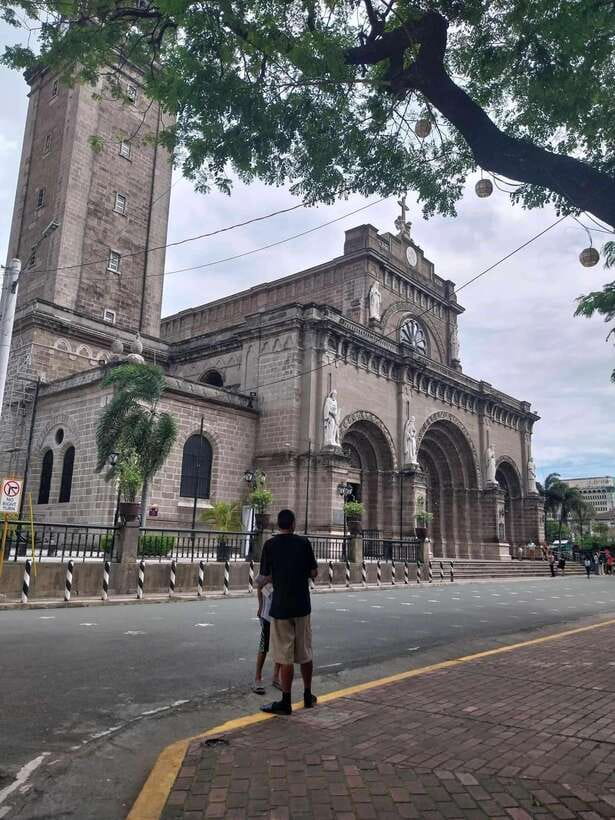
After the walking stops, you take a tuk tuk for about 20 minutes from Intramuros toward Chinatown. This is not a long sightseeing drive, but it is a welcome change after the morning on foot.
The ride offers a street-level view of Manila’s older roads and passing landmarks. You get to sit back, feel the breeze, and watch the city shift from the walled district toward Binondo. It also helps preserve your energy for the food section, which is the longest part of the tour.
Keep your expectations sensible. The tuk tuk is included as transport and atmosphere, not as a private city tour with extended stops. Traffic may shape the pace, and the ride itself is relatively short. Still, it adds character that a standard car transfer would miss.
For many people, this will be one of the most memorable parts because it connects the two districts in a very local-feeling way. It is also a practical choice. Walking all the way from Intramuros to Binondo would take more time and leave you less ready for the tasting route.
More ways to see Intramuros:
- Intramuros, Manila: Historical Bamboo Bike Tour
★ 4.8 · 583 reviews - Experience Intramuros with Bamboo Bicycle – Ecotours
★ 5.0 · 508 reviews - Manila: Intramuros, Chinatown, and Old Manila Half-Day Tour
★ 4.8 · 475 reviews - Manila Old and New: Sightseeing Tour Including Intramuros and Fort Santiago
★ 4.5 · 377 reviews
Eating your way through Binondo
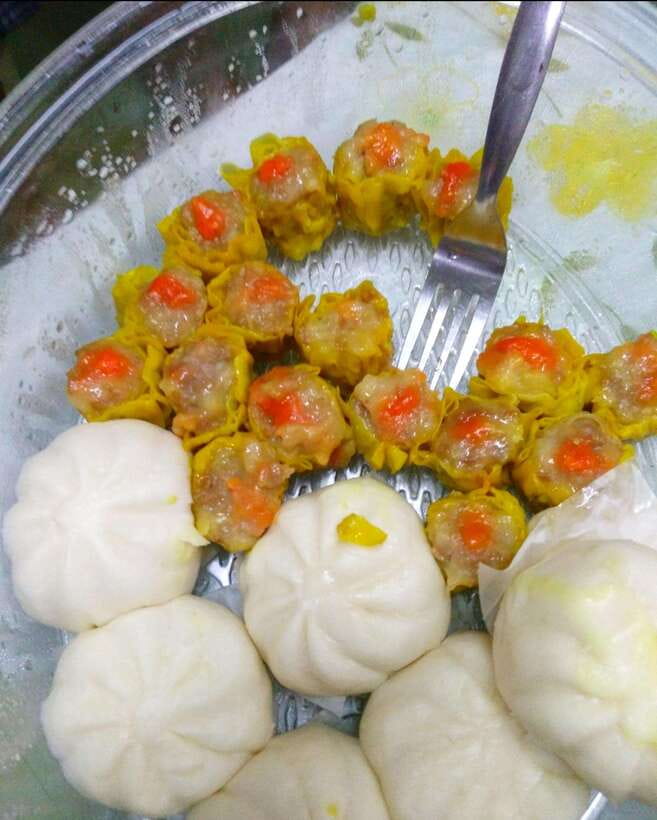
The food portion lasts about three hours, making it the heart of the experience. Binondo is widely recognized as the world’s oldest Chinatown, and the tour uses food to explain how Chinese traditions became part of Filipino daily life.
You receive seven tastings. The planned examples include:
- Fried siopao
- Pork siomai
- Lumpia
- Hopia filled with mung bean
- Pansit
- Egg tart
- Buchi
Availability can affect the exact selection, so do not treat the list as a fixed restaurant menu. The variety is more important than any single item. You move from steamed or fried savory bites to noodles and sweet pastries, getting a broad introduction rather than one large dish.
Siopao and siomai show the dumpling and bun traditions associated with Chinese cooking. Lumpia is familiar to many people as a spring roll, but the guide can explain how it fits into Filipino food culture. Hopia offers a pastry stop, while pansit brings noodles into the meal. Egg tart and buchi finish the tasting with sweet flavors and different textures.
The portions are described as generous enough to make the meal feel substantial. You may still see other snacks while walking through Binondo, but resist ordering too much early in the route. Seven tastings can add up quickly, especially in warm weather.
I like that the guide explains the cultural connection while you eat. Food is easier to remember when you can connect it to streets, shops, and family traditions. Instead of hearing a lecture about Chinese influence on the Philippines, you taste that influence one small dish at a time.
The food is not designed for people with serious allergies. The tour information specifically warns that people with food allergies may find it unsuitable, and you should report dietary restrictions in advance. Even then, substitutions are not guaranteed. If you need strict control over ingredients, this is probably not the right food experience.
Finishing at Binondo Church
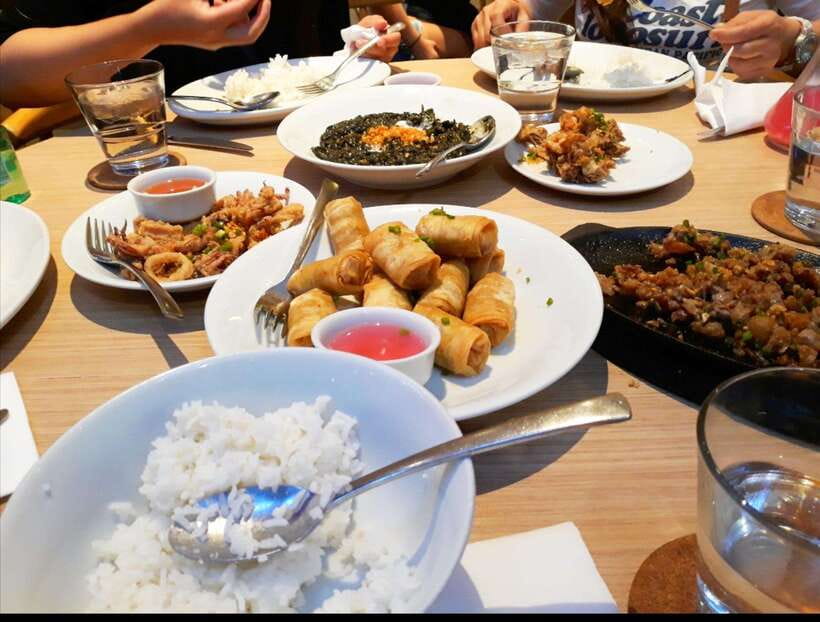
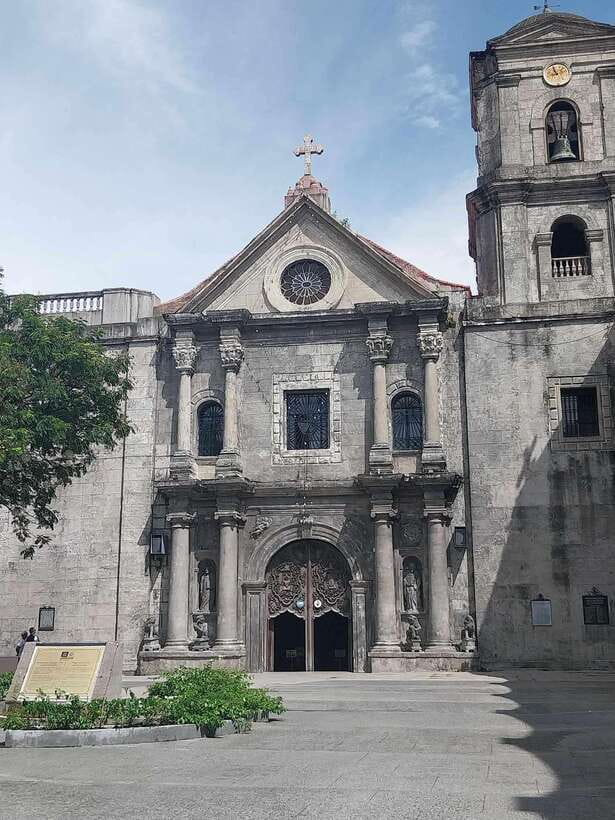
The tour ends at the Minor Basilica and National Shrine of Saint Lorenzo Ruiz, commonly called Binondo Church. This gives the food walk a final heritage stop rather than ending abruptly after the last pastry.
The church reflects the long connection between Binondo’s Chinese community and Manila’s Catholic tradition. It is a fitting final point because the entire tour has moved between cultural influences rather than presenting them as separate worlds.
You may appreciate the location as a place to pause, take stock, and decide where to go next. The tour does not include a return transfer, so plan your onward journey before you arrive. The guide may be able to offer practical assistance, but the stated end point is Binondo Church.
What $80 includes, and what it does not
At $80 per person, this is not the cheapest way to see Intramuros or eat in Binondo. The value comes from combining several costs and services in one half-day: an English or Tagalog-speaking guide, Fort Santiago admission, the tuk tuk ride, seven tastings, and help with photography.
The price makes more sense if you would otherwise pay separately for a historical guide, entrance tickets, transport between districts, and a food crawl. It also saves planning time. You do not need to research which Binondo specialties to try or work out how to connect the fort with the Chinatown stops.
The value is weaker if you mainly want a relaxed meal, a short walk, or independent sightseeing. Three hours of food tasting is a serious part of the schedule, and the day is active. You are paying for interpretation and structure as much as for the food itself.
The cancellation terms add some flexibility. You can cancel up to 24 hours before the start for a full refund, and you can reserve now and pay later. The meeting details are sent within 24 hours after booking, so watch for that message and confirm the exact Fort Santiago Gate meeting point.
One detail deserves attention: the supplied location information lists Nueva Vizcaya, while the actual route begins at Fort Santiago and ends in Binondo, Manila. Because the experience clearly operates around Intramuros and Chinatown, confirm the meeting details and city before finalizing plans.
Who will enjoy this five-hour outing
I would recommend this tour to first-time Manila visitors who want a guided introduction rather than a checklist of sights. It gives you history, architecture, transport, and food without requiring you to coordinate several separate bookings.
It also suits people who enjoy trying small portions of unfamiliar food. You will get more variety than at a single restaurant, and the guide’s explanations make the tasting more useful than simply grabbing random snacks.
The experience is a good match for couples, parents with older children, and small groups of friends. The limited group size keeps the route personal, while the mix of walking and tuk tuk travel prevents the day from becoming one long march.
You should think twice if you dislike heat, crowds, city walking, or shared tastings. The tour is also a poor fit for wheelchair users because of the walking route and stated suitability restrictions. People with food allergies should not assume that every item can be changed.
Bring comfortable shoes, water, sunscreen, and a camera. Do not smoke during the activity, and do not use flash photography. Most of all, arrive ready to eat lightly before the tour. Seven tastings plus the temptation of extra Chinatown snacks is enough to defeat even a serious appetite.
Final call: book it for the contrast
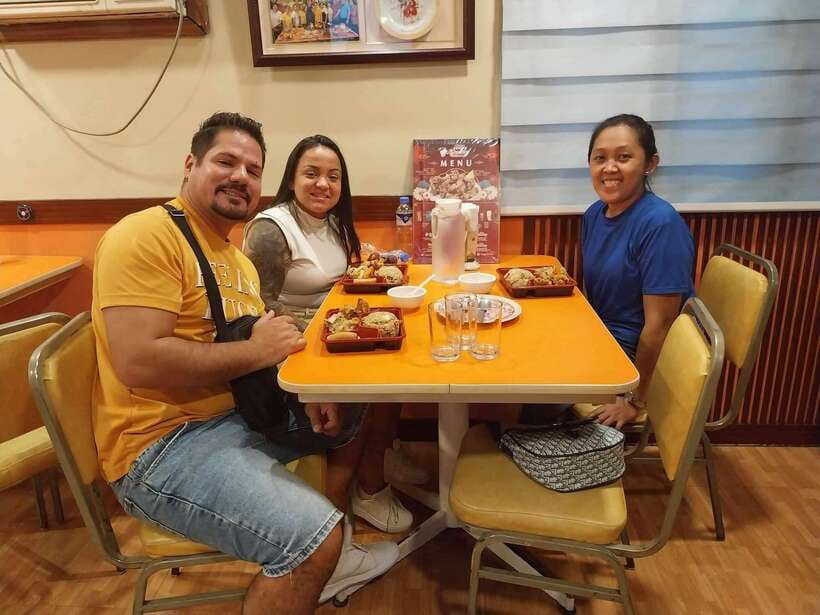
Book this experience if you want Manila explained through both monuments and food. The strongest feature is the route itself: Fort Santiago and the Intramuros churches set up the city’s colonial story, then the tuk tuk carries you toward Binondo, where Chinese Filipino cooking becomes the main subject.
The tour is worth the $80 for visitors who value a small group, a guide who offers personal help, included admission, and a carefully arranged tasting route. I would skip it only if you need an accessible itinerary, strict allergy management, or plenty of free time for independent eating.
If you book, confirm the meeting point, tell the operator about dietary restrictions, and ask for the current tasting list. For a compact introduction to Manila’s old walls, living religious sites, and Chinese Filipino flavors, this is a well-balanced half-day choice.
FAQ
How long does the Intramuros and Chinatown tour last?
The experience lasts five hours. About one hour is scheduled for Fort Santiago, the walks between the major Intramuros sites take about 40 minutes in total, the tuk tuk ride lasts about 20 minutes, and the food tasting section takes about three hours.
Where does the tour begin?
The tour begins at the Fort Santiago Gate. Exact meeting details are advised within 24 hours after booking, so check that message carefully.
Where does the tour finish?
The tour finishes at the Minor Basilica and National Shrine of Saint Lorenzo Ruiz, also known as Binondo Church.
Is the tuk tuk ride included?
Yes. A tuk tuk ride from Intramuros to Chinatown is included and lasts about 20 minutes.
How many food tastings are included?
Seven food tastings are included. Possible items include fried siopao, pork siomai, lumpia, hopia, pansit, egg tart, and buchi, depending on availability.
Are entrance fees included?
Admission to Fort Santiago is included. Other costs not specifically mentioned are not included.
What languages does the guide speak?
The live guide speaks English and Tagalog.
Is this tour suitable for people with food allergies?
No. The experience is listed as unsuitable for people with food allergies. You should still inform the operator about allergies or dietary restrictions in advance.
Can I cancel the booking?
Yes. You can cancel up to 24 hours in advance for a full refund. The reserve-now, pay-later option is also available.
More Binondo and Chinatown Food Walks
- Manila: Guided Food Tour of Binondo with Tastings
★ 4.8 · 38 reviews - Manila: Intramuros, Chinatown, and Old Manila Half-Day Tour
★ 5.0 · 37 reviews - Intramuros & Chinatown Manila Tour – Walking, Food & Culture
★ 4.5 · 32 reviews - Manila: Binondo Walking Tour ( Oldest Chinatown )
★ 5.0 · 30 reviews
Just added around Manila
- Embark on a 7-Day Banaue-Sagada Adventure of a Lifetime★ 5.0 · 3 reviews
- Philippines Intro 3 days 2 nights Tour Best of Manila and Beyond★ 5.0 · 3 reviews
- Pagsanjan Falls Adventure with Lunch and Rapids Experience★ 4.5 · 3 reviews
- Manila: Intramuros Tour ( Dark)★ 4.7 · 3 reviews
- Manila: Intramuros Heritage Tour★ 4.2 · 3 reviews
- From Manila: Philippines Private Tour Guide★ 4.1 · 3 reviews
- Discover the Real Manila with a Local Guide★ 5.0 · 3 reviews
- MANILA: HISTORICAL KALESA RIDE TOUR EXPERIENCE IN INTRAMUROS★ 4.0 · 3 reviews
Intramuros Tours, side by side.

Intramuros, Manila: Historical Bamboo Bike Tour
Read the review →
Experience Intramuros with Bamboo Bicycle – Ecotours
Read the review →
Intramuros, Chinatown, and Old Manila Half-Day Tour
Read the review →Manila Old and New: Sightseeing Tour Including Intramuros and Fort Santiago
Read the review →

Explore Intramuros: Introduction to Philippine History
Read the review →Where else this one shows up