
Reviewed · BANAUE RICE TERRACES TOURS
Embark on a 7-Day Banaue-Sagada Adventure of a Lifetime
The mountains reward strong legs.
This seven-day trip from Manila trades city traffic for Ifugao rice terraces, mountain villages, waterfalls, and caves. You spend six nights moving through Banaue, Batad, Cambulo, Bangaan, and Sagada, with long walks built into nearly every day. It is a cultural and outdoor trip, not a gentle sightseeing circuit.
I like the way the route links several northern Luzon highlights instead of treating the rice terraces as a quick photo stop. I also like the small maximum group of 15, which should make mountain transport and village walks easier to manage. The main drawback is clear: you need above-average fitness and must be ready to trek for six to eight hours on some days.
In This Review
- Key points to know before booking
- Why this northern Luzon route is worth your time
- Day 1: Banaue and the first rice terrace walk
- Day 2: Four hours on foot to Cambulo
- Day 3: Batad, Tappiyah Falls, and Bangaan
- Day 4: Leaving the terraces for Sagada
- Day 5: Sumaguing Cave and an underground stream
- Day 6: The walk to Bomod-Ok Falls
- Day 7: A scenic drive back to Manila
- Guides, group size, and the human side of the trip
- What the $1,300 price really covers
- Who should book this trip?
- Final verdict: a hard-working week with real rewards
- FAQ
- Where does the tour start?
- How long does the tour last?
- What fitness level is required?
- How many people can join the tour?
- Are meals included?
- Is transportation included?
- What are the main places visited?
- Is admission included for the activities?
- Can I cancel for a refund?
Key points to know before booking
- Six to eight hours of mountain walking: The demanding hikes are the heart of the trip, not an optional extra.
- Banaue villages by foot: Cambulo, Batad, and Bangaan show how the Ifugao terrace system connects with daily village life.
- Tappiyah and Bomod-Ok Falls: Two different waterfall walks add variety to the week.
- Sumaguing Cave requires comfort with rough conditions: Expect an underground stream, stone waterfalls, calcium formations, and wet surfaces.
- Meals cost extra: Plan on roughly 150 to 250 Philippine pesos per meal per person.
- Small-group format: The maximum is 15 people, with pickup offered and an air-conditioned vehicle included.
Why this northern Luzon route is worth your time
The best reason to choose this trip is the combination of culture and physical challenge. You are not simply driven to viewpoints, handed a few facts, and returned to Manila. The route takes you on foot between Ifugao communities, then shifts to Sagada for cave exploration and waterfall hiking.
The rice terraces are valuable not only because they are striking to see. They also show a working system of irrigation, stonework, earthwork, and ongoing maintenance associated with Ifugao communities. Walking through the area gives you a better sense of how the terraces fit into village life.
I also appreciate the change of pace. Manila can be noisy and crowded, while the northern part of Luzon offers a much slower rhythm. The trip is designed around mountain roads, village trails, quiet stops, and outdoor activity.
The price is $1,300 per person. That is a serious amount, but it includes an air-conditioned vehicle plus all fees and taxes. For a seven-day guided trip covering several remote areas, transport can be a major part of the value. Still, meals are not included, so you should add a daily food budget of approximately 450 to 750 pesos.
The value depends heavily on how you travel. If you want an easy trip with lots of free time, this will feel expensive and tiring. If you want one organized route through Banaue and Sagada, with transport and activity fees handled, the price is easier to justify.
More rice terrace trips north of Manila:
- Small-Group Weekend Hiking Tour to Banaue-Ifugao from Manila
★ 5.0 · 30 reviews - Banaue & Batad UNESCO 3days 2 nights Tour ( Private Group Tour Max 6 Travelers)
★ 5.0 · 30 reviews - From Manila: 4-Day Sagada and Banaue Rice Terraces Tour
★ 4.9 · 29 reviews
Day 1: Banaue and the first rice terrace walk
The trip begins at 3:00 am, so your first challenge arrives before the mountains do. Pickup is offered, and the included air-conditioned vehicle is useful for a route that involves long drives between Manila and northern Luzon.
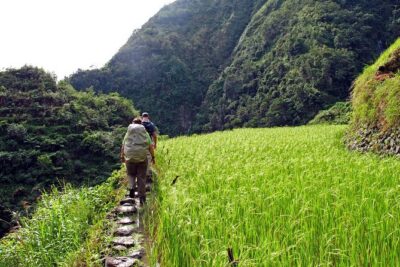
The first scheduled activity is a three-hour hike around the Banaue Rice Terraces. This is a good introduction because the terraces are not just scenic walls cut into hillsides. Their construction depends on irrigation, careful stonework, soil management, and regular upkeep.
You should expect the first day to feel active even before the main hiking days begin. A three-hour walk may sound modest compared with later outings, but the early start and mountain terrain can make it feel longer. Wear shoes you trust, bring water, and keep your day pack light.
The experience is strongest when you pay attention to the details underfoot and around you. The terraces are a piece of living agricultural culture, not simply a dramatic view for your camera.
Day 2: Four hours on foot to Cambulo
After breakfast, the route continues with a four-hour hike to Cambulo, the second Ifugao village on the journey. The full activity block is listed as about eight hours, so you should allow for breaks, time in the village, and the return or connecting parts of the day.
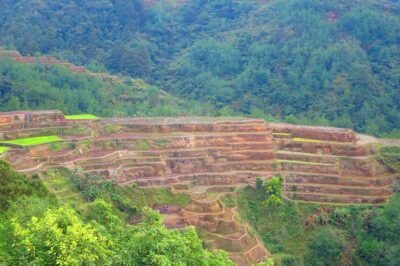
Cambulo is known for pyramid-like rice terraces, with fields cut almost all the way around the terrain. That shape gives the area a different feel from a single lookout point. You are moving through a connected system rather than viewing one isolated wall of farmland.
This is one of the days that shows why the fitness warning matters. Four hours on a mountain path can be more demanding than four hours on a city sidewalk, and the trip description specifically calls for the ability to trek mountains for six to eight hours a day.
I would treat breakfast as important here, even though meals are your responsibility. Keep enough money for the 150 to 250 peso meal range and carry snacks if you need them. The supplied vehicle does not make the walking easier, but it does mean you are not responsible for arranging your own transport between each major area.
Day 3: Batad, Tappiyah Falls, and Bangaan
Day three packs in another long walking day. In the morning, you hike for about three hours to Tappiyah Waterfalls, while also exploring Batad village and its terraces. After lunch, you walk another three hours toward Bangaan, the final village on this part of the route.
This is likely to be one of the most rewarding days for active hikers because it combines a village, terrace views, and a waterfall. Tappiyah gives the day a physical goal, while Batad provides the cultural setting. Then the walk to Bangaan adds a sense of progression rather than sending you back to the same base each afternoon.
The tradeoff is limited spare energy. After six hours of walking, you may not feel ready for a long evening or an elaborate meal. That is not a flaw in the route, but it is a reality you should accept before booking.
I like that the itinerary gives the terraces time rather than compressing Batad into a short stop. The villages are part of the experience, and reaching them on foot makes the distance and setting more understandable.
Something different, still within reach of Manila:
- Intramuros, Manila: Historical Bamboo Bike Tour
★ 4.8 · 583 reviews - Experience Intramuros with Bamboo Bicycle – Ecotours
★ 5.0 · 508 reviews - Manila: Intramuros, Chinatown, and Old Manila Half-Day Tour
★ 4.8 · 475 reviews - Manila: Old & New 4-Hour City Tour
★ 4.5 · 458 reviews
Day 4: Leaving the terraces for Sagada
Day four shifts the focus from Ifugao villages to Sagada in the Mountain Province. Sagada is about 415 kilometers from Manila, and the day includes a three-hour activity period, with the wider route involving road travel between regions.
Sagada offers a welcome change after several demanding hikes. The town is known for its mountain setting and unusual cultural sights, though the supplied schedule gives the most detail to the cave and waterfall activities that follow.
This is a useful transition day. You move from terrace agriculture and village trails into a place better known for underground exploration and mountain walks. You should not expect a full rest day, but the shorter listed activity gives your legs some relief before Sumaguing Cave.
The exact balance between driving and stopping matters here. A scenic road journey can be enjoyable, but road time can also make an already active week feel longer. Ask for the final pickup and transfer plan before departure, especially because the overall route covers substantial distances.
Day 5: Sumaguing Cave and an underground stream
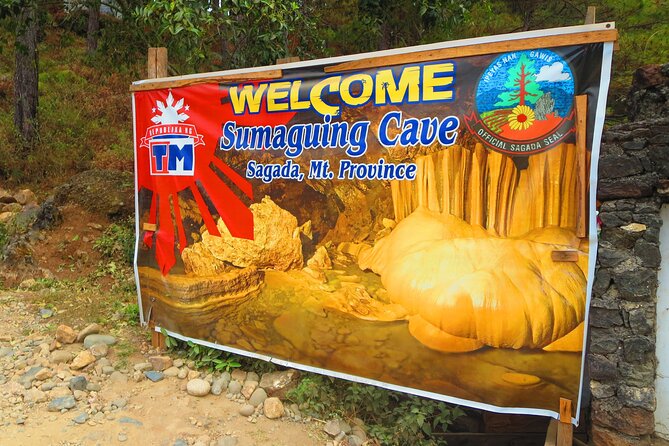
Sumaguing Cave is the most unusual activity on the trip. The visit lasts about four hours and includes an underground stream flowing through the lower sections of the cave.
The cave formations include stone waterfalls, calcium terraces, glittering walls, and stalagmites affected by water. This is not a polished attraction where you stay on a dry walkway. The description points to wet, uneven conditions and an experience that rewards people who are comfortable with physical exploration.
You should think carefully about your own comfort level. The trip already requires strong fitness, and a cave adds a different kind of challenge. Uneven surfaces, water, and enclosed spaces can test you in ways that a mountain trail does not.
I like this part of the trip because it breaks up the terrace walking. You see the mountains from above ground on earlier days, then spend time inside them. That contrast gives the week more range.
Admission is included, as are all fees and taxes for the tour. Meals remain separate. Since this is a four-hour activity, plan your food and water around the timing given by your guide rather than assuming you can buy something whenever you wish.
Day 6: The walk to Bomod-Ok Falls
Bomod-Ok Falls is also called Big Falls, a name that makes sense when compared with Bokong Falls, another waterfall in Sagada. Reaching it requires a walk of about one to two hours each way from the main area, with the total activity listed at four hours.
The waterfall sits deep in a valley, so the walk is part of the attraction. You get a goal, but also a gradual change in the setting as you leave the main town behind. The return walk is important to remember: a downhill route to a waterfall usually means an uphill effort at some point, even if the schedule does not spell out every section.
This is a good final full activity day because it returns you to open air after the cave. It also lets you measure your progress. If you have managed the earlier terrace hikes and Sumaguing Cave, Bomod-Ok should feel like a demanding but familiar kind of outing.
You should keep your expectations practical. A waterfall reached by a mountain walk is not a quick roadside stop. Allow time for the path, the four-hour activity window, and the possibility that weather affects the experience.
Day 7: A scenic drive back to Manila
The final day is devoted to the return to Manila, described as a very scenic drive. The listed activity time is about four hours, though the overall journey may feel longer depending on the road schedule and final drop-off arrangements.
This is your chance to watch the countryside pass by and let your legs recover. After six active days, the air-conditioned vehicle becomes more than a convenience. It gives you a comfortable place to rest while the trip closes.
The return drive also highlights one of the tour’s practical strengths. You do not have to arrange separate transport from Sagada back to Manila, which can be useful after a week of long walks. The downside is that a fixed group departure gives you less control over the timing than an independently planned journey.
Guides, group size, and the human side of the trip
The tour has a maximum of 15 people. That is small enough to keep the group manageable, though your experience will still depend on the pace and fitness of the people joining you.
The supplied experiences identify Joannah as a travel coordinator and Marlon as a driver on one North Luzon trip. Their roles suggest the value of having both trip coordination and road transport handled by people familiar with the route. You should confirm who will lead the hikes and what support is available on each walking day.
One especially useful point is that the wider trip has worked for a family group that included people over 65, but that should not override the official fitness warning. The seven-day route described here requires strong physical fitness, and the ability to walk in mountain conditions for six to eight hours is the safer standard to use.
There are also references to optional additions such as Mount Pinatubo and Baguio in related North Luzon travel arrangements. Those are not part of the seven-day schedule described here, so treat them as possible separate arrangements, not included features.
What the $1,300 price really covers
At $1,300 per person, this is not a budget road trip. The included air-conditioned vehicle matters because the route links Manila with remote mountain areas, villages, Sagada, and the return journey. All fees and taxes are also included, and admission is specifically included for the Banaue hike, Sumaguing Cave, and Bomod-Ok Falls.
You still need to budget for meals. At 150 to 250 pesos per meal, a sensible minimum food allowance is 450 to 750 pesos per day. Multiply that by seven days, then keep a little extra for drinks and snacks.
The strongest value comes from convenience and coverage. You get one organized trip through several hard-to-connect places, instead of piecing together vehicles, local arrangements, and activity admissions yourself.
The weakest value is for anyone who will not use the hiking portion. Much of what makes this trip special depends on walking to villages, waterfalls, and cave areas. If you plan to skip hikes, you would be paying for a format that does not suit you.
Who should book this trip?
I would recommend it to fit hikers, active couples, friends, and culturally curious people who want a structured week in northern Luzon. It also suits anyone who prefers having transport arranged across a complicated route.
You should be comfortable with an early 3:00 am start, long mountain walks, village conditions, and a full schedule. You should also be happy with a group format and limited control over the daily pace.
I would hesitate to recommend it to anyone with mobility concerns, low stamina, or a strong preference for relaxed sightseeing. The cave, terraces, and waterfalls are not side notes. They are the main event.
Booking is non-refundable, so you should be certain about your dates and fitness before paying. If poor weather cancels the trip, you are offered a different date or a full refund. The same applies if the minimum group size is not reached.
Final verdict: a hard-working week with real rewards
I like this tour because it connects places that each offer something different: the agricultural culture of Banaue, the villages of Cambulo, Batad, and Bangaan, the open-air walks to two waterfalls, and the underground formations of Sumaguing Cave.
The schedule is demanding, and the early start plus long hikes will not suit everyone. But if you are ready for the physical work, the $1,300 price buys more than transport from one photo stop to another. It gives you a clear route through northern Luzon with the hard planning already handled.
Book it if your idea of a good holiday includes tired legs, muddy or wet outdoor activities, mountain roads, and a closer look at local life. Skip it if you want easy access, flexible days, or a leisurely pace.
FAQ
Where does the tour start?
The tour starts in Manila, with pickup offered. The stated start time is 3:00 am.
How long does the tour last?
The experience lasts approximately seven days and includes six nights.
What fitness level is required?
You should have a strong physical fitness level and be able to trek in the mountains for six to eight hours a day.
How many people can join the tour?
The maximum group size is 15 people.
Are meals included?
No. You should prepare approximately 150 to 250 Philippine pesos per meal per person.
Is transportation included?
Yes. An air-conditioned vehicle is included, along with all fees and taxes.
What are the main places visited?
The route includes Banaue, Cambulo, Batad, Bangaan, Sagada, Sumaguing Cave, Tappiyah Waterfalls, and Bomod-Ok Falls before returning to Manila.
Is admission included for the activities?
Admission is included for the Banaue Rice Terraces hiking tour, Sumaguing Cave, and Bomod-Ok Falls. Cambulo, Bangaan, Sagada, and the other listed village and waterfall activities are marked as having no separate admission fee.
Can I cancel for a refund?
The experience is non-refundable and cannot be changed for any reason. If poor weather cancels the trip, or if the minimum number of people is not reached, you are offered another date or experience, or a full refund.
Just added around Manila
- Philippines Intro 3 days 2 nights Tour Best of Manila and Beyond★ 5.0 · 3 reviews
- Pagsanjan Falls Adventure with Lunch and Rapids Experience★ 4.5 · 3 reviews
- Manila: Intramuros Tour ( Dark)★ 4.7 · 3 reviews
- Manila: Intramuros Heritage Tour★ 4.2 · 3 reviews
- From Manila: Philippines Private Tour Guide★ 4.1 · 3 reviews
- Discover the Real Manila with a Local Guide★ 5.0 · 3 reviews
- MANILA: HISTORICAL KALESA RIDE TOUR EXPERIENCE IN INTRAMUROS★ 4.0 · 3 reviews
- Bites and Sights: Tagaytay Food and Nature Excursion from Manila★ 4.0 · 3 reviews
Banaue Rice Terraces Tours, side by side.
Small-Group Weekend Hiking Tour to Banaue-Ifugao from Manila
Read the review →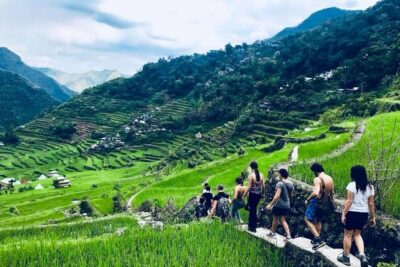
Banaue & Batad UNESCO 3days 2 nights Tour ( Private Group Tour Max 6 Travelers)
Read the review →
5 Days Sagada Banaue Batad Discovery (PRIVATE GROUP TOUR Max 6 Travellers)
Read the review →
3-Day Sagada, Baguio, & Banaue Rice Terraces Tour
Read the review →
Banaue Rice Terraces Escape: 3 Days, 2 Nights with Transfers
Read the review →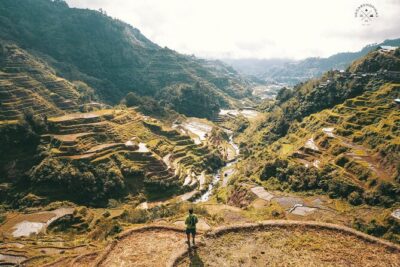
4 Day Banaue Ifugao Rice Villages Private tour Trekking
Read the review →Where else this one shows up