
Reviewed · INTRAMUROS TOURS
Manila: Intramuros Tour ( Dark)
History feels different after sunset. This two-hour private walk through Intramuros mixes haunted tales with the hard facts of war, imprisonment, faith, and revolution. I like the focus on Fort Santiago’s dungeons and prison cells, and I like the way the route remembers lesser-known patriots alongside famous figures such as José Rizal and Andrés Bonifacio. The main drawback is the heavy subject matter, which may feel too grim for some people.
At $48 per person, the experience makes the most sense if you value a live guide and a private group rather than a quick sightseeing loop. You will walk a lot, hear about executions and civilian prisoners of war, and visit active religious and historic sites, so this is not a light ghost walk with a few spooky jokes.
In This Review
- Key points to know before booking
- Why Intramuros works so well after dark
- Fort Santiago: the tour’s dark center
- Manila Cathedral and the cost of political power
- General Luna Street and the Philippine-American War
- San Agustin Church and survival through changing eras
- Andrés Bonifacio and the revolutionary finish
- What $48 per person gets you
- Who should book this dark history walk
- Six practical tips for a better visit
- My verdict on the Fort Santiago dark tour
- FAQ
- Where does the Intramuros dark tour begin?
- How long does the tour last?
- What languages are available?
- Is admission to Fort Santiago included?
- Is the tour suitable for children?
- What should I bring?
Key points to know before booking
- Fort Santiago anchors the experience: The tour begins with about an hour inside the old fortress, including the barracks, dungeons, baluartes, and José Rizal’s final prison cell.
- The ghost stories have a historical cause: Many dark tales are tied to torture, imprisonment, wartime deaths, and the suffering of civilians.
- The route connects several eras: You hear about Rajah Sulayman, Andrés Novales, Vicente Lim, José Rizal, and Andrés Bonifacio.
- Two major churches add a political angle: Manila Cathedral and San Agustin Church help explain conflicts between church authority, government power, and Filipino communities.
- This is a walking tour for adults and older children: Comfortable shoes and water are essential, and the content is not suitable for children under 12.
- The group is private: English and German guiding are available, with free cancellation up to 24 hours before the tour and a reserve-now, pay-later option.
Why Intramuros works so well after dark
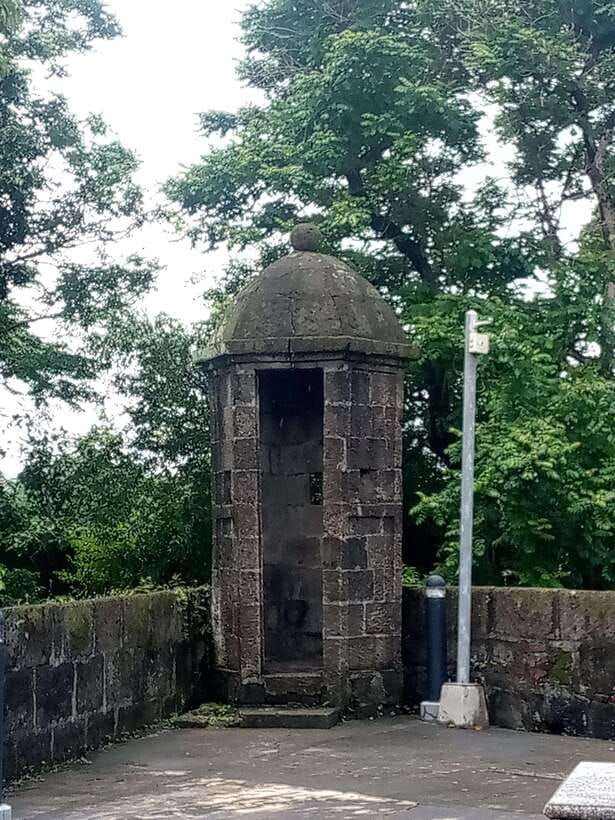
Intramuros is Manila’s old walled city, and its streets carry more weight than a standard sightseeing district. Fortifications, churches, military structures, and memorials sit close together. That makes the area a natural setting for a tour about ghosts, but the stronger reason to visit is the human story behind the fear.
I appreciate that the tour does not treat every shadow as a supernatural event. The dark stories grow from real suffering. Prisoners were held in cramped spaces, people died during war, and political struggles shaped the lives of Filipinos who had little power. The spooky layer gives you a reason to listen, while the historical layer gives the tour lasting value.
The private format should also help. You are not placed in a large crowd trying to hear a guide over street noise. You can ask questions and set the pace within the two-hour limit. The available feedback gives special credit to the guide’s passion and to the entertaining, educational style of the guide referred to as Kuya. That combination matters here. A flat delivery could make the subject feel like a list of dates and tragedies.
Still, you should know what you are booking. This is not a casual evening stroll built around pretty views and local snacks. The tour discusses atrocities, mass death, prison conditions, and colonial conflict. I would choose it for a serious introduction to Intramuros, not for a family outing or a relaxed night activity.
More ways to see Intramuros:
- Intramuros, Manila: Historical Bamboo Bike Tour
★ 4.8 · 583 reviews - Experience Intramuros with Bamboo Bicycle – Ecotours
★ 5.0 · 508 reviews - Manila: Intramuros, Chinatown, and Old Manila Half-Day Tour
★ 4.8 · 475 reviews
Fort Santiago: the tour’s dark center
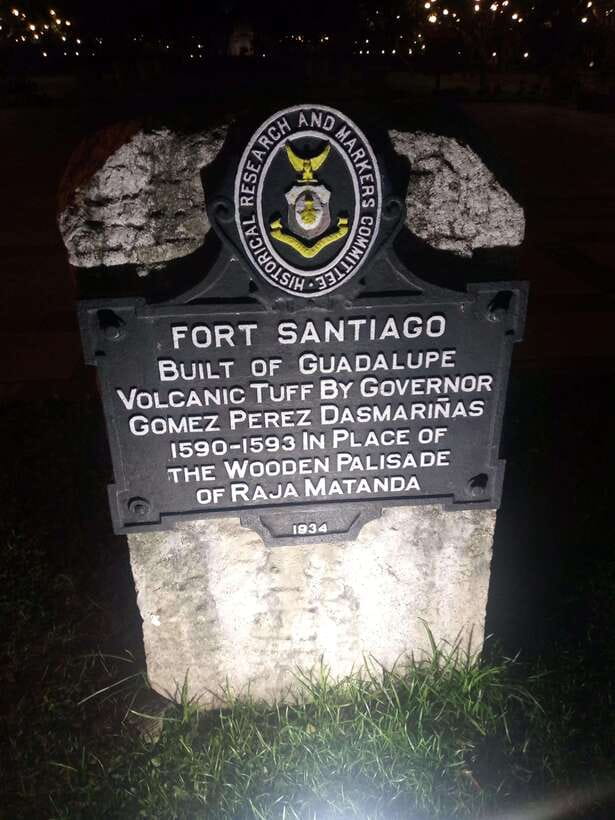
You meet your guide at Fort Santiago, one of the most important stops in the old walled city. The first section takes about an hour, giving the guide enough time to explain the fortress and the stories linked to its walls.
You can expect to see the Old American Barracks, the dungeons, and the baluartes, or defensive bastions. These places are connected with reported spirit sightings, but their physical history is more powerful than the ghost angle. You are looking at military spaces that were used during periods of Spanish and American rule, followed by the violence of the Japanese occupation.
The dungeons are likely to be the most difficult part of the visit. The tour describes their poor air supply and the mass death of 600 Filipino and American civilian prisoners of war. You also pay tribute at their mass grave. I find this part valuable because it prevents the haunted stories from becoming entertainment without context.
The phrase thin supply of oxygen gives you a clear idea of the conditions being discussed. You may not spend a long time in every chamber, but the guide’s explanation should help you picture how confinement and overcrowding turned the site into a place of terror. Bring water, especially in Manila’s heat, and wear shoes that will keep you steady on a long walking route.
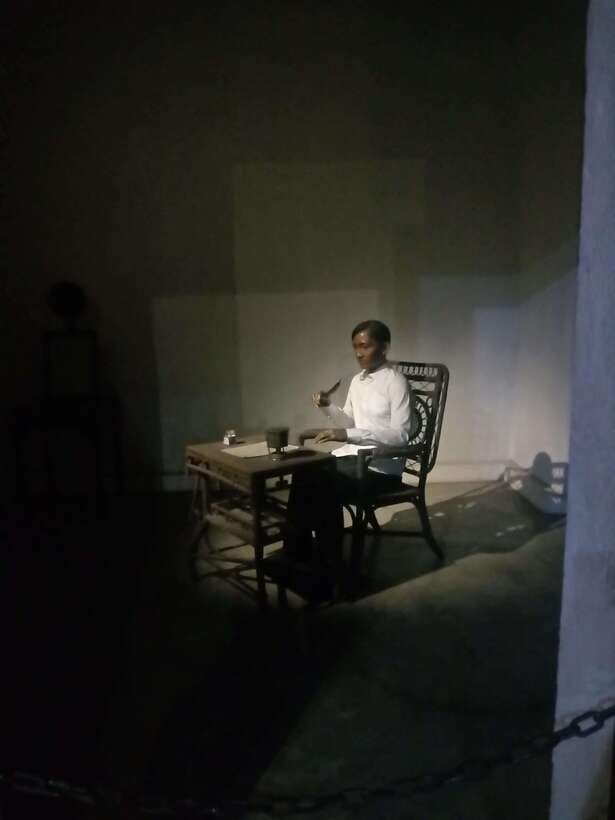
Fort Santiago also holds the last prison cell of Dr. José Rizal. Rizal was detained there before his execution, and his cell connects the tour’s ghost stories with the history of reform and national identity. You learn about the reformist ideas that helped shape the Philippines, rather than seeing Rizal only as a name on a monument.
The tour also pays attention to people who receive less space in standard introductions to Philippine history. Rajah Sulayman, Andrés Novales, and Gen. Vicente Lim appear as part of the story of resistance, patriotism, and sacrifice. I like this choice. It widens the focus beyond a few famous heroes and shows that the struggle for the country took many forms.
Manila Cathedral and the cost of political power
After Fort Santiago, the group moves to Manila Cathedral for a guided section of about 15 minutes. That is a short stop, so you should expect a focused explanation rather than a long architectural tour.
The cathedral helps frame a central conflict in Philippine history: the struggle between church authority and government power. The tour also explains how Indios, the Spanish colonial term for native Filipinos, suffered as those powers competed and negotiated. This gives the church stop a political purpose.
I would pay attention to the guide’s explanation here, since the point is not simply to admire the building. The cathedral becomes part of a wider story about who controlled institutions, who benefited from them, and who carried the burden. Fifteen minutes can be enough for a clear introduction, but it is not enough for a full study of the cathedral’s architecture or religious art.
The stop also offers a change of mood after the dungeons. You move from enclosed prison spaces into a major place of worship and public history. That contrast helps the route feel like a study of Manila’s power centers, not only a parade of frightening locations.
General Luna Street and the Philippine-American War
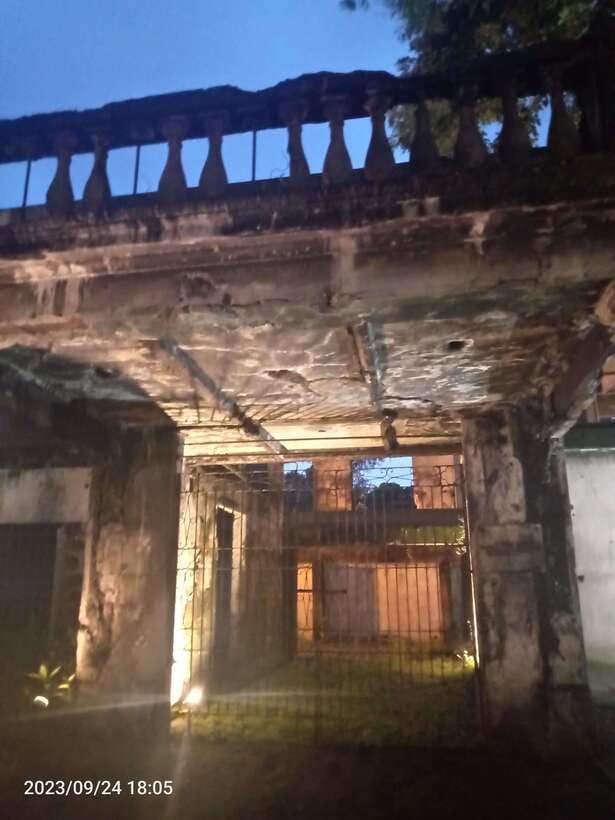
The walking section through Intramuros continues along General Luna Street. Here, the focus shifts to courage and sacrifice during the Philippine-American War.
This is where comfortable footwear becomes important. The tour lasts two hours, but the route includes several stops and a substantial amount of walking. You should not expect long breaks between each site, and you will get more from the guide if you are not distracted by sore feet or a lack of water.
General Luna Street also helps connect individual stories to the wider city. Fort Santiago can feel like a contained historical site, while the street shows how conflict shaped the built environment and daily life beyond the fortress. The guide’s job is to make that connection clear, using stories of Filipino resistance and sacrifice.
I would bring a camera, as requested, but use it with care. Some spaces are memorial sites or religious settings. The tour asks you to be respectful of the places and the stories, and that is especially important when the subject includes mass death and imprisonment.
A few more trips and experiences worth a look
- Manila: Old & New 4-Hour City Tour
★ 4.5 · 458 reviews - Manila Food Tour: Introduction to Philippine Street Food
★ 5.0 · 417 reviews - Manila Old and New: Sightseeing Tour Including Intramuros and Fort Santiago
★ 4.5 · 377 reviews - Spectacular Manila to Tagaytay: Full-Day Sightseeing Tour
★ 5.0 · 349 reviews
San Agustin Church and survival through changing eras
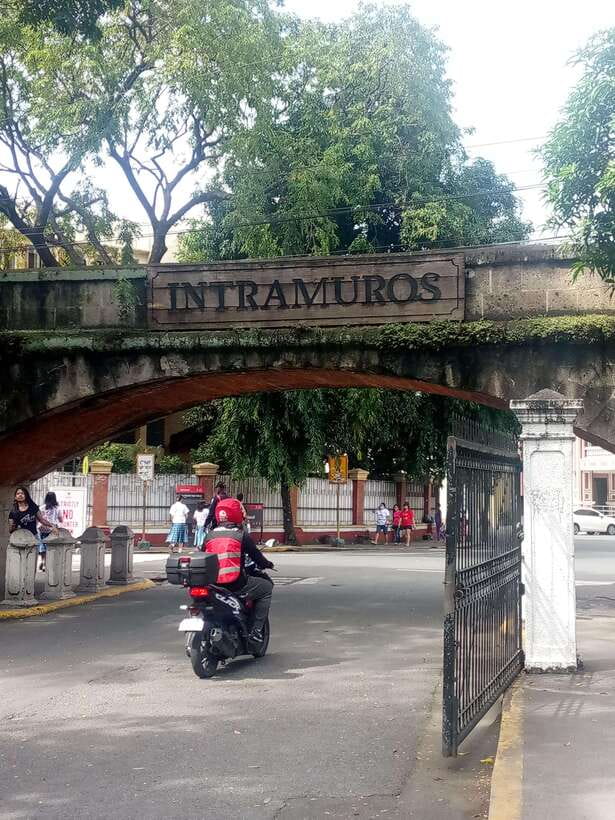
The route then stops at San Agustin Church, where the emphasis is on resilience through different periods of Philippine history. This is one of the tour’s more hopeful ideas. A church that has endured political change, conflict, and repeated shifts in power offers a counterpoint to the violence described at Fort Santiago.
The stop is not only about survival as a building. It also raises questions about how institutions adapt, how communities preserve memory, and how religious sites remain part of public life through difficult periods.
You may find this section less frightening than the fortress, but it adds balance. A good dark-history tour needs moments that show endurance, not only destruction. San Agustin Church supplies that pause without breaking the overall theme.
The provided schedule gives the church and nearby Intramuros portion about 20 minutes combined, so expect a concise visit. If you want a long look at the church interior or a detailed architectural study, you will need a separate visit.
Andrés Bonifacio and the revolutionary finish
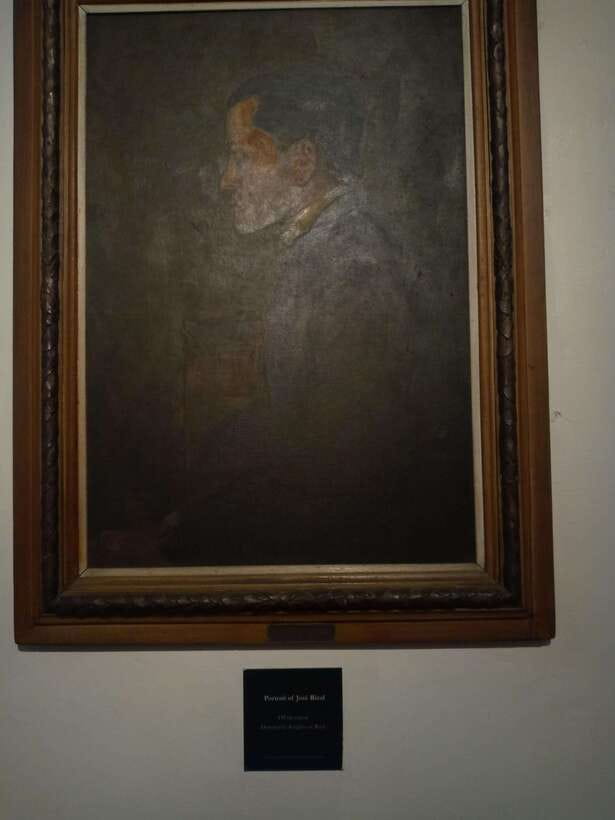
The final historical theme is the Philippine Revolution and Andrés Bonifacio, remembered as the Father of the Philippine Revolution. The tour pays tribute to Bonifacio and to revolutionaries who have received less attention.
The advertised route places the Bonifacio Shrine in front of Manila City Hall as the final tribute point, while the timed route also describes the tour returning to Fort Santiago. Because of that difference, I would confirm the exact ending point when you book. The important point is that Bonifacio’s story forms the closing chapter, linking the earlier stories of resistance to a direct call for revolution.
This ending gives the tour a clear arc. You begin with fortifications and imprisonment, move through church and colonial power, hear about war, and finish with organized revolutionary action. I like that the experience ends by honoring people who fought for change rather than ending only with a ghost story.
Bonifacio also gives the guide a chance to talk about forgotten revolutionaries. That phrase is important. The tour is not simply a greatest-hits account of Philippine history. It tries to show how national movements depend on many people whose names are less familiar.
What $48 per person gets you
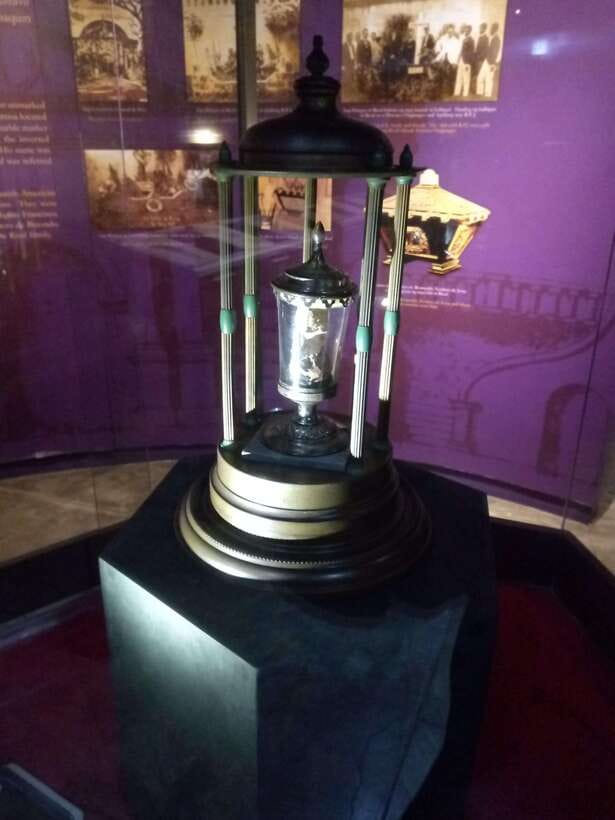
The price is $48 per person. That includes the guided Intramuros walk, admission to Fort Santiago, and the historical and haunted stories. Meals, drinks, hotel pickup, drop-off, and personal expenses are not included.
I consider the price fair if you want a private tour with a live guide and Fort Santiago admission included. The tour covers several major sites in only two hours, and a private group can make the storytelling more responsive than a large scheduled walk. The value depends heavily on the guide, since the experience is built around narration rather than special transport, food, or hands-on activities.
You are paying for access, structure, and interpretation. You could visit some of these places independently, but you would need to organize the route and research the connections between the sites. Here, the guide ties the fortress, cathedral, street, church, and revolutionary memorial into one story.
The price is less attractive if you want an extended visit at each site. Two hours is enough for an introduction, but it will feel brisk. You will not have much time for slow photography, detailed church inspection, or long conversations at every stop.
Reserve-now, pay-later booking and cancellation up to 24 hours before the tour add useful flexibility. The tour is offered in English and German. Smoking is not allowed, and you should plan to buy or carry your own drinks because food and beverages are excluded.
Who should book this dark history walk
I would recommend this tour to adults and older teenagers who enjoy serious history with a supernatural edge. It suits you if you want to understand why Intramuros feels haunted, rather than simply collect ghost stories.
It is also a good fit if you have limited time in Manila. In two hours, you get an introduction to Fort Santiago, Manila Cathedral, Intramuros, San Agustin Church, and the revolutionary story tied to Bonifacio. The route gives you a useful first look at the walled city, even though it cannot cover every detail.
History students, first-time visitors, and people interested in José Rizal or the Philippine Revolution should find plenty to consider. I especially like the inclusion of Rajah Sulayman, Andrés Novales, Vicente Lim, and less remembered patriots. Their stories help you see the country’s past as more than a simple sequence of colonial rulers.
I would skip it if you want a cheerful evening activity, dislike discussions of wartime suffering, or prefer to explore indoors at a slow pace. The tour is not suitable for children under 12, pregnant women, or people with mobility impairments.
There is also a practical contradiction in the supplied access information. The activity is described as wheelchair accessible, but it is also marked as unsuitable for wheelchair users and people with mobility impairments. Contact the provider before booking if this affects you, and ask about the exact surfaces, entrances, and route.
Six practical tips for a better visit
- Wear comfortable shoes: The tour involves plenty of walking through historic areas.
- Carry water: Drinks are not included, and staying hydrated matters in Manila’s heat.
- Bring a camera: You can photograph the historic sites, while remaining respectful in religious and memorial spaces.
- Prepare for serious content: The tour discusses atrocities, prison conditions, civilian deaths, and war.
- Ask questions during the private tour: The group format should give you room to ask about Rizal, Bonifacio, or the lesser-known figures.
- Confirm the final stop: The description includes the Bonifacio Shrine, while the timed route also notes a return to Fort Santiago.
My verdict on the Fort Santiago dark tour
I like this experience because it gives the haunted side of Intramuros a firm historical base. The best parts are Fort Santiago’s dungeons, José Rizal’s cell, the account of the 600 civilian prisoners of war, and the guide’s attention to unsung patriots.
The guide’s passion is central to the experience. One booking described the presentation as engaging because of that enthusiasm, while another praised Kuya as entertaining and educational. That is exactly the balance this tour needs. The subject is painful, but a clear and lively guide can help you stay focused without turning suffering into spectacle.
At $48, I would book it if you want a private, guided introduction to Intramuros and prefer context over independent wandering. I would not book it if you want a long architectural visit, a gentle ghost walk, or a tour suited to young children.
For the right audience, this is a thoughtful way to see Old Manila. You leave with more than a few haunted tales. You also gain a clearer sense of the people, conflicts, and losses that gave those tales their power.
FAQ
Where does the Intramuros dark tour begin?
The tour begins at Fort Santiago in Intramuros.
How long does the tour last?
The tour lasts two hours.
What languages are available?
The live tour guide is available in English and German.
Is admission to Fort Santiago included?
Yes. Fort Santiago admission is included, along with the guided Intramuros tour and the historical and haunted stories.
Is the tour suitable for children?
No. It is not suitable for children under 12. Pregnant women and people with mobility impairments are also listed as unsuitable for the activity.
What should I bring?
Bring comfortable walking shoes, water, and a camera. Smoking is not allowed.
Just added around Manila
- Embark on a 7-Day Banaue-Sagada Adventure of a Lifetime★ 5.0 · 3 reviews
- Philippines Intro 3 days 2 nights Tour Best of Manila and Beyond★ 5.0 · 3 reviews
- Pagsanjan Falls Adventure with Lunch and Rapids Experience★ 4.5 · 3 reviews
- Manila: Intramuros Heritage Tour★ 4.2 · 3 reviews
- From Manila: Philippines Private Tour Guide★ 4.1 · 3 reviews
- Discover the Real Manila with a Local Guide★ 5.0 · 3 reviews
- MANILA: HISTORICAL KALESA RIDE TOUR EXPERIENCE IN INTRAMUROS★ 4.0 · 3 reviews
- Bites and Sights: Tagaytay Food and Nature Excursion from Manila★ 4.0 · 3 reviews
Intramuros Tours, side by side.

Intramuros, Manila: Historical Bamboo Bike Tour
Read the review →
Experience Intramuros with Bamboo Bicycle – Ecotours
Read the review →
Intramuros, Chinatown, and Old Manila Half-Day Tour
Read the review →Manila Old and New: Sightseeing Tour Including Intramuros and Fort Santiago
Read the review →

Explore Intramuros: Introduction to Philippine History
Read the review →Where else this one shows up