
Reviewed · BINONDO CHINATOWN TOURS
Manila: Guided Food Tour of Binondo with Tastings
Come hungry, leave happily stuffed. This three-hour walk through Binondo combines excellent food with backstreet exploration, taking you from Binondo Church to local restaurants, dumpling shops, and a famous bakery. I especially like the generous tastings and the chance to learn how Chinese cooking became part of everyday Filipino food culture. The main drawback is simple: portions can be so large that some people struggle to finish everything, and this is not a suitable tour for vegans, vegetarians, wheelchair users, or anyone carrying bulky luggage.
The tour costs $60 per person, including the guide, walking tour, food, and drinks. That is not a cheap meal in Manila, but it can be fair value if you want several tastings, cultural background, and help finding small eateries you might otherwise pass by.
In This Review
- Six things to know before you book
- Starting at Binondo Church
- Carvajal Street and the first taste of lumpia
- Handmade dumplings in a local restaurant
- Mami, the comfort-food course
- Classic dim sum and the strongest food stop
- Hopia at a historic bakery
- What the guide adds to the walk
- How much food do you really get?
- Walking conditions and practical limits
- Is three hours enough?
- Who should book this Binondo food tour?
- Should you book it?
- FAQ
- Where does the Binondo food tour meet?
- How long does the tour last?
- What food is included?
- Is hotel pickup included?
- Can vegetarians or vegans join?
- What should I bring, and what is not allowed?
Six things to know before you book
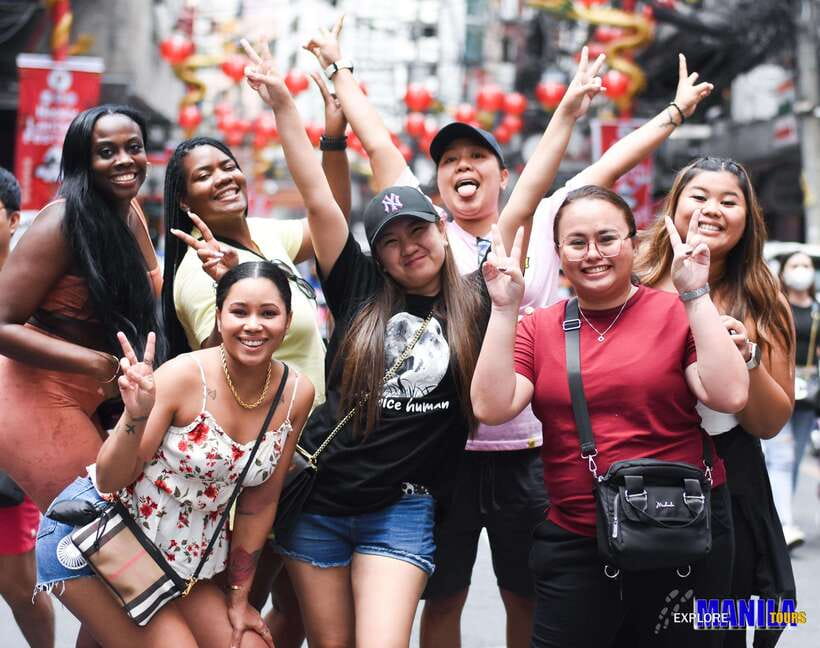
- Binondo Church is the meeting point: Meet in the church lobby near the candles area, then return there at the end.
- The food comes in generous portions: Eat lightly beforehand, or you may run out of room before the dumplings and hopia arrive.
- Dumplings are a major highlight: Several people singled out the handmade dumplings as their favorite stop.
- The tour uses small streets and alleys: Wear comfortable shoes and expect a real walking experience, not a ride between restaurants.
- Your guide shapes the experience: Chloe, Nel, Jian, and Juan have all been praised for their warmth, stories, and practical Manila advice.
- It runs rain or shine: Bring suitable clothing, and leave strollers, large bags, and luggage behind.
Starting at Binondo Church
The tour begins at Binondo Church, an easy landmark in the middle of the district. Look for the lobby near the candles area. Since the tour returns to the same place, the meeting point is also a useful anchor if you are finding your way through Manila for the first time.
Binondo is known as the world’s oldest Chinatown, and the walk uses that setting well. The value here is not only the food. You are moving through an old commercial district where Filipino and Chinese traditions meet in restaurants, bakeries, street stalls, and narrow lanes.
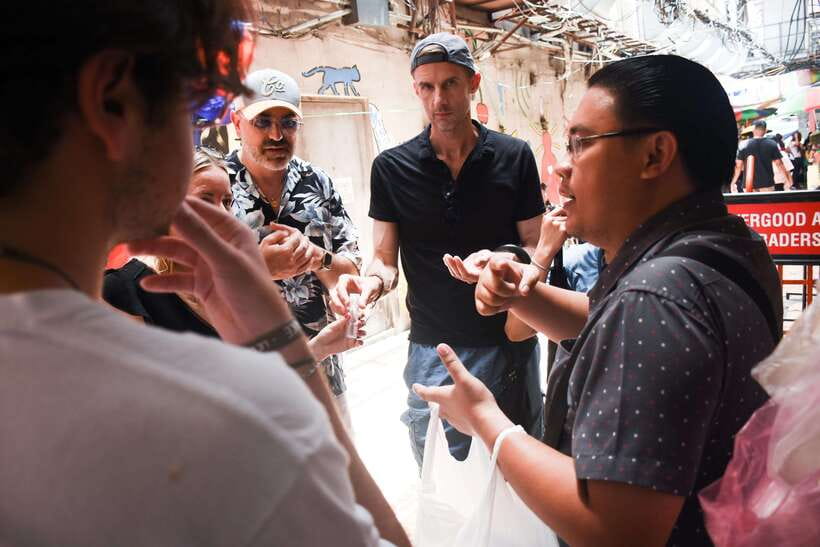
Your guide provides the context as you walk. Juan, for example, was praised for explaining the origins and growth of the Chinese community in the Philippines, while Chloe has helped visitors understand both Chinatown and other parts of Manila. Jian has a reputation for adding local facts and cultural stories between tastings.
That makes the tour more useful than simply following a restaurant list. You get a clearer sense of why these dishes matter and how they fit into local life.
More Food Tours in Manila
- Manila Food Tour: Introduction to Philippine Street Food
★ 5.0 · 417 reviews - Manila Food Tour: Explore World’s Oldest Chinatown
★ 5.0 · 158 reviews - Manila: Street Food and Drinks Walking Tour with Tastings
★ 4.8 · 114 reviews
Carvajal Street and the first taste of lumpia
The first food stop takes you to Carvajal Street, where the smell of fresh lumpia leads you toward local vendors. Lumpia is a Filipino spring roll, and the version here reflects the Chinese influence woven into Filipino cooking.
This is a good opening dish because it introduces the central idea of the tour: Binondo food is not neatly Filipino or Chinese. It is a local blend shaped by family recipes, trade, migration, and years of adaptation.
One point deserves attention. The first stop may include a sweet vegetable wrap, and it will not suit every palate. One person in the group disliked this tasting and felt it could be skipped. That does not make it a bad stop, but it is a reminder that food tours work best when you arrive curious rather than expecting every bite to become a favorite.
You are not required to finish every item. The tour is built around sampling, so pace yourself from the start.
Handmade dumplings in a local restaurant
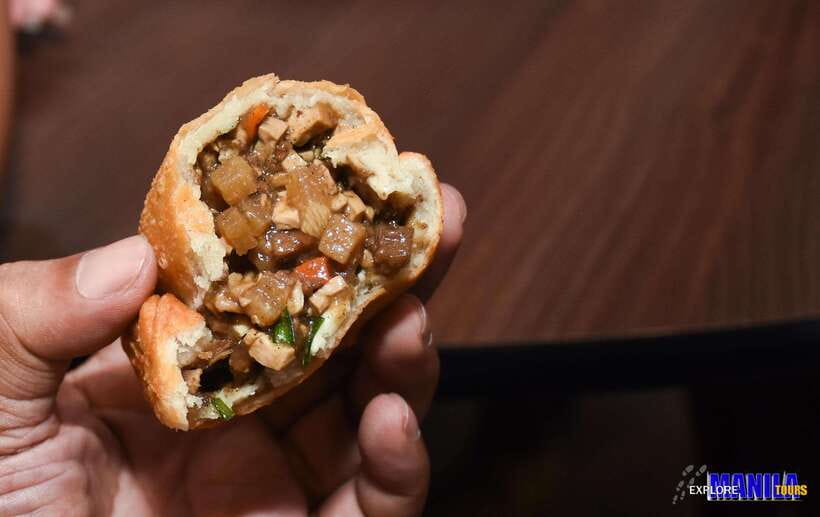
The dumpling stop is the clear favorite for many people. Here, dumpling making becomes part of the experience, not just a plate placed in front of you. The appeal is in the combination of craft, freshness, and the guide’s explanation of what you are eating.
Several people called the dumplings the best part of the tour. One person who had already taken another Binondo food tour preferred this experience, especially because of the dumplings and the friendly hosting. Another guest simply described the dumplings as amazing.
If you like dumplings, this stop alone gives the tour a strong reason to book. You may find different fillings or styles, but the exact selection can vary. The important point is that you are tasting food tied to local restaurant traditions rather than eating a generic dish chosen only for tourists.
This is also where the generous portions begin to matter. You may receive more than a single bite, so resist the temptation to finish everything immediately. You still have mami, dim sum, and bakery treats ahead.
Mami, the comfort-food course
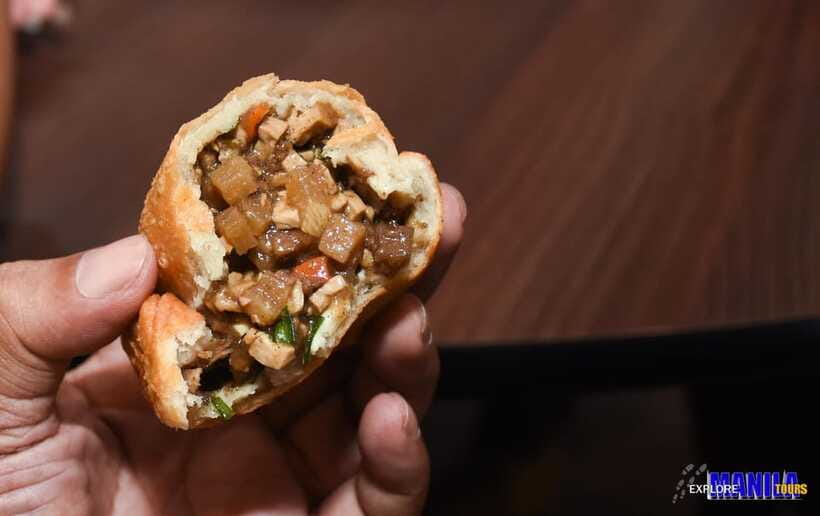
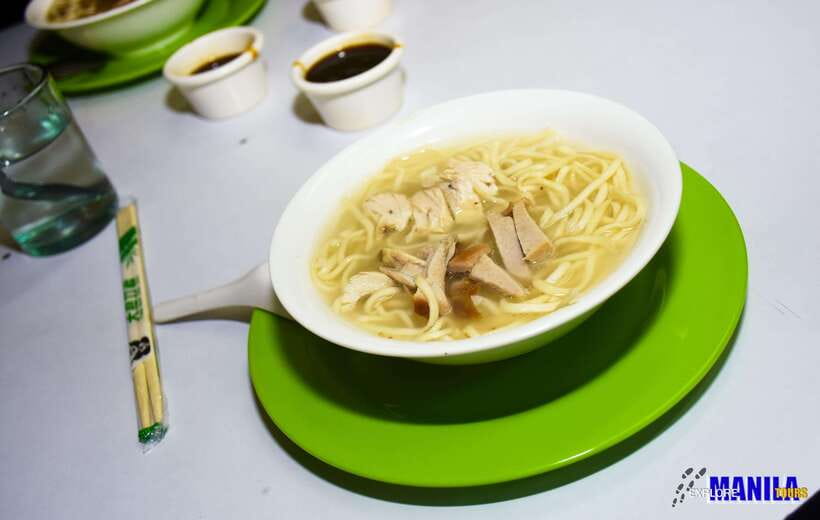
Next comes mami, a noodle soup that has become part of Filipino comfort food. It is a fitting dish for a walking tour because it offers something warm and filling after several earlier samples.
Mami also shows how food traditions change once they take root in a new place. The tour gives you a chance to understand the dish as more than soup with noodles. It belongs to the everyday food culture of the Philippines and carries the Filipino-Chinese connection that defines Binondo.
For you, the practical issue is timing and appetite. A bowl of noodle soup can be much more filling than a small snack, especially when it follows lumpia and dumplings. If you have a small appetite, share where possible and listen to your guide’s advice about pacing.
The tour is designed to give you plenty of food. That is a strength for hungry eaters, couples who enjoy sharing, and visitors who want a full meal through several stops. It may feel excessive if you prefer light grazing.
More Binondo and Chinatown food walks:
- Manila: Intramuros, Chinatown, and Old Manila Half-Day Tour
★ 4.8 · 475 reviews - Manila: Intramuros, Chinatown, and Old Manila Half-Day Tour
★ 5.0 · 37 reviews - Intramuros & Chinatown Manila Tour – Walking, Food & Culture
★ 4.5 · 32 reviews - Manila: Binondo Walking Tour ( Oldest Chinatown )
★ 5.0 · 30 reviews
Classic dim sum and the strongest food stop
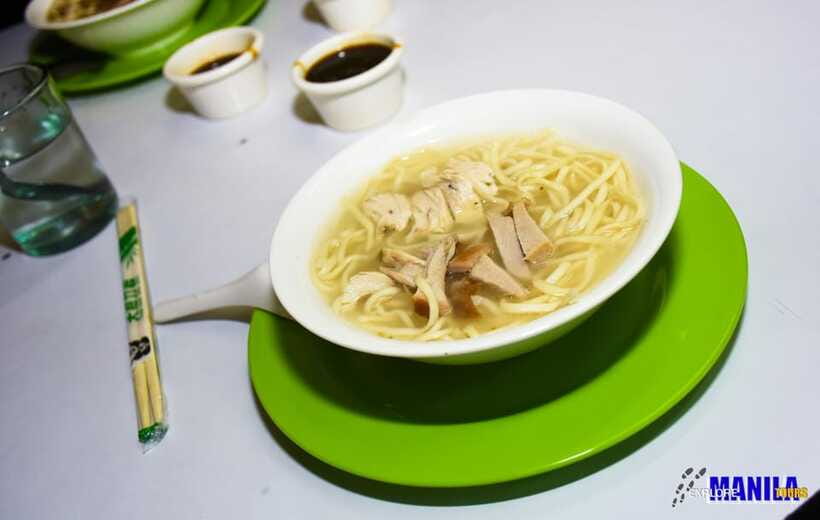
The dim sum stop continues the Chinese-Filipino food story with classic pieces served at a local restaurant. One person described the dim sum as the best they had tasted, while another praised the range, quality, and quantity of the food overall.
This is likely to be one of the most satisfying stops for anyone already familiar with dim sum. You can compare the flavors and textures with what you have eaten elsewhere, while your guide explains how these foods fit into Binondo’s dining culture.
The setting matters too. You are not being taken only to a polished restaurant in a modern shopping district. The route includes smaller eateries and side streets that can be difficult to identify on your own. Chloe was particularly praised for leading people through lanes and restaurants they would not have found without her.
You should still keep your expectations sensible. A food tour is not the same as a formal restaurant meal. The focus is variety and local context, not a long, quiet lunch at one table. You will be walking, stopping, eating, and listening throughout the three hours.
Hopia at a historic bakery
The final tasting takes place at a bakery known for hopia, a flaky pastry with Chinese-Filipino roots. Several flavors are offered, giving you a sweet finish and a chance to try a well-known local bakery item.
Hopia is also practical as a final taste because it can be saved for later. This may be useful because the tour gives you so much food that a take-home pastry can feel like one item too many. One person suggested dropping the take-home dessert and lowering the price, since some of the food went unfinished.
That criticism is worth taking seriously. The bakery stop adds cultural value, but not everyone will want another serving after a full set of savory tastings. If you enjoy pastries or want a small edible reminder of Binondo, it will be welcome. If you are already full, ask about saving it rather than forcing yourself to eat it on the spot.
What the guide adds to the walk
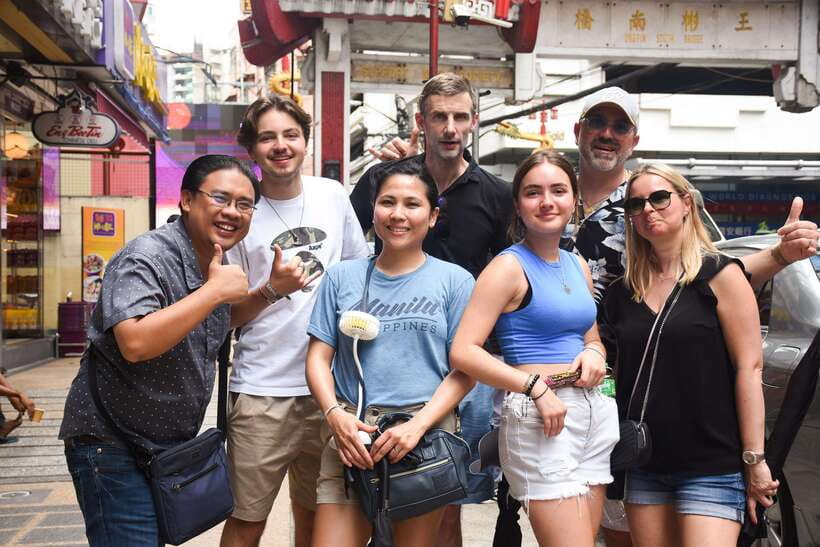
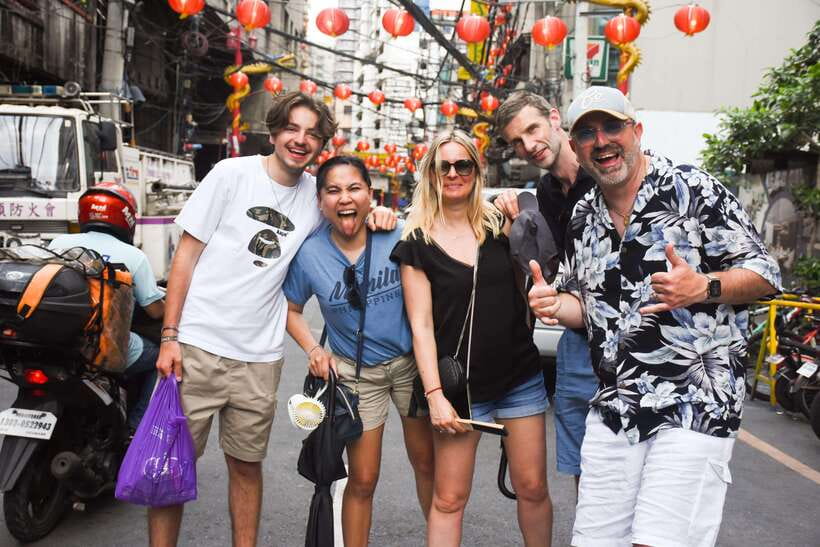
The guide is central to the experience. The food may get you to Binondo, but the person leading the walk determines how much you understand and how comfortable you feel.
Chloe has been praised for being fun, well informed, and generous with practical tips for Manila and island trips. Nel is described as warm, hospitable, and attentive, especially for solo visitors. Jian has been appreciated for local food facts, cultural stories, and an easygoing manner. Juan received praise for explaining the Chinese community’s development and for giving visitors room to try food at their own pace.
That last point matters. You are not expected to eat every portion or enjoy every dish. A good guide can explain what you are trying, answer questions, and help you decide how much to eat.
The group setting may also suit solo visitors. Nel, in particular, made solo participants feel welcome, while couples and small groups found the guides personable and considerate. If you are shy about joining a food tour alone, this is one of the stronger reasons to consider it.
How much food do you really get?
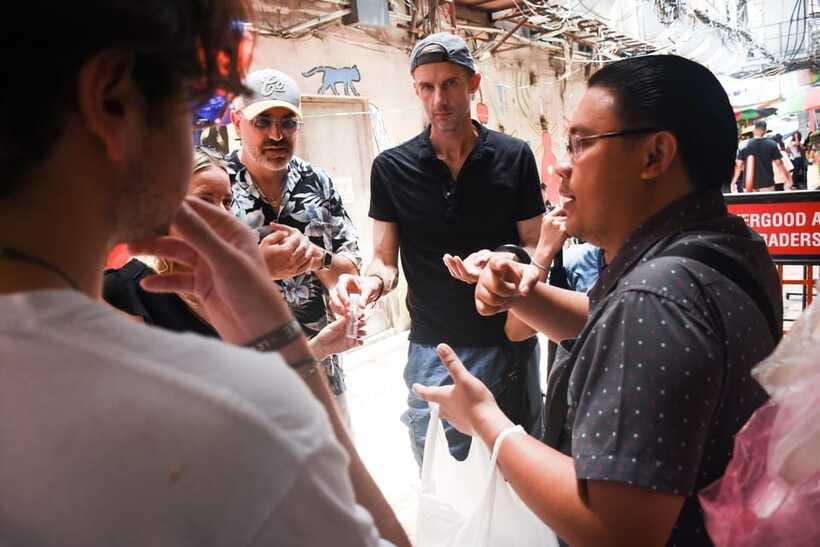
The short answer is: a lot. The tour includes food and drinks at five local restaurant stops plus a bakery. The tastings cover lumpia, dumplings, mami, dim sum, and hopia, with the exact portions and choices subject to change.
You should skip a large breakfast. Several people who deliberately arrived hungry still ended up sharing food because they were full. That advice is not a minor detail. If you treat this as a light snack tour, you may be uncomfortable by the middle.
The large portions improve the value for some people. At $60, you are paying for more than a few samples. You are paying for a guided route, several stops, drinks, cultural explanation, and the time saved by having someone choose places for you.
Still, the price may feel high if you eat very little or already know Binondo well. You could spend less by choosing your own restaurants, but you would lose the guide’s route, explanations, and confidence in what to order. For a first visit, that convenience can make the cost reasonable.
Walking conditions and practical limits

This is a proper walking tour through streets and alleys. Comfortable shoes are essential, especially because the route moves between several stops rather than staying in one restaurant.
The tour operates rain or shine. Check the forecast, but do not assume poor weather automatically cancels the experience. A small umbrella or rain protection may make the walk more pleasant, though the only stated requirement is comfortable footwear.
Leave baby strollers, luggage, and large bags behind. Tight lanes and busy eating places are not a good match for bulky belongings. You can use the Grab app, the local ride service similar to Uber, to reach Binondo Church.
The experience is not suitable for wheelchair users. It is also not suitable for vegans or vegetarians because the food selection is built around dishes that do not meet those diets. If you have other dietary restrictions, the supplied details do not confirm what substitutions are available, so ask before booking.
Is three hours enough?
Three hours gives the tour a good shape. You have enough time to visit several places without turning the day into an all-day food crawl. The walk also keeps the meal from becoming too heavy too quickly.
The route begins and ends at Binondo Church, which makes it easier to plan the rest of your day. You can arrange your own transport to the church and continue elsewhere in Manila after the tour. Hotel pickup and drop-off are not included.
The pace may feel quick if you want long meals or detailed photography at every stop. It works better if you see the tour as an introduction to Binondo, with enough food to identify places and flavors you may want to revisit later.
Who should book this Binondo food tour?
I would recommend it most strongly to first-time visitors to Binondo, curious eaters, solo visitors, couples, and anyone who wants a local guide rather than a self-guided restaurant hunt.
You will get the most from it if you:
- Enjoy both food and local stories
- Are comfortable walking through narrow streets and alleys
- Want to try several dishes in one outing
- Prefer generous tastings to one formal meal
- Appreciate practical tips about Manila
- Can eat meat, seafood, and other non-vegetarian dishes
I would be more cautious if you have a small appetite, dislike sweet vegetable fillings, want a quiet restaurant meal, or already know Binondo’s food scene well. The quantity can be too much, and the $60 price may not feel worthwhile if you would rather choose only a few dishes yourself.
The overall rating of 4.8 from 38 bookings reflects a strong level of satisfaction, but the one lower assessment points to the tour’s main weakness: not every tasting will please everyone, and the portions may be larger than necessary.
Should you book it?
Book this tour if you want a generous introduction to Binondo with a friendly English-speaking guide, plenty of food, and access to small restaurants you might not find alone. The dumplings, dim sum, and guide-led stories are the strongest reasons to go.
Skip it if you need vegetarian or vegan food, use a wheelchair, carry large bags, or prefer a small, carefully paced tasting menu. For everyone else, arrive hungry, wear good shoes, and think of the $60 as payment for both the meal and the local knowledge that makes the district easier to understand.
FAQ
Where does the Binondo food tour meet?
Meet in the lobby of Binondo Church, near the candles area. The tour also returns to Binondo Church at the end.
How long does the tour last?
The scheduled duration is three hours. Starting times vary, so check availability when booking.
What food is included?
The tastings include fresh lumpia, handmade dumplings, mami noodle soup, classic dim sum, and hopia from a local bakery. Food and drinks listed for the tour are included in the price.
Is hotel pickup included?
No. Hotel pickup and drop-off are not included. You arrange your own way to Binondo Church, and the Grab app can be used to reach the meeting point.
Can vegetarians or vegans join?
No. The tour is listed as unsuitable for both vegetarians and vegans.
What should I bring, and what is not allowed?
Bring comfortable shoes. Baby strollers, luggage, and large bags are not allowed, and the tour takes place rain or shine.
Just added around Manila
- Embark on a 7-Day Banaue-Sagada Adventure of a Lifetime★ 5.0 · 3 reviews
- Philippines Intro 3 days 2 nights Tour Best of Manila and Beyond★ 5.0 · 3 reviews
- Pagsanjan Falls Adventure with Lunch and Rapids Experience★ 4.5 · 3 reviews
- Manila: Intramuros Tour ( Dark)★ 4.7 · 3 reviews
- Manila: Intramuros Heritage Tour★ 4.2 · 3 reviews
- From Manila: Philippines Private Tour Guide★ 4.1 · 3 reviews
- Discover the Real Manila with a Local Guide★ 5.0 · 3 reviews
- MANILA: HISTORICAL KALESA RIDE TOUR EXPERIENCE IN INTRAMUROS★ 4.0 · 3 reviews
Binondo Chinatown Tours, side by side.

Intramuros, Chinatown, and Old Manila Half-Day Tour
Read the review →
Manila Food Tour: Explore World’s Oldest Chinatown
Read the review →Intramuros, Chinatown, and Old Manila Half-Day Tour
Read the review →
Intramuros & Chinatown Manila Tour – Walking, Food & Culture
Read the review →
Where else this one shows up