
Reviewed · INTRAMUROS TOURS
Explore Intramuros: Introduction to Philippine History
History feels close in Intramuros. This three-hour walking tour gives you a useful introduction to Manila’s Spanish colonial past, the Catholic Church, World War II, and the Philippine independence movement. I like the small-group format, capped at 15 people, and I like that entrance fees and bottled water are included. The main caution is pace: one past participant felt rushed and missed parts of the planned route.
At $55 per person, this is not Manila’s cheapest sightseeing option. Still, I see real value if you want context rather than a quick look at old walls. Guides such as Jian, Jerome, and Patrick have earned praise for clear explanations, humor, and a willingness to answer questions. You should also expect a walking tour in outdoor heat, with some stops receiving more time than others.
In This Review
- Key points to know before you book
- Why Intramuros makes a good first Manila tour
- Starting inside San Agustin Church
- Museo San Agustin and the worldwide galleon trade
- Casa Manila and the life of Manila’s upper class
- Memorare Manila and the cost of World War II
- Manila Cathedral and the Catholic center of the Philippines
- Ending at Fort Santiago
- The guides make or break the experience
- Is $55 a fair price?
- Practical advice for a smoother visit
- Who should book this Intramuros tour?
- Should you book it?
- FAQ
- Where does the tour start?
- Where does the tour end?
- How long does the tour last?
- What places are visited?
- Are entrance fees included?
- What happens if the weather is poor?
Key points to know before you book
- Start at San Agustin Church: The meeting point is easy to identify on General Luna Street inside Intramuros.
- Six historic stops in about three hours: You visit San Agustin Church, Museo San Agustin, Casa Manila, Memorare Manila, Manila Cathedral, and Fort Santiago.
- Admissions are included: You do not need to stop and pay separately at the museum, Casa Manila, or Fort Santiago.
- A useful first-day orientation: The tour covers more than 300 years of Philippine history and ends at Fort Santiago, leaving the rest of your day open.
- Guides are a major part of the experience: Jian and Jerome receive especially strong praise for their storytelling, humor, and personal attention.
- Keep an eye on timing: The group may be small, even just one or two people, but the route still needs to fit into roughly three hours.
Why Intramuros makes a good first Manila tour
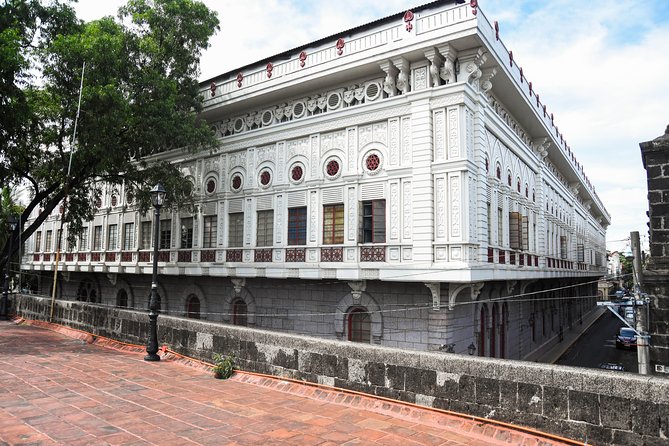
Intramuros is Manila’s old walled city, and it gives you a concentrated look at several chapters of the country’s past. Spanish rule, Catholic traditions, the Manila galleon trade, World War II, and the fight for independence all appear within a fairly compact area.
I like this tour because it connects places that can feel disconnected when you visit them alone. San Agustin Church is not just an old church. Casa Manila is not just a restored house. Fort Santiago is not just a military site. With a guide, each place becomes part of a larger story.
The tour also works well if you have limited time in Manila. Three hours is long enough to cover the main sights without taking over your entire day. You finish at Fort Santiago, so you can continue exploring Intramuros, find lunch, or move on to another part of the city.
You should not expect an exhaustive study of Philippine history. This is a fast introduction, not a specialist program. The appeal is breadth and orientation. You get enough background to make later visits more meaningful.
More Historical Tours in Manila
- Intramuros, Manila: Historical Bamboo Bike Tour
★ 4.8 · 583 reviews - Experience Manila’s Heritage: Intramuros & More in Half a Day!
★ 5.0 · 76 reviews - Half-Day Heritage Tour: Manila’s Historic Gems
★ 4.9 · 29 reviews
Starting inside San Agustin Church
The meeting point is San Agustin Church on General Luna Street. That is a practical choice because the church is one of Intramuros’ best-known landmarks, and you can reach it using public transportation nearby.
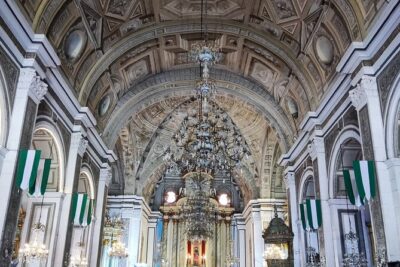
The church is described as the oldest stone church in the Philippines and the only one in Intramuros to survive the bombing of Manila during World War II. Even with only about 10 minutes set aside here, the opening stop gives you an immediate sense of the city’s layered past.
I would arrive a little early. The tour begins inside a historic district with several major buildings close together, and meeting your guide without a scramble makes the morning easier. Look for the guide near the church rather than expecting hotel pickup or private transport. Transportation is not included, so you handle your own way to the starting point.
This first stop is brief, which may disappoint you if church architecture is your main interest. The longer visit comes next, inside Museo San Agustin.
Museo San Agustin and the worldwide galleon trade
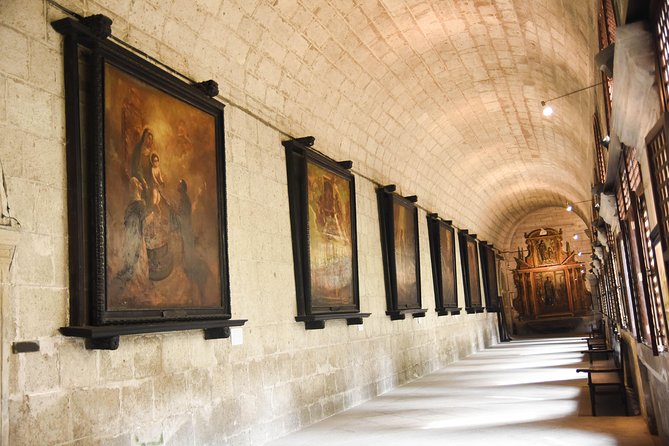
The museum beside the church receives about 30 minutes. Admission is included, which saves you the nuisance of buying a ticket during the tour.
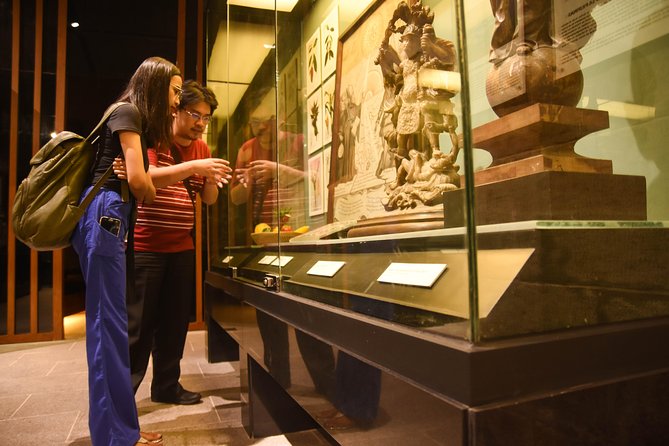
The focus here broadens the story beyond Manila itself. You learn about the Spanish galleon trade, a network that linked the Philippines with distant parts of the world. You also see Catholic artifacts from different periods and gain a clearer idea of how the church shaped public and private life.
I find this stop particularly useful because it gives structure to the Spanish colonial period. Without some background, the churches and monuments of Intramuros can seem like isolated reminders of the past. The museum helps explain why Manila became such an important meeting point for trade, religion, and empire.
Thirty minutes is enough for an introduction, but not enough for every display. If you are drawn to religious art or maritime trade, you may want to return later at your own pace. The guided visit is best viewed as a strong overview.
Casa Manila and the life of Manila’s upper class
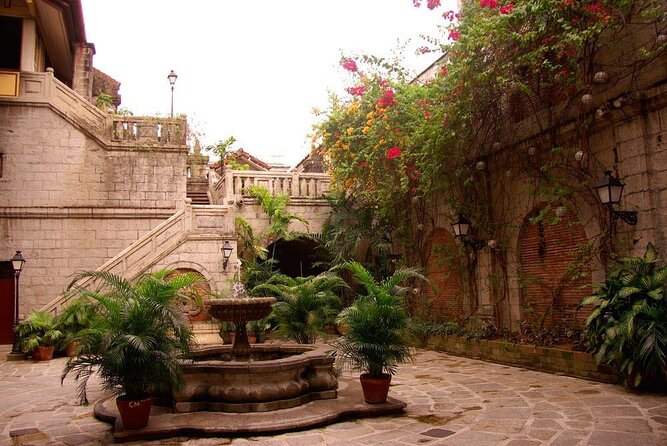
Casa Manila shifts the focus from institutions to domestic life. This recreated turn-of-the-19th-century house shows how wealthy Manila residents lived during the Spanish period.
You move through rooms designed to suggest the home of the upper crust of old Manila. The value here is not just the furniture or interior decoration. The house helps you picture the social order behind the grand churches and government buildings.
I like this stop because it gives the tour a human scale. A church can tell you about faith and empire. A fort can tell you about war and authority. A house can show you how status, family life, and daily routines fit into that system.
The visit lasts about 30 minutes. That is enough time to understand the house and hear the guide’s explanation, though you should not expect a long, slow museum visit. Casa Manila can also feel more staged than the other sites because it is a recreation rather than a preserved family home. That does not make it useless. It simply means you should treat it as an interpretation of the period.
More ways to see Intramuros:
- Experience Intramuros with Bamboo Bicycle – Ecotours
★ 5.0 · 508 reviews - Manila: Intramuros, Chinatown, and Old Manila Half-Day Tour
★ 4.8 · 475 reviews - Manila Old and New: Sightseeing Tour Including Intramuros and Fort Santiago
★ 4.5 · 377 reviews - Manila: Guided Sunset Bamboo Bike Tour in Intramuros
★ 4.8 · 119 reviews
Memorare Manila and the cost of World War II
The Memorare Manila Monument is a short 10-minute stop, but its subject is serious. The monument remembers civilians killed during the Battle of Manila in World War II.
This is where the tour moves from colonial rule and religion into the destruction of modern Manila. The stop helps you understand that Intramuros is not only a preserved Spanish district. It was also a place deeply affected by the war.
I appreciate the decision to include a memorial in a route filled with beautiful buildings. It prevents the tour from presenting old Manila as a charming postcard with no painful chapters. The visit is brief, so your guide’s explanation matters greatly here.
If you want a detailed account of the battle, this stop will not provide enough time on its own. Think of it as an important pause that adds moral weight to the rest of the tour.
Manila Cathedral and the Catholic center of the Philippines
The group then visits Manila Cathedral for roughly 10 minutes. It is the seat of the Catholic Church in the Philippines, making it an important stop for understanding the country’s religious life.
The cathedral also helps you compare different parts of Intramuros. San Agustin Church introduces the city’s early stone architecture, while the cathedral represents a larger institutional role. Your guide can connect these buildings to the long influence of Catholicism in the Philippines.
The cathedral visit is short and admission is listed as free. You may have time mainly for an exterior look and a concise explanation. If you are hoping for extended interior viewing, ask your guide how much time is available on the day.
This is one of several quick stops, so the route favors a broad picture over close inspection. That tradeoff makes sense for a three-hour introduction, but it is worth knowing before you book.
Ending at Fort Santiago
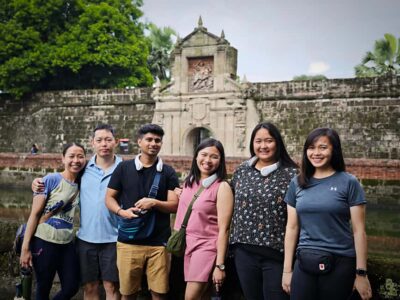
Fort Santiago is the final and longest major stop, with about 30 minutes and admission included. The old Spanish military fort is one of Intramuros’ key landmarks, and the tour ends here rather than returning you to San Agustin Church.
The fort brings together military power and the Philippine movement for independence. The guide uses the site to discuss one of the country’s heroes and the struggle to break free from Spain. The exact emphasis can vary by guide, but the purpose is clear: you finish with the political story that follows the religious and social chapters earlier in the morning.
I like ending here. Fort Santiago gives the tour a strong final chapter, and the location is practical. Afterward, you are already inside Intramuros and can continue exploring on your own. You can also treat the end point as useful planning information if you need to arrange transport elsewhere in Manila.
The half-hour visit may feel short for a fort with this much significance. If military history or Philippine independence interests you most, consider staying after the official tour to see more of the site independently.
The guides make or break the experience
The strongest part of this experience is the human explanation. Jian is praised for bringing sites to life, sharing local and regional history, and adjusting the conversation to individual interests. Jerome receives similar praise for humor, patience, and his ability to explain Philippine languages and national history. Patrick is also described as extremely well informed.
Those names do not guarantee who will lead your departure. They do tell you something useful about the operator’s guiding style: the experience can be conversational rather than a rigid speech delivered while you walk.
Solo participants may benefit especially from the small group. One person was given what amounted to a private tour when nobody else joined, while another small group found the guide attentive and easy to talk with. A small group also makes it easier to ask about Spanish rule, local culture, World War II, or modern Manila.
There is one important qualification. The tour is scheduled for about three hours, and the route contains six stops. One participant felt the guide moved too quickly and did not reach every planned location. If you want long photo breaks or extensive time inside each building, tell the guide early. A clear request may help shape the pace.
Is $55 a fair price?
At $55, you are paying for a guided introduction, not simply admission to a handful of attractions. The price includes all entrance fees, bottled water, and an English-speaking guide. That removes small payment hassles and lets you focus on the sites.
The value is strongest if you are new to Manila, have only a short stay, or prefer a guide to explain the connections between places. The tour covers a lot in three hours, and you still have most of the day free.
The value is weaker if you are comfortable reading signs, researching independently, and moving at your own speed. Casa Manila, Museo San Agustin, and Fort Santiago are the main paid attractions. A self-guided visit may cost less, though it will not provide the same conversation or local perspective.
Group discounts may be available, which could improve the price for families or friends booking together. The maximum group size is 15, so even a full departure should not feel like a large coach excursion.
Practical advice for a smoother visit
Wear shoes suitable for walking and expect heat. The tour includes outdoor movement between sites, and one participant appreciated having a break during the three-hour route. Bottled water is provided, but you should still plan around Manila’s weather.
The tour requires good weather. If poor conditions force cancellation, you are offered another date or a full refund. For other changes, cancellation at least 24 hours before the start time is required for a full refund.
The start and end points are different. You begin at San Agustin Church and finish at Fort Santiago. That is convenient for continuing your day, but do not assume you will be taken back to your hotel.
I would also plan your priorities before you arrive. If you care most about church art, ask for more detail at San Agustin and the cathedral. If you care about wartime Manila, use the Memorare Manila stop and Fort Santiago to frame your questions. If you want social history, Casa Manila deserves your attention.
Who should book this Intramuros tour?
I would recommend it most strongly to first-time visitors who want a quick, guided introduction to Manila. It suits solo visitors, couples, families with older children, and anyone who prefers context over wandering without a plan.
It is also a good choice for people who want to understand the city before spending more time on their own. The guide can help you get your bearings, explain the major landmarks, and offer broader suggestions for Manila, as some participants found useful.
You may want another option if you dislike fixed schedules or prefer to linger at every museum. The route is full, and the pace can vary. A private tour might be better for travelers with very specific interests, but this small-group format offers a more affordable middle ground.
Should you book it?
Book this tour if you want a clear three-hour introduction to Intramuros with admissions handled and an English-speaking guide connecting the sites. The strongest reasons are the compact route, the range of subjects, and guides such as Jian and Jerome, who are praised for humor, personal attention, and strong explanations.
Skip it if your priority is the lowest possible cost or complete freedom over timing. At $55, you are paying for interpretation and convenience. For a first visit to Manila’s walled city, I think that can be worthwhile, especially if you tell the guide your interests and ask not to rush the stops that matter most to you.
FAQ
Where does the tour start?
The tour starts at San Agustin Church on General Luna Street in Intramuros, Manila.
Where does the tour end?
The tour ends at Fort Santiago inside Intramuros. Return transportation to your hotel is not included.
How long does the tour last?
The tour lasts approximately three hours, or about half a day.
What places are visited?
The route includes San Agustin Church, Museo San Agustin, Casa Manila, Memorare Manila Monument, Manila Cathedral, and Fort Santiago.
Are entrance fees included?
Yes. Admission fees for Museo San Agustin, Casa Manila, and Fort Santiago are included. San Agustin Church, Memorare Manila Monument, and Manila Cathedral are listed as free admission stops.
What happens if the weather is poor?
The experience requires good weather. If it is canceled because of poor weather, you can choose another date or receive a full refund. Cancellation at least 24 hours before the start time is required for a full refund.
Just added around Manila
- Philippines Intro 3 days 2 nights Tour Best of Manila and Beyond★ 5.0 · 3 reviews
- Embark on a 7-Day Banaue-Sagada Adventure of a Lifetime★ 5.0 · 3 reviews
- Pagsanjan Falls Adventure with Lunch and Rapids Experience★ 4.5 · 3 reviews
- Manila: Intramuros Tour ( Dark)★ 4.7 · 3 reviews
- Manila: Intramuros Heritage Tour★ 4.2 · 3 reviews
- From Manila: Philippines Private Tour Guide★ 4.1 · 3 reviews
- Discover the Real Manila with a Local Guide★ 5.0 · 3 reviews
- MANILA: HISTORICAL KALESA RIDE TOUR EXPERIENCE IN INTRAMUROS★ 4.0 · 3 reviews
Intramuros Tours, side by side.

Intramuros, Manila: Historical Bamboo Bike Tour
Read the review →
Experience Intramuros with Bamboo Bicycle – Ecotours
Read the review →
Intramuros, Chinatown, and Old Manila Half-Day Tour
Read the review →Manila Old and New: Sightseeing Tour Including Intramuros and Fort Santiago
Read the review →

Experience Manila’s Heritage: Intramuros & More in Half a Day!
Read the review →Where else this one shows up