
Reviewed · INTRAMUROS TOURS
Manila: Intramuros, Chinatown, and Old Manila Half-Day Tour
Manila shows its true character street by street. This three-hour tour links Tondo Market, Binondo Chinatown, and Intramuros, giving you a quick look at daily life, Chinese-Filipino culture, and the city’s Spanish colonial past. I especially like the mix of local transport and walking, plus the way guides such as Floyd and Venus help connect ordinary neighborhoods with major landmarks.
I also like the tour’s range. You move from produce stalls and seafood sellers to Binondo’s food streets, then on to Fort Santiago, Casa Manila, San Agustin Church, and Manila Cathedral. The main drawback is pace: there is a lot to cover, and by the time you reach Intramuros, you may be tired and ready for shade, coffee, or a proper sit-down meal.
In This Review
- Key points at a glance
- Why this tour gives you more than Intramuros
- Starting at Tondo Market
- Riding through Old Manila like a local
- Exploring Binondo, Manila’s 1594 Chinatown
- Entering Intramuros and its Spanish-era walls
- What the guide adds to the experience
- Is $68 a fair price?
- Who should book this Manila tour?
- Should you book it?
- FAQ
- How long does the Manila Intramuros and Chinatown tour last?
- Where do I meet the guide?
- Which areas does the tour visit?
- What types of transport are included?
- Is food included?
- What should I wear?
Key points at a glance
- Tondo Market comes first, offering a look at local shopping, food stalls, and everyday Manila away from the polished districts of Makati and BGC.
- Binondo is the world’s oldest Chinatown, established in 1594, with Ongpin Street, Binondo Church, the Filipino-Chinese Friendship Arch, and food stops.
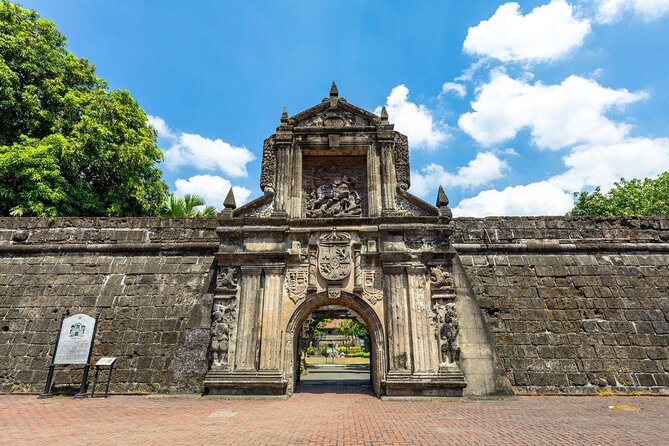
- Intramuros supplies the grand finale, with Fort Santiago, Casa Manila, San Agustin Church, Manila Cathedral, old walls, and cobblestone streets.
- Local transport is part of the fun, including a tuk-tuk, tricycle, and jeepney rather than one air-conditioned vehicle all day.
- Guides make a major difference, with Floyd, Venus, Jane, and other guides praised for warmth, local insight, humor, and helping visitors feel secure.
- At $68 per person, the tour offers strong value if you want transport, guiding, refreshments, photos, and several Manila districts in one short outing.
Why this tour gives you more than Intramuros
Many first visits to Manila focus on the safer, newer feel of BGC or Makati. Those areas have their place, but they do not show the full city. This tour takes you into working neighborhoods, a major market district, the old Chinese quarter, and the walled Spanish city in one compact route.
I like that contrast. You see people buying food, vendors working in tight lanes, local traffic moving at its own determined speed, and historic buildings that recall several different chapters of Philippine life. The result is not a polished postcard tour. It is louder, more crowded, and more revealing.
The experience also puts daily life beside major monuments. Tondo and Binondo show Manila as a living city. Intramuros shows how power, religion, trade, war, and colonial rule shaped it. That combination gives you useful context before you spend more time exploring on your own.
The activity is marketed as three hours, though some participants describe the outing as closer to four hours. That may depend on traffic, group size, and how long the stops take. If you have a flight, train, or fixed appointment afterward, leave extra time.
More ways to see Intramuros:
- Intramuros, Manila: Historical Bamboo Bike Tour
★ 4.8 · 583 reviews - Experience Intramuros with Bamboo Bicycle – Ecotours
★ 5.0 · 508 reviews - Manila Old and New: Sightseeing Tour Including Intramuros and Fort Santiago
★ 4.5 · 377 reviews
Starting at Tondo Market
Your meeting point is at Tutuban Center Mall, near the Bonifacio Monument and Lawson Convenience Store. Ask mall security to help you locate the guide if needed. This is worth doing in advance, since a busy commercial area is not the place to wander around searching for a tour group.
The first major stop is Tondo Market. Expect narrow, active streets lined with stalls selling fresh produce, seafood, and local food. The appeal is not a single famous sight. It is the chance to watch Manila’s daily economy at close range.
A guide is especially useful here. They can explain what you are seeing, help you move through the alleys, and give meaning to details that might otherwise blur into noise and motion. Guides Floyd and Venus receive repeated praise for making visitors feel comfortable and for explaining Filipino customs and city life in clear, friendly terms.
This part can also challenge you. Market streets may feel crowded, hot, and visually intense. You may see difficult living conditions and sharp differences in income. That is not something to treat as a spectacle, so pay attention, stay respectful, and follow your guide’s lead when taking photographs.
The stop works best if you arrive with an open mind. You are not simply passing through a tourist attraction. You are seeing where people shop, work, eat, and build community. Several people who took the tour with teenagers or during a short layover found this section especially useful because it gave them a view of Manila beyond modern business districts.
Riding through Old Manila like a local
Transport is one of the tour’s most memorable features. Instead of covering every section in a private car, you may ride a tuk-tuk, tricycle, and jeepney. These short rides help link the districts while giving you a taste of how people move around the city.
The rides are practical, but they are also part of the sightseeing. From a jeepney or tuk-tuk, you remain close to street life. You can watch traffic, storefronts, pedestrians, and neighborhood activity pass at eye level. The trip can feel chaotic, though that is part of Manila’s character.
I would not choose this outing if you want a quiet, climate-controlled ride between monuments. You should expect traffic, heat, some waiting, and the need to get in and out of local vehicles. Still, the transport adds real value to a short tour. It turns the journey between sights into part of the experience rather than dead time.
The guides also help here. Several participants singled out Venus for handling practical obstacles and keeping the group together. Floyd was praised for his humor, patience, and ability to answer questions about history and culture. That personal help matters when the route involves several types of transport in a busy city.
Exploring Binondo, Manila’s 1594 Chinatown
Next comes Binondo, founded in 1594 and widely recognized as the world’s oldest Chinatown. This is not a quiet heritage quarter. Ongpin Street and the surrounding lanes are crowded with shops, food businesses, signs, deliveries, and people going about their day.
The Filipino-Chinese connection is central to the district. You will see the Filipino-Chinese Friendship Arch, a visible reminder of the long relationship between the two communities. Binondo Church adds another important layer, showing how religion and local identity developed in this part of Manila.
Food is a strong reason to enjoy this stop. Refreshments are included, and the guides may offer tastings or help you sample local treats. The exact food selection can vary, so do not expect a fixed restaurant meal. Think of it as a chance to try small bites while walking through one of the city’s best-known food districts.
Come hungry, but not uncomfortably so. One participant’s practical warning was simple: be ready to eat. Another said the Chinatown food was a highlight. If you have dietary restrictions, ask the provider before booking, since the supplied information does not list specific alternatives.
Binondo is also where the pace can feel most intense. Streets may be crowded, especially around Lunar New Year, when decorations and shoppers add even more pressure to already busy lanes. Comfortable shoes matter, and a small bag that stays close to your body is more practical than a large daypack.
More Binondo and Chinatown food walks:
- Manila Food Tour: Explore World’s Oldest Chinatown
★ 5.0 · 158 reviews - Manila: Guided Food Tour of Binondo with Tastings
★ 4.8 · 38 reviews - Manila: Intramuros, Chinatown, and Old Manila Half-Day Tour
★ 5.0 · 37 reviews - Intramuros & Chinatown Manila Tour – Walking, Food & Culture
★ 4.5 · 32 reviews
Entering Intramuros and its Spanish-era walls
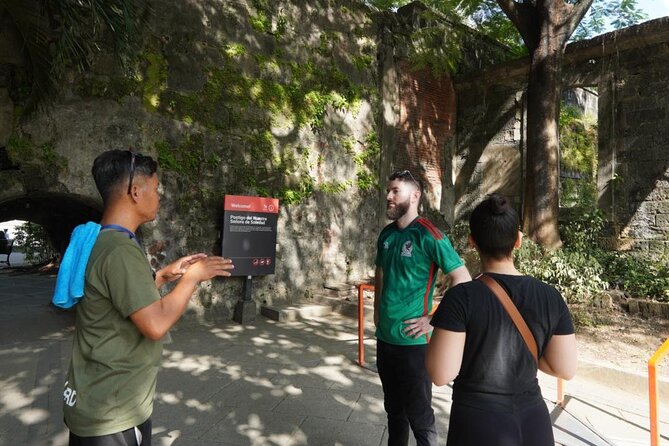
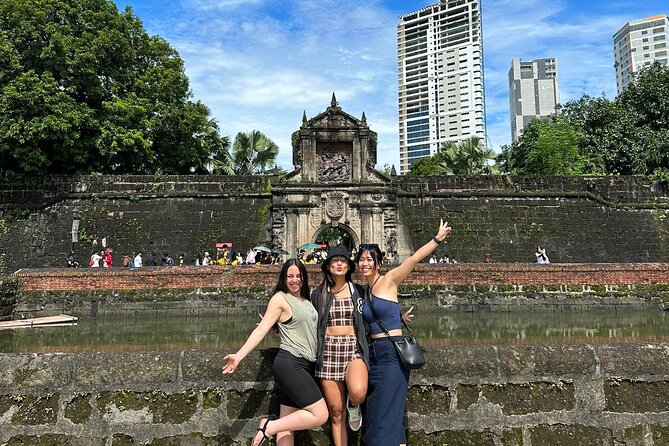
The tour then shifts from market energy to the old walled city of Intramuros. Its cobblestone streets, thick walls, churches, and forts offer a very different picture of Manila.
Intramuros is often the part people imagine when they hear Old Manila. It was built as a Spanish colonial city, and its surviving landmarks show the role of government, military defense, and Catholic religion in the city’s past. The guide’s explanation is important because the buildings are more meaningful when you understand how they fit together.
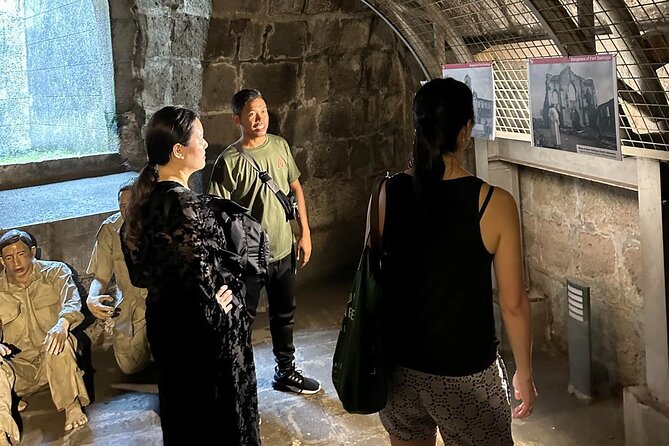
Fort Santiago is one of the main stops. The fort gives you a direct connection to Manila’s military and political past. It is also a place where the city’s colonial story becomes less decorative and more serious. Ask questions here if you want to understand the people and events connected to the site.
Casa Manila offers a different view. Rather than a fortification, it presents the domestic side of colonial-era life. San Agustin Church is one of Intramuros’ oldest churches and an important architectural stop. Manila Cathedral adds another major religious landmark to the route.
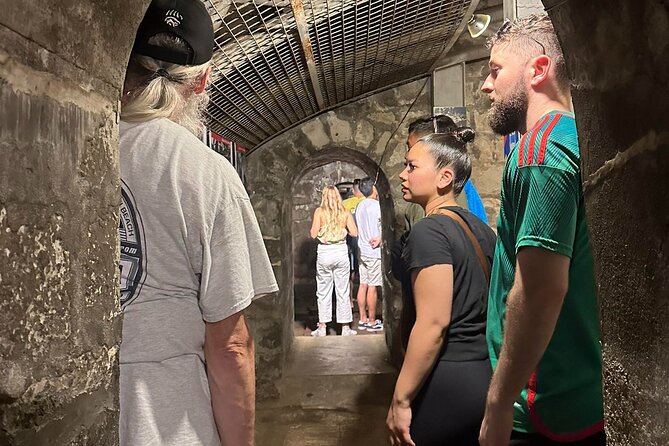
The exact amount of time at each site is limited. You should expect an introduction rather than a full museum visit or a slow architectural study. If Fort Santiago or San Agustin Church is your main interest, plan to return later with more time.
By this stage, tiredness is a real consideration. The tour begins on foot, includes market walking, uses several vehicles, and finishes with more walking over hard surfaces. One participant found the tour ideal for seeing a lot on limited time but noted that fatigue had set in by Intramuros. That is a fair warning, not a reason to avoid the tour.
What the guide adds to the experience
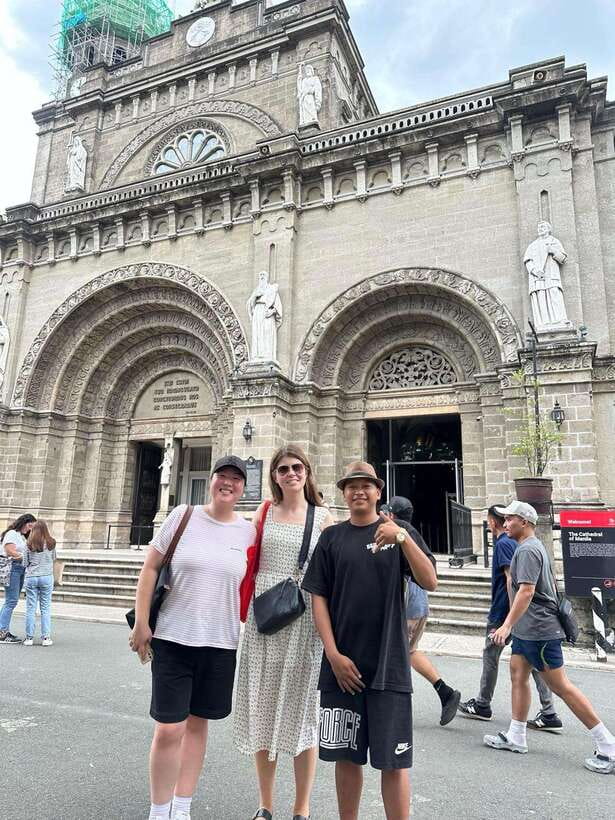
The route covers plenty, but the guide is what turns it into more than a fast sightseeing checklist. Floyd is frequently praised for explaining Manila’s past and present in an engaging way. Venus is described as upbeat, caring, and good at making solo participants feel included. Jane and Jason are also mentioned as helpful additions on tours with more than one guide.
Good guiding matters most in Tondo and Binondo. Without context, a market can seem like a blur of stalls and traffic. A guide can point out what matters, answer questions, and help you understand the neighborhood without reducing it to a display for outsiders.
The guides also help with tone. You will see poverty and crowded housing alongside friendliness, work, family life, and strong community ties. This is not a poverty tour, and it should not be treated as one. The best approach is to listen, avoid intrusive photos, and remember that the people you see are living their ordinary lives.
The strongest praise is for guides who are both informed and approachable. Visitors describe Floyd as kind, funny, and passionate about Philippine culture. Venus is praised for her energy and ability to keep the group comfortable. Those qualities can make a busy three-hour route feel much easier.
Is $68 a fair price?
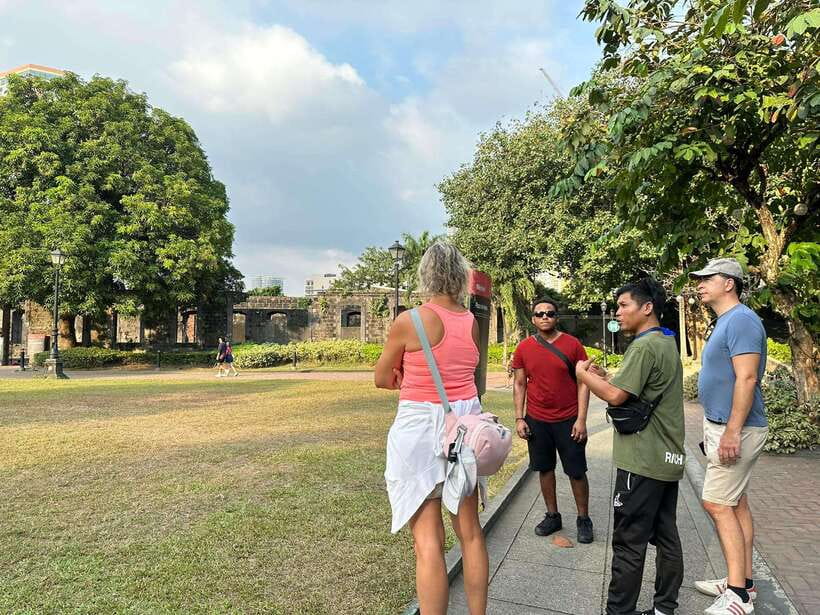
At $68 per person, this is not the cheapest way to walk around Manila. You could visit some sites independently for less. But the comparison is not quite fair because this price includes a live English-speaking guide, local transport, refreshments, photography, and a route that connects several districts that are not especially simple to combine on your own.
The value is strongest if you have only a short stay. People using the tour during a nine-hour layover or a 24-hour visit found it a useful way to see several sides of the city quickly. It can also help you decide which areas deserve a longer return visit.
The price is less attractive if you prefer slow travel. You may want more time at each church, a long meal in Binondo, or an unhurried visit to Fort Santiago. In that case, a self-guided day or a private tour may suit you better, although those choices bring their own costs and planning work.
The tour provider, V.S Tour Services, also offers private tours on request. If you have strong interests, mobility concerns, or a group that wants a slower pace, ask about that option before booking.
Who should book this Manila tour?
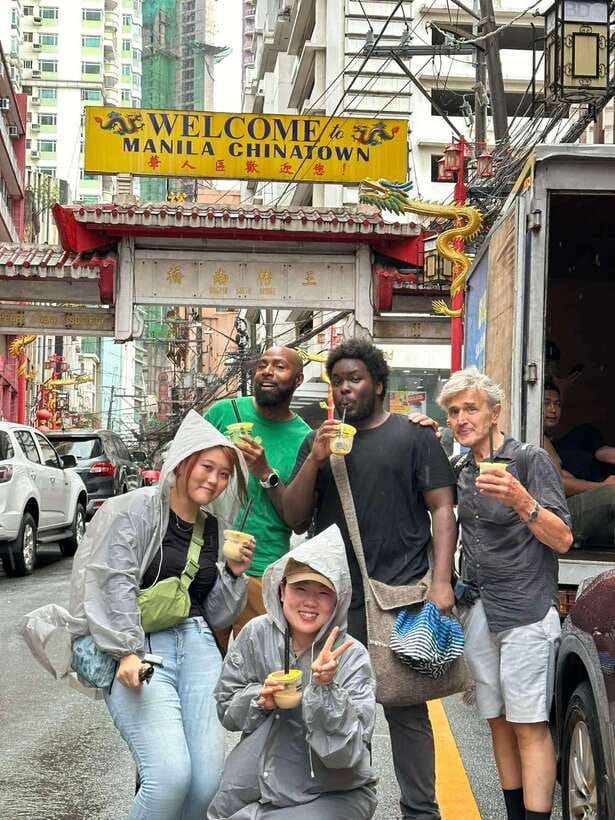
I would recommend it to first-time visitors who want orientation fast, especially if they have limited time. It is also a good fit for solo visitors because the guides make a clear effort to include people and help them feel at ease.
Families with older children or teenagers may appreciate the variety. Markets, food, transport, forts, churches, and street scenes offer more change than a museum-only outing. Still, the walking and heat may be tiring for younger children.
You should be reasonably comfortable on your feet. Wear walking shoes, sunscreen, sunglasses, and a hat or cap. Bring water if you prefer having your own supply, although a refreshment is included.
This is not suitable for people over 95, according to the activity information. The listing does not provide a detailed accessibility description, so anyone with specific mobility needs should contact V.S Tour Services first.
Cancellation is flexible, with a full refund available when you cancel at least 24 hours ahead. You can also reserve now and pay later, which helps if your Manila schedule is still shifting.
Should you book it?
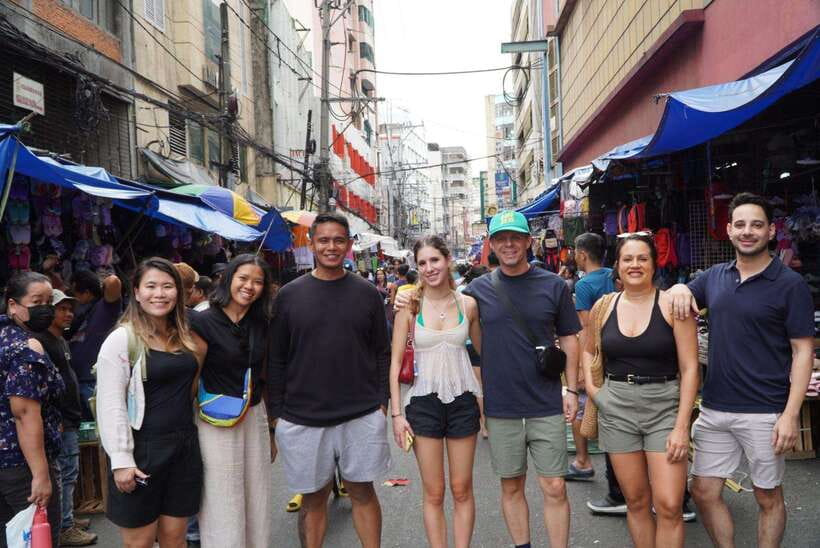
Book this tour if you want a fast, guided introduction to the real-life streets of Manila, the food and culture of Binondo, and the major sights of Intramuros. The combination of Tondo Market, local rides, Chinatown, and Spanish-era landmarks is the main reason to choose it.
Skip it if your priority is a slow, quiet visit with long stops at historic buildings. The route is full, the city can be hot and crowded, and the final portion may find you running on determination.
For most first-time visitors, the $68 price is fair because it bundles transport, guiding, snacks, photographs, and local context into one outing. Just wear good shoes, arrive ready for a busy morning or afternoon, and keep enough time afterward to rest or return to the place that caught your interest.
FAQ
How long does the Manila Intramuros and Chinatown tour last?
The advertised duration is three hours. Some participants describe their outing as lasting closer to four hours, so leave extra time if you have a later appointment or flight.
Where do I meet the guide?
Meet at Tutuban Center Mall near the Bonifacio Monument and Lawson Convenience Store. You can ask mall security to help you find the guide.
Which areas does the tour visit?
The route includes Tondo Market, Binondo Chinatown, and Intramuros. Stops and landmarks include Ongpin Street, Binondo Church, the Filipino-Chinese Friendship Arch, Fort Santiago, Casa Manila, San Agustin Church, and Manila Cathedral.
What types of transport are included?
The tour includes rides by tuk-tuk, tricycle, and jeepney. Walking is also a major part of the experience.
Is food included?
A refreshment is included, and the tour may include local food tastings in Chinatown. The available information does not specify a fixed menu.
What should I wear?
Wear comfortable shoes and bring sunglasses, sunscreen, and a hat or cap. The tour involves substantial walking and time outdoors.
More Half-Day
- Discover Tagaytay’s Countryside: Half-Day Sightseeing Tour
★ 4.5 · 207 reviews - From Manila: Tagaytay Countryside Wonders: A Half-Day Tour
★ 4.4 · 187 reviews - MANILA HALF-DAY TOUR (4HRS)
★ 4.7 · 43 reviews - Half-Day Heritage Tour: Manila’s Historic Gems
★ 4.9 · 29 reviews
Just added around Manila
- Philippines Intro 3 days 2 nights Tour Best of Manila and Beyond★ 5.0 · 3 reviews
- Embark on a 7-Day Banaue-Sagada Adventure of a Lifetime★ 5.0 · 3 reviews
- Pagsanjan Falls Adventure with Lunch and Rapids Experience★ 4.5 · 3 reviews
- Manila: Intramuros Tour ( Dark)★ 4.7 · 3 reviews
- Manila: Intramuros Heritage Tour★ 4.2 · 3 reviews
- From Manila: Philippines Private Tour Guide★ 4.1 · 3 reviews
- Discover the Real Manila with a Local Guide★ 5.0 · 3 reviews
- MANILA: HISTORICAL KALESA RIDE TOUR EXPERIENCE IN INTRAMUROS★ 4.0 · 3 reviews
Intramuros Tours, side by side.

Intramuros, Manila: Historical Bamboo Bike Tour
Read the review →
Experience Intramuros with Bamboo Bicycle – Ecotours
Read the review →
Manila Old and New: Sightseeing Tour Including Intramuros and Fort Santiago
Read the review →

Explore Intramuros: Introduction to Philippine History
Read the review →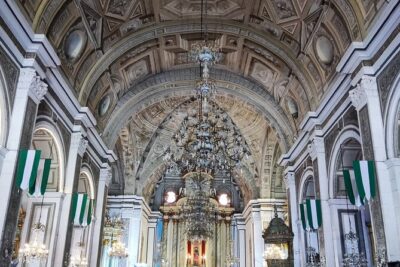
Experience Manila’s Heritage: Intramuros & More in Half a Day!
Read the review →Where else this one shows up