
Reviewed · INTRAMUROS TOURS
Manila: Intramuros, Chinatown, and Old Manila Half-Day Tour
Manila shows its true character street by street. This three-hour tour links Tondo Market, Binondo Chinatown, and Intramuros, giving you a quick but varied look at working Manila, Chinese-Filipino culture, and the city’s Spanish colonial past. I like the unusual route, especially the opening walk through Tondo, and I like that guides such as Felix and Floyd bring personal stories and clear English to the experience. The main drawback is the tight schedule: one hour per stop leaves little time for lingering, and Binondo admission costs are not included.
You should expect a moderate amount of walking in crowded areas, plus local transport such as tuk-tuks and jeepneys. The experience is best for a first visit, a short stay, or anyone who wants more than the usual postcard version of Manila without committing to a full-day tour.
In This Review
- Key points at a glance
- Why this short Manila tour works
- Tondo Market: a direct look at daily Manila
- Binondo and Ongpin Street: Manila’s Chinese-Filipino center
- Intramuros: the strongest historical finish
- Guides Felix and Floyd make the difference
- Walking, jeepneys, and tuk-tuks
- Who gets the best value for $75?
- The practical drawbacks to consider
- Should you book the Intramuros, Chinatown, and Old Manila tour?
- FAQ
- How long does the Manila tour last?
- Where does the tour start?
- Where does the tour end?
- Which places are included in the route?
- Is admission included?
- How many people can join the tour?
- What physical condition should I have?
- Can I cancel for a refund?
Key points at a glance
- Tondo begins with everyday Manila: Walk through market lanes filled with produce, seafood, local delicacies, and the ordinary business of buying and selling.
- Binondo dates to 1594: Ongpin Street, Binondo Church, and the Filipino-Chinese community give this stop a cultural focus beyond sightseeing.
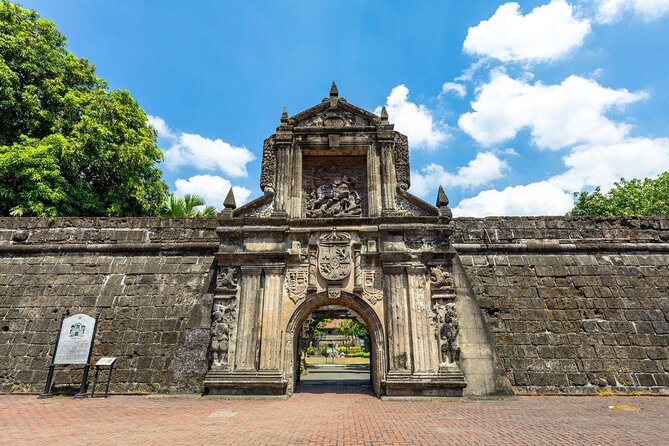
- Intramuros closes with colonial landmarks: Fort Santiago and Manila Cathedral provide the strongest historical setting of the afternoon.
- Guiding is a major strength: Felix and Floyd are associated with warm, engaging tours, and English-language explanations are praised.
- Transport adds local flavor: The experience can include walking, tuk-tuks, and jeepneys, rather than relying only on a tour vehicle.
- The format is compact: About three hours, with a maximum of 15 people, makes this easier to fit into a busy Manila schedule.
Why this short Manila tour works
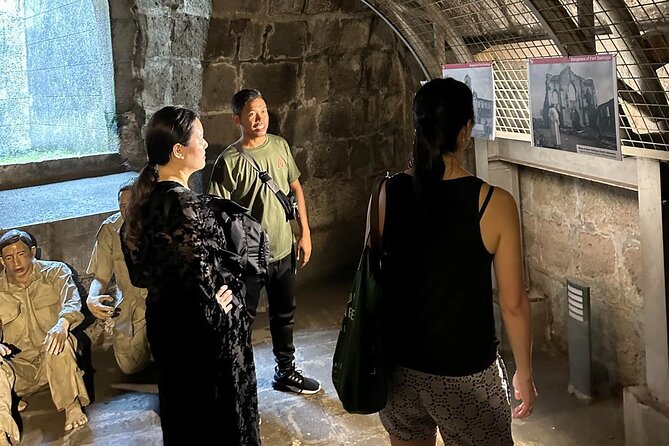
Manila can feel scattered. Its major sights sit in different districts, and traffic can make a simple outing take much of a day. This tour solves part of that problem by joining three very different areas in one route: Tondo, Binondo, and Intramuros.
The result is not a polished city highlights tour. You see markets, religious landmarks, old walls, commercial streets, and traces of several cultures. That range is the main reason I find the experience appealing. In three hours, you get a useful introduction to how Manila developed and how its neighborhoods still function.
The tour costs $75 per person. That is not a budget walk, so value depends on what you want. If you simply want to enter Fort Santiago and take a few photographs, you can likely spend less on your own. If you want someone to explain the city, manage the route, and connect places that are not obvious to first-time visitors, the price becomes easier to justify.
The group limit of 15 is also worth noting. A smaller group can make street crossings, questions, and short stops more manageable. One person even received a one-on-one tour with Felix, though you should not count on having a private experience every day.
More ways to see Intramuros:
- Manila Old and New: Sightseeing Tour Including Intramuros and Fort Santiago
★ 4.5 · 377 reviews - Manila’s Walled City: Intramuros Walking Tour
★ 5.0 · 82 reviews - Express Bamboo Bike Tour inside Intramuros
★ 4.5 · 66 reviews
Tondo Market: a direct look at daily Manila
The tour starts in Tondo, an area known here for its market rather than grand monuments. Your guide leads you through narrow lanes lined with stalls selling fresh produce, seafood, and local food items.
This is a useful beginning because it places Manila’s past and present side by side. Before you reach the colonial walls, you see how people shop, work, and move through the city now. The market offers texture that a monument-only tour cannot provide.
I would keep an open mind at this stop. Tondo Market is not designed for sightseeing, and the experience may feel crowded, noisy, and visually intense. That is also the point. You are seeing a working market, not a staged cultural display.
The first stop lasts about an hour, with no admission ticket required. That gives your guide time to explain what you are seeing, though the schedule may feel short if you enjoy food markets. You might want to watch how goods are arranged, notice the different types of stalls, and ask about local delicacies rather than rushing from one photo to the next.
This part will suit you if you enjoy ordinary city life and do not mind rough edges. If you prefer quiet streets, air-conditioned museums, or carefully arranged attractions, Tondo may be the least comfortable part of the tour.
Binondo and Ongpin Street: Manila’s Chinese-Filipino center
From Tondo, the route continues to Binondo, identified as the world’s oldest Chinatown and established in 1594. This is where the tour shifts from market life to the story of Manila’s Chinese-Filipino community.
Ongpin Street is the main focus. It is known for shops, food businesses, and a busy street atmosphere. The guide also points out Binondo Church and the Filipino-Chinese community’s role in the city.
This stop is valuable because it helps explain Manila as a meeting point of cultures. The city is not only Spanish colonial churches and American-era streets. Chinese influence has shaped trade, food, family life, and commerce for centuries, and Binondo gives you a place to see that history in active form.
You have about an hour here. That is enough for an introduction, but not enough for a long food crawl or a close look at every landmark. Admission is not included at this stop, so keep that in mind when comparing the $75 price with independent sightseeing. The supplied information does not specify which Binondo attractions require payment or how much they cost.
Food lovers may enjoy this part most, particularly if you like examining menus, market stalls, and local eating habits. The tour description promises authentic culinary spots, but it does not guarantee a specific tasting menu or set number of food samples. I would treat food as part of the setting and ask the guide what is practical during your visit.
Binondo also provides one of the clearest reasons to use a guide. Streets can be confusing, and a guide can help connect the church, commercial lanes, and community story. Without that context, you might see a crowded shopping district without understanding why it matters.
Intramuros: the strongest historical finish
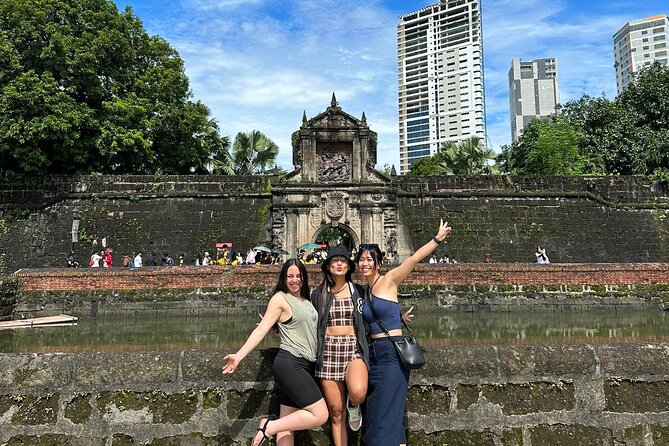
The final hour takes place in Intramuros, Manila’s old walled city. Here, the setting changes sharply. The streets and stone structures offer a more formal look at the Spanish colonial period, with Fort Santiago and Manila Cathedral among the named highlights.
Fort Santiago is the key historical site on the route. It sits within Intramuros and is closely tied to Manila’s colonial past. The itinerary describes the stop as an opportunity to explore historical sites and architectural details, but admission to Fort Santiago is listed as free for this tour. You should still confirm current arrangements with the guide, since site policies can change.
Manila Cathedral adds a religious and architectural layer. Together, the fort and cathedral give you two different ways to read Intramuros: one through military and political history, the other through faith and public architecture.
The one-hour limit means you are getting a focused introduction rather than a full examination of the walled city. If Intramuros is your main interest, you may want to return later with more time. This tour ends at Fort Santiago, which is useful because you finish at one of the district’s major historic sites rather than being returned to the starting market.
I like the order of the route. Tondo gives you present-day street life, Binondo shows the city’s Chinese-Filipino character, and Intramuros brings the historical arc into view. The progression makes more sense than visiting three old monuments in succession.
More Binondo and Chinatown food walks:
- Intramuros & Chinatown Manila Tour – Walking, Food & Culture
★ 4.5 · 32 reviews - Manila: Binondo Walking Tour ( Oldest Chinatown )
★ 5.0 · 30 reviews - Manila Chinatown Food Tour Experience
★ 5.0 · 20 reviews - Intramuros, Manila Chinatown and Tondo Manila Day Tour
★ 4.0 · 8 reviews
Guides Felix and Floyd make the difference
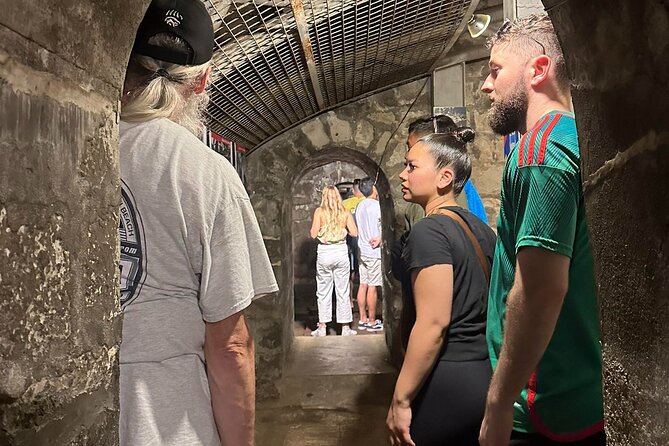
The strongest praise for this experience centers on the guides. Felix is described as personable, easygoing, and very well informed about the city. Floyd is also repeatedly identified as a strong guide who makes the tour engaging and enjoyable.
English ability is another practical strength. Clear communication matters on a short tour because every hour counts. You need explanations that are easy to follow while walking, crossing streets, and taking in several landmarks at once.
The guide’s attitude may matter more here than a long script. Tondo and Binondo are not places where you simply stand in front of a sign and listen. You need someone who can explain what you are seeing, answer questions, and help you read the surroundings.
That said, the experience will vary with the guide assigned on your date. Felix and Floyd receive especially warm attention, but the information does not guarantee either person. The operator is Manila Experience, also identified as V.S Tour Services.
Walking, jeepneys, and tuk-tuks
This is not a sit-back-and-watch-Manila-through-a-window outing. One account highlights a mix of walking, tuk-tuks, and jeepneys, giving the tour a more local feel.
The transport element is useful because it breaks up the walking and helps connect districts. It also adds a small sense of how people move around Manila. Still, you should be ready for a moderate physical effort. The tour specifically recommends a moderate fitness level, and market streets can be uneven or crowded.
Wear comfortable shoes and plan for the local climate, though the supplied details do not state whether water, food, or weather protection is provided. Since the experience requires good weather, rain can affect the schedule. If poor weather causes cancellation, you are offered another date or a full refund.
The mobile ticket is convenient, especially if you are moving around the city and do not want to manage paper documents. Booking confirmation is provided at the time of reservation. Public transportation is nearby, but the stated starting point is Tondo, Manila, and the tour ends at Fort Santiago in Intramuros.
That start and finish are important. You are not returning to the same place, so avoid making a tight onward booking that assumes a round trip. The end point is Fort Santiago, Intramuros, Manila 1002.
Who gets the best value for $75?
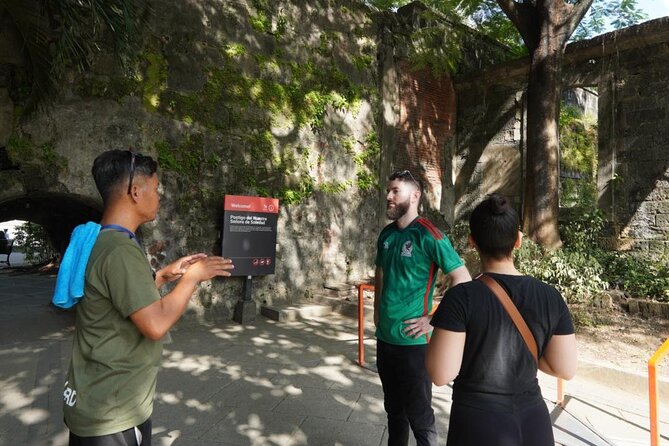
I think the price makes the most sense for three types of visitors.
First, it suits a first-time visitor who wants a quick orientation. You will see three districts with different identities and gain a basic framework for understanding Manila.
Second, it works well for someone on a short schedule. A three-hour tour can fit into a spare morning or afternoon more easily than a full-day excursion. You still get markets, food culture, colonial sites, and local transport.
Third, it is a good choice for solo visitors who want company and context. The account of a private tour with Felix shows that a small booking can sometimes receive very personal attention, though that depends on group size.
The value is weaker if you already know Manila well or mainly want free time for food and photography. The route moves quickly, and you may prefer to spend a whole afternoon in Binondo or Intramuros rather than divide the time between three areas.
The $75 fee covers the guided experience, but Binondo admission is not included. The information does not list extra costs for transport, food, or optional entries, so ask before starting if you want a clear budget.
The practical drawbacks to consider
The biggest issue is time. One hour at each stop sounds neat on paper, but Manila streets, traffic, and conversations can make the schedule feel compressed. You will get an introduction, not a complete tour of each district.
The second issue is comfort. Tondo and Binondo are working neighborhoods, not quiet museum zones. You may encounter crowds, noise, heat, and busy streets. That is part of the appeal, but it is not right for everyone.
The third issue is the changing route experience. The tour description mentions walking, tuk-tuks, and jeepneys through the accounts of the experience, but it does not provide a fixed transport breakdown. Do not book it expecting a guaranteed number of rides or a particular vehicle at every transfer.
Finally, the tour depends on weather. You receive a full refund or a different date if the operator cancels for poor weather, but you do not receive a refund for a late cancellation on your side. Cancel at least 24 hours before the start time for a full refund. Changes within 24 hours are not accepted.
Should you book the Intramuros, Chinatown, and Old Manila tour?
Book it if you want a guided first taste of Manila that goes beyond the usual historic center. The mix of Tondo Market, Binondo, and Intramuros is the real strength. You see daily commerce, Chinese-Filipino culture, and Spanish colonial landmarks in a single compact outing.
I would especially recommend it to first-time visitors, solo visitors, history fans, and curious food lovers who prefer local streets to a purely polished sightseeing route. The high 4.9 rating from 37 reviews and 97 percent recommendation rate support the view that the guiding is consistently well received.
Skip it if you want a slow, highly detailed visit to Intramuros, or if crowded markets and moderate walking sound unpleasant. For those needs, an independent visit with more time may offer better value.
For most short-stay visitors, this is a useful way to get your bearings. Just arrive ready for a fast pace, keep the afternoon flexible, and see the $75 fee as payment for local explanation and route planning, not simply admission to monuments.
FAQ
How long does the Manila tour last?
The experience lasts approximately three hours, with about one hour allocated to each main stop.
Where does the tour start?
The tour starts in Tondo, Manila, in Metro Manila, Philippines.
Where does the tour end?
The tour ends at Fort Santiago in Intramuros, Manila, 1002 Metro Manila, Philippines.
Which places are included in the route?
The route includes Divisoria Market in Tondo, Binondo Chinatown, and Intramuros.
Is admission included?
Admission is listed as free for Divisoria Market and Intramuros. Binondo admission is not included.
How many people can join the tour?
The activity has a maximum group size of 15 people.
What physical condition should I have?
You should have a moderate level of physical fitness because the experience includes walking through market streets and city districts.
Can I cancel for a refund?
Yes. You can cancel at least 24 hours before the start time for a full refund. Cancellations within 24 hours are not refunded, and changes within 24 hours are not accepted. If poor weather causes the operator to cancel, you are offered another date or a full refund.
More Half-Day
- Manila: Intramuros, Chinatown, and Old Manila Half-Day Tour
★ 4.8 · 475 reviews - Discover Tagaytay’s Countryside: Half-Day Sightseeing Tour
★ 4.5 · 207 reviews - From Manila: Tagaytay Countryside Wonders: A Half-Day Tour
★ 4.4 · 187 reviews - Chocolate hills tour with Tarsier & Loboc river Buffet Lunch (half-day tour)
★ 5.0 · 152 reviews
Just added around Luzon
- Pagsanjan Falls Adventure with Lunch and Rapids Experience★ 4.5 · 3 reviews
- Private Airport Transfer Manila to Hotel in Manila or vice versa★ 5.0 · 3 reviews
- The Jeepney & Tuk Tuk Adventure ride with Local Guide★ 4.5 · 4 reviews
- Sagada and Banaue Rice Terraces 4-Day Tour★ 5.0 · 4 reviews
- Manila Food Tour Experience with Local Guide★ 5.0 · 4 reviews
- Mt. Pinatubo Day Tour from Manila★ 5.0 · 4 reviews
- Day Hike: Mount Daraitan plus Tinipak River start point Manila** updated 2022★ 5.0 · 4 reviews
- Manila Social and Political Walk★ 5.0 · 4 reviews
Intramuros Tours, side by side.

Intramuros, Manila: Historical Bamboo Bike Tour
Read the review →
Experience Intramuros with Bamboo Bicycle – Ecotours
Read the review →
Intramuros, Chinatown, and Old Manila Half-Day Tour
Read the review →Manila Old and New: Sightseeing Tour Including Intramuros and Fort Santiago
Read the review →

Explore Intramuros: Introduction to Philippine History
Read the review →Where else this one shows up