
Reviewed · WALKING TOURS
Manila Social and Political Walk
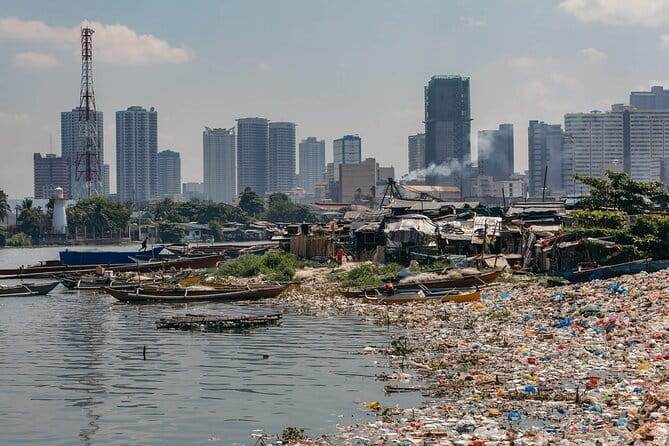
Manila tells two stories at once. This 2.5-hour evening walk uses the city’s polished towers, nightlife streets, riverfront, and surrounding districts to explain how the Philippines developed from its earliest state-building years to present-day political and social life. It is less a sightseeing stroll than a moving documentary, with stops chosen to show the sharp distance between wealth, ambition, struggle, and public policy.
I like the way the route makes those contrasts visible instead of discussing them only in the abstract. I also like the direct, personal approach of Alex, who brings strong knowledge of Manila and clear concern for the people who live there. The main consideration is simple: this is an information-heavy experience about politics and social problems, so it may feel serious if you want a light city walk with only a few historical facts.
In This Review
- Key points about the Manila walk
- Why this walk offers more than ordinary sightseeing
- Starting at Rockwell Center at 6:00 pm
- Stop one: Rockwell Center and the price of progress
- Stop two: Trump Tower at Century City
- Stop three: P. Burgos Street after dark
- Stop four: Poblacion and a changing neighborhood
- Stop five: The Pasig River and the city’s hardest questions
- Stop six: Mandaluyong and the modern city
- Alex’s role in making serious subjects accessible
- Price, group size, and what you receive
- Who should book this Manila experience?
- FAQ
- How long is the Manila Social and Political Walk?
- What time does the walk begin?
- Where is the meeting point?
- Where does the experience end?
- What places are included on the route?
- How much does the experience cost?
- How many people can join the walk?
- Is admission to the stops included?
- Is the walk suitable for most people?
- Can I cancel for a refund?
- Should you book the Manila Social and Political Walk?
Key points about the Manila walk
- A documentary-style route: The guide connects Manila’s modern buildings and neighborhoods to the country’s political and social development.
- Six distinct stops: The walk moves through Rockwell Center, Century City, P. Burgos Street, Poblacion, the Pasig River, and Mandaluyong.
- A close look at contrasts: Luxury residences and business districts are placed beside discussions of inequality, pollution, public life, and urban change.
- An evening start: The walk begins at 6:00 pm, which gives the route a different feel from a daytime sightseeing tour.
- Small enough for discussion: The maximum group size is 30 people, making questions possible without promising a private tour.
- Best for politically curious visitors: You should come ready to listen, ask questions, and form your own view of the Philippines.
Why this walk offers more than ordinary sightseeing
Many Manila tours focus on grand churches, Spanish colonial sites, food, or shopping. This experience takes another road. It uses ordinary urban places, including a café meeting point, a tower, a nightlife street, and a river, as evidence for a larger story about the country.
That approach is useful because social and political ideas can feel distant when they are presented as dates and names. Here, the setting does part of the teaching. A luxury residential tower raises questions about wealth and development. A nightlife district opens discussion about changing city life. The Pasig River points toward public infrastructure, environmental damage, and Manila’s past importance as a trading center.
The walk is also designed to be balanced. The stated aim is not to tell you what political position to adopt. Instead, the guide presents historical and current events, then gives you room to decide how you understand the country. That is a good fit if you want context rather than a sales pitch or a patriotic speech.
The strongest appeal is the chance to look at the Philippines beyond its postcard image. The country’s beaches and clear water are real, but they are only one part of national life. This walk asks you to consider the forces behind the capital’s wealth, pressure, problems, and ambitions.
More walking tours in Luzon:
- Manila’s Walled City: Intramuros Walking Tour
★ 5.0 · 82 reviews - Manila Intramuros Walking tour with Local Tour Guide
★ 5.0 · 33 reviews - Intramuros & Chinatown Manila Tour – Walking, Food & Culture
★ 4.5 · 32 reviews
Starting at Rockwell Center at 6:00 pm
The meeting point is Starbucks One Rockwell on Rockwell Drive in Makati City. The experience begins at 6:00 pm and returns to the same place at the end, so you do not need to plan a separate pickup or figure out a new neighborhood after the walk.
Rockwell Center is an effective opening setting. It is an upscale urban enclave with modern buildings and a carefully planned feel. The first 15 minutes are listed here, though the real value is not the architecture alone. This is where the guide can establish the difference between the city presented to investors and the wider realities of life in Metro Manila.
I would arrive with enough time to locate the exact Starbucks and settle in before the start. Since the walk takes place in the evening, you should also think about the weather. The activity requires good weather, and a cancellation caused by poor conditions leads to a new date or a full refund.
The route is not presented as a strenuous hike. Still, it is a walking activity lasting about two and a half hours. Comfortable footwear and a willingness to remain outdoors will make the evening easier.
Stop one: Rockwell Center and the price of progress
The opening stop at Rockwell Center lasts about 15 minutes. This district gives the guide a clear way to discuss urban development, private investment, and the kind of city modern Manila wants to project.
You can expect the discussion to focus less on checking off a landmark and more on what the area represents. Upscale residential and commercial districts often reveal how a city directs money, space, and services. Rockwell makes those questions easy to see because its polished image is so clear.
This is also a useful place to set the tone. The walk is not asking you to admire wealth without question, nor is it treating prosperity as automatically harmful. Its value comes from showing how success and social pressure can exist in the same city.
The drawback is that anyone hoping to enter a major attraction will not find that here. Admission to the stop is free, but this is an outdoor discussion point, not a museum visit.
Stop two: Trump Tower at Century City
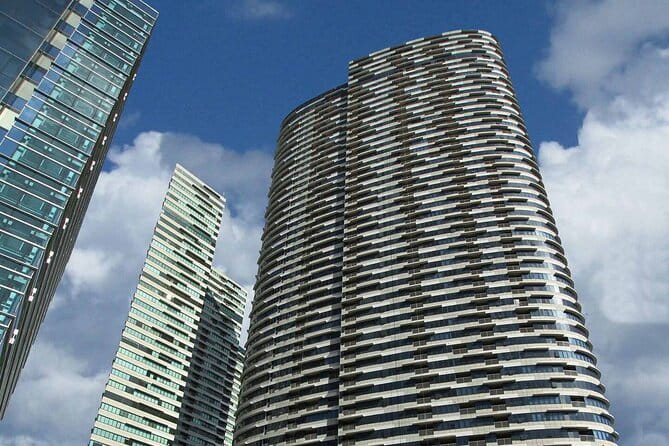
The next stop is Trump Tower at Century City, another 15-minute section of the route. The building is presented as a luxury residential tower and a symbol of opulence in Manila.
This stop gives the conversation a sharper visual focus. A named luxury tower can lead into questions about property, wealth, aspiration, and the way global brands appear in a Philippine city. You are not simply looking at a tall building. You are considering who gets access to this type of housing and what such development says about the direction of the capital.
For me, this is one of the route’s more useful choices because it avoids treating politics as something that happens only in government offices. Housing, real estate, and the public image of a city are political subjects too.
You should not expect a tour of the building itself. The stop is a free exterior visit, and the supplied details do not promise entry, interior access, or a view from above. Keep your expectations focused on explanation and observation.
A few more trips and experiences worth a look
- Manila Old and New: Sightseeing Tour Including Intramuros and Fort Santiago
★ 4.5 · 377 reviews - Manila Filipino Cooking Class: Meryenda Favorites
★ 5.0 · 80 reviews - Batad Guided Tour
★ 5.0 · 78 reviews - Manila Super Saver: Manila Sightseeing plus Tagaytay Tour with Taal Volcano
★ 4.0 · 75 reviews
Stop three: P. Burgos Street after dark
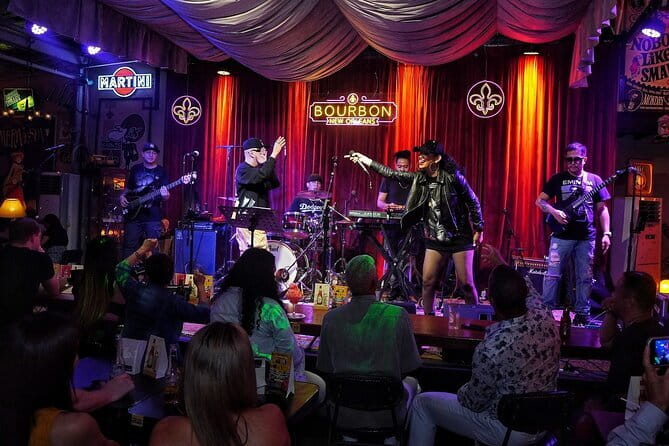
The walk then reaches P. Burgos Street in Makati, known for restaurants, bars, and nightlife venues. The listed stop lasts about 15 minutes, and the change in atmosphere gives the route some welcome variety.
P. Burgos Street helps show Manila as a city of leisure and commerce, not only business towers and public problems. At the same time, nightlife streets raise questions about tourism, local spending, work, safety, and the way different parts of a city are used after office hours.
This is where an evening start matters. At 6:00 pm, you are seeing the city move into its night routine rather than viewing a quiet street during the day. That timing can make the discussion feel more connected to daily urban life.
There is a practical tradeoff. A nightlife area may be noisy or busy, which can make it harder to hear every point. The group can include up to 30 people, so staying close to the guide matters. If you prefer silent streets and uninterrupted historical commentary, this section may be less comfortable.
Stop four: Poblacion and a changing neighborhood
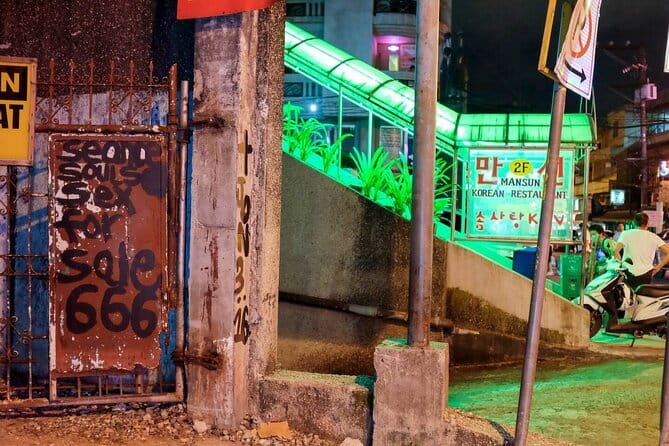
Poblacion provides another look at Manila’s changing city center. The neighborhood combines older character with cafés, street art, and nightlife. The stop is scheduled for about 15 minutes.
Poblacion is valuable because it helps explain how neighborhoods change when new businesses and new visitors arrive. A street can retain traces of its past while gaining new restaurants, creative spaces, and late-night activity. That change can bring energy and income, but it can also raise questions about who benefits and how long local character survives.
The guide’s role is especially important here. Without context, you might simply see an enjoyable neighborhood with good places to eat and drink. With context, you can ask what the area reveals about Manila’s economy, culture, and social divisions.
I would treat this as a listening stop rather than a meal break. There is no food tasting or dining included in the stated plan. If you want to eat in Poblacion, plan that for before or after the activity rather than expecting time for a proper meal during the walk.
Stop five: The Pasig River and the city’s hardest questions
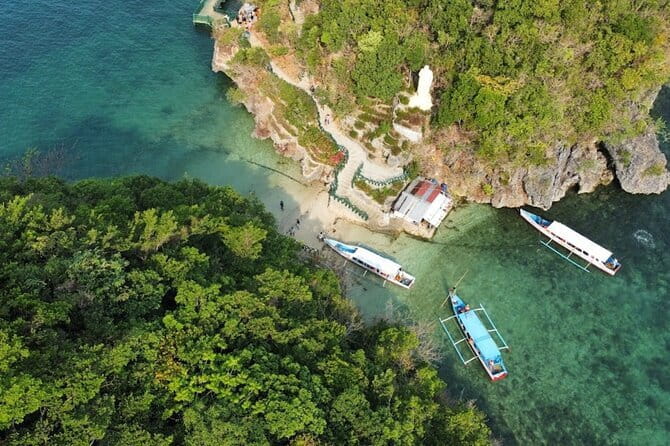
The Pasig River is likely the route’s most powerful setting. It flows through the heart of Manila and once served as a key route for trade and transport. Today, it continues to carry the marks of pollution and neglect while retaining its historical importance.
This stop connects environmental conditions to politics in a direct way. A river is not only a scenic feature. It depends on public planning, enforcement, transport choices, industry, sanitation, and long-term investment. The Pasig River therefore becomes a way to discuss how government decisions affect daily life.
The river also gives the walk a needed historical anchor. The discussion is not only about current problems. It shows why the waterway mattered and how a vital urban artery can lose status or suffer damage over time.
Do not expect a river cruise, a restoration project visit, or a quiet waterfront pause. The experience is a walking discussion, and the listed stop lasts about 15 minutes. The benefit is interpretation. The limitation is that you will receive an overview rather than a full environmental tour.
Stop six: Mandaluyong and the modern city
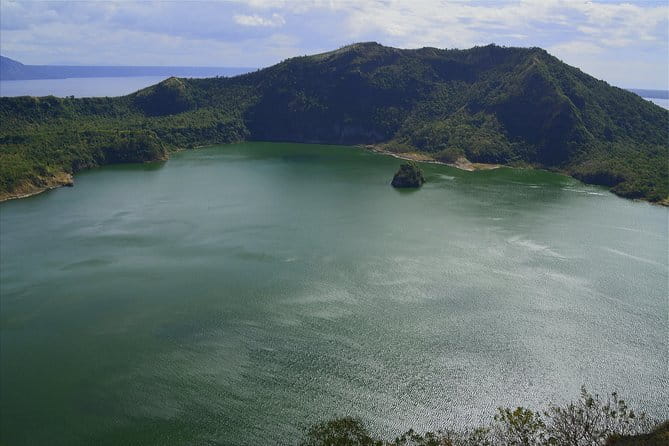
The final listed stop is Mandaluyong, a city within Metro Manila known for tall buildings, business activity, and an energetic urban setting. It also lasts about 15 minutes before the walk returns to the original meeting point.
Mandaluyong helps bring the route back to the present. After seeing luxury development, nightlife, neighborhood change, and the troubled river, you get another view of the capital’s growth. The area represents the pressure to build, work, invest, and expand in a dense metropolitan region.
This final section can help tie together the route’s main idea: Manila cannot be understood through one district or one political story. It is a collection of places with different incomes, uses, histories, and hopes. The walk’s value lies in connecting them.
The itinerary lists six stops of about 15 minutes each, but the total experience lasts roughly 2 hours and 30 minutes. That means the time also includes movement between locations and the guide’s longer explanations. Expect a continuous walk with transitions, not six isolated mini-tours.
Alex’s role in making serious subjects accessible
The guide’s personality matters more than usual on a political walk. Alex is described as passionate about the Philippines and especially about Manila’s contrasts and challenges. That passion appears to be a major reason the experience has earned a perfect rating from four published reviews.
The important distinction is that passion should support balance, not replace it. The tour is intended to address historical and current events from a non-biased point of view. That makes Alex’s enthusiasm useful when it encourages curiosity and questions rather than telling you what to think.
You should come prepared for material that is not usually included on standard city tours. The experience addresses the creation of the Filipino state, modern events, and social challenges that may not appear in a short sightseeing overview. It is aimed at people who want to conduct some first-hand research through observation and conversation.
That phrase, first-hand research, should not be taken to mean academic fieldwork. You are still on a guided urban walk. But you will be encouraged to look closely at the places around you and connect them to larger national issues.
Price, group size, and what you receive
The price is $45.75 per person. For a 2.5-hour experience, that is not the cheapest way to spend an evening in Manila, especially since the stops do not include paid admission, meals, transport, or a major attraction.
The value comes from the guide’s interpretation. You are paying for a focused conversation and a carefully chosen route, not entrance tickets. If you would otherwise spend the evening walking through Makati and Poblacion without understanding the social meaning of what you see, the price can be reasonable.
A maximum of 30 people keeps this from being an intimate private walk. Still, it is small enough to allow a shared discussion, provided the group remains attentive and the guide can be heard in louder areas. If you want a private political briefing, you should ask Planetwonk if a different arrangement is possible.
The mobile ticket is practical, and confirmation is provided when you book. Most people can participate, but the experience requires good weather and a minimum number of participants. If the minimum is not reached, you are offered another date or experience, or a full refund.
Free cancellation is available up to 24 hours before the start time. Cancellations or changes made inside that period are not refunded or accepted, so keep the local cut-off time in mind.
Who should book this Manila experience?
I would recommend this walk to you if you enjoy asking why a city looks and functions as it does. It is especially suited to people with a genuine interest in politics, state formation, urban development, inequality, environmental issues, and current Philippine affairs.
It can also work well early in a Manila visit. The route may give you a framework for understanding the districts you later visit on your own. You might see a luxury tower, a nightlife street, or the Pasig River differently after hearing the questions attached to each place.
I would be more cautious about recommending it to children or anyone who wants a relaxed evening of food, photos, and easy historical facts. The tour deals with shadows as well as bright spots. It asks you to pay attention for a sustained period, and the information may feel dense.
The perfect rating is based on only four reviews, so I would treat it as encouraging rather than final proof. The strongest praise concerns the guide’s passion, the unusual route, and the amount of social and historical material. Those are precisely the qualities that will matter most to the right audience.
FAQ
How long is the Manila Social and Political Walk?
The experience lasts approximately 2 hours and 30 minutes.
What time does the walk begin?
The walk starts at 6:00 pm.
Where is the meeting point?
The meeting point is Starbucks One Rockwell on Rockwell Drive in Makati City, Metro Manila.
Where does the experience end?
The walk ends back at the same meeting point.
What places are included on the route?
The route includes Rockwell Center, Trump Tower at Century City, P. Burgos Street, Poblacion, the Pasig River, and Mandaluyong.
How much does the experience cost?
The listed price is $45.75 per person.
How many people can join the walk?
The activity has a maximum group size of 30 people.
Is admission to the stops included?
The listed stops have free admission. The experience is primarily an outdoor walking and storytelling activity.
Is the walk suitable for most people?
Most people can participate, according to the activity information. The experience does require good weather.
Can I cancel for a refund?
Yes. You can cancel at least 24 hours before the start time for a full refund. Cancellations or changes made less than 24 hours before the start time are not refunded or accepted.
Should you book the Manila Social and Political Walk?
Book it if you want Manila explained through its contrasts rather than reduced to attractions. The route gives you luxury buildings, nightlife streets, a changing neighborhood, a troubled river, and a modern business district, then connects those places to the Philippines’ political and social story.
I especially like that the walk does not pretend the country is only paradise, and it does not present its problems without acknowledging progress and ambition. With Alex’s passionate approach, a 6:00 pm start, and a return to Rockwell after about two and a half hours, it offers a focused way to think about Manila.
Skip it if you want a casual stroll or a tour built around major admission sites. Choose it if you want serious conversation, unusual urban viewpoints, and enough context to form your own opinion about the Philippines.
Just added around Luzon
- Pagsanjan Falls Adventure with Lunch and Rapids Experience★ 4.5 · 3 reviews
- Private Airport Transfer Manila to Hotel in Manila or vice versa★ 5.0 · 3 reviews
- The Jeepney & Tuk Tuk Adventure ride with Local Guide★ 4.5 · 4 reviews
- Sagada and Banaue Rice Terraces 4-Day Tour★ 5.0 · 4 reviews
- Manila Food Tour Experience with Local Guide★ 5.0 · 4 reviews
- Mt. Pinatubo Day Tour from Manila★ 5.0 · 4 reviews
- Day Hike: Mount Daraitan plus Tinipak River start point Manila** updated 2022★ 5.0 · 4 reviews
- The Oldest Chinatown in Manila with Local Guide★ 5.0 · 4 reviews
Walking Tours, side by side.
Street Food and Drinks Walking Tour with Tastings
Read the review →

The Original Cebu City Historical and Food Walking Tour
Read the review →
Intramuros Walking Tour with Transportation by Don’t Skip Manila
Read the review →
Manila Intramuros Walking tour with Local Tour Guide
Read the review →Where else this one shows up