
Reviewed · INTRAMUROS TOURS
Manila: Intramuros Walking Tour.
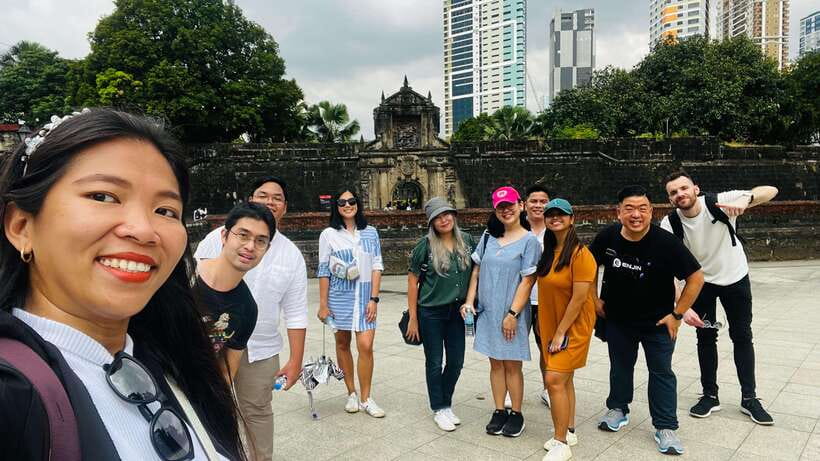
History gets personal inside these walls. This small-group walk through Intramuros connects Spanish colonial buildings, wartime loss, and Filipino family stories in a way that makes Manila easier to understand. I like the clear route, which covers Fort Santiago, Manila Cathedral, San Agustin Church, and Casa Manila without wasting time. I also like the local touch: a short ride on a three-wheeled Lamborghini bike and a Filipino halo-halo stop.
The main drawback is the price. At $54 per person, this costs more than a basic free walking tour, and the advertised two and a half to three hours may feel short for such a large subject. Casa Manila and San Agustin Church are also closed on Mondays, so check your date before booking.
In This Review
- Key Points To Know Before You Book
- Why Intramuros Makes a Good First Look at Manila
- Meeting at Figaro Cafe and Getting the Story First
- Fort Santiago: The Tour’s Heaviest Stop
- Manila Cathedral and the Catholic Story
- San Agustin Church, the Sole Survivor
- Casa Manila and a Spanish Colonial Home
- The Three-Wheeled Lamborghini Bike
- Halo-Halo: A Sweet Finish
- Guide Quality and the Small-Group Advantage
- Is $54 a Fair Price?
- Who Will Enjoy This Tour Most?
- What To Bring for a Comfortable Walk
- Should You Book the Intramuros Walking Tour?
- FAQ
- Where does the Intramuros tour meet?
- How long does the tour last?
- What language is the tour offered in?
- What does the $54 price include?
- Is hotel pickup or drop-off included?
- What sights are visited?
- Are Casa Manila and San Agustin Church open every day?
- Is the tour suitable for wheelchair users?
Key Points To Know Before You Book
- The tour tackles both glory and tragedy: You hear about Spanish rule, Filipino culture, and the Battle of Manila rather than seeing only pretty colonial facades.
- Local guides make the difference: Mari, Tess, Tessie, Miri, Maria, and Victor are praised for clear explanations, warmth, humor, and personal stories.
- Four major sights are included: Fort Santiago, Manila Cathedral, San Agustin Church, and Casa Manila form the backbone of the route.
- The Lamborghini bike is brief and easy: It is a three-wheeled pedal bike, but someone else can do the pedaling for you.
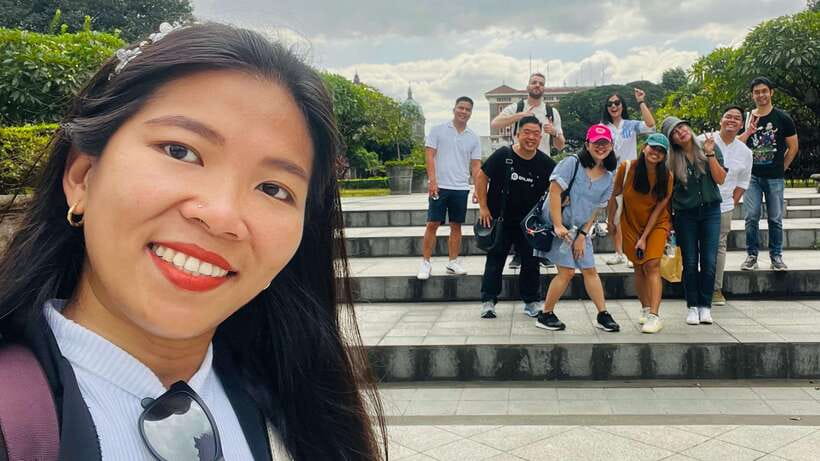
- The group is limited to 10 people: That gives you a better chance to ask questions and hear the guide.
- Plan for heat and uneven walking: Comfortable shoes, sun protection, water, and modest clothing for church visits are important.
Why Intramuros Makes a Good First Look at Manila
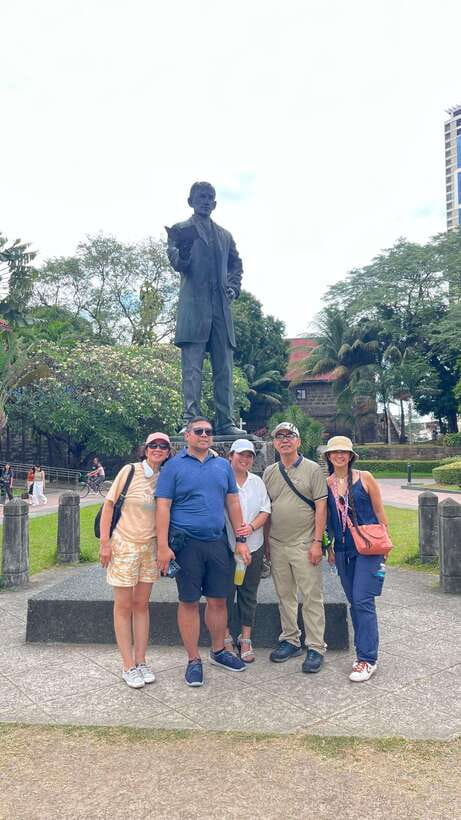
Intramuros means within the walls, and that is the basic idea behind this old Spanish-built district. The fortified area offers a compact way to see several layers of Philippine history in one outing.
You will not get a full account of every period in the country’s past in three hours. You will get a useful framework: Spanish colonial rule, Catholic influence, Filipino customs, wartime destruction, and the changes that shaped modern Manila.
That framework is the tour’s greatest value. Instead of looking at a church or stone wall as an isolated sight, you learn why it matters and what happened around it. The guide also connects formal history with everyday Filipino life, which keeps the walk from becoming a dry list of dates.
The darkest part of the story concerns the Battle of Manila and the damage that took place within Intramuros. The experience does not treat the district as a preserved theme park. It gives space to the suffering and loss that shaped the area, while still showing why the surviving buildings matter.
If you are visiting Manila on a cruise stop or a long airport layover, this is a practical introduction. Several people have used the tour during short stays and found it useful for getting their bearings. I would still leave extra time after the tour if you need to catch a flight. One past booking ran shorter than expected, while another visitor suggested allowing as much as three and a half hours to avoid rushing.
More ways to see Intramuros:
- Intramuros, Manila: Historical Bamboo Bike Tour
★ 4.8 · 583 reviews - Experience Intramuros with Bamboo Bicycle – Ecotours
★ 5.0 · 508 reviews - Manila: Intramuros, Chinatown, and Old Manila Half-Day Tour
★ 4.8 · 475 reviews
Meeting at Figaro Cafe and Getting the Story First
You meet your English-speaking guide at Figaro Cafe in Intramuros. Arrive 10 to 15 minutes early. This is more than a minor courtesy, since the walk begins from a fixed point and late arrivals can make the opening explanation harder to follow.
A strong feature of the experience is the historical introduction before the main walk. Guides have used this opening to explain the wider story of the Philippines first, then connect that information to the buildings in front of you.
I like this approach. You are less likely to spend the afternoon wondering who built what and why it matters. The early explanation also gives you a way to place Spanish architecture, Catholic institutions, and wartime events in the same story.
Mari has been especially praised for making this introduction clear and entertaining. One local participant even found new information about the country’s past, which says something about the level of detail. Tess has also been singled out for adding family stories and personal feelings as a Filipino guide.
The tone is not purely academic. You can ask questions, and the guides are described as patient when visitors need a point repeated. That matters in a historical tour, where unfamiliar names and dates can pile up quickly.
Fort Santiago: The Tour’s Heaviest Stop
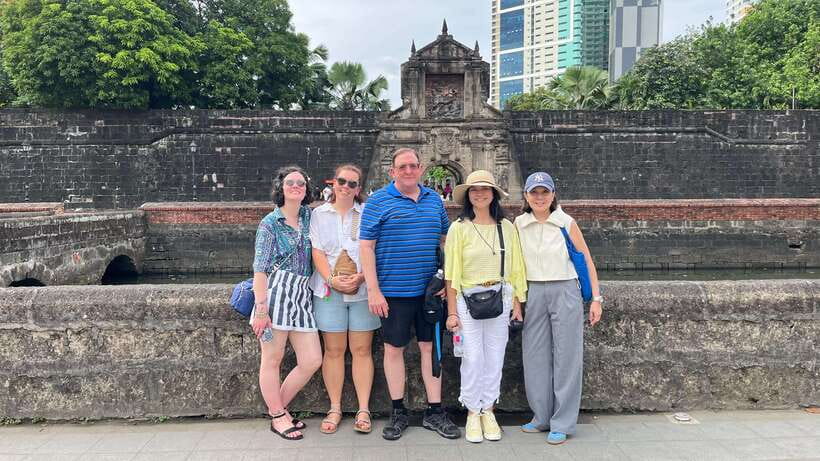
Fort Santiago is the main historical anchor. Built by the Spanish, it represents the military power of colonial Manila and introduces the fortified character of Intramuros.
The guide focuses not only on the fort’s construction but also on the events that took place inside and around Intramuros over centuries. The material includes both the district’s major achievements and its painful chapters, especially the Battle of Manila and what followed.
This is where the tour’s serious tone becomes clear. If you want only cheerful sightseeing, the wartime history may feel heavy. I think that weight is necessary. The walls are easier to understand when you know they witnessed confinement, conflict, and destruction, not just colonial pageantry.
The guide’s storytelling style can shape this stop more than the building itself. Tess, Mari, Victor, and other guides have been praised for explaining events in plain English and answering questions without rushing. Tessie has also been credited with following an intuitive route that gives visitors a useful sense of where to go after the tour.
You should expect walking rather than a museum-style visit with long periods indoors. Bring a hat, sunscreen, sunglasses, and water. Manila’s heat can make even a modest route feel longer, especially if you are arriving after a flight or spending the day outdoors.
Manila Cathedral and the Catholic Story
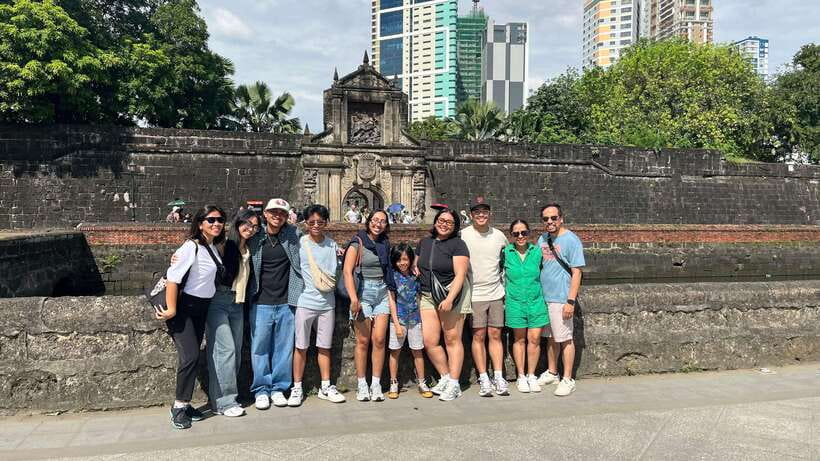
Manila Cathedral adds the religious side of Intramuros. Its inclusion helps explain the lasting Spanish Catholic influence on Filipino culture.
The church is not just another photo stop. It gives the guide a place to discuss how religion, colonial government, architecture, and daily life were tied together. You will see how the district’s identity was shaped by more than fortifications and military control.
The tour includes a visit to the cathedral, but the information provided does not promise a long interior visit or a special service. Treat it as one part of a walking route rather than a private church experience.
Wear clothing that covers your shoulders. The guidance asks visitors to dress modestly and comfortably inside the churches. This is easy to manage and shows respect for the place of worship.
The cathedral also helps vary the pace. After the military and wartime focus at Fort Santiago, the religious setting gives you another way to consider the district’s past. Your guide can explain the connection between the buildings instead of leaving you to piece it together alone.
More walking tours in Manila:
- Manila: Street Food and Drinks Walking Tour with Tastings
★ 4.8 · 114 reviews - Viva Old Manila: Intramuros Walking Tour
★ 4.9 · 104 reviews - Manila’s Walled City: Intramuros Walking Tour
★ 5.0 · 82 reviews - Manila: Sightseeing and Food Walking Tour with Tastings
★ 4.7 · 68 reviews
San Agustin Church, the Sole Survivor
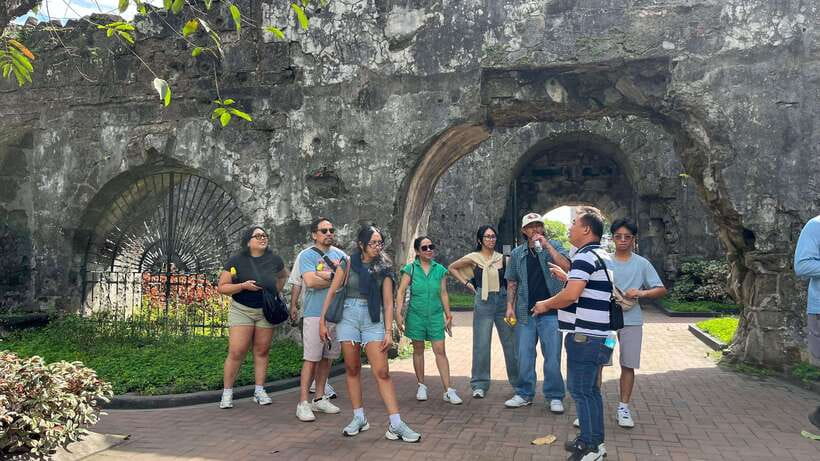
San Agustin Church is one of the tour’s most important stops. It is described as the only church remaining among the seven churches of Intramuros built beyond 1571.
That fact gives the visit real weight. You are not simply looking at an old religious building. You are seeing a survivor of a much larger church presence that no longer exists in the same form.
The church also offers a useful contrast with the damage and loss discussed at Fort Santiago. The tour’s wider message becomes clearer here: Intramuros has been repeatedly changed by colonial rule, war, and reconstruction, yet pieces of the earlier district remain.
Monday is the key scheduling issue. San Agustin Church is closed on Mondays, so the standard route cannot provide the same visit on that day. Casa Manila is also closed Monday, making that day a poor choice if your main goal is to see the full advertised set of sights.
The church requires modest dress, so keep your shoulders covered. Comfortable clothing is still wise, since this is part of a walking tour rather than a short ride between sights.
Casa Manila and a Spanish Colonial Home
Casa Manila is a replica of a Spanish colonial mansion. Its appeal is different from Fort Santiago and San Agustin Church. Instead of focusing on military power or religious life, it gives you a picture of colonial domestic culture.
A replica is not the same as an untouched original, and that is worth keeping in mind. Still, the house helps make the social side of the period easier to picture. Rooms, furnishings, and household details can explain how colonial influence reached beyond public buildings.
Several visitors have especially enjoyed the Spanish architecture and the way the guide connects it to Philippine history. Mari is praised for showing old images and comparing past scenes with what you can see today. That kind of visual context is helpful when a district has been rebuilt, altered, or damaged over time.
Casa Manila is closed on Mondays. If the mansion is high on your list, book Tuesday through Sunday and confirm the starting time when you reserve.
The Three-Wheeled Lamborghini Bike
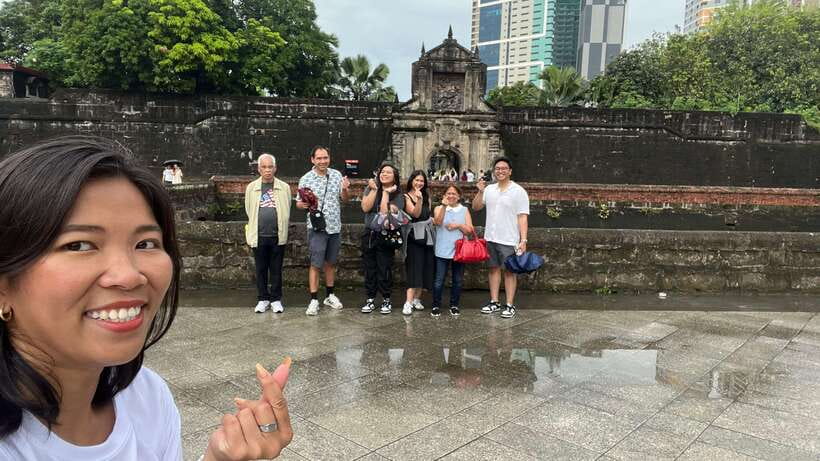
The tour includes a short experience on what is called a Lamborghini bike. The description explains that this is a three-wheeled pedal bike, not a luxury sports car, so adjust your expectations accordingly.
You do not need to pedal. Someone can do it for you, making this an easy and playful change of pace during the walk. It appears to function as a short local transport experience, with one past booking specifically mentioning transport from Fort Santiago toward San Agustin Church.
This is not a long cycling excursion. If you want an active bike tour or an extended ride through Manila, this will not meet that need. If you simply want to try a distinctly local form of transport and get a fun photo, it adds something memorable to the day.
The bike also gives the route a Filipino feel. The experience is not limited to looking at colonial buildings through a visitor’s lens. You get a small taste of how people move around the historic district today.
Halo-Halo: A Sweet Finish
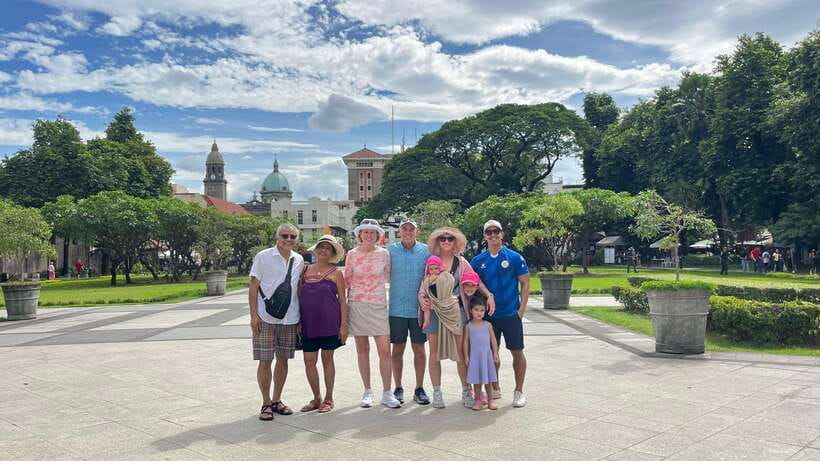
The recommended final treat is halo-halo, a well-known Filipino dessert. It is a sensible ending after several hours in the heat, especially if you enjoy cold and sweet refreshments.
The dessert is guest-provided, so it is not part of the included $54 price. One visitor called the final stop a highlight, and another appreciated ending with an authentic Filipino specialty.
I like that the food suggestion is simple rather than overproduced. You are not being promised a full meal or a formal food tour. You are getting one local taste that adds a cultural note to the historical walk.
If you have dietary concerns, the available information does not list the dessert’s ingredients or substitutions. Ask your guide before ordering if that matters to you.
Guide Quality and the Small-Group Advantage
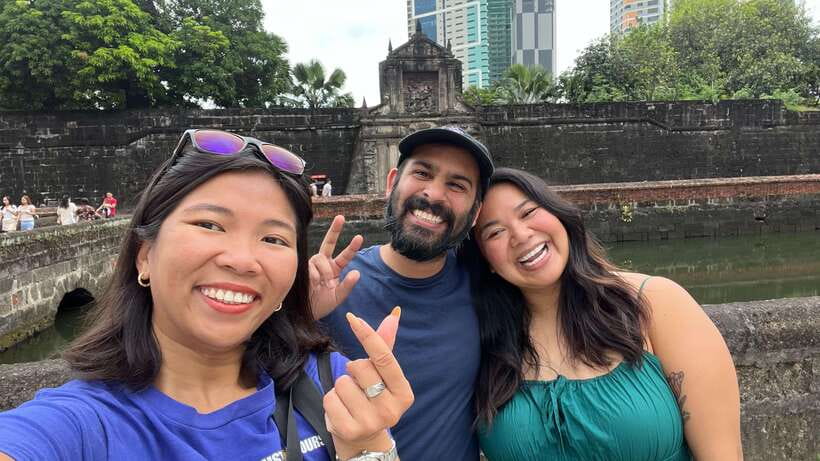
The strongest pattern in the feedback is the guide service. Mari is repeatedly praised for her warmth, humor, photography, and ability to explain the country’s past. Tess is noted for personal stories and patience. Tessie receives praise for her route planning and detailed answers, while Miri and Victor are described as enthusiastic and well-informed.
Those details matter because Intramuros can be visually impressive but historically dense. A good guide turns scattered buildings into a connected story. The best guides also help you feel comfortable asking questions, taking photos, and slowing down when a subject needs more explanation.
The group limit is 10 people. That is small enough for a more personal experience, though the actual number may be lower. Several bookings have ended up as private or nearly private tours, but you should not book assuming that will happen.
Guides have also helped with practical matters at the end of the tour, including finding a taxi or booking a Grab. This is useful if you are alone or heading to the airport, but pickup and drop-off are not included. You arrange your own way to Figaro Cafe and your own transport afterward.
Is $54 a Fair Price?
At $54 per person, this is not the cheapest way to see Intramuros. The price includes a live English-speaking guide, entrance fees, the Lamborghini bike experience, and a bottle of water.
The value depends on what you want from the visit. If you only need exterior photos, you can spend less by walking around independently. If you want the background explained, entry handled, photos taken, and a local perspective added, the price becomes easier to justify.
The reviews suggest that the guides often make the difference. Mari has taken photos throughout the route and shared them afterward for some visitors. She has also helped solo visitors feel at ease and offered suggestions for other places to see in Manila.
Still, the time limit is worth considering. You are covering several major sights and a long span of history in two and a half to three hours. One person found the tour shorter than expected, while another felt it needed extra time to avoid catching a flight in a rush.
I would see this as a good-value orientation tour, not a slow museum day. You pay for structure, interpretation, entry fees, and local help. You do not pay for hotel pickup, drop-off, or the halo-halo.
Who Will Enjoy This Tour Most?
I would recommend it to first-time visitors who want a clear introduction to Manila. It also fits solo visitors, cruise passengers, and people with a long layover who want more than a quick photo stop.
You will get the most from it if you enjoy history, architecture, Filipino culture, and honest discussion of difficult events. The route includes walking in the heat, so you should be comfortable on your feet and ready for outdoor conditions.
Families and older visitors may appreciate the small group and the fact that someone else pedals the three-wheeled bike. However, the activity is not suitable for wheelchair users, and the walking format may not suit anyone who needs a fully step-free route.
Monday is the least useful day to book because both Casa Manila and San Agustin Church are closed. Choose another day if those stops matter to you.
What To Bring for a Comfortable Walk
Wear comfortable shoes and light, comfortable clothes. Add sunglasses, a sun hat, sunscreen, and water, even though one bottle is included.
Keep your shoulders covered for the church visits. Arriving 10 to 15 minutes early at Figaro Cafe gives you time to find the guide without starting the tour in a hurry.
The activity offers free cancellation up to 24 hours before the start time, and you can reserve now and pay later. Those terms are useful if your Manila plans may change, especially around a flight or cruise schedule.
Should You Book the Intramuros Walking Tour?
Book it if you want history with a human voice, not just a list of colonial buildings. The route covers the essential Intramuros sights, and the strongest guides add Filipino family stories, practical help, humor, and plenty of patience.
Skip it if you want a very slow visit, a long bike ride, or the lowest possible price. You should also choose another date if Monday is your only option or if you need wheelchair access.
For most first-time visitors, the tour is a smart way to understand why Intramuros matters. Just protect your time, arrive prepared for the heat, and leave room in your schedule for a halo-halo and whatever you discover next.
FAQ
Where does the Intramuros tour meet?
You meet your guide at Figaro Cafe in Intramuros.
How long does the tour last?
The stated duration is two and a half to three hours. Some visits may finish sooner, so allow extra time if you have a flight or another fixed appointment.
What language is the tour offered in?
The live tour guide speaks English.
What does the $54 price include?
The price includes a live guide, the Lamborghini bike experience, entrance fees, and a water bottle.
Is hotel pickup or drop-off included?
No. Pickup and drop-off are not included. You must make your own way to Figaro Cafe and arrange transport after the tour.
What sights are visited?
The tour visits Fort Santiago, Manila Cathedral, Casa Manila, and San Agustin Church.
Are Casa Manila and San Agustin Church open every day?
No. Both Casa Manila and San Agustin Church are closed on Mondays.
Is the tour suitable for wheelchair users?
No. The activity is not suitable for wheelchair users.
Just added around Manila
- Embark on a 7-Day Banaue-Sagada Adventure of a Lifetime★ 5.0 · 3 reviews
- Philippines Intro 3 days 2 nights Tour Best of Manila and Beyond★ 5.0 · 3 reviews
- Pagsanjan Falls Adventure with Lunch and Rapids Experience★ 4.5 · 3 reviews
- Manila: Intramuros Tour ( Dark)★ 4.7 · 3 reviews
- Manila: Intramuros Heritage Tour★ 4.2 · 3 reviews
- From Manila: Philippines Private Tour Guide★ 4.1 · 3 reviews
- Discover the Real Manila with a Local Guide★ 5.0 · 3 reviews
- MANILA: HISTORICAL KALESA RIDE TOUR EXPERIENCE IN INTRAMUROS★ 4.0 · 3 reviews
Intramuros Tours, side by side.

Intramuros, Manila: Historical Bamboo Bike Tour
Read the review →
Experience Intramuros with Bamboo Bicycle – Ecotours
Read the review →
Intramuros, Chinatown, and Old Manila Half-Day Tour
Read the review →Manila Old and New: Sightseeing Tour Including Intramuros and Fort Santiago
Read the review →


Explore Intramuros: Introduction to Philippine History
Read the review →Where else this one shows up