
Reviewed · FOOD & DRINK
Manila Food Tour Experience with Local Guide
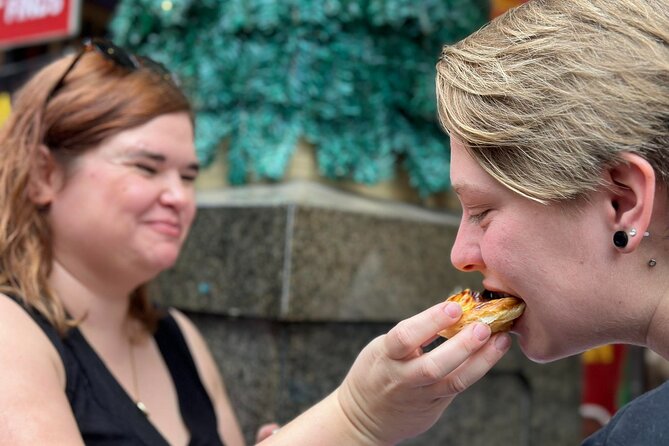
Manila tastes best on foot. This two-hour food walk links Tondo and Binondo, pairing 6 to 10 tastings with local streets, markets, and food stalls. I like the wide range, from kwek kwek and adobo to biko, siopao, dumplings, and halo-halo. I also like the personal scale, with a group limit listed between 8 and 12 people, depending on the booking detail you see.
The main consideration is that the exact food selection depends on what is available that day. You should also confirm the group size, meeting details, and what is included before paying $70, since the information gives two different maximums and does not spell out every tasting or drink.
In This Review
- Key points at a glance
- What the Manila food walk is really like
- Tondo: Filipino food where daily life happens
- Binondo: Chinese-Filipino flavors in the world’s oldest Chinatown
- Why the guide matters more than the menu
- Six to 10 tastings, and what that means
- The $70 price: a fair deal for the right person
- Small group size and the solo visitor advantage
- Practical planning before you meet in Tondo
- Who should book this Manila food tour?
- Should you book the Manila Food Tour Experience?
- FAQ
- How long does the Manila Food Tour Experience last?
- Where does the tour start?
- Where does the tour end?
- How many food tastings are included?
- What foods might be included?
- How many people can join the tour?
- Is this tour suitable for solo participants?
- What is the cancellation policy?
Key points at a glance
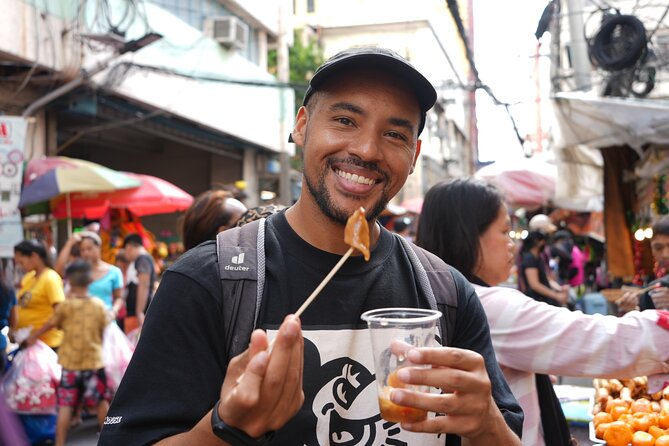
- Six to 10 food tastings: You get a broad introduction to Filipino and Chinese-Filipino food rather than one large restaurant meal.
- Tondo and Binondo in two hours: The route connects a local Manila food district with the world’s oldest Chinatown.
- Guide V, also called Venus: Her warm manner, city knowledge, navigation, and photo-taking receive especially strong praise.
- Good for solo visitors: A booking for one person may become a private walk, depending on demand.
- Street food changes daily: Kwek kwek, halo-halo, adobo, biko, siopao, and dumplings are examples, not a guaranteed menu.
- $70 is a premium price: The value depends on how many tastings you receive and how much local guidance you want.
What the Manila food walk is really like
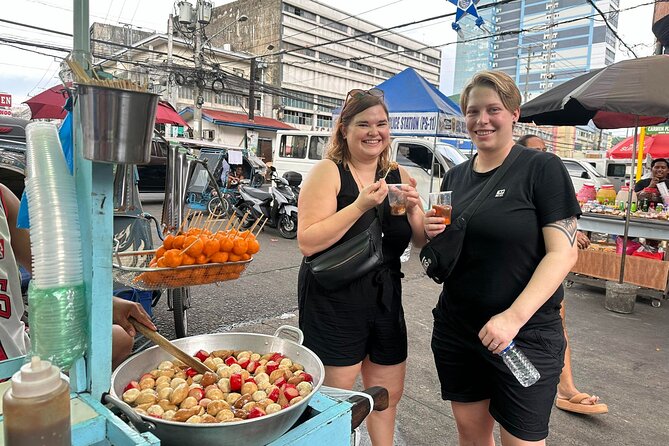
This is not a polished restaurant crawl. It is a short, close-up look at Manila through the food people buy and eat in Tondo and Binondo. You move between food stalls, markets, and neighborhood streets, trying small portions while your guide explains what you are eating and helps you navigate.
The format works well if you are new to Filipino food. Instead of ordering one unfamiliar dish and hoping for the best, you can sample several styles in one outing. A savory bite may be followed by something sticky, sweet, fried, or chilled.
The tour promises between six and ten tastings. That is a useful range, but it also tells you that the experience is flexible. The final selection depends on street availability, so I would not book this expecting a fixed tasting menu. If one stall is closed or one item is unavailable, the route may change.
With two hours split between two areas, expect a brisk pace. You will have time to eat and look around, but this is not a long historical walking tour with extended stops. Its strength is variety and local access.
More Food Tours in Manila
- Makati Street Food Experience end with a Rooftop Bar
★ 5.0 · 33 reviews - Intramuros & Chinatown Manila Tour – Walking, Food & Culture
★ 4.5 · 32 reviews - Manila Chinatown Food Tour Experience
★ 5.0 · 20 reviews
Tondo: Filipino food where daily life happens
The first hour takes place in Tondo, with the meeting point in Tondo, Manila. The area is presented as a place to try traditional Filipino food among local markets and street stalls. This makes it a strong opening chapter because you begin with familiar national dishes and everyday snacks before moving into Binondo’s Chinese-Filipino food traditions.
Possible tastes include savory adobo and sweet, sticky biko. Kwek kwek may also appear, along with other street foods based on what is being sold that day. These foods give you useful contrasts: meat and rice, crisp coatings, sweet rice desserts, and small snacks meant to be eaten casually.
I like this part of the route because it puts Filipino food in context. Adobo is not just a dish to photograph. It represents the savory, comforting side of the country’s cooking. Biko shows how rice also becomes dessert, with a soft and sticky texture rather than a plain side dish.
Tondo can also be the more challenging part for a first-time visitor. The route is built around local streets rather than a controlled dining room, and the setting may feel crowded or unfamiliar. That is exactly why a guide matters. One participant specifically praised V for handling Manila’s streets and finding places that would be difficult to locate alone.
The tour information gives Tondo one hour, with no separate admission charge listed. You should treat that as a guided neighborhood walk with tastings, not as entry to a paid attraction. The food is the main event.
Binondo: Chinese-Filipino flavors in the world’s oldest Chinatown
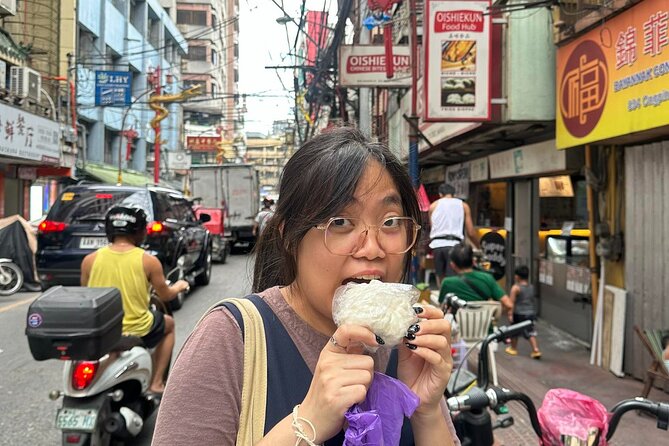
The second hour continues to Binondo, known as the world’s oldest Chinatown. Here, the food shifts toward the Chinese-Filipino side of Manila, with examples including siopao and dumplings.
This change in style is one of the best reasons to choose this tour. You are not only sampling Filipino street food. You are also seeing how Chinese cooking traditions became part of Manila’s food culture. Noodle houses, tea shops, bakeries, and other food businesses line the historic streets, creating a different mood from Tondo.
Siopao offers a soft steamed bun with a savory filling. Dumplings provide another small, easy-to-share taste. The point is not to compare every dish in detail, but to notice how the city’s food culture crosses borders and blends at street level.
Binondo is also a good place to ask questions. If you are unsure how to eat something, what a filling contains, or how a dish differs from a Filipino version, ask your guide before taking a bite. The small-group format should make that easier than a large coach tour.
The Binondo portion is also listed as one hour. No paid admission is specified for the food walk, although the itinerary notes that admission is not included. I would clarify this with the provider if you are concerned about extra costs, especially if you want to purchase additional food beyond the included tastings.
Why the guide matters more than the menu
The food list is appealing, but I think the guide is the real reason to consider this experience. Tondo and Binondo can be difficult to understand quickly if you are seeing them for the first time. A local guide can help you move through the streets, choose suitable bites, and explain why a dish matters.
Guide V, also identified as Venus, has been praised for being easy to talk with, enthusiastic, and reassuring. Her ability to navigate Manila is especially useful because the route includes places that are not obvious tourist stops. She is also noted for taking good photos, which is a small but welcome bonus for solo visitors.
I would not assume V or Venus will lead every departure. Guide assignments can vary, so confirm if a particular guide is important to you. Still, the consistently warm feedback about her gives the tour a personal quality that a standard food checklist cannot provide.
The guide also helps with confidence. Filipino street food can include unfamiliar textures and ingredients. You do not need to arrive as an expert. You only need enough curiosity to try small portions and ask questions.
More food tours:
- Makati Street Food tour Experience
★ 5.0 · 16 reviews - Binondo Bites Manila Food Tour with 15+ Tastings
★ 5.0 · 5 reviews - Manila Food Tour: Introduction to Philippine Street Food
★ 5.0 · 417 reviews - Boracay Sunset Cruise with Party DJ & Unlimited Food and Drinks
★ 5.0 · 211 reviews
Six to 10 tastings, and what that means
Six to ten tastings sounds generous for two hours. In practice, the value depends on portion size, the exact food selected, and whether drinks are included. The available information does not provide a fixed menu or promise beverages.
You might begin with savory street food, continue with a traditional Filipino dish, then finish with a sweet such as halo-halo or biko. Halo-halo is especially useful as a final taste because it offers a cold, colorful dessert after several savory samples. Still, its availability is not guaranteed.
I would plan this as a substantial tasting walk rather than a certain full lunch or dinner. If you have a large appetite, you may want to budget for extra food in Binondo. If you prefer trying many small bites, the format should suit you well.
The changing menu is both a strength and a weakness. It keeps the experience tied to the actual food scene on the day of your visit. It also means you should not book it solely because you want one particular item. Ask the guide at the start what is available and mention any dietary needs immediately.
The $70 price: a fair deal for the right person
At $70 per person, this is not the cheapest way to eat in Manila. You can buy individual street-food items for far less. The price pays for more than the food itself: it includes a guided route through two districts, help with navigation, local interpretation, and the chance to find food you might otherwise pass by.
The tour becomes better value if you are visiting Manila briefly, feel uncertain about where to eat, or want a local introduction without spending half a day planning. It also makes sense for solo visitors who want company and an easier way to enter unfamiliar neighborhoods.
The value is less clear if you already know Tondo and Binondo well, speak comfortably with vendors, or mainly want a large inexpensive meal. In that case, the two-hour format and premium price may feel out of balance.
The booking pattern, with reservations often made about 59 days ahead, suggests you should not leave it until the last minute if your schedule is fixed. That does not guarantee every date sells out, but it is a useful planning signal.
Small group size and the solo visitor advantage
The experience is designed to feel intimate. One part of the information lists a maximum of 12 participants, while another gives a maximum of 8. Because those details conflict, I would confirm the actual cap before booking.
Either number is much better suited to street food than a large group. A smaller party can gather around a stall, hear the guide, and move through narrow streets with less fuss. It also gives you more chances to ask about ingredients and local customs.
Solo visitors may find the format particularly appealing. One person who booked alone ended up with a private experience, although that outcome depends on demand and cannot be promised. If you do travel alone, the guide’s route planning and relaxed conversation can make the afternoon feel easier and more social.
Couples and small groups should also fit naturally. Families may enjoy the variety, but parents should decide whether their children are comfortable trying unfamiliar food in a street setting. The available information says most participants can take part, but it does not give specific age or dietary rules.
Practical planning before you meet in Tondo
Your starting point is Tondo, and the walk ends back at the meeting point. The supplied details do not describe hotel pickup, private transport, or transfers between Tondo and Binondo, so plan on the activity itself being a guided walking experience unless the provider tells you otherwise.
Because the tour lasts about two hours, arrive ready to begin on time. The route is compact in duration but full in food stops, and a late arrival could mean missing part of the first hour.
Use the mobile ticket provided with your booking. Confirmation is sent when you book, which makes the experience simple to organize on a phone. I would save the meeting instructions before leaving your hotel, particularly if your mobile connection may be unreliable.
Wear practical walking shoes and bring a little patience. This advice is not about comfort alone. Street food stops work best when you can move easily, wait briefly, and keep up with the group.
The provider offers free cancellation if you cancel at least 24 hours before the local start time. Changes or cancellations inside that window are not accepted for a refund, so check the local time carefully.
Who should book this Manila food tour?
I would choose this experience if you want an organized first taste of Manila and prefer local food stalls to formal dining. It is also a good match if you want to try Filipino food but would rather have a guide explain each bite.
It suits:
- Solo visitors who want a friendly local guide
- First-time visitors to Manila
- Food enthusiasts who prefer variety over one large meal
- People interested in both Filipino and Chinese-Filipino cooking
- Anyone who wants a short activity that fits around a busy itinerary
I would think twice if you need a fixed menu, guaranteed access to a specific dish, or a clearly defined accessibility plan. The food changes with availability, and the provided details do not explain terrain, seating, dietary substitutions, or restroom access.
You should also confirm the group cap and inclusions before booking. The difference between a maximum of 8 and a maximum of 12 is not huge, but it matters if you are paying for a personal small-group experience.
Should you book the Manila Food Tour Experience?
I would book it if you see food as a way to understand Manila, not just a way to fill an hour. Tondo gives you Filipino favorites and street snacks, while Binondo adds Chinese-Filipino flavors, bakeries, tea shops, and historic city streets.
The strongest reason to go is the combination of local guidance and variety. The guide can help you find food you would likely miss alone, and the small format makes it easier to ask questions and take your time at each stop.
The main caution is price. At $70, you are paying for access, interpretation, and confidence, not simply six to ten cheap bites. If that local help is worth it to you, the tour offers a lively and practical introduction to Manila’s food culture. If you want maximum food for minimum cost, explore independently and spend the difference on extra dishes.
FAQ
How long does the Manila Food Tour Experience last?
The experience lasts approximately two hours, with about one hour in Tondo and one hour in Binondo.
Where does the tour start?
The tour starts in Tondo, Manila, in Metro Manila, Philippines.
Where does the tour end?
The activity ends back at the meeting point in Tondo.
How many food tastings are included?
The experience includes between six and ten food tastings. The exact selection depends on what is available on the street that day.
What foods might be included?
Possible foods include kwek kwek, halo-halo, adobo, biko, siopao, and dumplings. These examples are not a guaranteed menu.
How many people can join the tour?
The information gives two group limits: one says a maximum of 12 participants, while another says a maximum of 8. Confirm the current limit when booking.
Is this tour suitable for solo participants?
Yes. Most participants can take part, and a solo booking may sometimes become a private tour, depending on demand.
What is the cancellation policy?
You can cancel at least 24 hours before the local start time for a full refund. Cancellations or changes made less than 24 hours before the start are not accepted for a refund.
Just added around Luzon
- Pagsanjan Falls Adventure with Lunch and Rapids Experience★ 4.5 · 3 reviews
- Private Airport Transfer Manila to Hotel in Manila or vice versa★ 5.0 · 3 reviews
- The Jeepney & Tuk Tuk Adventure ride with Local Guide★ 4.5 · 4 reviews
- Sagada and Banaue Rice Terraces 4-Day Tour★ 5.0 · 4 reviews
- Mt. Pinatubo Day Tour from Manila★ 5.0 · 4 reviews
- Day Hike: Mount Daraitan plus Tinipak River start point Manila** updated 2022★ 5.0 · 4 reviews
- Manila Social and Political Walk★ 5.0 · 4 reviews
- The Oldest Chinatown in Manila with Local Guide★ 5.0 · 4 reviews
Food & Drink, side by side.
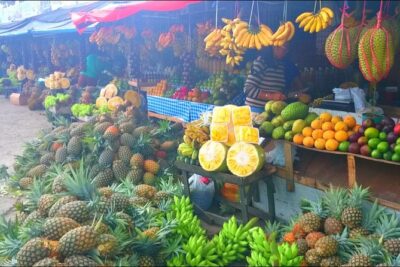
Manila Food Tour: Introduction to Philippine Street Food
Read the review →
Boracay Sunset Cruise with Party DJ & Unlimited Food and Drinks
Read the review →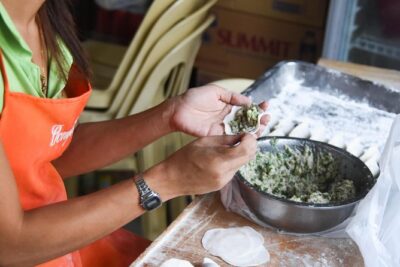
Manila Food Tour: Explore World’s Oldest Chinatown
Read the review →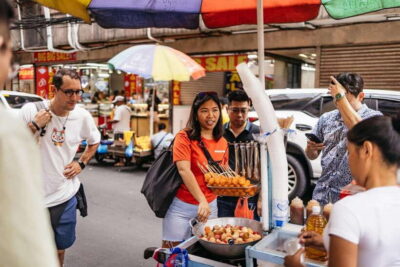
Street Food and Drinks Walking Tour with Tastings
Read the review →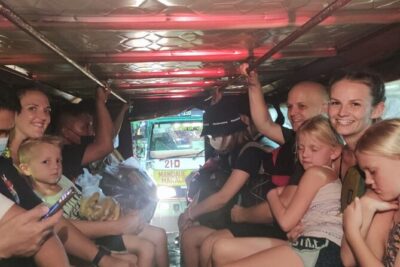
The Original Cebu City Historical and Food Walking Tour
Read the review →
Manila’s Culinary Expedition: The Ultimate Food and Market Tour
Read the review →
Where else this one shows up