
Reviewed · COOKING CLASSES
Manila Filipino Cooking Class: Meryenda Favorites
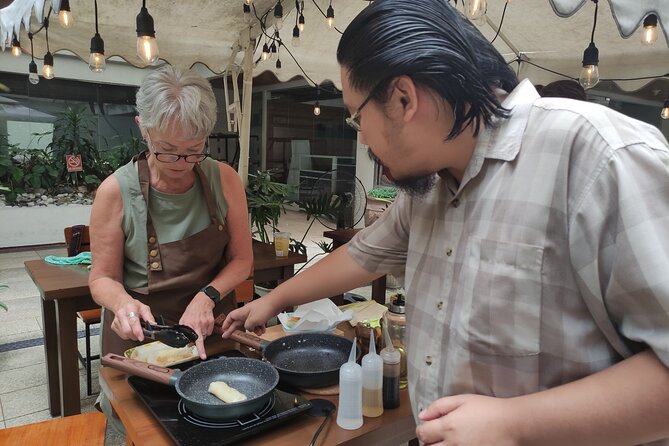
Small dishes tell big food stories. This two-hour class in Makati gives you a practical introduction to Filipino cooking through a complete meryenda, the Filipino tradition of snacks and light meals. I like the small maximum of four people, which allows the host to give close attention, and I like that you cook at individual stations rather than simply watching a demonstration.
The recipes use basic ingredients and are meant to be cooked again at home. Host Chyl is repeatedly praised for being patient, friendly, and attentive, including with families bringing very young children. The main point to consider is the weather requirement: because the activity includes outdoor cooking, poor weather may lead to a new date or a full refund.
In This Review
- Key points at a glance
- What this Makati cooking class is really about
- Starting with Filipino food and cooking basics
- Three kinds of Filipino meryenda on one menu
- The noodle dish
- Savory spring rolls
- Sweet treats
- Individual stations make the lesson more useful
- A generous serving, not just a tasting
- Why Chyl’s teaching style matters
- What the two-hour schedule does well, and what it limits
- The outdoor setting and weather question
- Who should book this experience?
- Is $60 a fair price in Makati?
- Final verdict: should you book it?
- FAQ
- Where does the cooking class begin?
- What time does the class start?
- How long does the experience last?
- Where does the activity end?
- How many people can join?
- What is included in the price?
- What happens if I need to cancel?
Key points at a glance
- A complete Filipino meryenda: You prepare a filling noodle dish, savory spring rolls, and sweet treats during the class.
- Only four people maximum: The small group makes it easier to ask questions and get help at your own station.
- Host Chyl teaches with patience: Her calm, personal style suits first-time cooks, families, and people learning Filipino food for the first time.
- Recipes you can repeat at home: The focus is on familiar ingredients and useful cooking methods, not complicated restaurant tricks.
- A generous amount of food: The class produces enough for a full snack or light meal, with some people still eating leftovers the next day.
- Makati location and 2 pm start: You meet at Somerset Olympia Makati and return there after about two hours.
What this Makati cooking class is really about
Filipino food reflects a long exchange of local traditions and outside influences across more than 7,000 islands. You will not learn every regional style in two hours, but this class gives you a friendly starting point through one of the country’s most familiar eating habits: meryenda.
Meryenda can be a quick bite between meals, but it is not limited to a tiny snack. It may be filling, savory, crunchy, sweet, or all four at once. That makes it a smart theme for a short cooking class. Instead of spending the whole session on one complicated dish, you get a small tour of Filipino flavors and textures.
The class is offered in the heart of Makati, making it a convenient choice if you are staying in the city’s central hotel area. The meeting point is Somerset Olympia Makati at 7912 Makati Avenue. The activity begins at 2 pm and ends back at the same location, with the full session lasting about two hours.
That timing works well for a quieter afternoon plan. You can eat lunch first, cook in the afternoon, and still have the evening free. Since the class ends at its starting point, you do not need to arrange a separate ride from an unfamiliar neighborhood.
A few more trips and experiences worth a look
- Private Filipino cooking class in a local Manila Home
★ 5.0 · 28 reviews - Private Market Tour and Filipino Cooking Class in Manila with Isi
★ 4.5 · 15 reviews - Private Filipino Cooking Class in the Heart of Manila,Makati City
★ 5.0 · 5 reviews
Starting with Filipino food and cooking basics
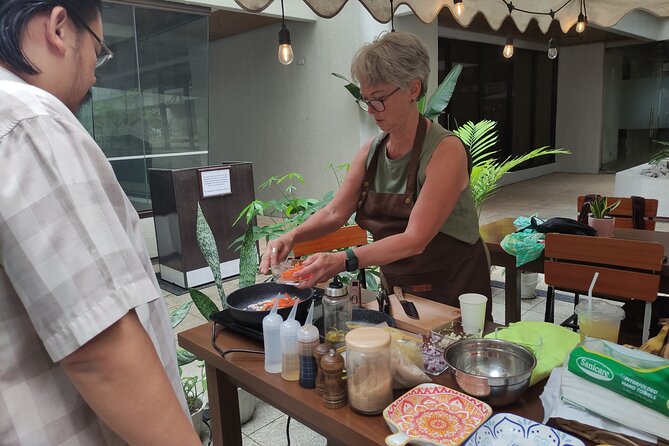
The class is designed as a simple introduction rather than a demanding culinary course. That matters if you are new to Filipino food or if you want to cook with family members who may not have much kitchen experience.
You can expect to learn recipes that rely on basic ingredients and straightforward methods. This is one of the strongest reasons to choose the experience. A cooking class has more value when you can remember what you did and find a way to repeat it at home.
Host Chyl guides the session closely. Her teaching style is described as friendly, patient, and attentive, with regular checks to make sure each dish is coming together properly. That personal help can make a large difference when you are chopping, wrapping, seasoning, or managing more than one preparation at a time.
The class also leaves room for conversation. You may learn about Filipino food, daily life, and the Philippines while you cook. For me, that social element is important. Food becomes easier to understand when you hear why people enjoy it, when they eat it, and how it fits into ordinary life.
Three kinds of Filipino meryenda on one menu
The menu covers three broad parts of a Filipino snack spread. The exact dish names are not provided, but the class includes a filling noodle dish, savory and crunchy spring rolls, and sweet treats.
The noodle dish
The noodle course gives the class a substantial center. It is the kind of preparation that can turn a snack into a satisfying light meal, and it introduces you to the balance of ingredients used in Filipino home cooking.
You will prepare it rather than simply receive a finished bowl. That hands-on work helps you notice how the ingredients come together and how small adjustments affect the final taste. If you enjoy recipes that can become weekday meals, this part may be especially useful.
Something different, still within reach of Luzon:
- Manila Old and New: Sightseeing Tour Including Intramuros and Fort Santiago
★ 4.5 · 377 reviews - Manila’s Walled City: Intramuros Walking Tour
★ 5.0 · 82 reviews - Batad Guided Tour
★ 5.0 · 78 reviews - Manila Super Saver: Manila Sightseeing plus Tagaytay Tour with Taal Volcano
★ 4.0 · 75 reviews
Savory spring rolls
The spring rolls add a different task and texture. They are savory, crisp, and more hands-on than a simple pan-cooked noodle dish. Wrapping food can take a little practice, so the small group size is useful here. With no more than four people, Chyl has a better chance of helping if your first few rolls look less tidy than planned.
The finished spring rolls also make the class feel like a proper snack spread rather than a single recipe lesson. You get something crunchy beside the noodles, which shows how Filipino meryenda often mixes contrasting textures.
Sweet treats
The final part brings in something sweet. This is a good reminder that Filipino snack culture is not only about savory food. The sweet preparation rounds out the session and gives you a third type of recipe to remember.
The class is therefore broad without trying to be enormous. In about two hours, you work through noodles, spring rolls, and a dessert-style treat. You should not expect a complete survey of Philippine cooking, but you will leave with a useful sample of what makes meryenda appealing.
Individual stations make the lesson more useful
One of the best practical details is that each person has an individual cooking station. You are not just standing around a counter while someone else does the important work. You get to handle the ingredients, follow the process, and see how your own dishes develop.
That setup also helps with confidence. If you are learning to cook Filipino food for the first time, you may want to ask basic questions without holding up a large class. A four-person limit gives the session a more personal feel and allows Chyl to check your progress.
The small group is also helpful for mixed-ability parties. One person may already cook often, while another may be starting from scratch. Since the class includes direct guidance, both can take part at a comfortable pace.
Families are welcome, and the experience has worked well for parents with very young children. One particularly useful detail is that staff helped hold children when they became unsettled, allowing the adults to focus on cooking. You should still expect to supervise your children, but the welcoming attitude makes this more workable than many food activities.
A generous serving, not just a tasting
The amount of food is another strong point. The class produces a full spread across the three preparations, and the portions can be generous enough to leave leftovers.
That changes how you should think about the $60 price. You are paying not only for food but also for instruction, equipment, ingredients, a nonalcoholic drink, and a small-group activity. If you only want to sample Filipino snacks, a food stall will cost less. If you want a meal plus a lesson you can use later, the price is easier to justify.
The leftovers also give you a chance to enjoy the results without rushing. Cooking sessions sometimes offer tiny portions that disappear in a few bites. Here, the food appears intended to be shared and eaten properly, which makes the afternoon feel more substantial.
Gratuity is not included, but it is optional. You should budget for it only if you feel the host gave you especially good help or made the session more enjoyable.
Why Chyl’s teaching style matters
The host can make or break a cooking class. Chyl receives consistent praise for being warm, patient, and willing to check each dish. Those qualities are especially valuable in a class that covers several recipes in a short time.
Her approach also suits people with a personal connection to Filipino food. If you grew up eating Filipino dishes but never learned how to prepare them, this can be a comfortable way to start. You can work through the basics without needing prior cooking knowledge.
It also suits people who know very little about the cuisine. The class explains Filipino food while you cook, so you are not expected to arrive with a list of familiar dishes or techniques.
The conversation is part of the appeal. You may talk about food, the Philippines, and everyday life as the recipes take shape. I would choose this class over a silent, highly formal lesson if I wanted a social afternoon as well as practical cooking skills.
What the two-hour schedule does well, and what it limits
Two hours is enough time to prepare the three meryenda components, eat, and talk about the food. It is short enough to fit neatly into a city itinerary, especially with the 2 pm start and return to the same meeting point.
The tradeoff is that the session cannot provide much regional depth. Philippine cuisine varies widely from island to island, and this class offers an introduction rather than a full regional study. You will get a useful sample of Filipino snack cooking, but not a long list of dishes from different provinces.
The pace may also feel active because there are several preparations. That is not a flaw, but you should expect to participate rather than sit back. If you prefer a slow demonstration with lots of time for photography, this may not be the best match.
For most people, the pace is likely part of the fun. You move from one task to the next, see a full snack spread come together, and leave with recipes that are manageable at home.
The outdoor setting and weather question
The activity requires good weather. That detail should influence your planning, particularly during a period when rain is possible. If the class is canceled because of poor weather, you can choose a different date or receive a full refund.
The outdoor element can make the cooking feel relaxed and social, but it also adds a little uncertainty. I would avoid booking it as the only important activity on a tight final afternoon in Manila. Give yourself room to adjust if the weather changes.
Since the cancellation cut-off is 24 hours before the 2 pm start, you can cancel by then for a full refund. Cancellations or changes made within 24 hours are not refunded or accepted, so check the local time carefully before making a last-minute change.
Who should book this experience?
This class is a strong choice for:
- First-time visitors who want a friendly introduction to Filipino food
- Food-focused visitors who like learning by doing
- Families looking for a child-friendly afternoon activity
- People of Filipino heritage who want to learn everyday cooking basics
- Couples or small groups who prefer personal instruction
- Home cooks who want recipes using accessible ingredients
You may want to choose another activity if you want a large menu, advanced culinary training, alcohol pairings, or a broad regional survey. The included drink is nonalcoholic, and the class is centered on simple, repeatable meryenda recipes.
The four-person limit is excellent for attention, but it also means the experience is intimate rather than lively and crowded. If you are traveling with a larger group, ask about group discounts and confirm how the booking will be arranged.
Is $60 a fair price in Makati?
At $60 per person, this is not the cheapest way to eat Filipino food. You can certainly find inexpensive snacks around Manila. But the comparison is not quite fair, because this price includes ingredients, cooking equipment, a nonalcoholic drink, instruction, and the food you prepare.
The class also gives you something a restaurant cannot: a method you can take home. You learn how to make several dishes, get direct help from Chyl, and eat the finished results. The small group makes the price more reasonable because your session is not a mass demonstration.
Group discounts may improve the value if you are booking with friends or family. With a maximum of four participants, the class is already small, so the main benefit is not privacy alone. It is the chance to receive repeated personal help throughout the cooking.
Final verdict: should you book it?
I would book this class if you want a friendly, practical taste of Filipino home cooking rather than a formal culinary school lesson. The small group, individual stations, generous food, and Chyl’s patient teaching give it real value.
The best reason to go is that you can recreate the recipes at home. The main cautions are the $60 price, the outdoor weather requirement, and the limited two-hour scope. If those fit your plans, this is a smart Makati afternoon activity, especially for families, curious food lovers, and anyone who wants more than a meal without needing advanced kitchen skills.
FAQ
Where does the cooking class begin?
It begins at Somerset Olympia Makati, 7912 Makati Avenue, Makati City, 1200 Metro Manila, Philippines.
What time does the class start?
The scheduled start time is 2 pm.
How long does the experience last?
The cooking class lasts approximately two hours.
Where does the activity end?
The activity ends back at the meeting point at Somerset Olympia Makati.
How many people can join?
The activity has a maximum of four participants.
What is included in the price?
Cooking equipment, food ingredients, and a nonalcoholic drink are included.
What happens if I need to cancel?
You can cancel at least 24 hours before the start time for a full refund. Cancellations or changes made less than 24 hours before the start time are not refunded or accepted. If poor weather causes the class to be canceled, you will be offered another date or a full refund.
Just added around Luzon
- Pagsanjan Falls Adventure with Lunch and Rapids Experience★ 4.5 · 3 reviews
- Private Airport Transfer Manila to Hotel in Manila or vice versa★ 5.0 · 3 reviews
- The Jeepney & Tuk Tuk Adventure ride with Local Guide★ 4.5 · 4 reviews
- Sagada and Banaue Rice Terraces 4-Day Tour★ 5.0 · 4 reviews
- Manila Food Tour Experience with Local Guide★ 5.0 · 4 reviews
- Mt. Pinatubo Day Tour from Manila★ 5.0 · 4 reviews
- Day Hike: Mount Daraitan plus Tinipak River start point Manila** updated 2022★ 5.0 · 4 reviews
- Manila Social and Political Walk★ 5.0 · 4 reviews
Cooking Classes, side by side.
Private Filipino cooking class in a local Manila Home
Read the review →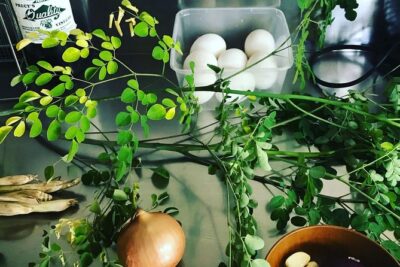
Private Market Tour and Filipino Cooking Class in Manila with Isi
Read the review →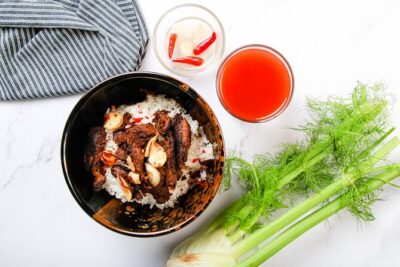
Private Filipino Cooking Class in the Heart of Manila,Makati City
Read the review →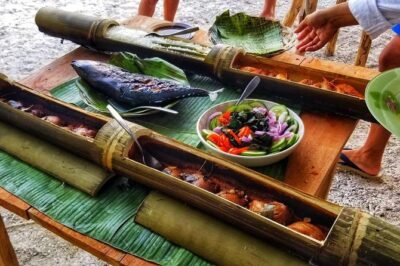
Where else this one shows up