
Reviewed · INTRAMUROS TOURS
Manila: Walled City Intramuros Walking Tour
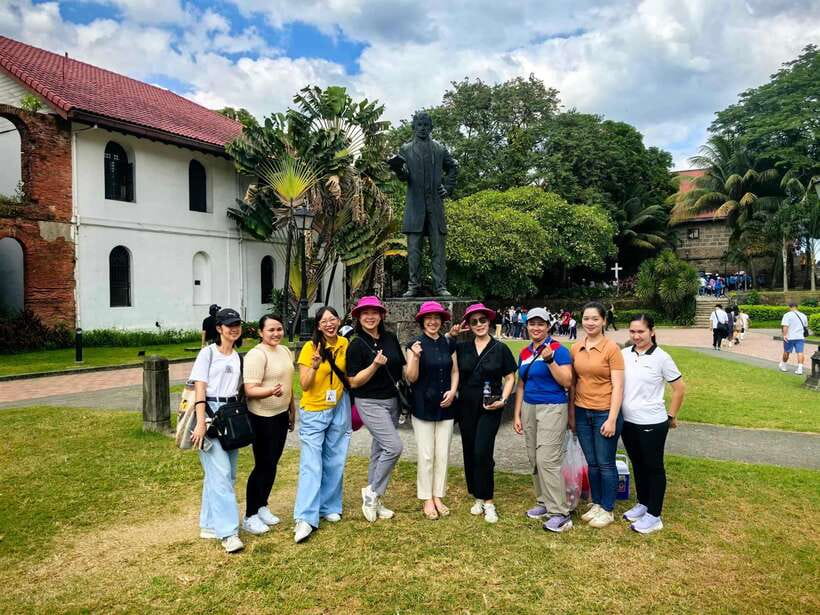
Old Manila still tells its story in stone. This three to three-and-a-half-hour walk through Intramuros links Fort Santiago, the Rizal Shrine, Manila Cathedral, San Agustin Church, Casa Manila, and a short kalesa or tranvia ride. I like the way the tour joins grand colonial landmarks with personal stories, especially José Rizal’s final days and the destruction of Manila in 1945. I also like the friendly, clear guiding style praised by several people who toured with Andre. The main drawback is the walking: about 5,000 steps over cobblestones and uneven ground, often in warm weather.
You get more than a quick circuit of old buildings here. Fort Santiago and Casa Manila give the tour a useful beginning and end, while the World War II stops add a sobering look at what Manila endured. Still, the route moves at a steady pace, and some stops, such as San Agustin Church, may feel brief if you want time for close architectural study.
In This Review
- Key points to know before you book
- Why Intramuros makes a strong first Manila history tour
- Fort Santiago: where Manila’s story begins
- The Rizal Shrine and the final days of José Rizal
- Plaza Roma and Manila Cathedral
- The kalesa or tranvia ride through the walled district
- Memorare Manila 1945 and the cost of war
- San Agustin Church, one of the tour’s brief highlights
- Casa Manila: a look inside a 19th-century home
- Is the $31 price good value?
- Walking conditions, clothing, and fitness
- Who will enjoy this Old Manila walk?
- Should you book the Intramuros Walking Tour?
- FAQ
- How long does the Intramuros walking tour last?
- What language is the tour conducted in?
- What is included in the tour price?
- How much walking is involved?
- What should I wear and bring?
- Is cancellation available?
Key points to know before you book
- Fort Santiago sets the historical stage: Begin inside the old defensive complex, beside the river, with stories about Manila’s colonial beginnings.
- The Rizal Shrine adds a personal focus: Learn about José Rizal’s imprisonment and final days at the site connected with his death.
- The Battle of Manila is not skipped: Memorare Manila 1945 brings the city’s wartime suffering into the tour.
- Casa Manila shows daily life: The recreated 19th-century home explains how a well-to-do Filipino household might have lived during the Spanish period.
- A short kalesa or tranvia ride breaks up the walk: You cover part of Intramuros by traditional transport, though the ride lasts only about 20 minutes.
- Dress and footwear matter: Wear comfortable shoes and modest clothing, since churches and historic sites require practical respect.
Why Intramuros makes a strong first Manila history tour

Intramuros means within the walls, and that name tells you what makes the district useful for a first look at Manila. The old walled area gathers military history, religious buildings, colonial civic spaces, and wartime memory within a walkable zone.
I like this format because you are not left to decode the monuments on your own. A guide connects Fort Santiago to the origins of the city, then links later stops to Spanish rule, Filipino identity, and the destruction of Manila during World War II.
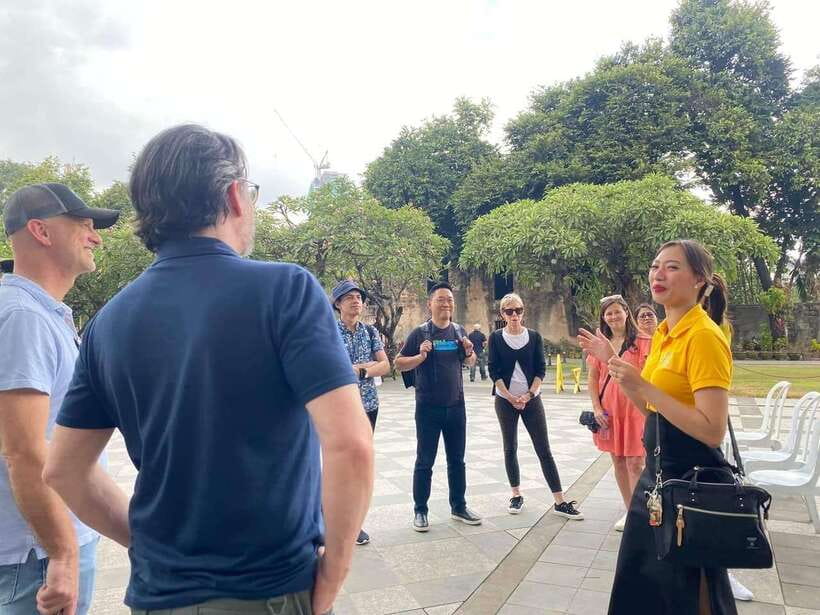
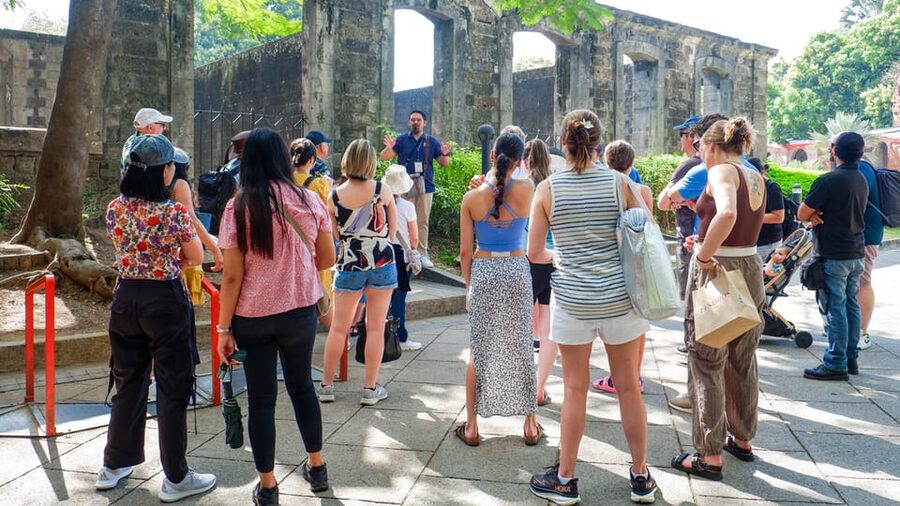
The tour is conducted in English. It can run as a private group, depending on the option booked, or as a shared experience. One person described a group of about a dozen, with roughly half international participants and half local participants. That mix can give the walk a pleasant social feel, while a private group may suit you better if your party wants more questions or a slower pace.
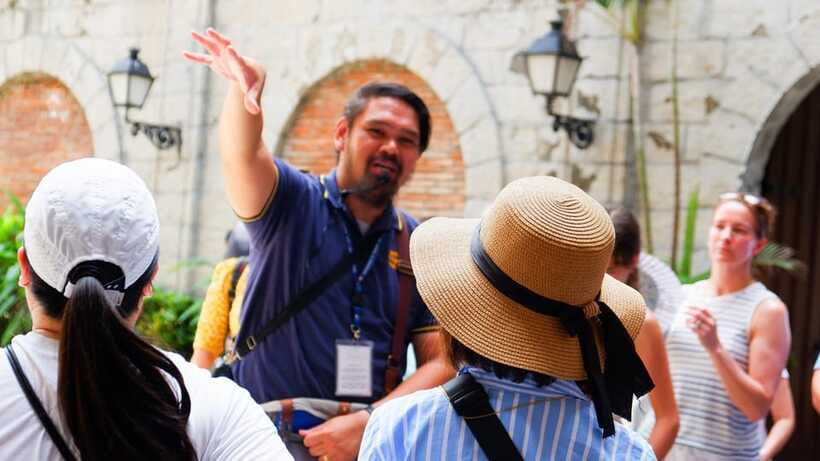
The guide is an important part of the experience. Andre received especially warm praise for his clear English, good organization, and storytelling. Alicia, who teaches English in Japan, brought Japanese students and appreciated the chance for international conversation as well as the history lesson. That detail is useful if you are traveling with older children, students, or anyone who enjoys asking questions.
More ways to see Intramuros:
- Intramuros, Manila: Historical Bamboo Bike Tour
★ 4.8 · 583 reviews - Experience Intramuros with Bamboo Bicycle – Ecotours
★ 5.0 · 508 reviews - Manila: Intramuros, Chinatown, and Old Manila Half-Day Tour
★ 4.8 · 475 reviews
Fort Santiago: where Manila’s story begins
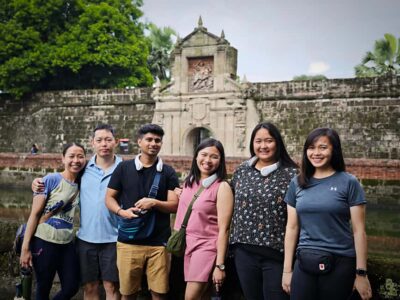
The tour opens at Fort Santiago, reached from one of the designated meeting points, including HXVC+8F5 at United Philippine Lines. Check your exact meeting point when booking, since it can vary by option.
Allow about an hour for the fort. This is the longest single stop, and it deserves the time. You will walk through the historic grounds, hear about the colonial origins of Manila, and have views toward the river. The setting helps explain why this spot mattered as a defensive post and as a gateway into the old city.
The fort is not just a photo stop. Your guide gives the place a human scale by explaining the people and events tied to it. That approach is useful because bare walls and gates can blur together when you are seeing several historic sites in one morning.
The main practical issue is the surface underfoot. Cobblestones and uneven paths can make the walk tiring, especially in the heat or rain. Bring water, sun protection, and a small umbrella if the forecast looks uncertain. The tour operates in wet weather as well as dry weather, so do not assume the walk will be postponed because of rain.
The Rizal Shrine and the final days of José Rizal
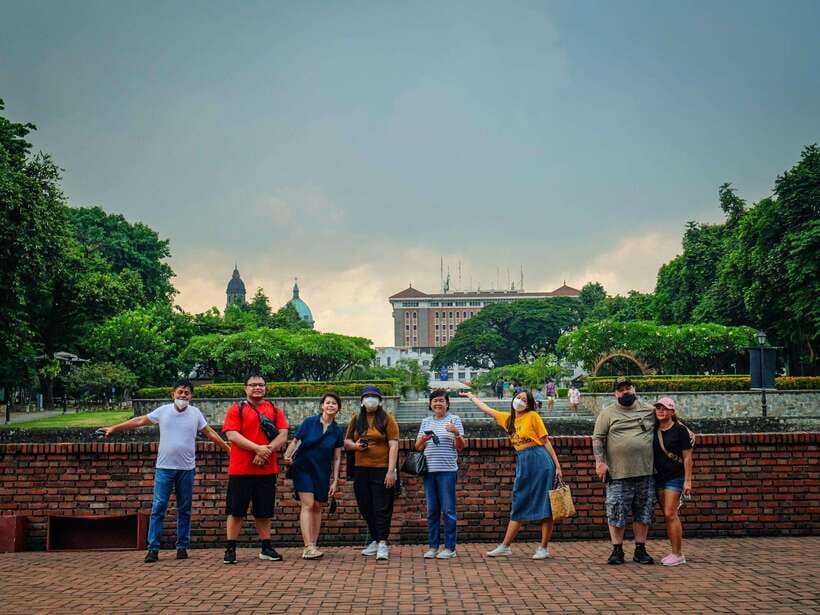
The Rizal Shrine takes about 30 minutes and gives the tour its most personal historical pause. José Rizal is a central figure in Philippine national history, and the shrine is tied to his final days at Fort Santiago.
I appreciate this stop because it turns a famous name into a story about a real person facing imprisonment and death. A good guide can explain the setting without making the moment feel rushed or theatrical. The tour description promises an easy-to-follow account, and Andre was praised for answering questions clearly and making difficult material accessible.
You have time for photographs, but this is also a place where a little quiet attention helps. The route is friendly and relaxed, yet the subject is serious. If you prefer tours that acknowledge grief and political struggle rather than presenting only attractive buildings, this section adds real weight.
Plaza Roma and Manila Cathedral
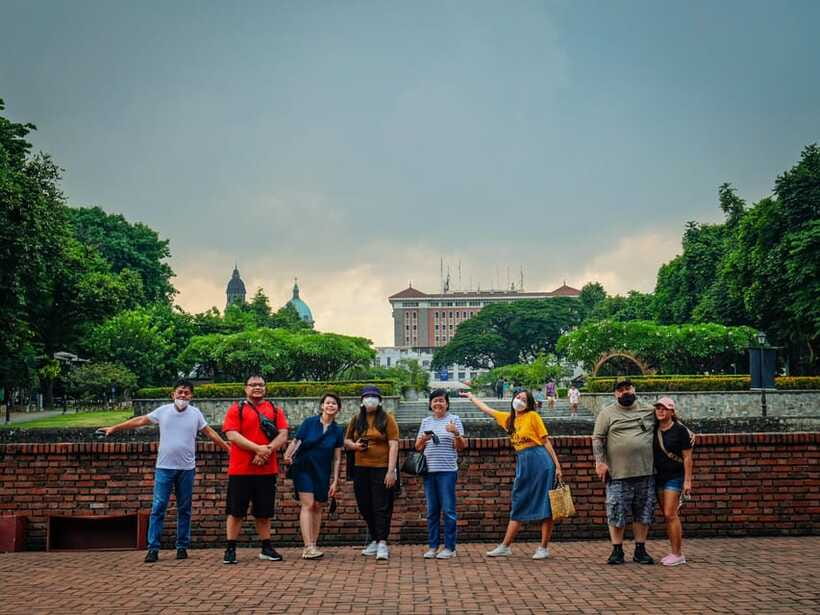
The route continues through Intramuros toward Plaza Roma and Manila Cathedral. The cathedral visit lasts about 20 minutes and includes guided commentary and some free time.
The value here is not only the building itself. Your guide places the cathedral within the old civic center, where church and colonial administration shaped daily life. Plaza Roma helps you read Intramuros as a planned city rather than a collection of separate sights.
You should expect a fairly short stop. Twenty minutes is enough to look around and hear the main points, but it may not satisfy anyone hoping for a detailed architectural lecture or a long period for quiet prayer. Keep your clothing modest, since religious sites require respectful dress. Sleeveless tops, short shorts, and revealing outfits are specifically discouraged.
More walking tours in Manila:
- Manila: Street Food and Drinks Walking Tour with Tastings
★ 4.8 · 114 reviews - Viva Old Manila: Intramuros Walking Tour
★ 4.9 · 104 reviews - Manila’s Walled City: Intramuros Walking Tour
★ 5.0 · 82 reviews - Manila: Sightseeing and Food Walking Tour with Tastings
★ 4.7 · 68 reviews
The kalesa or tranvia ride through the walled district

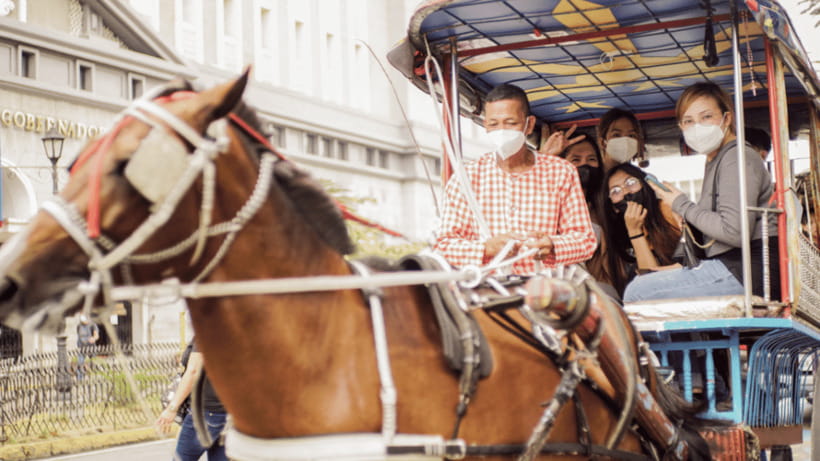
A 20-minute horse-drawn carriage ride is included in the route, described as a kalesa or tranvia ride. This gives your feet a break and lets you see more of Intramuros from a slower moving viewpoint.
I like the change of pace. After walking through the fort and cathedral area, a short ride makes the experience feel broader than a standard foot tour. You can watch the old streets pass by while your guide continues to explain the district.
Do not book this expecting a long carriage excursion. Twenty minutes is a modest portion of the tour, and the main experience remains a walking tour. Still, it is a welcome touch, particularly if you are visiting Manila during a short stay and want a quick sense of the enclosed city’s layout.
The supplied information uses both kalesa and tranvia, so the exact vehicle may depend on the option or local operation on the day. Treat it as a pleasant included ride, not the main reason to reserve the tour.
Memorare Manila 1945 and the cost of war
The stop at Memorare Manila 1945 lasts about 20 minutes and focuses on the Battle of Manila in 1945. This is one of the most important parts of the route because it corrects the easy impression that Intramuros is simply a preserved Spanish quarter.
Manila suffered severe destruction during the battle, and the tour addresses the city’s loss and rebuilding. The guide’s role matters here. Dates and military movements can feel distant, but personal stories and clear explanation help you understand how civilians experienced the conflict.
I would not describe this as light sightseeing. The subject is painful, and the memorial asks you to slow down mentally even if the walking pace continues. That balance is a strength. You see beautiful churches and old streets, but you also learn what happened to the people and buildings that once filled them.
If your time in Manila is limited, this stop makes the tour more worthwhile than a simple photo walk. It gives you a clearer sense of why the old city contains both surviving structures and spaces shaped by loss.
San Agustin Church, one of the tour’s brief highlights
San Agustin Church receives about 15 minutes, including a visit, guided explanation, and time for photographs. It is recognized as part of the UNESCO World Heritage Baroque Churches of the Philippines, so it is one of the route’s headline sights.
The church offers a chance to appreciate the architecture and its long religious importance. Your guide can point out why it matters within the larger story of Spanish colonial Manila.
The time limit is the chief weakness. Fifteen minutes passes quickly inside a major historic church. If you love architecture, you may want to note details quickly and return later on your own, if your plans allow. For most people, though, the short visit works as part of a larger route that already includes several substantial stops.
Again, modest clothing is important. Quiet behavior is expected, and the activity rules prohibit smoking indoors, vaping, alcohol, drugs, loud noise, and inappropriate clothing.
Casa Manila: a look inside a 19th-century home
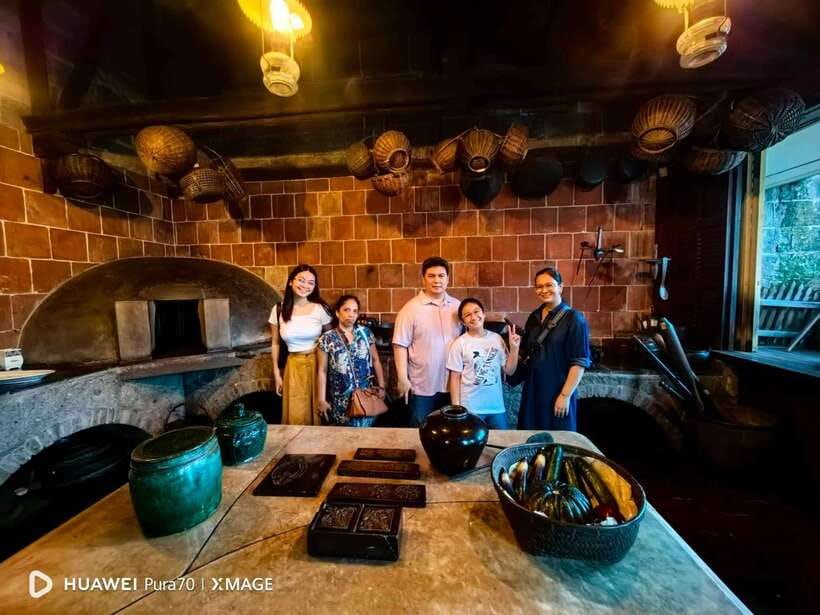
The tour finishes at Casa Manila, with about 30 minutes inside the museum. This recreated 19th-century home shifts the focus from public monuments to private life.
You see how family life, household traditions, furnishings, and social customs are presented in a Spanish colonial setting. That makes Casa Manila a useful counterpoint to Fort Santiago. The fort explains power and defense; Casa Manila helps you picture how people lived within that social order.
The museum is also a smart final stop. By this point, you have heard about colonial rule and seen its churches and public spaces. Casa Manila gives those ideas a domestic setting, showing how history reaches into rooms, routines, and family relationships.
The tour ends here, which is convenient if you want to continue exploring Intramuros independently. Since this is the final stop, you can also spend a little time deciding what you would like to revisit, if your schedule permits.
Is the $31 price good value?
At $31 per person, the tour offers solid value if you want several admissions, a guide, refreshments, and the included kalesa or tranvia ride in one organized outing. You are not paying only for a walk past the walls. Fort Santiago, the Rizal Shrine, and Casa Manila entry are included, along with guided visits to the main landmarks.
The price makes the most sense for a first visit or a short Manila stay. You get a useful overview in three to three-and-a-half hours, and you avoid spending time figuring out how the sites connect.
The value depends on your touring style. If you like lingering for an hour inside each church or museum, the schedule may feel brisk. If you prefer a clear route with historical explanation, the combination is efficient without being crammed.
Refreshments are included, and one German participant specifically appreciated the variety of the experience, including the carriage ride and avocado ice cream. Since the exact refreshments may vary, think of them as a pleasant extra rather than a major part of the price.
Free cancellation up to 24 hours before the start and a reserve-now, pay-later option also make the booking less rigid. Those terms help if your Manila schedule is still shifting.
Walking conditions, clothing, and fitness
The tour covers around 5,000 steps. That is manageable for most people who are comfortable walking for several hours, but cobblestones, heat, rain, and uneven surfaces can make it feel like more than the number suggests.
Wear sturdy, comfortable shoes. Sandals may be less pleasant on rough streets, though the supplied guidance simply asks for comfortable footwear. Bring water, sun protection, and a small umbrella according to the weather.
You should also dress for church visits. Avoid sleeveless tops, short shorts, and revealing clothing. The dress code is not a minor detail, since unsuitable clothing can affect entry to religious and selected historic sites.
The experience is not suitable for wheelchair users, people with respiratory issues, or people with visual impairments. It is also listed as unsuitable for people over 95. If you have limited mobility, ask before booking, since the route includes uneven streets and several walking sections.
Professional cameras are not allowed, and neither are pets, smoking, vaping, alcohol, drugs, nudity, ripped clothing, or disruptive noise. For most people, these rules are easy to follow.
Who will enjoy this Old Manila walk?
I would choose this tour for a first-time Manila visit, especially if you have only a day or two and want historical context quickly. It is also a good match for families with older children, English-speaking students, couples, and anyone who prefers stories over independent sign reading.
The format works well for mixed groups. Alicia’s experience with Japanese students shows how the tour can support language practice and cross-cultural conversation. Another participant described a mixed local and international group where the guide handled everyone well.
You should look elsewhere if you want a slow photographic study, a food-focused tour, or a specialist architectural tour. The route covers a lot, and the short church and memorial stops leave limited time for extended personal exploration.
The guide can make or break any history walk. The strong response to Andre’s clear English, easy storytelling, and ability to answer questions is encouraging. Still, the guide assigned to your date may differ, so book this for the route and format first, with guiding quality as an important benefit rather than a guaranteed personality match.
Should you book the Intramuros Walking Tour?
Book it if you want a well-priced introduction to Old Manila that combines major landmarks, colonial life, José Rizal, World War II, and a short traditional ride. The route gives you a balanced view of Intramuros, including beauty, faith, politics, daily life, and tragedy.
Skip it if uneven streets are a serious concern or if you need long, quiet visits at each stop. For everyone else, this is a friendly and useful way to get your bearings in the walled city. Wear good shoes, dress modestly, carry water, and come ready to listen. The tour’s best quality is not any single building. It is the way the guide helps you understand how these places fit together.
FAQ
How long does the Intramuros walking tour last?
The tour lasts about three to three-and-a-half hours, depending on the option and schedule available.
What language is the tour conducted in?
The live tour guide speaks English.
What is included in the tour price?
The price includes the walking tour, guide, Fort Santiago entry, José Rizal Shrine entry, Casa Manila Museum entry, refreshments, and a kalesa or tranvia ride.
How much walking is involved?
The route covers approximately 5,000 steps and includes cobblestone streets and uneven surfaces.
What should I wear and bring?
Wear comfortable shoes and comfortable clothing. Modest clothing is required at churches and selected sites, so avoid sleeveless tops, short shorts, and revealing outfits. Water, sun protection, and a small umbrella can be useful.
Is cancellation available?
Yes. You can cancel up to 24 hours before the tour for a full refund. A reserve-now, pay-later option is also available.
Just added around Manila
- Philippines Intro 3 days 2 nights Tour Best of Manila and Beyond★ 5.0 · 3 reviews
- Embark on a 7-Day Banaue-Sagada Adventure of a Lifetime★ 5.0 · 3 reviews
- Pagsanjan Falls Adventure with Lunch and Rapids Experience★ 4.5 · 3 reviews
- Manila: Intramuros Tour ( Dark)★ 4.7 · 3 reviews
- Manila: Intramuros Heritage Tour★ 4.2 · 3 reviews
- From Manila: Philippines Private Tour Guide★ 4.1 · 3 reviews
- Discover the Real Manila with a Local Guide★ 5.0 · 3 reviews
- MANILA: HISTORICAL KALESA RIDE TOUR EXPERIENCE IN INTRAMUROS★ 4.0 · 3 reviews
Intramuros Tours, side by side.

Intramuros, Manila: Historical Bamboo Bike Tour
Read the review →
Experience Intramuros with Bamboo Bicycle – Ecotours
Read the review →
Intramuros, Chinatown, and Old Manila Half-Day Tour
Read the review →Manila Old and New: Sightseeing Tour Including Intramuros and Fort Santiago
Read the review →


Explore Intramuros: Introduction to Philippine History
Read the review →Where else this one shows up