
Reviewed · INTRAMUROS TOURS
Manila: Intramuros Walled City Guided Walking Tour
History hides behind these old walls. This 2.5-hour walk through Intramuros gives you a useful first look at Manila’s Spanish-era core, with Casa Manila as the meeting point and Fort Santiago as the finish. I like the focus on major landmarks, especially San Agustin Church and Manila Cathedral, and I like having an English-speaking local guide to explain what you are seeing instead of simply handing you a map. The main drawback is the price: at $50 per person, the tour costs more than wandering through the district on your own.
Jane is the guide most closely associated with this experience, and she has earned praise for her humor, warmth, clear English, and strong grasp of Filipino history. Still, one poor experience points to an important caution: guide quality can shape the whole outing. You should also expect plenty of sun and walking, with no hotel pickup or drop-off included.
In This Review
- Key points at a glance
- Why Intramuros is the right place to begin
- Starting at Casa Manila and Barbara’s Restaurant
- San Agustin Church and the old religious quarter
- Manila Cathedral and changing colonial Manila
- The Jose Rizal Museum and Filipino identity
- Walking the walls toward Fort Santiago
- What Jane adds to the experience
- Is $50 a fair price?
- Who will enjoy this walk most?
- Practical tips for a cooler, better visit
- Should you book the Intramuros walking tour?
- FAQ
- Where does the Intramuros walking tour begin?
- Where does the tour finish?
- How long does the tour last?
- What language is the tour offered in?
- Which major landmarks are included?
- Is hotel pickup included?
- What should I bring?
- Is the tour suitable for wheelchair users?
- Can I cancel the booking?
Key points at a glance
- Casa Manila meeting point: Meet Jane in front of Barbara’s Restaurant and look for her there.
- Three major landmarks: The walk includes San Agustin Church, Manila Cathedral, and Fort Santiago, with Casa Manila and the Jose Rizal Museum also part of the historical focus.
- A compact old city: Intramuros was planned as a fortified settlement, with walls, cannons, moats, bulwarks, ravelins, and tightly arranged streets.
- English-speaking local guide: Jane has been praised for her humor, care, local knowledge, and ability to adjust the pace for an older member of a group.
- Walking-first experience: Wear comfortable shoes, sun protection, and light clothing. The tour is not suitable for wheelchair users.
- Flexible booking terms: You can cancel up to 24 hours ahead for a full refund and reserve now while paying later.
Why Intramuros is the right place to begin
Manila can feel sprawling and hard to read at first. Intramuros gives you a compact starting point. Inside the walls, the streets, churches, plazas, government buildings, and old defensive works fit together in a way that helps you understand how colonial Manila was organized.
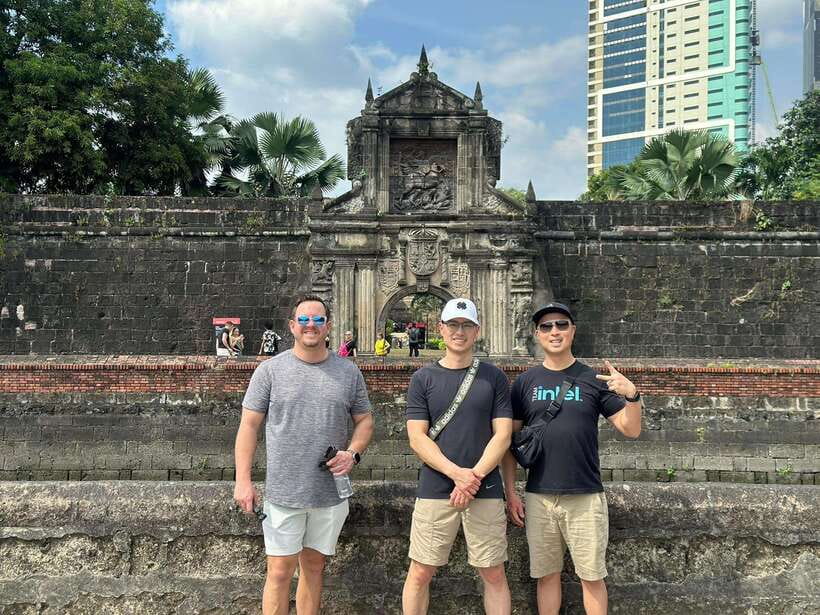
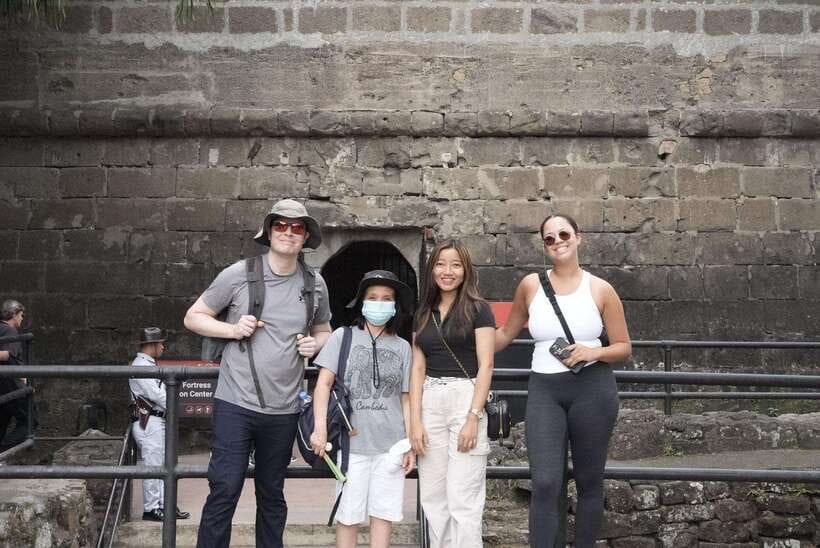
The name Intramuros means within the walls. That defensive purpose still shapes the visit. You see a planned grid rather than a loose collection of old buildings, and the walls explain why the district feels separate from the rest of the city. Cannons, moats, bulwarks, and ravelins once protected the settlement from attack.
I find a guided walk especially useful here because the stones alone do not explain much. A local guide can connect the buildings to the people, institutions, and events that shaped Manila. Without that context, you may admire an old church, take a photograph, and miss why it matters.
The district also offers a welcome change of pace. You are not racing between distant sights or sitting in a vehicle. You move slowly through the old city, stopping for photographs and listening to stories as the route unfolds.
More ways to see Intramuros:
- Intramuros, Manila: Historical Bamboo Bike Tour
★ 4.8 · 583 reviews - Experience Intramuros with Bamboo Bicycle – Ecotours
★ 5.0 · 508 reviews - Manila: Intramuros, Chinatown, and Old Manila Half-Day Tour
★ 4.8 · 475 reviews
Starting at Casa Manila and Barbara’s Restaurant
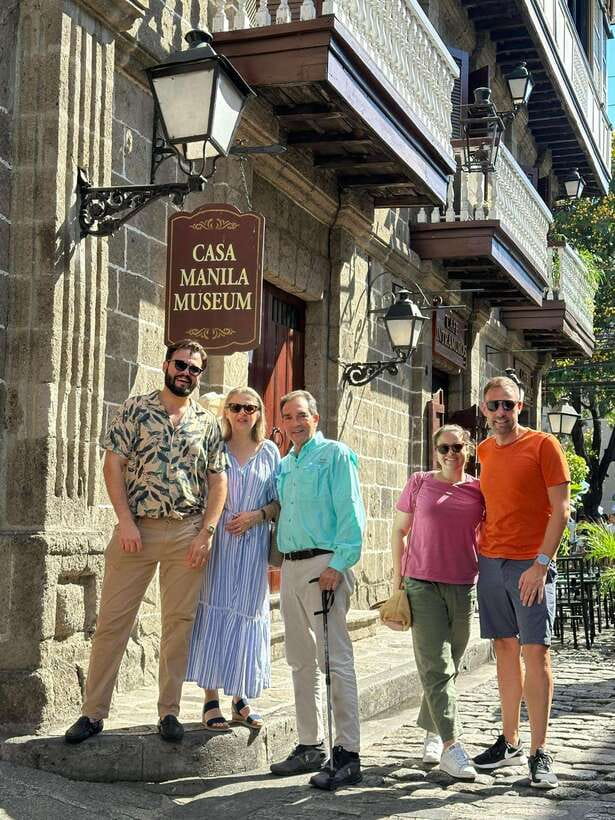
The tour begins at Casa Manila, where you meet your guide in front of Barbara’s Restaurant. The instructions say to look for Jane. This is worth taking seriously, since the meeting point is specific and hotel pickup is not provided.
Casa Manila helps set the mood for the walk. It represents the refined Spanish colonial side of Intramuros and gives you a sense of how Manila’s upper-class homes were arranged. The surrounding streets then carry you from domestic life toward churches, civic buildings, and military defenses.
The first minutes are also a good time to tell your guide if you need a slower pace. One particularly thoughtful feature of Jane’s guiding style is her ability to adjust for older members of a group. That matters in a district where the pleasure comes from looking closely, not from covering ground at top speed.
Do not arrive in heavy sightseeing gear. Comfortable shoes are essential, and sunglasses, a hat, sunscreen, water, and breathable clothing will make the walk much easier. This is a sightseeing tour on foot, not a relaxed indoor museum visit.
San Agustin Church and the old religious quarter
San Agustin Church is one of the tour’s key stops and one of Intramuros’s most important buildings. It is a National Historical Landmark and a UNESCO World Heritage Site, so this is not simply another pretty church on a walking route.
Your guide can help you read the building as part of the city’s larger story. Churches in Intramuros were not isolated decorations. They formed part of the colonial settlement, alongside monasteries, schools, plazas, and government offices. San Agustin Church gives you a strong example of that close relationship between religion and public life.
The stop is also a good test of what you want from a guide. A weak tour might offer only dates and names. A good one helps you notice how the church fits into the old city around it and why it has remained such an important landmark.
The tour information does not promise a private entry, special access, or a long interior visit. I would treat this as a guided sightseeing stop, with time for photographs and explanation, rather than a full church study. Check the guide’s instructions on the day, since access can depend on church activity.
Manila Cathedral and changing colonial Manila
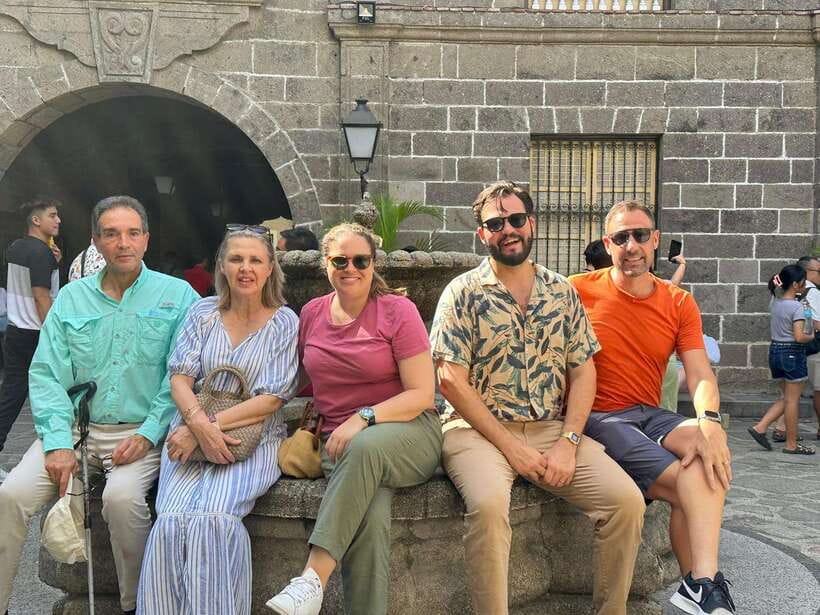
The Manila Cathedral gives you a chance to compare another major church with San Agustin. The cathedral you see today is the latest version of a long-standing Manila church, a useful reminder that the city’s history includes rebuilding and change, not just preservation.
That distinction matters. Intramuros may look like a preserved old quarter, but its buildings also reflect destruction, repair, and replacement over time. A guide who explains those layers gives you a more honest picture than a simple Spanish-colonial postcard.
The cathedral is an especially useful stop for first-time visitors because it sits within the civic and religious center of the walled city. The compact street plan makes the relationship between church, plaza, and government space easier to grasp.
You should expect time to pause, listen, and take photographs. The pace is described as relaxed, and that suits this part of Intramuros. The tour is not built around rushing inside every building. It is about seeing the main places and learning how they fit together.
More walking tours in Manila:
- Manila: Street Food and Drinks Walking Tour with Tastings
★ 4.8 · 114 reviews - Viva Old Manila: Intramuros Walking Tour
★ 4.9 · 104 reviews - Manila’s Walled City: Intramuros Walking Tour
★ 5.0 · 82 reviews - Manila: Sightseeing and Food Walking Tour with Tastings
★ 4.7 · 68 reviews
The Jose Rizal Museum and Filipino identity
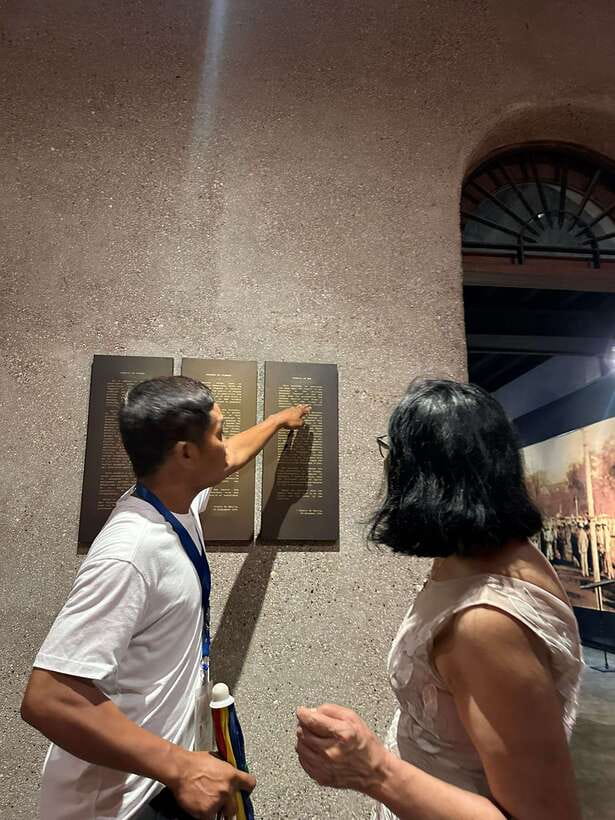
The Jose Rizal Museum adds a Filipino voice to a route that could otherwise focus too heavily on Spanish architecture. José Rizal is one of the country’s best-known national figures, and his connection to Intramuros helps shift the tour from buildings toward ideas of identity, resistance, and national memory.
The information provided for this experience does not spell out how long you spend inside the museum or which exhibits are covered. Think of it as one element in the historical walk rather than a separate museum tour. Your guide’s explanation is likely to be more important than the amount of time spent indoors.
I like this part of the route because it keeps the experience from becoming a parade of colonial facades. You are not only looking at what Spain built. You are also considering how Filipinos remember the period and the people who challenged colonial rule.
If you want an extended museum visit, ask Jane how much time is available. The overall tour lasts about 2.5 hours, so a full museum examination would leave less time for the walls, churches, and Fort Santiago.
Walking the walls toward Fort Santiago
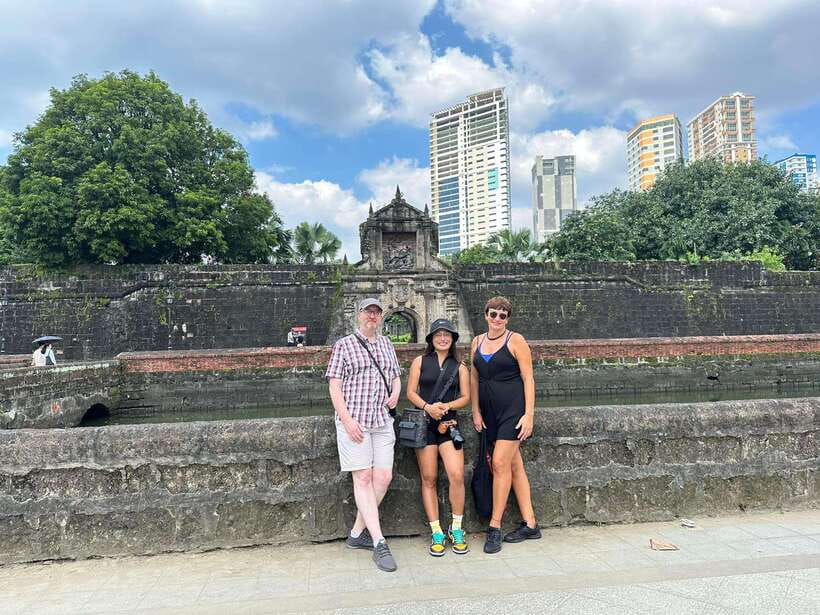
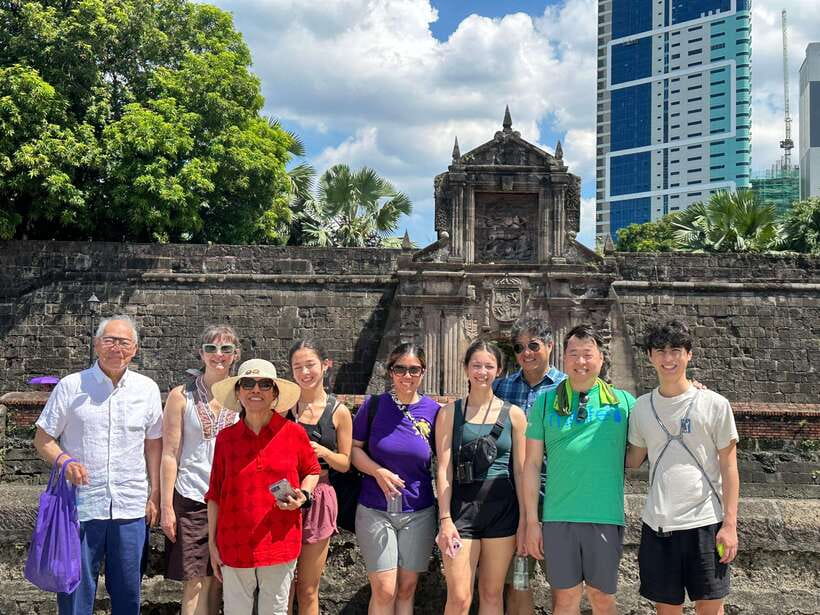
Intramuros was designed as a defensive city, and Fort Santiago is where that purpose becomes most clear. The route finishes here after moving through the tighter streets and central areas of the walled district.
The fort gives the walk a firm ending. You begin with Casa Manila and the domestic side of colonial life, pass through religious and civic landmarks, and finish at a major military site. That progression makes sense and gives the tour a clear shape.
Expect a photo stop, a guided visit, and some free time as part of the Intramuros portion. The published timing is slightly unclear, since the activity is described as 2.5 hours while the Intramuros itinerary also refers to three hours. I would plan for roughly half a day once you include finding the meeting point and any lingering afterward.
One unusual detail comes from Jane’s tour style: she has sometimes used a tuk-tuk within the walled city to help cover more ground. That sounds useful, especially on a hot day, but it is not listed among the standard inclusions. Do not book this tour assuming a tuk-tuk ride is guaranteed.
What Jane adds to the experience
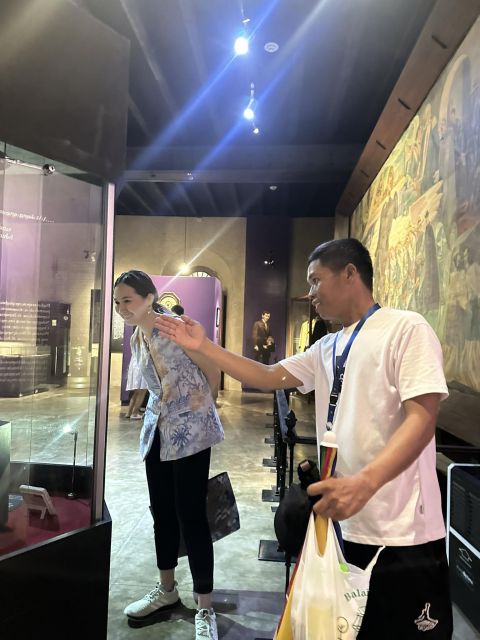
Guide quality is the biggest variable in a historical walking tour. With Jane, the strongest pattern is clear English, humor, warmth, and enthusiasm for Filipino history. She has also been described as attentive and flexible, which can make a real difference for families or groups with mixed walking speeds.
I particularly value the combination of local conversation and historical explanation. A guide can answer small questions that a printed guidebook cannot, and a relaxed conversation often gives you a better feel for how Manila’s past is remembered today.
At the same time, you should keep your expectations practical. The tour is promoted as a guided walk, not as an academic lecture or a specialist architecture course. If your guide is less experienced than Jane, the quality of explanations may vary. One sharply negative account described a guide who lacked preparation and suggested walking independently instead.
That criticism should not be ignored, especially at $50. Ask for clear identification at the meeting point, confirm the route, and speak up if you want more detail at a particular stop. The experience is strongest when the guide is actively interpreting the places rather than simply leading you from one photo stop to the next.
Is $50 a fair price?
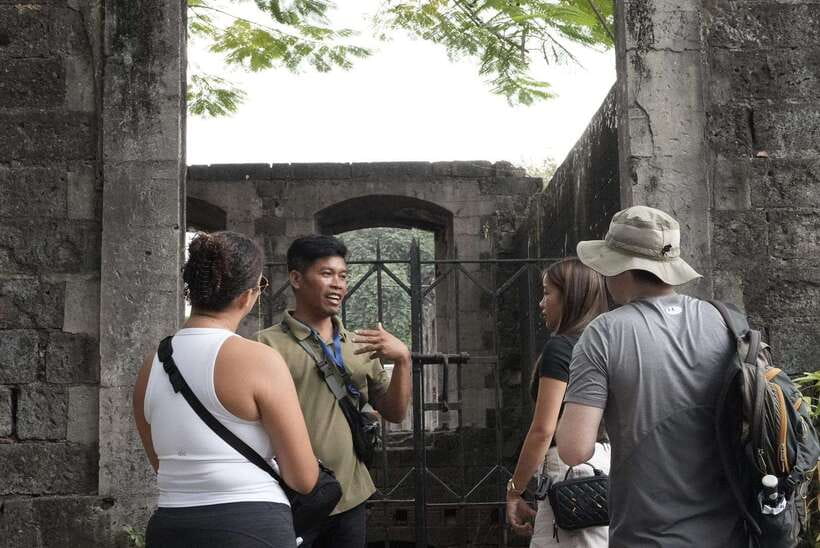
At $50 per person, this is not the cheapest way to see Intramuros. You can walk around parts of the walled city independently, and the tour does not include hotel transportation. The price makes more sense if you place a high value on a local English-speaking guide, a planned route, and the convenience of having the major sights connected into one story.
The value also depends on your first visit. If you already know Manila well and have read about Intramuros, self-guided sightseeing may be enough. You can spend more time at the places that interest you and less time at those that do not.
For a first visit, the tour can save you from a scattered afternoon. You see the main landmarks in a logical order, get historical background, and finish at Fort Santiago. Jane’s reported ability to cover a lot within the walled city, including occasional tuk-tuk assistance, can add to that value when available.
I would book it for someone who wants orientation and conversation, not for someone seeking the lowest possible price. The free cancellation up to 24 hours before the start and the reserve-now, pay-later option reduce the financial risk, but they do not change the basic question: do you want a guide enough to pay a premium?
Who will enjoy this walk most?
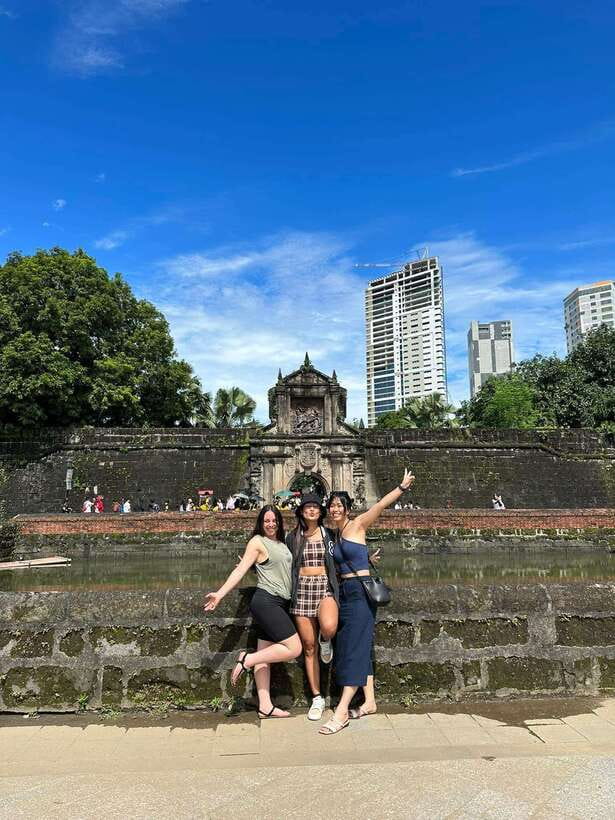
This tour suits first-time Manila visitors, history fans, and anyone who prefers a human explanation to a phone screen. It is also a good fit if you have only a short time in the city and want to see the principal Intramuros landmarks without planning every turn yourself.
It may work well for older family members if the guide adjusts the pace, as Jane has done before. Still, the route is walking-heavy, so you should be honest about your mobility and stamina.
I would be cautious about booking if you use a wheelchair. The activity is specifically listed as unsuitable for wheelchair users. It is also not designed for people over 95 years old.
The tour is offered in English. If you want a different language, this is not the right choice based on the available information.
Practical tips for a cooler, better visit
Plan your clothing around heat rather than style. Wear comfortable shoes, a sun hat, sunglasses, sunscreen, and light, comfortable clothes. Bring water, even though water is included, since it is useful to have it ready between stops.
Arrive at Casa Manila with enough time to find the exact meeting spot in front of Barbara’s Restaurant. Look for Jane rather than waiting vaguely near the entrance.
Keep your passport or another ID card with you, as requested in the tour information. Do not assume that hotel transfers are part of the arrangement. You make your own way to Casa Manila and arrange your own return from Fort Santiago.
Bring a camera or phone with enough battery. Photography is included, and Intramuros offers many worthwhile architectural views. Ask before photographing inside religious buildings or museum spaces.
Finally, leave some flexibility after the advertised 2.5 hours. The itinerary mentions free time, and a good conversation with the guide may make you want to linger. The walk is better when you are not watching the clock every five minutes.
Should you book the Intramuros walking tour?
Book this tour if you want a guided introduction to Manila’s old walled city, prefer a relaxed pace, and value clear historical explanation. The route covers the places most visitors want to understand: Casa Manila, San Agustin Church, Manila Cathedral, the Jose Rizal Museum, and Fort Santiago.
I would be most comfortable recommending it when Jane is your guide. Her humor, warmth, English, and care for different walking speeds add real value. I would be less certain if the guide assignment is not confirmed, since one poor guiding experience makes the $50 price harder to justify.
If you want context, conversation, and a well-shaped first visit, book it. If you mainly want photographs and are happy to explore at your own pace, save the money and walk Intramuros independently.
FAQ
Where does the Intramuros walking tour begin?
The meeting point is Casa Manila, in front of Barbara’s Restaurant. You should look for Jane there.
Where does the tour finish?
The tour finishes at Fort Santiago.
How long does the tour last?
The activity is advertised as lasting 2.5 hours. The Intramuros itinerary also refers to three hours, so allow some flexibility.
What language is the tour offered in?
The live guided tour is offered in English.
Which major landmarks are included?
The route focuses on Intramuros, San Agustin Church, Manila Cathedral, Casa Manila, the Jose Rizal Museum, and Fort Santiago.
Is hotel pickup included?
No. Hotel pickup and drop-off are not included, so you must reach Casa Manila yourself and arrange your own return.
What should I bring?
Bring a passport or ID card, comfortable shoes, sunglasses, a sun hat, sunscreen, water, and comfortable clothing.
Is the tour suitable for wheelchair users?
No. The activity is listed as unsuitable for wheelchair users.
Can I cancel the booking?
Yes. You can cancel up to 24 hours in advance for a full refund. You can also reserve now and pay later.
Just added around Manila
- Philippines Intro 3 days 2 nights Tour Best of Manila and Beyond★ 5.0 · 3 reviews
- Embark on a 7-Day Banaue-Sagada Adventure of a Lifetime★ 5.0 · 3 reviews
- Pagsanjan Falls Adventure with Lunch and Rapids Experience★ 4.5 · 3 reviews
- Manila: Intramuros Tour ( Dark)★ 4.7 · 3 reviews
- Manila: Intramuros Heritage Tour★ 4.2 · 3 reviews
- From Manila: Philippines Private Tour Guide★ 4.1 · 3 reviews
- Discover the Real Manila with a Local Guide★ 5.0 · 3 reviews
- MANILA: HISTORICAL KALESA RIDE TOUR EXPERIENCE IN INTRAMUROS★ 4.0 · 3 reviews
Intramuros Tours, side by side.

Intramuros, Manila: Historical Bamboo Bike Tour
Read the review →
Experience Intramuros with Bamboo Bicycle – Ecotours
Read the review →
Intramuros, Chinatown, and Old Manila Half-Day Tour
Read the review →Manila Old and New: Sightseeing Tour Including Intramuros and Fort Santiago
Read the review →


Explore Intramuros: Introduction to Philippine History
Read the review →Where else this one shows up