
Reviewed · INTRAMUROS TOURS
Manila: Intramuros, Old and New
Manila’s past and present fit into four busy hours. I like the way this private tour pairs Intramuros and its Spanish-era landmarks with Makati’s modern business district, and I like having pickup included, which saves you from sorting out Manila transport before breakfast. The main tradeoff is pace: four hours is enough for a strong first look, not a slow, unhurried study of every stop.
You will do a moderate amount of walking in heat and sun, so comfortable shoes, water, a hat, and sunscreen matter. The tour is listed as wheelchair accessible, but the same details also say it is not suitable for wheelchair users, so you should confirm access needs before booking. Flash photography and smoking are not allowed.
If you have only half a day in Manila, this outing gives you useful bearings. You see the old walled city, important churches, former defenses, Chinatown, Manila Bay, local crafts, and Makati without having to arrange several separate visits. Guides such as Marvin have earned especially high praise for their warmth, flexibility, clear explanations, and calm driving through traffic.
In This Review
- Key points at a glance
- Why this four-hour route works
- Entering Intramuros, Manila’s walled old city
- San Agustin Church and the old city’s religious center
- Casa Manila, a recreated Spanish-period home
- Manila Cathedral, the country’s main church
- Baluarte de San Diego and Manila Bay
- Binondo and Manila’s Chinese Filipino side
- Makati gives the tour its modern edge
- The guide can make or break the morning
- What the four-hour schedule really means
- Who should book this Manila tour
- FAQ
- How long does the Manila tour last?
- What language is the tour offered in?
- Is hotel or accommodation pickup included?
- Is the tour private?
- What admission fees are included?
- What should I bring?
- Can I cancel or pay later?
- Should you book it?
Key points at a glance
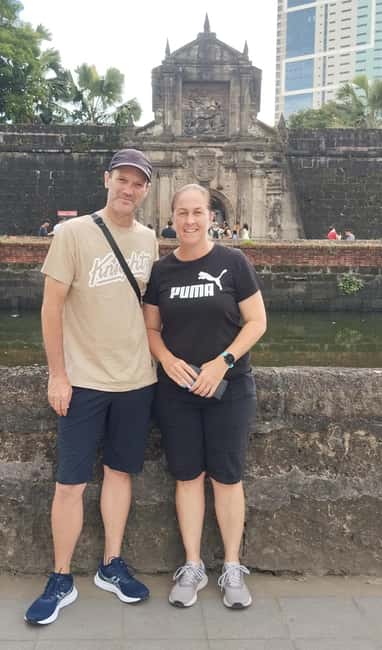
- Intramuros packs Spanish Manila into one historic district: Walk past walls, forts, dungeons, churches, and old defensive sites in the former walled city.
- San Agustin Church is the cultural centerpiece: Your admission includes Manila’s UNESCO-listed church, one of the tour’s most meaningful stops.
- Casa Manila makes domestic history easier to picture: The recreated Spanish-period house shows how an elite home might have looked during colonial rule.
- The tour connects old Manila with modern Makati: You move from stone walls and church courtyards to the country’s best-known business district.
- A private guide can shape the morning around you: Pickup is included, and the guide may be able to respond to your questions and nearby interests.
- Four hours works best as an introduction: You get broad coverage, but not enough time for long museum visits or extended shopping.
Why this four-hour route works

Manila can feel confusing at first. Historic districts, shopping areas, financial centers, churches, and waterways are spread across a large urban area, and traffic can make a simple route take longer than expected. This tour solves part of that problem by giving you a driver-guide, a private group setting, and a route that links several different sides of the city.
I see the biggest value in the contrast. Intramuros gives you a physical sense of Manila’s colonial past, while Makati shows the city’s modern commercial face. Binondo adds another layer through its Chinese Filipino identity and traditional shops, while Manila Bay provides a broad waterfront view rather than another enclosed historic site.
The tour costs $67 per person. That is not the cheapest way to see Manila, especially if you are traveling alone, but the price includes a private guided outing, pickup, and admission to Intramuros, San Agustin Church, and Baluarte de San Diego. For two or more people, the convenience can make the cost reasonable, particularly if you value explanations and door-to-door transport.
Meals, drinks, souvenirs, and personal spending are extra. Set aside some money if you want handicrafts such as woodcarvings, woven goods, corals, pearls, or seashell items.
More ways to see Intramuros:
- Intramuros, Manila: Historical Bamboo Bike Tour
★ 4.8 · 583 reviews - Experience Intramuros with Bamboo Bicycle – Ecotours
★ 5.0 · 508 reviews - Manila: Intramuros, Chinatown, and Old Manila Half-Day Tour
★ 4.8 · 475 reviews
Entering Intramuros, Manila’s walled old city
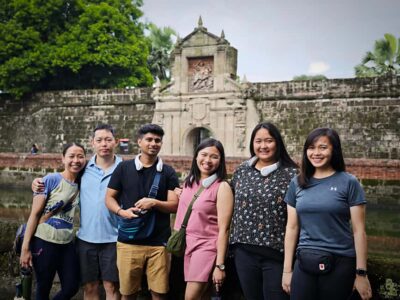
Intramuros is the heart of the tour. Its name means within the walls, and the district preserves the outline of the old Spanish settlement through stone gates, defensive walls, churches, courtyards, and military sites. The walls are not just scenery. They help you understand how the colonial city separated itself from the surrounding parts of Manila.
Your guide is important here. A quick walk through Intramuros can become a parade of old buildings, but a good explanation gives each place a role. You can ask about the city’s defensive design, the purpose of the dungeons, and how the old settlement related to Manila Bay and the wider city.
Expect sunshine, uneven walking surfaces, and a fair amount of time on foot. Wear shoes that you can comfortably use for several hours. The tour includes admission to Intramuros, but the four-hour schedule means you should not expect to inspect every corner of the walls or every historic building in detail.
This is also the part of the tour where the pace can feel quickest. If you are fascinated by military architecture, church art, or colonial buildings, tell your guide early. In a private group, your questions are more likely to shape the experience than they would on a large coach outing.
San Agustin Church and the old city’s religious center
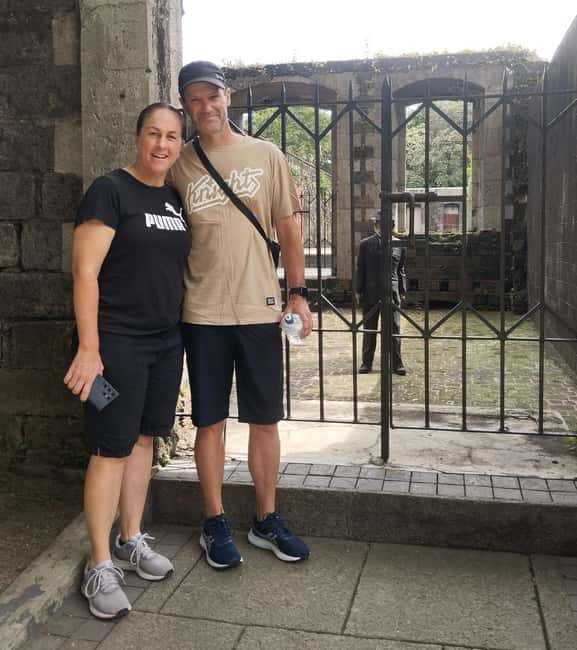
San Agustin Church is one of the key reasons to choose this route. It is a UNESCO World Heritage Site and one of the most important surviving churches in Intramuros. Admission is included, so you can focus on the building rather than the practical question of how to get inside.
The church gives you a different view of Manila’s past from the walls and forts. Its value is not only visual. This is a place where religion, colonial government, local life, and architecture meet. Your guide can help connect the church to the wider story of Intramuros instead of treating it as a quick photo stop.
Photography rules matter. Flash photography is not allowed, so bring your camera but be ready to use it without flash. A respectful, quiet approach is appropriate, especially if religious services or worship are taking place.
If churches are a major interest for you, this stop may feel too short. If you are mainly trying to understand Manila’s historic center, the visit gives you a useful anchor before the route moves on to other landmarks.
Casa Manila, a recreated Spanish-period home
Casa Manila offers a change of scale. Instead of looking at walls, military sites, and public churches, you step into a reproduction of a traditional Spanish-period house. The museum helps you picture domestic life, furniture, rooms, and social status during the colonial era.
I find recreated interiors useful because broad political history can stay abstract. A house shows how people organized daily life, how visitors may have been received, and how different spaces reflected wealth and rank. You are not simply looking at another old facade. You are getting a sense of how the city’s upper-class domestic world was presented.
Casa Manila is best approached as an interpretive museum, not an untouched private residence. That distinction matters. Its strength is the picture it creates, while its limitation is that it is a replica rather than a preserved family home.
The visit also adds welcome variety to the morning. After outdoor walking and stone defenses, an interior stop gives you a break from the sun, although you should still keep your water close for the rest of the route.
A few more trips and experiences worth a look
- Manila: Old & New 4-Hour City Tour
★ 4.5 · 458 reviews - Manila Food Tour: Introduction to Philippine Street Food
★ 5.0 · 417 reviews - Manila Old and New: Sightseeing Tour Including Intramuros and Fort Santiago
★ 4.5 · 377 reviews - Spectacular Manila to Tagaytay: Full-Day Sightseeing Tour
★ 5.0 · 349 reviews
Manila Cathedral, the country’s main church
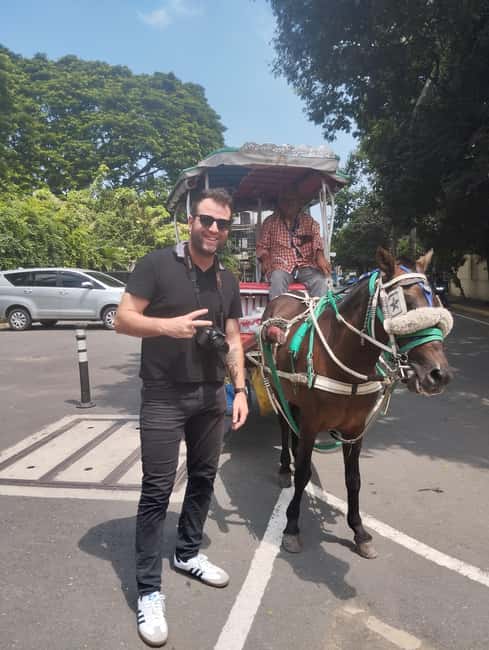
Manila Cathedral is another major religious landmark in Intramuros. It is described as the main church of the Philippines, which gives the stop national importance beyond its role in the old city.
You will likely notice a different feeling here than at San Agustin Church. San Agustin is tied closely to the preserved Spanish quarter and its UNESCO designation, while Manila Cathedral functions as a major national church. Seeing both in one route lets you compare two important religious sites without spending a full day on church visits.
The practical benefit is efficiency. You do not have to work out separate transport between the two. Your guide can explain their place in Manila’s story and help you focus on details you might otherwise miss.
Keep the schedule in mind. This is a highlights visit, so you may have time to see the building and hear its background, but not to linger for a long architectural study. If you want more time inside either church, ask about priorities at the start.
Baluarte de San Diego and Manila Bay
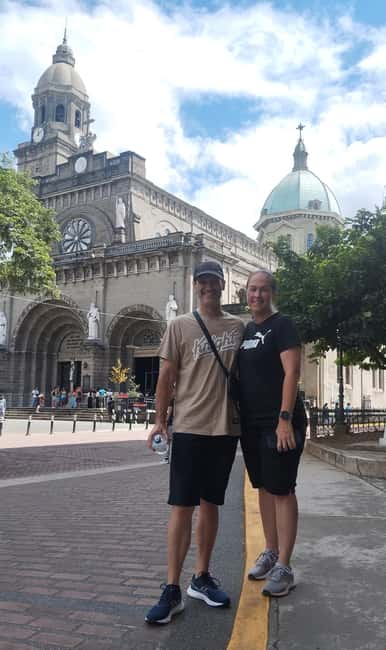
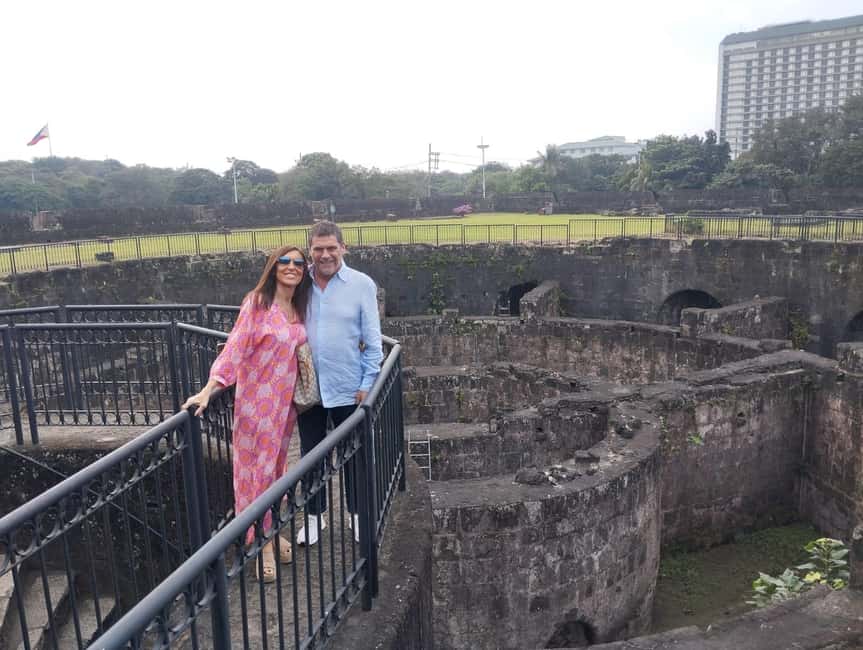
Baluarte de San Diego was a former watchtower overlooking Manila Bay. It brings the city’s defensive past back into view, but from a location connected to the waterfront. The site helps explain why Manila’s position mattered and why forts and walls were central to the old settlement.
The tour includes entry to Baluarte de San Diego. That is useful because it gives you more than a drive-by photograph. You can look at the structure in context and connect it with the larger defensive system of Intramuros.
The route also passes through Manila Bay. That part may be brief, but it breaks up the historic stops and gives you a sense of the city’s relationship with the water. Do not expect a long waterfront walk from the information provided. Think of it as a passing view that adds context to the fortified district.
Sun protection is especially important during outdoor portions like this. Manila’s heat can make a moderate walking route feel more demanding, and the tour asks you to stay prepared with water and sunscreen.
Binondo and Manila’s Chinese Filipino side

Binondo is identified as the first Chinatown in the world. That makes it an important stop for understanding Manila beyond its Spanish colonial story. The area adds a Chinese Filipino perspective to a route that might otherwise focus too heavily on churches, forts, and colonial buildings.
The visit includes a chance to see local handicrafts and souvenirs. You might find woodcarving, woven items, corals, pearls, and seashell products. Shopping is optional, and purchases are not included, so treat this as an opportunity rather than a required part of the tour.
This stop may suit you if you want a little local commerce alongside monuments. It is less structured than entering a church or museum, which can make the experience feel more connected to present-day Manila. At the same time, four hours leaves limited room for serious browsing. If you want to shop, tell your guide, but understand that the route has several other planned sights.
You should also keep spending practical. Meals, beverages, souvenirs, and personal expenses are separate from the tour price.
Makati gives the tour its modern edge
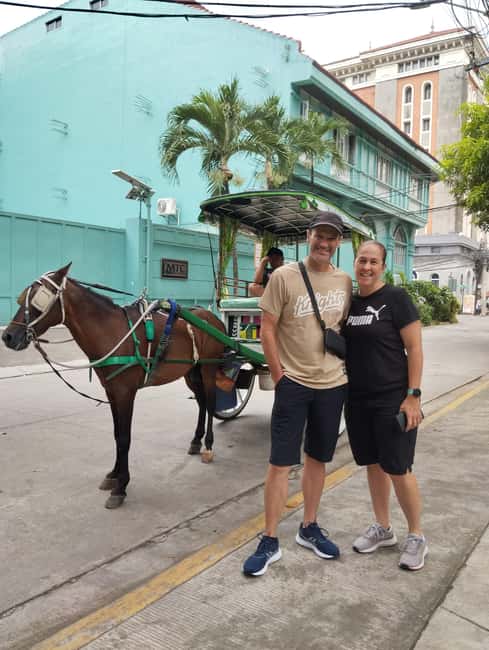
Makati supplies the old and new contrast promised by the tour title. It is Manila’s central business district, with a more modern commercial identity than Intramuros. The route does not treat Manila as a city frozen in the colonial period. It shows you a place that has changed, expanded, and invested in a newer urban center.
Several people who booked this outing especially liked the way the guide explained both old Manila and current development. One description praised the chance to see investment in Manila before moving into Intramuros, while another highlighted Makati shopping after the historic sites.
That contrast is useful even if modern offices are not your main interest. You begin to understand that Manila is not one single tourist district. It is a large city with very different centers, each shaped by a different period and purpose.
The Makati portion may feel less rewarding if you want only heritage sites. For a first visit, though, I think it earns its place because it prevents the tour from giving you a narrow picture of the capital.
The guide can make or break the morning

The strongest praise goes to the guiding. Marvin is repeatedly singled out for his friendly manner, clear explanations, patience with traffic, flexible approach, and ability to answer questions. He is also described as a clean, comfortable driver and someone who shares useful details about Filipino customs, food, family life, and basketball.
That personal approach matters on a private tour. You are not just following a flag through Intramuros. You can ask why a place matters, request more context, or explain what interests you most. A private group also makes it easier to accommodate children. One family found the guide considerate of their children and able to adjust the outing around their wishes.
The guide’s role is particularly valuable in Manila, where traffic can affect the day. A calm driver and someone who knows the city can reduce the stress of moving between districts. Still, traffic is part of Manila, not something a guide can erase. Keep your expectations realistic about exact timing.
The experience is offered in English. If Marvin is your assigned guide, his personal style appears to be relaxed, humorous, and generous with information. The named guide is also available for other outings in the region, but you should treat those as separate arrangements.
What the four-hour schedule really means
Four hours is a good length for orientation. You can see the major Intramuros sights, add Binondo and Manila Bay, and pass through Makati without giving up an entire day. If you are stopping in Manila between flights, staying briefly, or visiting for the first time, that compact format has real value.
The cost is time. You will not have the leisure to study every church detail, walk the entire defensive wall, browse Binondo at length, and shop in Makati without watching the clock. The tour is better for breadth than depth.
Pickup is included from a place you choose, and the activity is offered as a private group. Starting times depend on availability, so check the schedule before confirming. Free cancellation is available up to 24 hours in advance, and you can reserve now and pay later, which helps if your city plans are still shifting.
Bring a camera, but leave the flash off inside restricted areas. Smoking is not allowed. The information also says the activity is not suitable for pregnant women or people with back problems. Because the accessibility details conflict, anyone using a wheelchair should confirm the exact vehicle, surfaces, and entry arrangements before paying.
Who should book this Manila tour
I would choose this tour if you want a guided first look at Manila and prefer not to arrange separate rides between Intramuros, Binondo, Manila Bay, and Makati. It suits couples, families, and small private groups who value conversation and flexible pacing more than a fixed large-group schedule.
It is also a good fit if you want context. The guide can connect churches, defenses, domestic life, Chinatown, trade, and modern business districts into one understandable morning. That is more useful than collecting isolated photographs.
I would hesitate if your priority is a slow museum day, long shopping sessions, or a specialist architectural tour. Four hours moves quickly, and the outdoor walking may be uncomfortable in the heat. People with back problems, pregnant women, and anyone needing confirmed wheelchair access should also look carefully at the suitability notes.
FAQ
How long does the Manila tour last?
The tour lasts four hours. Check availability for the current starting times.
What language is the tour offered in?
The live tour guide speaks English.
Is hotel or accommodation pickup included?
Yes. Pickup is included, and you can choose the place where you are picked up.
Is the tour private?
Yes. It is offered as a private group experience.
What admission fees are included?
Admission to Intramuros, San Agustin Church, and Baluarte de San Diego is included. The tour also visits Manila Cathedral and Casa Manila.
What should I bring?
Bring comfortable walking shoes, a camera, sunscreen, a hat, and water. You should be prepared for a moderate amount of walking.
Can I cancel or pay later?
You can cancel up to 24 hours in advance for a full refund. You can also reserve your place and pay later.
Should you book it?
Book this tour if you want a compact, private introduction to Manila with a guide who can explain both the old city and the modern capital. The combination of Intramuros, San Agustin Church, Casa Manila, Manila Cathedral, Binondo, Manila Bay, and Makati gives you a broad first impression for $67 per person.
Go in expecting a brisk overview, not a leisurely examination of every site. Wear sensible shoes, protect yourself from the sun, confirm accessibility if needed, and tell your guide what interests you most. If you have only half a day, this is a practical way to get your bearings and see why Manila cannot be understood from one neighborhood alone.
Just added around Manila
- Philippines Intro 3 days 2 nights Tour Best of Manila and Beyond★ 5.0 · 3 reviews
- Embark on a 7-Day Banaue-Sagada Adventure of a Lifetime★ 5.0 · 3 reviews
- Pagsanjan Falls Adventure with Lunch and Rapids Experience★ 4.5 · 3 reviews
- Manila: Intramuros Tour ( Dark)★ 4.7 · 3 reviews
- Manila: Intramuros Heritage Tour★ 4.2 · 3 reviews
- From Manila: Philippines Private Tour Guide★ 4.1 · 3 reviews
- Discover the Real Manila with a Local Guide★ 5.0 · 3 reviews
- MANILA: HISTORICAL KALESA RIDE TOUR EXPERIENCE IN INTRAMUROS★ 4.0 · 3 reviews
Intramuros Tours, side by side.

Intramuros, Manila: Historical Bamboo Bike Tour
Read the review →
Experience Intramuros with Bamboo Bicycle – Ecotours
Read the review →
Intramuros, Chinatown, and Old Manila Half-Day Tour
Read the review →Manila Old and New: Sightseeing Tour Including Intramuros and Fort Santiago
Read the review →


Explore Intramuros: Introduction to Philippine History
Read the review →Where else this one shows up