
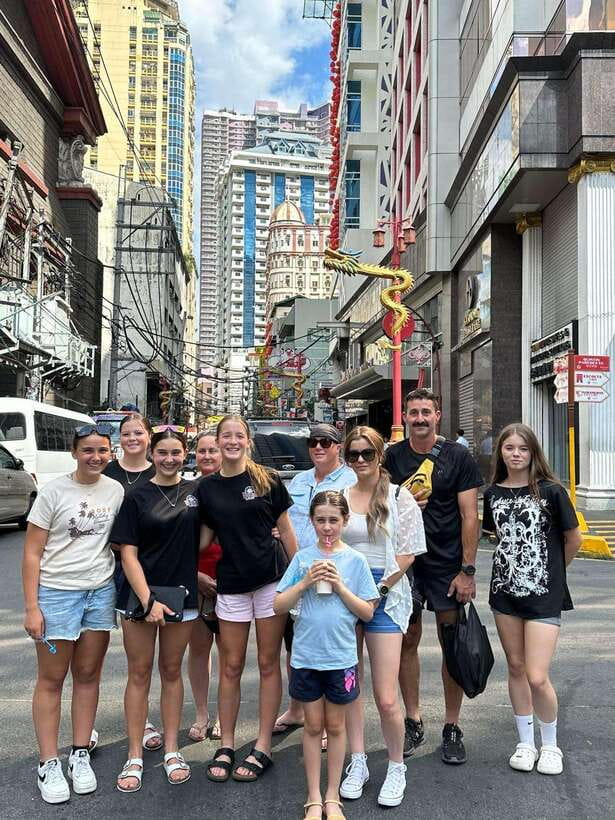
Reviewed · BINONDO CHINATOWN TOURS
Manila Chinatown Hidden Gems with Venus
Follow the food, and Binondo opens up. This two-hour tour takes you through Manila’s Chinese Filipino heart, pairing old churches and temples with street food, local transport, and side streets you might skip alone. I especially like the chance to ride a jeepney, electric tricycle, and tuk tuk, and I like having Venus explain how Binondo grew and how people live in the area today.
The tour’s best quality is its local focus. Venus leads you beyond the obvious streets, serves up Chinese treats such as hopia and dumplings, and helps you feel at ease in places that can be confusing on your own. The main caution is speed: you need to keep up, watch where Venus is going, and accept that two hours leaves little time to linger.
In This Review
- Key Points Before You Book
- Why Binondo Makes Such a Good Short Tour
- Starting at Binondo Church and the District’s Oldest Layers
- Ongpin Street: Shops, Snacks, and Street Energy
- Chinese Filipino Food in Small, Fast Bites
- Seng Guan Temple and Everyday Religious Practice
- Jeepneys, Electric Tricycles, and Tuk Tuks
- Venus as Your Guide Through the Side Streets
- How Much Value Do You Get for $65?
- Who Will Enjoy This Tour Most?
- Practical Advice for Your Two Hours
- Should You Book Manila Chinatown Hidden Gems With Venus?
- FAQ
- Where does the Manila Chinatown tour take place?
- What is the listed price?
- How long does the tour last?
- Who leads the tour?
- What food can I expect to try?
- Does the tour use local transportation?
- What is included in the price?
- Where is the meeting point?
- Can I cancel the booking?
Key Points Before You Book
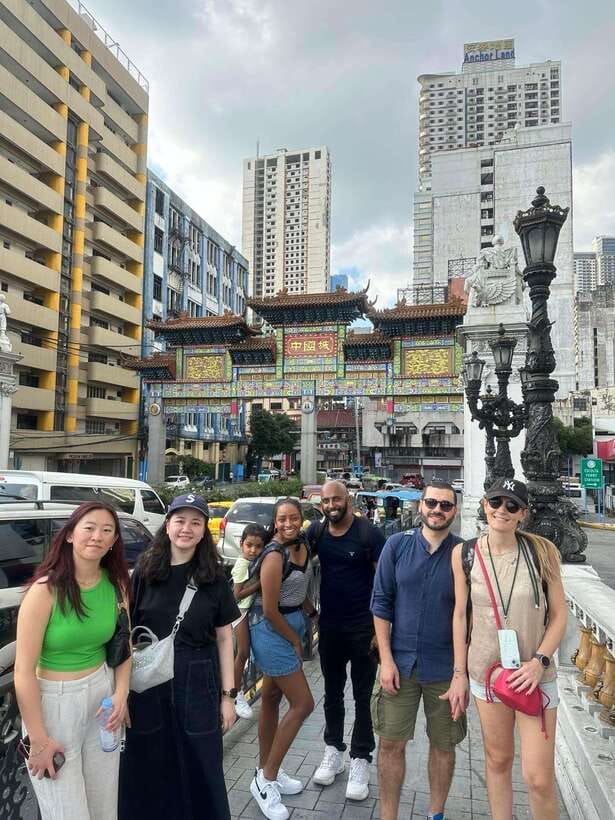
- Binondo Church dates to 1596: Begin with one of Manila’s major historic landmarks before entering the Chinese Filipino district.
- Food is part of the lesson: Expect Chinese dishes and snacks, with food tastings reported during the walking route.
- Three local rides add variety: The experience includes a jeepney, electric tricycle, and tuk tuk, giving you a quick look at everyday transport.
- Venus leads with confidence: She explains local life, answers questions, and guides you through streets you might avoid alone.
- The pace is brisk: This suits active visitors who want many impressions in two hours, not people who prefer long pauses.
- The meeting details need care: The supplied information names Tutuban Center Mall and Bonifacio Monument, while the experience is in Manila’s Binondo area. Confirm the exact meeting spot before setting out.
Why Binondo Makes Such a Good Short Tour
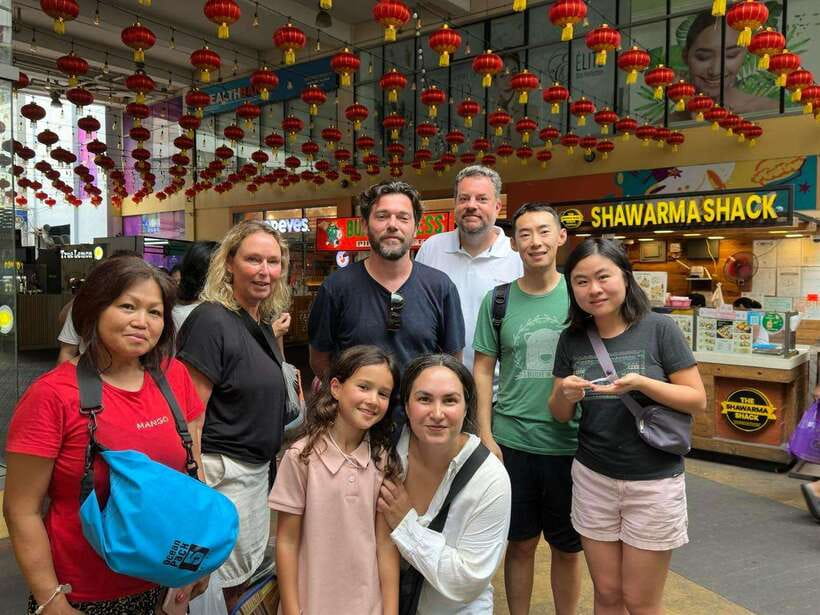
Binondo is often described as the oldest Chinatown in the world. Its importance comes from more than age. This is a living district where Chinese traditions, Filipino customs, commerce, worship, and food meet on crowded streets.
That mix makes the area far more interesting than a simple sightseeing stop. You are not just looking at historic façades. You are watching shops open, seeing people move between market streets, and tasting food that reflects generations of Chinese Filipino cooking.
A self guided walk can certainly show you Ongpin Street and a few restaurants. The hard part is understanding what you are seeing and deciding which turns are worth taking. Venus adds that missing context. She connects the landmarks with ordinary life and points out streets you may otherwise pass by.
You should also set your expectations correctly. This is not a slow architectural walk with long explanations at every stop. It is a compact introduction to Binondo, shaped by movement, food, and short conversations.
More Binondo and Chinatown food walks:
- Manila: Intramuros, Chinatown, and Old Manila Half-Day Tour
★ 4.8 · 475 reviews - Manila Food Tour: Explore World’s Oldest Chinatown
★ 5.0 · 158 reviews - Manila: Guided Food Tour of Binondo with Tastings
★ 4.8 · 38 reviews
Starting at Binondo Church and the District’s Oldest Layers
The route begins at Binondo Church, a historic landmark dating to 1596. That is an important starting point because it immediately shows the Filipino and Chinese sides of the district together.
The church helps explain why Binondo cannot be treated as a separate Chinese quarter sealed off from Manila. Its identity has always been tied to cultural exchange, religion, trade, and family life. You get a useful frame for the streets that follow.
I would pay close attention here, even if churches are not your main interest. The opening stop gives meaning to the rest of the visit, and Venus can answer questions about how the district developed.
The supplied meeting information requires special attention. It names Tutuban Center Mall and Bonifacio Monument, with instructions to ask mall security where to find the meeting point. Since the tour itself is described as a Binondo experience, confirm the precise location and landmark with V.S Tour Services before you go. A clear starting point matters when you are working with only two hours.
Ongpin Street: Shops, Snacks, and Street Energy
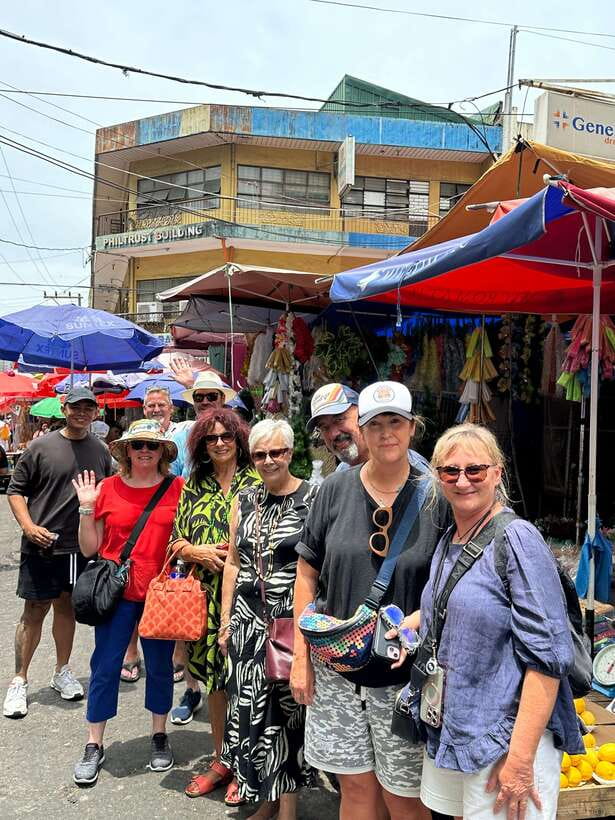
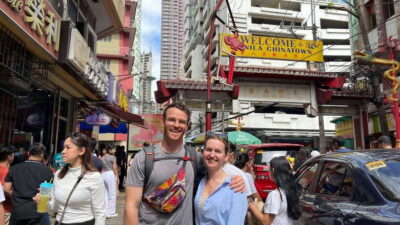
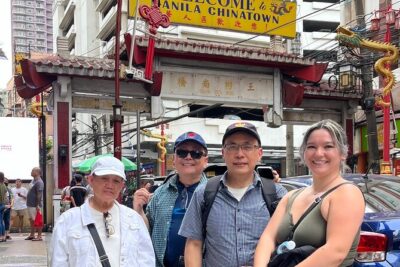
From the historic opening, the route moves into Ongpin Street, one of the main arteries of Manila’s Chinatown. Shops here sell Chinese herbs, delicacies, trinkets, and other goods. The street is a sensory shift from the church, with commercial life taking center stage.
This is where a guide earns the fee. You may recognize the general idea of a Chinatown market, but the meaning of a herb shop, pastry counter, or small food stall is less obvious. Venus helps turn a quick glance into a cultural lesson.
The street can also be a lot to absorb. Traffic, pedestrians, storefronts, and food stops compete for your attention. Keep your belongings secure, stay close to the guide, and wear shoes you can comfortably use for a brisk walk.
The route may include food from well known places such as Eng Bee Tin and Dong Bei Dumplings. Hopia, dim sum, and hand pulled noodles are among the foods associated with this part of the experience. The exact food selection can vary, so think of these as likely highlights rather than a fixed tasting menu.
Chinese Filipino Food in Small, Fast Bites
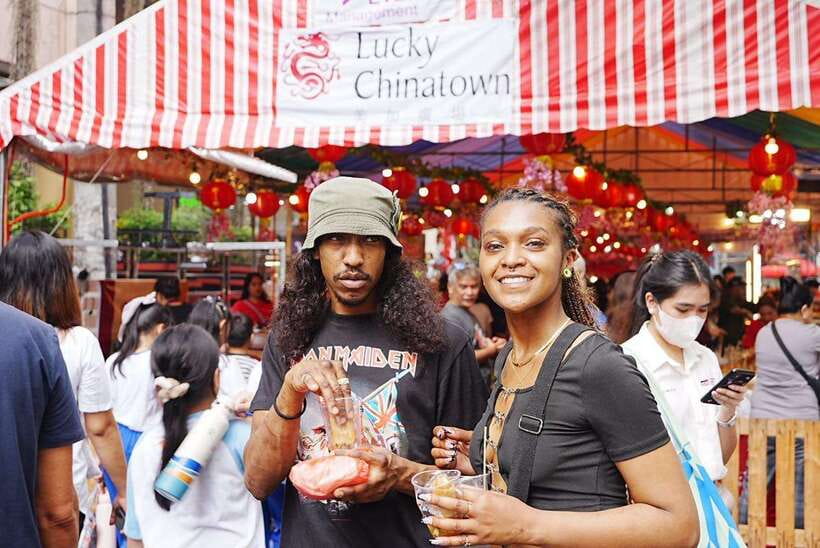
Food is one of the strongest reasons to choose this tour. In two hours, you can sample sweet, savory, and spicy Chinese dishes while learning how food fits into local culture.
Hopia is a useful example. This filled pastry is associated with Chinese Filipino baking and makes a simple snack during a walking tour. Dim sum offers a different experience, with small steamed or filled portions that are easy to share. Hand pulled noodles bring another texture and style to the route.
Dong Bei Dumplings is specifically named among the well loved eateries connected with the experience. Eng Bee Tin is also highlighted for Chinese delicacies. You should not assume every item is included in the $65 price unless V.S Tour Services confirms it, but the tour description and direct experience reports indicate that food tastings are part of the outing.
I like this approach because eating gives you something concrete to remember. A history talk can blur together after a busy morning. A dumpling, pastry, or bowl of noodles anchors the story in a real place.
The tradeoff is time. Food stops are likely short, and this is not a leisurely restaurant crawl. If you want to study each dish, compare menus, or sit through a full meal, plan to return to Binondo after the tour.
A few more trips and experiences worth a look
- Intramuros, Manila: Historical Bamboo Bike Tour
★ 4.8 · 583 reviews - Experience Intramuros with Bamboo Bicycle – Ecotours
★ 5.0 · 508 reviews - Manila: Old & New 4-Hour City Tour
★ 4.5 · 458 reviews - Manila Food Tour: Introduction to Philippine Street Food
★ 5.0 · 417 reviews
Seng Guan Temple and Everyday Religious Practice
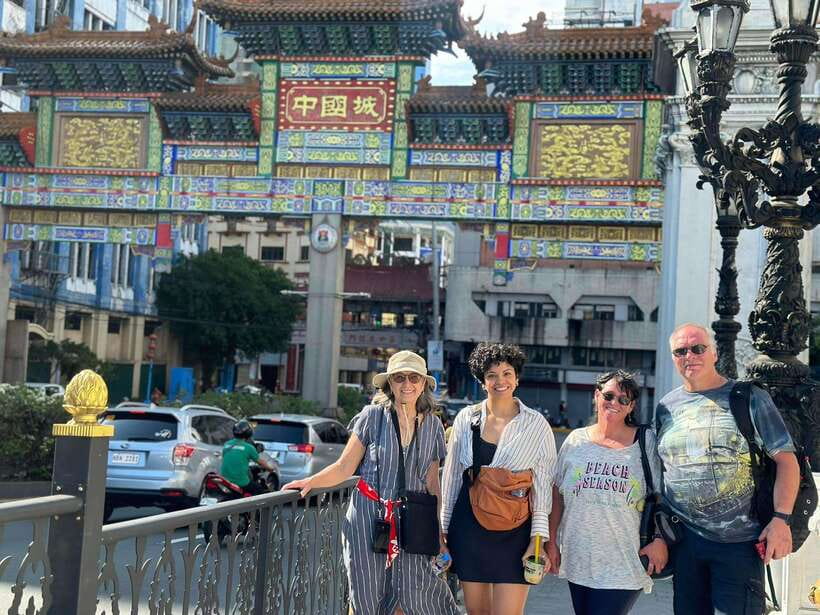
A visit to Seng Guan Temple adds another important layer. The temple is known for its detailed architecture and provides a chance to see local religious practice rather than only commercial Chinatown.
Treat the temple as a place of worship, not simply a photo stop. Follow Venus’s guidance, observe quietly, and ask before taking photographs if you are unsure. The value here is the connection between architecture and daily belief.
This stop also balances the food and transport sections. Without a temple, a short Chinatown tour could become little more than a market walk. Seng Guan gives you a calmer cultural reference point and helps show that Binondo’s identity is built from more than shopping and eating.
Because the overall route moves quickly, your visit may be brief. That is not necessarily a flaw, but it means you should not expect an extended temple tour or a detailed study of every feature.
Jeepneys, Electric Tricycles, and Tuk Tuks
The transport element gives this experience unusual character. The route includes local rides on a jeepney, an electric tricycle, and a tuk tuk. These are not decorative add ons. They show how movement through Manila works at street level.
A jeepney offers one of the clearest cultural snapshots in the tour. It is a practical public vehicle and a familiar part of daily life. The electric tricycle and tuk tuk add a different sense of scale, taking you through streets where a larger vehicle would be awkward.
These rides also make the tour feel less like a standard walking circuit. You are not simply moving between landmarks in a private vehicle. You are using local transport, which makes the experience more active and gives you a better sense of the district’s tight streets.
There is a practical catch. Each ride takes time, and boarding or changing vehicles can make the schedule feel compressed. Keep your attention on Venus, especially when crossing or moving through crowded areas. One direct account praised her ability to move through the streets but warned that you need to watch her closely to avoid falling behind.
Venus as Your Guide Through the Side Streets
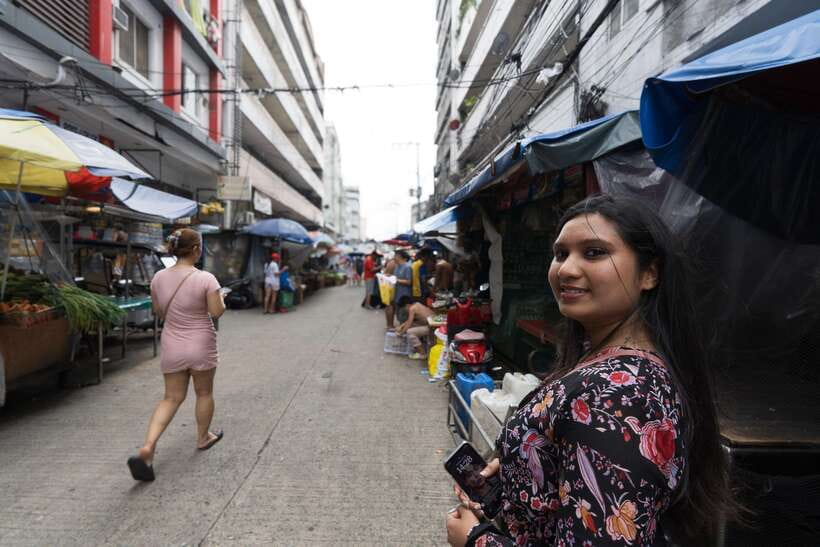
Venus is central to the experience. Her role is not limited to pointing out food shops. She explains Binondo’s origins, discusses Filipino culture, and offers context about daily life, including poorer parts of the city.
That kind of explanation can be valuable, but it requires a respectful attitude. You are seeing real homes, work, and public life, not a staged attraction. Listen carefully and avoid treating hardship as entertainment.
Her strongest practical contribution is confidence. The route includes streets you may not choose on your own, and her presence helps you feel more comfortable while exploring them. She also answers questions in English, making the tour suitable for English speaking visitors.
Her personal recommendations can extend beyond the two hours. After one tour, she shared restaurant and bar suggestions near a visitor’s hotel. That is a useful bonus if you want to keep exploring Manila after the walk.
The group information is unusual. The experience is listed as a small group limited to one participant, while another account describes a group of four. Because the details do not fully align, contact the provider if group size matters to you. The company also offers customized full day and private tours, so a more personal format may be possible.
How Much Value Do You Get for $65?
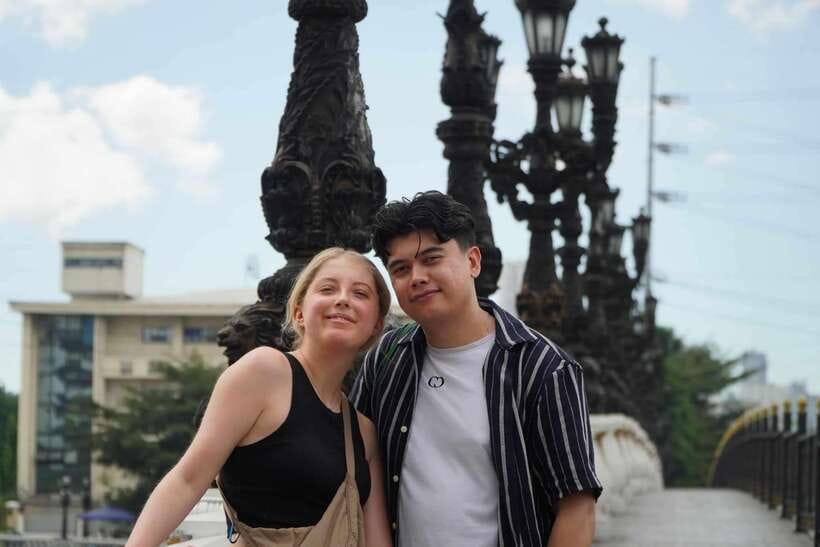
At $65 per person, this is not the cheapest way to walk through Binondo. The price makes more sense if you value interpretation, food tastings, local transport, and the confidence of having a guide in an unfamiliar district.
You are paying for more than a route map. The tour combines history at Binondo Church, market streets, Chinese food, a temple, and several forms of transport in just two hours. Recreating that plan independently would require research, food decisions, navigation, and a willingness to board unfamiliar vehicles.
The value is strongest for a first visit. If you already know Binondo well, you may prefer to spend the same money on a longer meal or a self directed food crawl. If you have limited time in Manila, the tour gives you a concentrated introduction without asking you to solve every logistical problem yourself.
Bottle water and a local English speaking guide are included. The food tastings and transport experiences are described as part of the activity, but confirm exactly what the price covers before booking, especially if you have dietary restrictions or want to budget for additional dishes.
Who Will Enjoy This Tour Most?
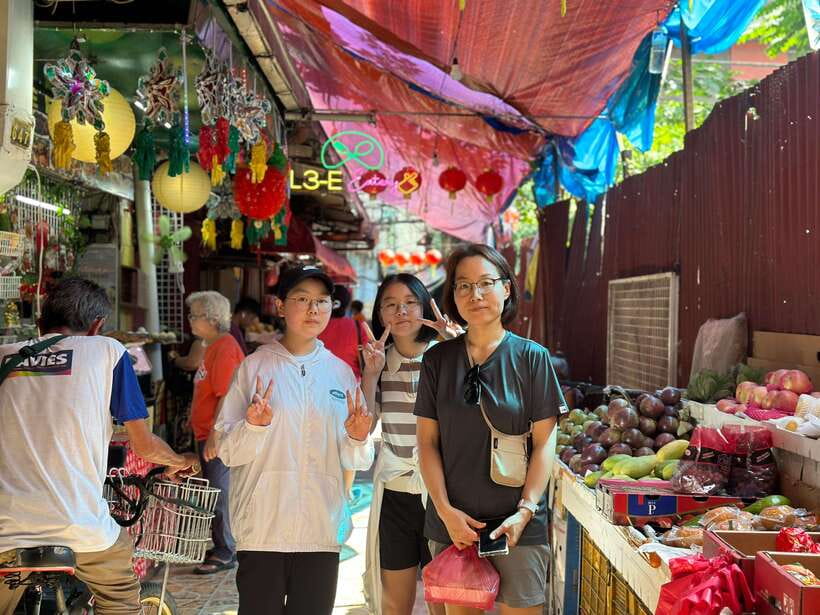
I would recommend it to you if you want a quick, personal introduction to Manila’s Chinese Filipino culture. It works well for first time visitors, food curious people, and anyone who would rather have a local guide lead the way through busy streets.
It is also a good match if you enjoy public transport as part of sightseeing. The jeepney, electric tricycle, and tuk tuk rides are a genuine feature, not just a way to fill time.
You should think twice if you need a slow pace. One two hour visit was described as fast, with little time to stop and take in every scene. If you like lingering over photographs, reading every sign, or eating a full meal at each stop, this format may leave you frustrated.
It may also be less suitable for anyone who dislikes crowded streets or frequent changes of direction. The tour asks you to stay alert and remain near the guide.
Practical Advice for Your Two Hours
Wear comfortable walking shoes and keep your schedule flexible around the starting time. Two hours sounds generous, but the combination of walking, food stops, temple visits, and transport changes uses the time quickly.
Bring an appetite, but do not arrive expecting a long sit down meal. The food is best understood as a series of tastes that help explain the district.
Ask Venus questions early. She can provide context about Binondo’s history, local customs, and food, but a fast moving route leaves less room for questions if you wait until the final minutes.
Confirm the meeting point before the day of the tour. The supplied information refers to Tutuban Center Mall and Bonifacio Monument, and it tells you to ask mall security for directions. Since location wording can cause confusion, a message to V.S Tour Services is worth the effort.
The activity offers free cancellation up to 24 hours before the start and allows you to reserve now and pay later. Those terms are useful if your Manila schedule is still shifting.
Should You Book Manila Chinatown Hidden Gems With Venus?
Book it if you want Binondo explained by a local guide rather than simply photographed from the main road. The combination of Venus’s clear guidance, Chinese food tastings, historic places, and three types of local transport gives you a lot in two hours.
The main warning is pace. This is a quick-moving introduction, not a slow food tour or an extended history walk. Confirm the meeting point, ask what food is included, and be ready to stay close to Venus.
For a first look at Manila’s Chinatown, the $65 price is reasonable when you value local context and easier navigation. For a return visit, I would consider the company’s private or customized full day option, especially if you want more time for meals, temples, and side streets.
FAQ
Where does the Manila Chinatown tour take place?
The experience takes place in Binondo, Manila’s Chinatown. The route includes Binondo Church, Ongpin Street, food stops, and Seng Guan Temple.
What is the listed price?
The listed price is $65 per person.
How long does the tour last?
The tour lasts two hours.
Who leads the tour?
The tour is led by Venus, an English speaking local guide from V.S Tour Services.
What food can I expect to try?
The experience includes Chinese food tastings. Foods highlighted include dim sum, hopia, and hand pulled noodles, with Eng Bee Tin and Dong Bei Dumplings named as food stops or examples.
Does the tour use local transportation?
Yes. The experience includes local transportation, with direct details describing rides on a jeepney, electric tricycle, and tuk tuk.
What is included in the price?
A local guide and a bottle of water are included. The activity also includes experience with local transportation, and food tastings are described as part of the tour.
Where is the meeting point?
The supplied meeting information names Tutuban Center Mall and Bonifacio Monument and says to ask mall security where to find the meeting point. Confirm the exact location with V.S Tour Services before arrival.
Can I cancel the booking?
Yes. You can cancel up to 24 hours in advance for a full refund. The experience also offers reserve now and pay later.
Just added around Manila
- Embark on a 7-Day Banaue-Sagada Adventure of a Lifetime★ 5.0 · 3 reviews
- Philippines Intro 3 days 2 nights Tour Best of Manila and Beyond★ 5.0 · 3 reviews
- Pagsanjan Falls Adventure with Lunch and Rapids Experience★ 4.5 · 3 reviews
- Manila: Intramuros Tour ( Dark)★ 4.7 · 3 reviews
- Manila: Intramuros Heritage Tour★ 4.2 · 3 reviews
- From Manila: Philippines Private Tour Guide★ 4.1 · 3 reviews
- Discover the Real Manila with a Local Guide★ 5.0 · 3 reviews
- MANILA: HISTORICAL KALESA RIDE TOUR EXPERIENCE IN INTRAMUROS★ 4.0 · 3 reviews
Binondo Chinatown Tours, side by side.

Intramuros, Chinatown, and Old Manila Half-Day Tour
Read the review →
Manila Food Tour: Explore World’s Oldest Chinatown
Read the review →
Intramuros, Chinatown, and Old Manila Half-Day Tour
Read the review →
Intramuros & Chinatown Manila Tour – Walking, Food & Culture
Read the review →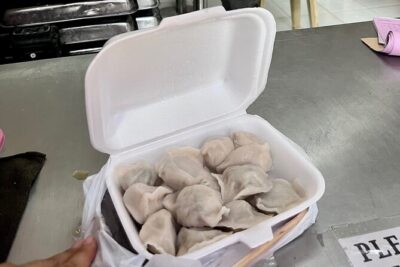
Where else this one shows up