
Reviewed · INTRAMUROS TOURS
Explore Intramuros The Spanish City of Philippines
The stones here still have stories. Intramuros gives you a compact, walkable look at Manila’s Spanish colonial past, with cobblestone lanes, old churches, military walls, and sites tied to the country’s heroes and painful chapters. In two hours, you move between several major landmarks without spending your day on a long bus ride.
I like the way this tour combines Fort Santiago and its dungeon with the grander religious architecture of San Agustin Church and Manila Cathedral. I also like the local guide format. Jane is praised for bringing the stories to life, while Richard has also received strong marks for leading an enjoyable visit.
The main drawback is the pace. Two hours is enough for a focused introduction, but not enough for a slow look at every corner of Intramuros. You will also spend much of the tour walking over uneven cobblestones, so comfortable shoes are essential.
In This Review
- Five things to know before walking inside the walls
- Starting at Casa Manila in the heart of Intramuros
- Walking the Spanish city on cobblestone streets
- Fort Santiago and the dungeon
- San Agustin Church and the UNESCO connection
- Casa Manila and the feel of colonial life
- Manila Cathedral and the final major landmark
- What the $50 price really covers
- Who will enjoy this Intramuros walk
- Practical advice for a smoother visit
- Should you book this tour?
- FAQ
- Where does the tour meet?
- How long does the tour last?
- What language is the tour conducted in?
- What is included in the price?
- Which major sites are visited?
- How much walking is involved?
- How much does the experience cost?
- Can I cancel for a full refund?
Five things to know before walking inside the walls
- The meeting point is Casa Manila, outside Barbara’s Restaurant in the center of Intramuros.
- Fort Santiago entrance is included, along with bottled water and an English-speaking local guide.
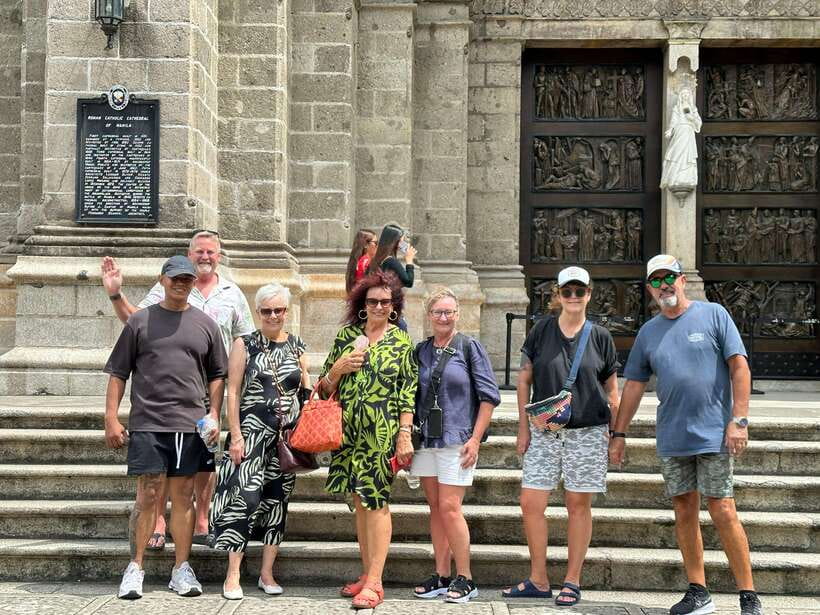
- San Agustin Church is a key stop, and it is presented as a UNESCO Heritage Site.
- The route covers major landmarks on foot, including Fort Santiago, Casa Manila, and Manila Cathedral.
- Two hours keeps the tour efficient, but you should not expect a full study of every church, museum, and wall.
- The experience costs $50 per person, which is strongest value for visitors who want context and guided access rather than a quick self-guided walk.
Starting at Casa Manila in the heart of Intramuros
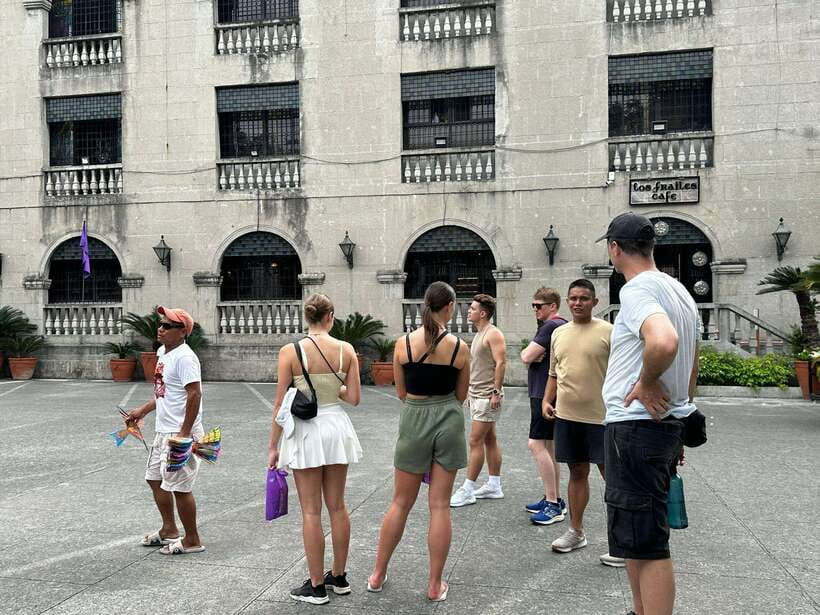
Your walk begins at historic Casa Manila, outside Barbara’s Restaurant. This is a practical meeting point because you start in the middle of Intramuros rather than wasting time crossing Manila to reach the old city.
Casa Manila also sets the mood. The area around it gives you an immediate sense of the Spanish-era character of Intramuros, with old-style buildings and cobblestone streets. You should arrive ready to walk, not expecting a seated introduction or a vehicle-based tour.
The meeting instructions are clear, but one detail deserves attention. The supplied location information identifies Nueva Vizcaya, while the meeting point and all described sights are in Intramuros, Manila. Confirm the exact location on your booking before setting out, and use Casa Manila outside Barbara’s Restaurant as the practical reference point provided for the tour.
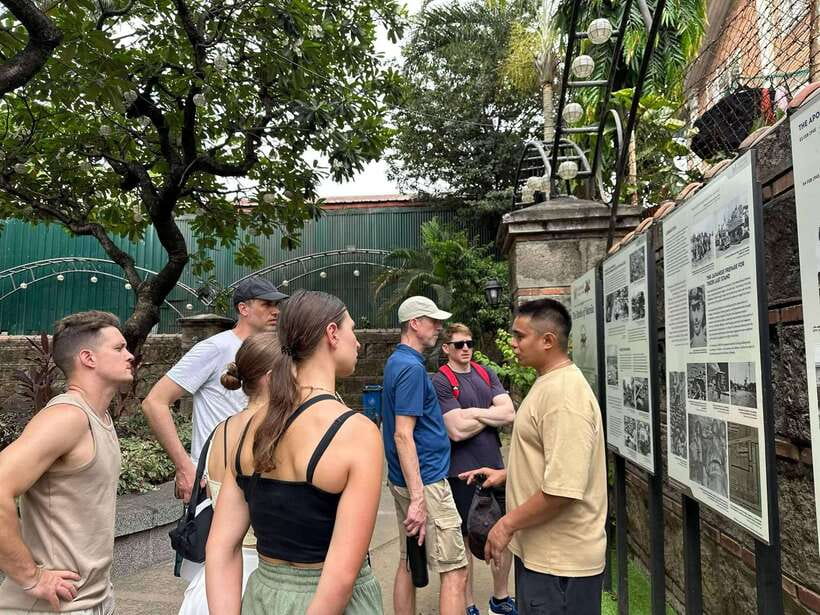
Your English-speaking guide leads the route and supplies the background that makes the buildings easier to understand. Without that explanation, Intramuros can look like a collection of old walls and churches. With a guide, the streets become a timeline of colonization, religion, conflict, and Philippine identity.
More ways to see Intramuros:
- Intramuros, Manila: Historical Bamboo Bike Tour
★ 4.8 · 583 reviews - Experience Intramuros with Bamboo Bicycle – Ecotours
★ 5.0 · 508 reviews - Manila: Intramuros, Chinatown, and Old Manila Half-Day Tour
★ 4.8 · 475 reviews
Walking the Spanish city on cobblestone streets
Intramuros is best understood on foot. The short distances between its landmarks let you see the relationship between churches, homes, defensive structures, and civic buildings in a way that a passing car cannot provide.
The cobblestones are part of the appeal, but they also create the tour’s main physical challenge. Some areas are uneven, and you will be walking for most of the two-hour visit. Wear shoes with good support, carry water, and take care around rough sections.
The tour supplies bottled water, which is useful in Manila’s warm conditions. Still, you should arrive prepared to stay hydrated. The walk is not described as strenuous, but it is active, and the old streets are not built like a modern pavement network.
A guide also helps you notice details you could easily miss. One piece of feedback described being shown places that the visitor would not have found alone. That is an important benefit here. The value is not only in reaching the famous sights, but in having someone point out why they matter and how they connect.
Fort Santiago and the dungeon
Fort Santiago is the tour’s strongest stop for understanding Intramuros as a place of defense and imprisonment. The entrance fee is included, so you do not need to budget separately for access to the fort.
Expect the fort to feel more severe than the surrounding church and house interiors. Its walls and passageways bring attention to the military side of colonial Manila. The dungeon adds a darker layer, reminding you that Intramuros was not simply a picturesque Spanish quarter.
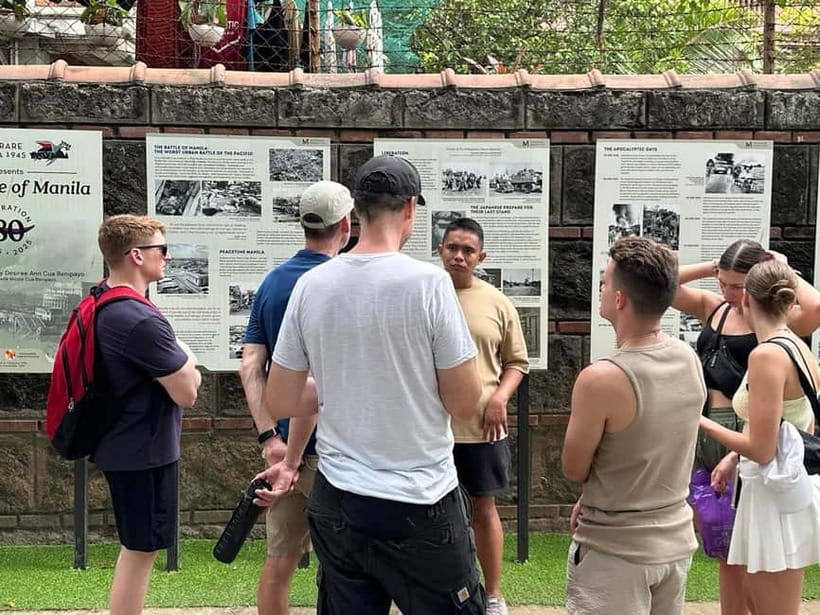
The tour connects Fort Santiago with stories of heroes, colonization, and national memory. That context matters because a fort can otherwise become just another old structure to photograph. Here, the guide’s explanations help you understand how power was enforced and how later generations remembered the people connected with the site.
You should allow yourself to listen closely at this stop. Fort Santiago is one of the places where a short tour can feel meaningful, but only if the guide has time to explain the setting. Since the full walk lasts two hours, the visit will be focused rather than leisurely.
San Agustin Church and the UNESCO connection

San Agustin Church brings a very different mood. After Fort Santiago’s defensive character, the church shifts the focus toward religion, architecture, and the long influence of Spanish rule.
It is presented as a famous UNESCO Heritage Site, making it one of the most important stops on the route. You get a chance to see one of Intramuros’ best-known religious landmarks while hearing how churches helped shape colonial life and Philippine culture.
I like this pairing with Fort Santiago. The fort shows control through walls and military force. San Agustin Church shows how belief, ceremony, and architecture also shaped the city. Together, the two sites give you a broader picture than either one could provide alone.
The visit is still part of a fast route, so do not expect an extended architectural study. If you enjoy church interiors, carved details, or long historical explanations, you may want to return later with more time. The guided stop works best as a clear introduction.
A few more trips and experiences worth a look
- Manila: Old & New 4-Hour City Tour
★ 4.5 · 458 reviews - Manila Food Tour: Introduction to Philippine Street Food
★ 5.0 · 417 reviews - Manila Old and New: Sightseeing Tour Including Intramuros and Fort Santiago
★ 4.5 · 377 reviews - Spectacular Manila to Tagaytay: Full-Day Sightseeing Tour
★ 5.0 · 349 reviews
Casa Manila and the feel of colonial life
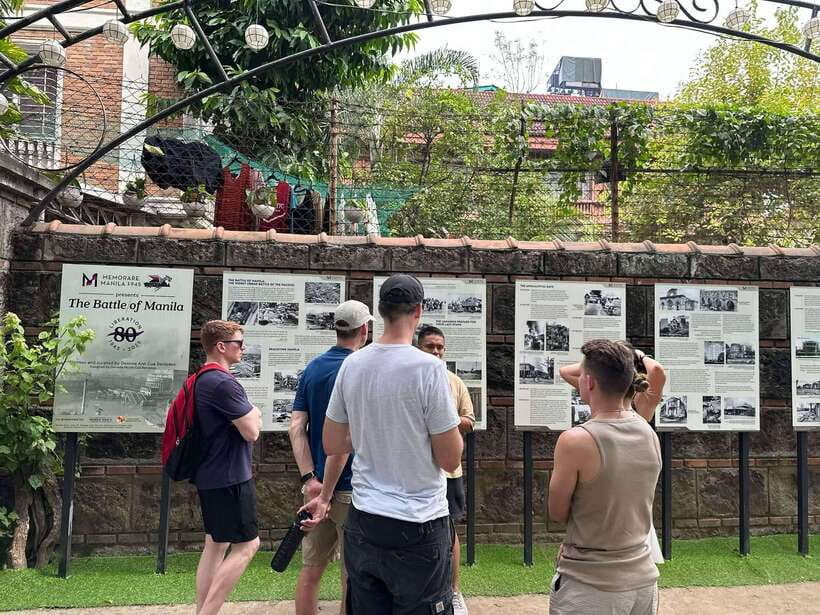
Casa Manila is both the meeting point and one of the places included in the walking experience. While Fort Santiago and San Agustin Church represent public power, defense, and religion, Casa Manila helps introduce the residential side of old Intramuros.
That change of scale is useful. You move from walls and grand religious buildings to a setting that helps you think about daily life, domestic spaces, and the social order of the colonial period.
Because the meeting point is outside Casa Manila, you should pay attention to the exact instructions. Meet your guide outside Barbara’s Restaurant, right in the heart of Intramuros, rather than assuming the tour begins at a separate transport terminal.
Casa Manila also gives the route a natural starting point. You can settle into the old-city setting before moving toward the larger landmarks. If you arrive early, the surrounding area provides a useful first look at the streets and architecture you will explore.
Manila Cathedral and the final major landmark
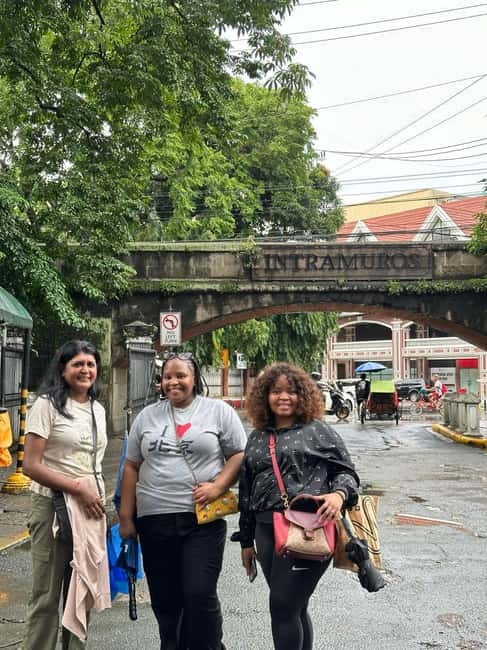
Manila Cathedral gives the tour another important architectural and religious stop. Its presence helps round out the route after San Agustin Church, allowing you to compare two major places of worship within the walled city.
The cathedral also reinforces how central religion was to the development of Intramuros. Your guide can place the building within the larger story of colonial Manila, rather than leaving you with only a name and a photograph.
The attraction of this stop is its place in the overall sequence. You are not visiting isolated monuments. You are walking through a compact historic district where churches, forts, homes, and streets sit close enough to be understood as parts of one city.
Time is the limiting factor. Two hours gives you enough to see the main places, but you may need to keep moving between them. If you prefer lingering at every site, taking extensive photographs, or reading every display, this tour may feel brisk.
What the $50 price really covers
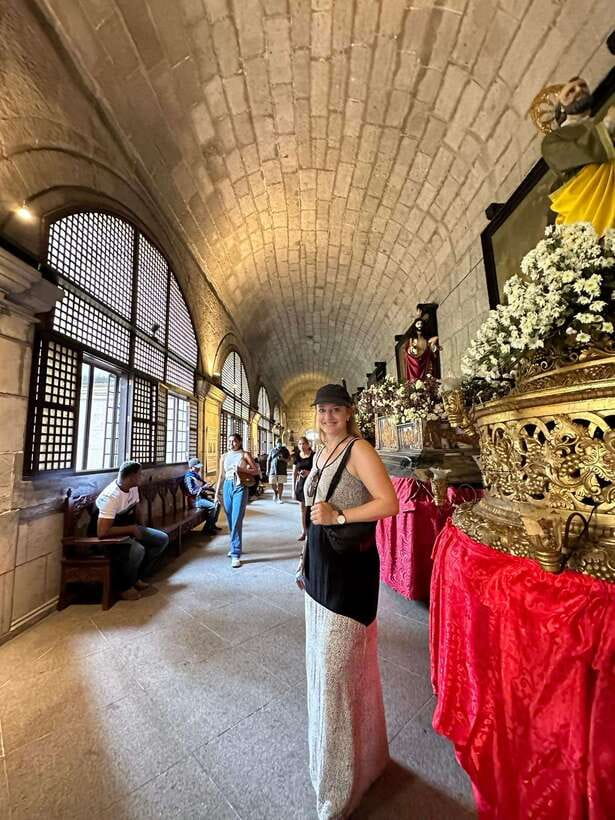
At $50 per person, the tour is not the cheapest way to walk through Intramuros. You are paying for a local English-speaking guide, the Fort Santiago entrance fee, and bottled water, along with the convenience of a planned route through the main sights.
The value depends on how you like to explore. If you are comfortable researching the history yourself and finding each landmark alone, a self-guided visit may cost less. If you want someone to connect the sites, explain the difficult parts of the past, and lead you to places you might otherwise miss, the price is easier to justify.
The guide is the central part of the experience. Jane receives especially strong praise for her knowledge and storytelling, with feedback describing her as someone who made the area’s stories come alive. Richard also receives positive comments for making the tour enjoyable. Guide availability can change, so you should not book solely on the promise of one particular person, but the feedback points to guiding as a real strength.
The 4.5 rating from five reviews suggests a consistently positive experience, though the sample is small. I would treat that score as encouraging rather than final proof. The clearest pattern is that the tour works best when you value explanation and personal guidance.
Who will enjoy this Intramuros walk
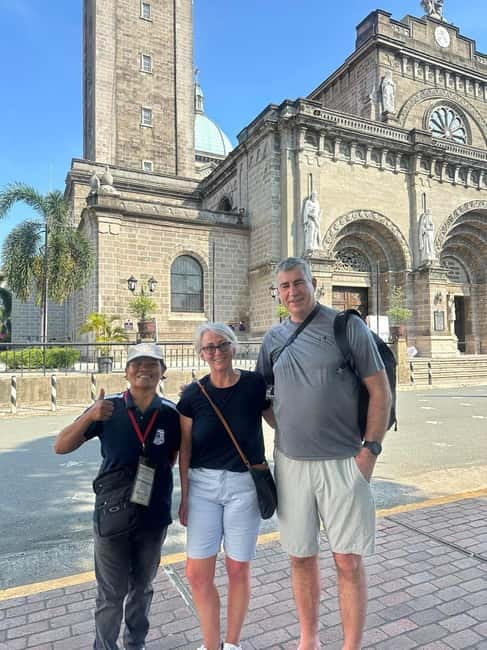
I would recommend this tour to first-time visitors who want a quick introduction to Manila’s old city. It is also a good fit if you have only a short window and want to see several major landmarks without planning the route yourself.
History-minded visitors should appreciate the range. You get military history at Fort Santiago, religious architecture at San Agustin Church and Manila Cathedral, and a domestic setting at Casa Manila. The tour also touches on heroes, colonization, and culture, giving you useful context for later sightseeing in the Philippines.
It suits solo visitors particularly well. The guide can help you find less obvious places and make the walk feel more purposeful than simply following a map. English is the tour language, so you should be comfortable listening to historical explanations in English.
I would be more cautious about recommending it to anyone who dislikes walking on uneven ground. It is also not ideal if you want a slow, detailed museum visit. The route is designed to cover the main sights in a compact period.
Practical advice for a smoother visit
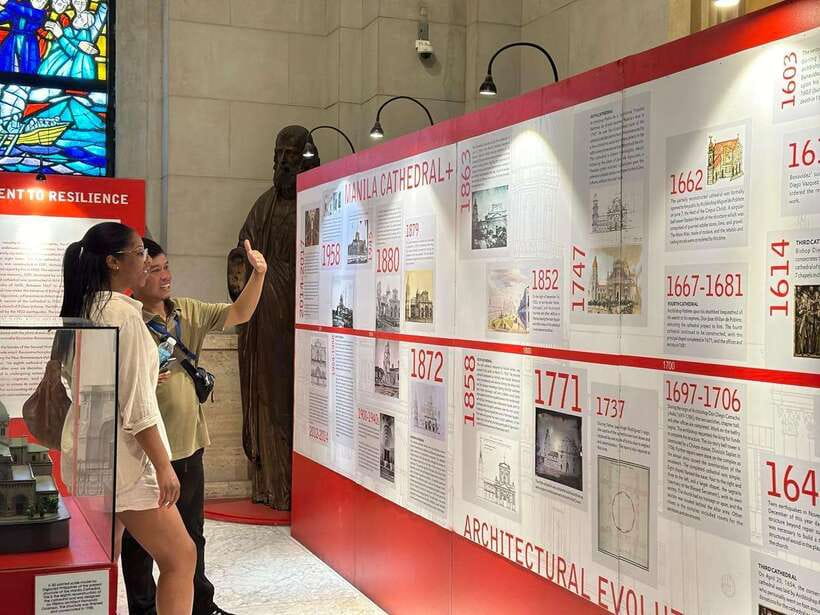
Wear comfortable walking shoes. This is the most important preparation because the streets are mostly cobblestone, with uneven sections around the historic sites.
Bring enough drinking water for your own comfort, even though bottled water is included. Keep your schedule flexible around the two-hour duration, since the exact starting time depends on availability.
You can cancel up to 24 hours in advance for a full refund, and the reserve-now, pay-later option gives you some flexibility when plans are not settled. Those policies are useful if you are building a wider Manila itinerary and do not want to commit all your spending immediately.
Keep your expectations realistic. This is a guided overview, not a full-day archaeological or architectural course. Its strength is the combination of major sites and clear storytelling in a short period.
Should you book this tour?
Book it if you want a focused introduction to Intramuros, prefer walking with a guide, and value the stories behind the buildings. The included Fort Santiago admission and the strong praise for guides such as Jane and Richard add useful value to the $50 price.
Skip it if you would rather explore at your own pace, spend long periods inside each church, or avoid cobblestones. For everyone else, this is a practical way to meet Manila’s Spanish walled city, especially when your schedule allows only two hours.
FAQ
Where does the tour meet?
Meet your guide at historic Casa Manila, outside Barbara’s Restaurant, in the heart of Intramuros.
How long does the tour last?
The tour lasts two hours.
What language is the tour conducted in?
The live tour guide speaks English.
What is included in the price?
The experience includes bottled water, the Fort Santiago entrance fee, and a local tour guide.
Which major sites are visited?
The tour covers Intramuros, Fort Santiago and its dungeon, San Agustin Church, Casa Manila, and Manila Cathedral.
How much walking is involved?
The tour involves a lot of walking on mostly cobblestone streets, with uneven sections in some areas.
How much does the experience cost?
The listed price is $50 per person.
Can I cancel for a full refund?
Yes. You can cancel up to 24 hours in advance for a full refund.
Just added around Manila
- Embark on a 7-Day Banaue-Sagada Adventure of a Lifetime★ 5.0 · 3 reviews
- Philippines Intro 3 days 2 nights Tour Best of Manila and Beyond★ 5.0 · 3 reviews
- Pagsanjan Falls Adventure with Lunch and Rapids Experience★ 4.5 · 3 reviews
- Manila: Intramuros Tour ( Dark)★ 4.7 · 3 reviews
- Manila: Intramuros Heritage Tour★ 4.2 · 3 reviews
- From Manila: Philippines Private Tour Guide★ 4.1 · 3 reviews
- Discover the Real Manila with a Local Guide★ 5.0 · 3 reviews
- MANILA: HISTORICAL KALESA RIDE TOUR EXPERIENCE IN INTRAMUROS★ 4.0 · 3 reviews
Intramuros Tours, side by side.

Intramuros, Manila: Historical Bamboo Bike Tour
Read the review →
Experience Intramuros with Bamboo Bicycle – Ecotours
Read the review →
Intramuros, Chinatown, and Old Manila Half-Day Tour
Read the review →Manila Old and New: Sightseeing Tour Including Intramuros and Fort Santiago
Read the review →


Explore Intramuros: Introduction to Philippine History
Read the review →Where else this one shows up