
Reviewed · COOKING CLASSES
Cebu Traditional Bamboo Cooking
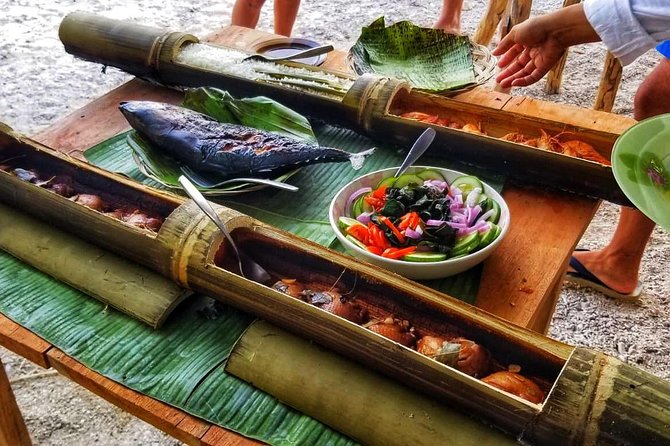
Bamboo turns lunch into a small adventure. At Hadsan Cove Resort in Marigondon, Lapu-Lapu City, you prepare Filipino dishes, pack them into bamboo, and let charcoal bring out a smoky flavor that metal cookware cannot match. I like the hands-on cooking and the chance to swim at the beach while your food cooks. The four-hour format also gives you time to eat without rushing.
I especially like that this is a private activity, so your group can work at its own pace instead of sharing a crowded kitchen. Guide Lerelei received warm praise for making the session fun, and the food was described as outstanding. The main drawback is the price: at $109.99 per person, this is not a cheap lunch, particularly if you are paying for a large family.
You also need at least two people and three days of notice, since the bamboo must be ordered ahead. Bad weather can affect the schedule, and the strict cancellation policy means you should book only when your plans are firm.
In This Review
- Five things to know before you book
- Why bamboo cooking makes this Cebu class different
- Arriving at Hadsan Cove Resort in Marigondon
- The opening talk: a short look at Filipino cooking history
- Preparing chicken, pork, and seafood dishes
- What happens while the bamboo cooks
- Sitting down to eat what you made
- Photos and recipes after the class
- How much value do you get for $109.99?
- Who will enjoy this four-hour experience?
- Booking advice for the best experience
- Is Cebu Traditional Bamboo Cooking worth booking?
- FAQ
- Where does the bamboo cooking class take place?
- How long does the experience last?
- What is included in the price?
- What dishes will I prepare?
- Can I swim during the cooking class?
- Is transportation included?
- Is this a private activity?
- How many people are required to book?
- How far in advance should I book?
Five things to know before you book
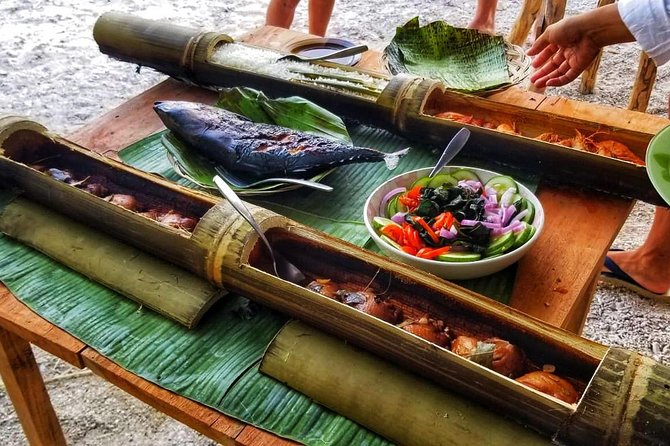
- Your cooking fire is charcoal: Bamboo gives the food a smoky taste that is difficult to reproduce in a metal pot.
- The menu covers a full Filipino meal: You prepare three main dishes featuring chicken, pork, and seafood, plus native salad, rice, and fruit.
- The beach is part of the experience: You can take a swim while the food cooks in the bamboo.
- The session is private: Only your own group participates, which makes the class more relaxed and personal.
- Photos and recipes come later by email: You receive pictures from the session and recipes to use at home.
Why bamboo cooking makes this Cebu class different
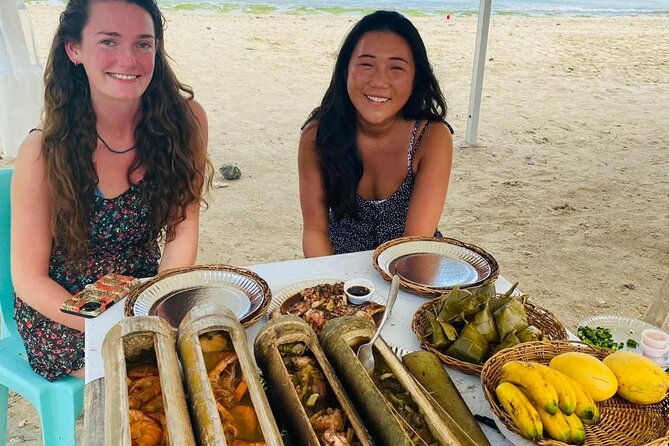
Many cooking classes teach you how to chop, season, and plate a dish. This one adds a traditional cooking method that becomes the main event. Bamboo acts as both container and cooking vessel, holding the prepared ingredients over charcoal until the meal is ready.
That matters because the bamboo and charcoal shape the flavor. The food takes on a distinct smoky quality, giving familiar Filipino ingredients a taste you will not get from a modern saucepan. You are not simply following a recipe. You are watching how an older, practical cooking method still works today.
The activity is based on a survival style of cooking from a time before ordinary cookware was available. That historical idea is presented briefly at the start, so you get useful context without spending the whole morning in a lecture.
I like this balance. You learn why bamboo matters, then get to work with the ingredients and tools. The method also gives the class a natural pause: once the food is over the charcoal, you have time to enjoy the beach.
A few more trips and experiences worth a look
- Manila Filipino Cooking Class: Meryenda Favorites
★ 5.0 · 80 reviews - Makati: Hands on Manila Cooking Class
★ 5.0 · 49 reviews - Private Filipino cooking class in a local Manila Home
★ 5.0 · 28 reviews
Arriving at Hadsan Cove Resort in Marigondon
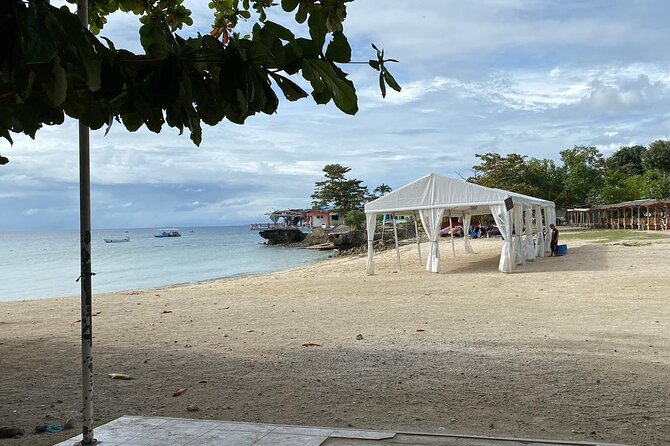
The class takes place at Hadsan Cove Resort in Agus, Gamay, The Beach Park, Lapu-Lapu City, Cebu. The cooking area is in front of the beach, so the setting is much more pleasant than an indoor demonstration room.
Pickup is offered, but private transportation is not included. Confirm the exact pickup arrangement before you go, especially if you are staying away from Marigondon. The meeting point is also near public transportation, which gives you another way to reach the resort.
The experience begins and ends at the same meeting point. That makes the outing easy to fit into a Cebu day, but you should still allow enough time for the journey to Lapu-Lapu City. The official activity lasts about four hours, not counting your ride there and back.
Since this is a private class, only your group takes part. That is useful if you want to ask questions, cook at your own pace, or keep the day focused on family and friends. It also means the cost is per person, so the value improves when you are splitting the experience with several people in your own party.
The opening talk: a short look at Filipino cooking history
Before the chopping starts, you receive a brief introduction to Filipino cooking history. The key idea is simple: bamboo once offered a practical way to cook when manufactured cookware was not available.
This introduction gives the rest of the class a purpose. You understand why the bamboo shell is not just a decorative prop, and why charcoal is central to the method. It also gives you a way to think about Filipino food beyond a list of dishes.
Do not expect a long cultural seminar. The information provided describes the history portion as brief, which is probably the right choice for a four-hour food activity. Most of your time is reserved for preparation, cooking, swimming, and eating.
Preparing chicken, pork, and seafood dishes
Next comes the practical work. You prepare spices and herbs for the meal, with three main courses built around chicken, pork, and seafood. The description also specifically identifies shrimp and fish, so the seafood portion can include both shellfish and fish, depending on the planned menu.
The supplied meal also includes native Filipino garden salad, steamed or hanging rice, and a local fruit dessert. One part of the description calls the rice hanging rice, while the inclusions list steamed rice. Expect a rice accompaniment, with the precise presentation best confirmed when you book.
This is a useful menu for a first look at Filipino cooking because it does not focus on just one protein. You get poultry, meat, and seafood, then balance them with vegetables, rice, and fruit. That makes the meal feel like lunch rather than a small tasting session.
All cooking tools, ingredients, aprons, hairnets, and the bamboo shell are included. You do not need to arrive with special equipment. The apron and hairnet also make it clear that you are expected to participate, not simply watch a chef work.
The class is a good fit if you like learning by doing. You will handle the preparation yourself, although the available information does not specify how much chopping or seasoning each person does. If you prefer a demonstration with very little participation, this may feel more active than expected.
Something different, still within reach of Cebu:
- Cebu City: Whale Shark Swimming & Kawasan Falls Canyoneering
★ 4.7 · 665 reviews - Cebu Moalboal: Kawasan Canyoneering Adventure with Lunch
★ 4.9 · 630 reviews - Cebu City: Bohol Countryside Tour with Loboc Cruise Lunch
★ 4.5 · 488 reviews - Canyoneering Experience in Kawasan Falls with Lunch
★ 5.0 · 440 reviews
What happens while the bamboo cooks
Once the ingredients are prepared and placed in the bamboo, charcoal does the slow work. This is the quietest part of the session, but it is not dead time. You can take a refreshing swim at the beach while you wait for the food to cook.
That beach break is one of the best features of the schedule. A cooking class can feel repetitive if you spend four hours standing around a counter. Here, the cooking method creates a built-in change of pace. You prepare the meal, cool off by the water, then return when lunch is ready.
The setting also makes this more than a standard food lesson. You are cooking in front of a beach, with the meal connected to its surroundings rather than served in a generic classroom. Bring what you need for swimming, but keep in mind that the information provided does not describe changing facilities, towels, or storage. Those details are worth checking before arrival.
While the main courses cook, a Filipino dessert made from local seasonal fruits is prepared. Seasonal fruit keeps the final course tied to what is available locally, although the exact fruit is not specified. You should not book this expecting a fixed dessert menu.
Sitting down to eat what you made
After the cooking is complete, you eat the dishes prepared during the class. The included meal covers three main courses, native Filipino salads, rice, and fruit.
You also receive two drinks of your choice from the listed options: beer, soda, or lemongrass tea. The wording suggests two drinks per person, but you should confirm that point at booking if it matters to your budget or party. Lemongrass tea is the most fitting choice for a food-focused afternoon, while beer may appeal after time beside the beach.
The best part of eating here is the connection between the meal and the work that came before it. You know how the ingredients were seasoned, how the bamboo was used, and how the charcoal affected the final taste. That makes the smoky flavor more memorable than it would be in a restaurant dish ordered from a menu.
The meal is also substantial enough to replace lunch. You are not paying $109.99 for a quick sample and a drink. You are paying for instruction, ingredients, equipment, a private setting, a full meal, drinks, and a beach break. Still, the price is high for Cebu, so the value depends on how much you enjoy the activity itself.
Photos and recipes after the class
After the session, an email is sent with pictures taken during the activity and the recipes. This is a useful extra because the method is unusual enough that you may not remember every step later.
The recipes give you a chance to repeat the Filipino dishes at home. Recreating the smoky bamboo effect may be difficult if you do not have access to suitable bamboo and charcoal, but the seasoning and preparation instructions should still be useful for ordinary cooking.
The photos are also practical souvenirs. Instead of leaving with only a full stomach, you have a record of the cooking process and the meal. Make sure the provider has the correct email address, especially if you book through someone else.
How much value do you get for $109.99?
At $109.99 per person, this class is best viewed as a private half-day outing rather than a normal cooking lesson. The fee includes the class, all ingredients, tools, protective clothing, bamboo cooking shells, lunch, two drinks, dessert, beach access for swimming, photos, and recipes.
Private participation is important here. You are not paying for a large group lesson where the instructor must divide attention among many people. Your own group takes part, which can make the class more comfortable and easier to enjoy.
The price makes less sense if you mainly want to eat Filipino food. Cebu has less expensive ways to have lunch. It makes more sense if you value the cooking method, the beach location, and the chance to prepare several dishes under guidance.
The experience also becomes more worthwhile for people who enjoy food memories that are tied to a place. Bamboo cooking beside the beach is more distinctive than a standard indoor lesson, and the swimming break adds something you cannot get from a typical restaurant meal.
Who will enjoy this four-hour experience?
I would recommend this class to couples, families, and small groups of friends who want an activity that mixes food and time outdoors. The minimum booking is two people, so solo visitors cannot reserve it on their own under the stated rules.
It should suit you if you like Filipino food, want to learn a traditional method, and do not mind taking part in the preparation. Children may enjoy the bamboo and charcoal idea, but the provided details do not state an age range or child policy, so families should confirm before booking.
The private format is helpful for groups with different comfort levels. One person can focus on the ingredients, another can ask questions, and everyone can enjoy the meal together. The beach also gives non-cooks something to do while the food is cooking.
This is less suitable if you need a tightly timed activity. Charcoal cooking has its own pace, and the four-hour estimate may not fit a rushed schedule. It is also not ideal for anyone who wants a fully air-conditioned cooking studio or a fixed menu with every dish named in advance.
The class requires good weather. If poor weather forces a cancellation, you are offered another date or a full refund. The provider also requires a minimum number of participants, and a cancellation for that reason brings the choice of another date or experience, or a full refund.
Booking advice for the best experience
Plan at least three days ahead. Bamboo must be ordered for the class, so a last-minute request may not work even if the calendar appears open. The activity is often reserved about 79 days in advance, which suggests that early planning is sensible during busy Cebu periods.
Because the experience is non-refundable and cannot be changed for any reason after booking, check your date, group size, and transport plan carefully. The weather exception is handled separately, but personal changes are not covered.
Ask about the exact menu if anyone in your group has food restrictions. The meal includes chicken, pork, seafood, salad, rice, and fruit, but the supplied details do not explain substitutions or allergy procedures.
I would also confirm the pickup point, the two-drink allowance, the precise seafood dishes, and the rice preparation. These are small questions, but clear answers can prevent surprises on the day.
Is Cebu Traditional Bamboo Cooking worth booking?
Book it if you want a private, practical food experience with a strong sense of place. The combination of bamboo cooking, charcoal smoke, a full Filipino meal, and a beach swim gives the afternoon real variety. Lerelei’s warm mention as a fun guide adds confidence that the personal side of the class matters too.
Skip it if your main goal is the cheapest possible lunch or if your schedule cannot handle a four-hour activity. The $109.99 price is justified by the private setup and included extras, but only if you plan to take part rather than simply eat.
For most food-minded visitors staying in Cebu, I would consider this a good special outing. Book early, bring swimming gear, check the menu and transport details, and leave room in your schedule for the bamboo to cook at its own smoky pace.
FAQ
Where does the bamboo cooking class take place?
The activity takes place at Hadsan Cove Resort, located at Agus, Gamay, The Beach Park, Lapu-Lapu City, Cebu, Philippines.
How long does the experience last?
The cooking class lasts approximately four hours.
What is included in the price?
The price includes cooking tools, aprons, hairnets, ingredients, and the bamboo shell used for cooking. It also includes three main courses, native Filipino salads, rice, fruit, and two drinks selected from beer, soda, or lemongrass tea.
What dishes will I prepare?
The meal includes three main courses featuring chicken, pork, and seafood. The description specifically mentions shrimp and fish, along with a native Filipino garden salad, rice, and a local seasonal fruit dessert.
Can I swim during the cooking class?
Yes. You may take a refreshing swim at the beach while the food cooks over charcoal.
Is transportation included?
Pickup is offered, but private transportation is not included in the price. The meeting point is near public transportation.
Is this a private activity?
Yes. Only your group participates in the activity.
How many people are required to book?
A minimum of two people is required.
How far in advance should I book?
You need to provide at least three days of notice so the necessary bamboo can be ordered. The activity is booked, on average, 79 days in advance.
Just added around Cebu
- Cebu: Whale Shark Encounter and Kawasan Canyoneering★ 5.0 · 3 reviews
- Cebu: Oslob Whale Shark, Simala Church & Ka Treasure Argao★ 4.8 · 3 reviews
- Cebu: Oslob Whale Shark, Sumilon, Ruins, Simala Church★ 4.7 · 3 reviews
- Cebu: Moalboal Island Hopping & Kawasan Falls Adventure★ 4.3 · 3 reviews
- Cebu Half Day City Tour (Private Tour)★ 5.0 · 3 reviews
- Cebu City with Sirao Garden Half Day Tour★ 5.0 · 3 reviews
- Cebu Airport Transfer to / from Anywhere in Cebu★ 5.0 · 3 reviews
- Oslob Whale Shark Snorkeling & Kawasan Canyoning Tour★ 5.0 · 3 reviews
Cooking Classes, side by side.
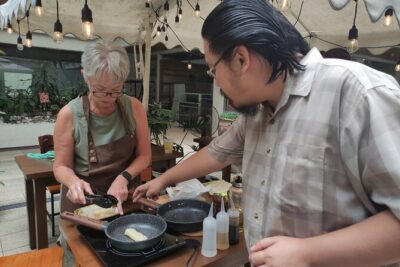
Manila Filipino Cooking Class: Meryenda Favorites
Read the review →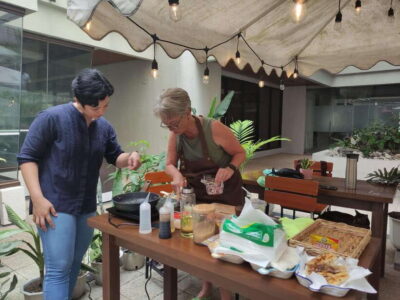
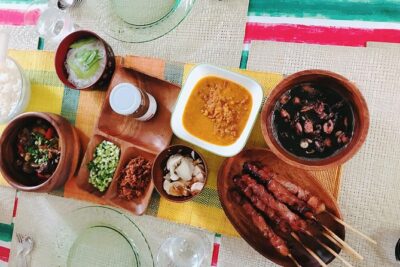
Private Filipino cooking class in a local Manila Home
Read the review →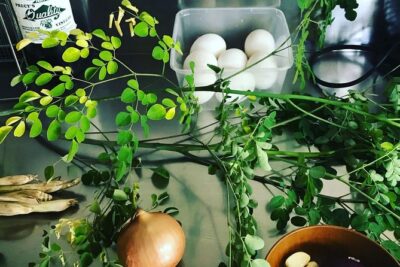
Private Market Tour and Filipino Cooking Class in Manila with Isi
Read the review →
Private Filipino Cooking Class in the Heart of Manila,Makati City
Read the review →Where else this one shows up