
Reviewed · COOKING CLASSES
Makati: Hands on Manila Cooking Class
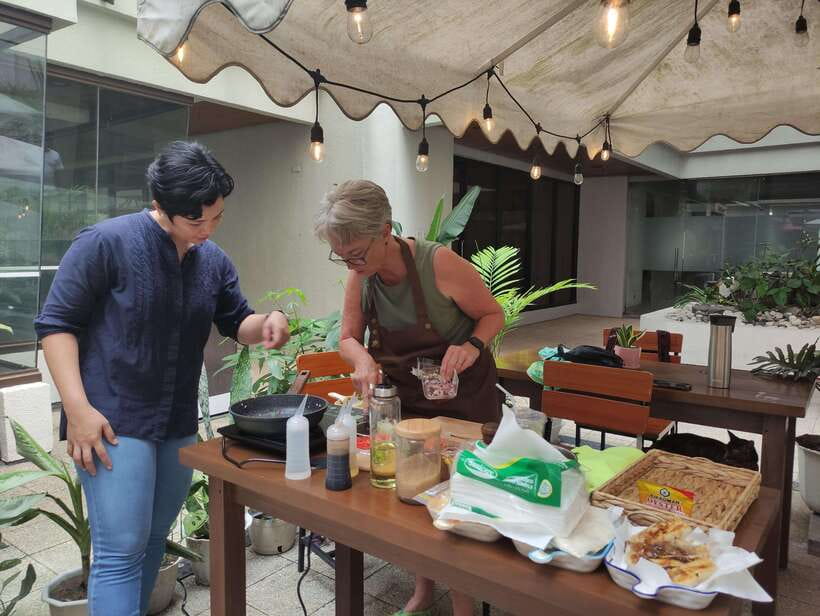
Come hungry for Filipino comfort food. This two-hour class offers a friendly introduction to local cooking in a small outdoor setting, with instructor Chyl guiding you through pancit noodles, lumpia spring rolls, and sweet turon. I like the hands-on format, because you prepare the food rather than simply watch someone cook. I also like the cultural stories woven into the lesson, especially Chyl’s links between food, family, celebrations, and everyday life.
The main point to consider is the price: at $60 per person, it is not a bargain cooking lesson. The small group size, ingredients, equipment, meal-sized portions, and personal instruction help explain the cost, but budget-minded cooks may find it high. Also, confirm the exact meeting location before going, since the experience is presented as a Makati activity while the supplied location field says Nueva Vizcaya.
In This Review
- Key points at a glance
- What you actually cook during the two hours
- Chyl’s teaching makes the difference
- The open-air setup in central Makati
- Why the four-person limit matters
- Is $60 a fair price?
- What to bring and how to arrive
- Who will enjoy this class most?
- My final call: book it if food is part of your trip
- FAQ
- How long is the Makati cooking class?
- What dishes will I prepare?
- Is food and equipment included?
- How many people can join the class?
- Is the class taught in English?
- Is the class suitable for children?
- Is the activity wheelchair accessible?
Key points at a glance
- Three Filipino favorites in two hours: Prepare pancit, savory lumpia, and sweet turon, a generous spread often described as far more than a light snack.
- Chyl is the heart of the class: Her calm teaching style, family stories, food trivia, and patient guidance receive the strongest praise.
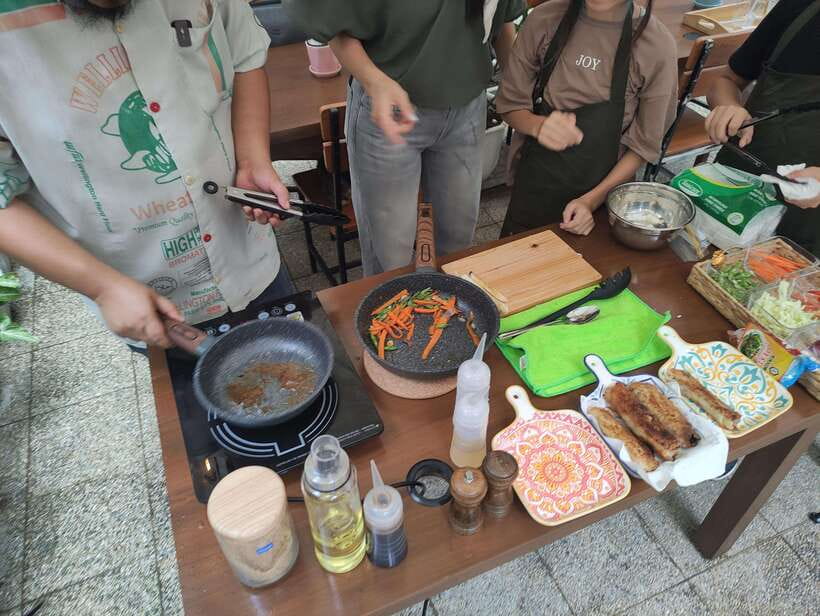
- Small groups mean real cooking time: The class is limited to four participants, so you get your own work area and a chance to handle the ingredients and cooker.
- A practical lesson for home cooks: The recipes use straightforward ingredients and techniques that are easy to repeat after your trip.
- Outdoor setting with one weather concern: The open-air venue can feel pleasant and social, but rain has caused inconvenience when the area was not fully covered.
- Useful for solo visitors and pairs: The class can proceed with just one participant, creating a more personal lesson, though the price feels easier to justify when shared with family or friends.
What you actually cook during the two hours
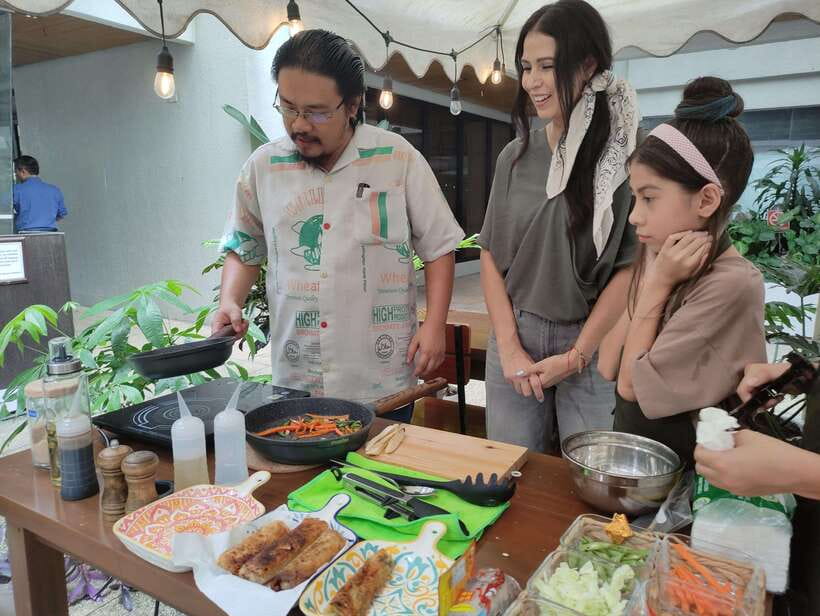
The class centers on meryenda, the Filipino tradition of snacks eaten between meals. That description may undersell the amount of food. You prepare a noodle dish, a savory fried snack, and a dessert, with several people finding the finished spread large enough to cover more than one meal.
The usual trio is pancit, lumpia, and turon. Pancit is a Filipino noodle dish often cooked with vegetables and other savory ingredients. Lumpia are crisp spring rolls, usually filled with a savory mixture before frying. Turon combines banana with a sweet wrapper, creating a warm, crunchy treat that works as a natural finish.
This selection makes sense for a short class. Each dish shows a different part of Filipino cooking: stir-frying, preparing and rolling a filling, working with hot oil, and turning a familiar fruit into a dessert. You do not spend the whole session waiting for a large roast or complicated stew to finish.
The recipes also give you useful kitchen practice. You will prepare ingredients, follow cooking instructions, operate the cooker and utensils, and assemble the finished dishes yourself. Even if you already cook often, the class leaves room for questions and personal adjustments. If you are new to cooking, the clear sequence helps keep the work manageable.
I especially like that the food is not treated as a decoration for the activity. You make enough to sit down and eat properly. Several portions may remain, so plan your appetite accordingly. A light breakfast or early lunch may be wise if you want to enjoy everything without struggling at the end.
A few more trips and experiences worth a look
- Manila Filipino Cooking Class: Meryenda Favorites
★ 5.0 · 80 reviews - Private Filipino cooking class in a local Manila Home
★ 5.0 · 28 reviews - Private Market Tour and Filipino Cooking Class in Manila with Isi
★ 4.5 · 15 reviews
Chyl’s teaching makes the difference
The instructor, Chyl, receives near-universal praise for her calm, warm, and patient manner. She explains each step clearly, lets you take an active role, and adjusts her attention to the group in front of her.
That matters in a class this short. Two hours can feel rushed if the teacher races ahead or takes over every task. Here, the format is designed so participants can prepare ingredients, cook, and finish their dishes within the same session. Chyl’s approach seems particularly useful for beginners, since you can work through the process without being made to feel slow.
Experienced cooks should also have enough freedom to ask questions and handle more of the cooking. One particularly useful feature is the personal attention created by the four-person limit. If fewer people book, the session may become almost one-to-one. That can be excellent if you want to ask about substitutions, technique, or Filipino food customs.
Chyl also adds stories about family life, childhood food, Filipino routines, and the role of dishes at celebrations. These details give the recipes a reason to matter. A banana dessert is no longer just banana and wrapper. It becomes part of a wider conversation about how simple home food can develop into a beloved everyday snack.
The cultural side is one of the strongest reasons to book this instead of simply eating at a restaurant. You learn how Filipino people think about food as comfort, hospitality, family connection, and shared celebration. The lesson is still practical, but the stories help you remember what you made.
The open-air setup in central Makati
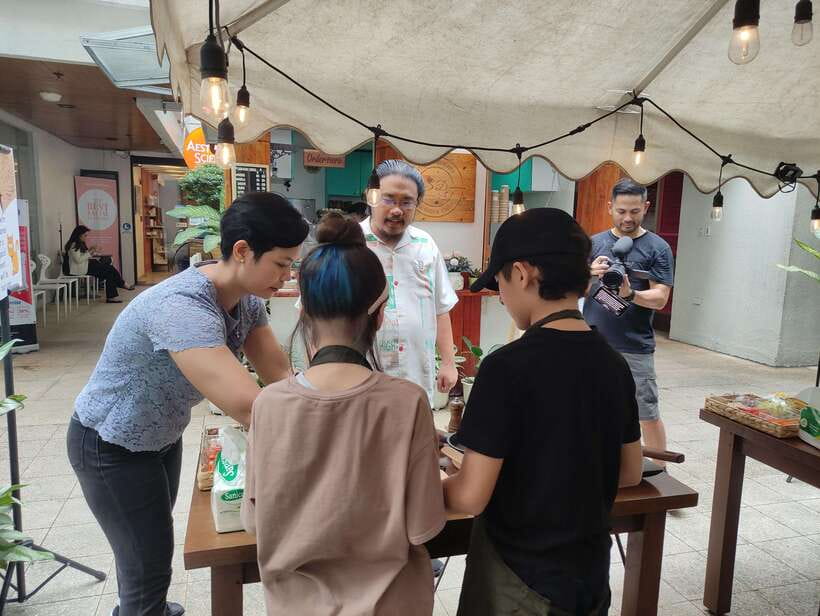
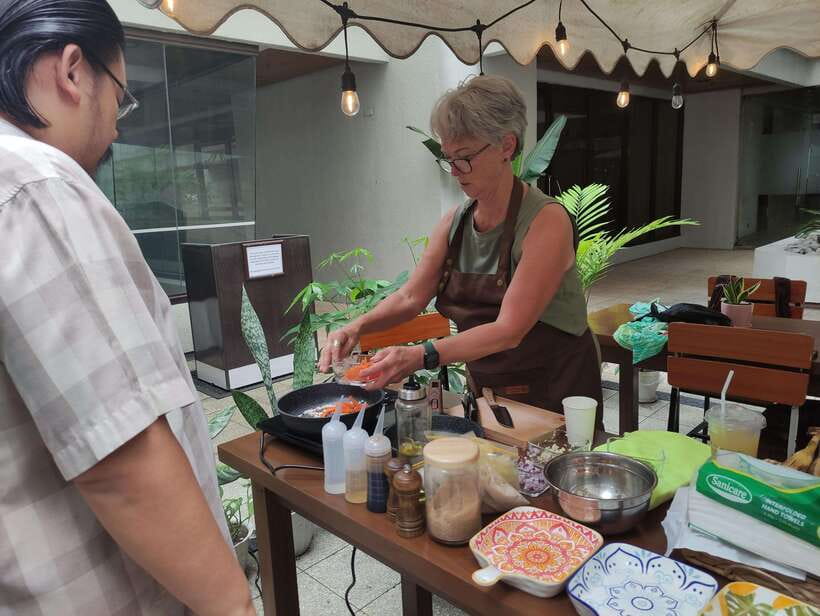
The class takes place in an outdoor courtyard in the heart of Makati, with tables prepared for the cooking session. The setting has been described as convenient to the Peninsula Hotel and Greenbelt Mall, making it a sensible addition to a day in the Makati area.
You should look for the instructor in the outdoor courtyard in front of the coffee kiosk. That meeting instruction is important, since one person found the venue a little hard to locate without coordinating in advance. I would contact the organizer before the class and allow time to find the courtyard rather than arriving at the last minute.
The open-air arrangement suits the social character of the lesson. You can cook at your table, compare results, and share the final food with the group. Cold lemonade or another nonalcoholic drink is included, which is welcome in Manila’s heat.
There is one practical weakness: the area may not be fully covered. Rain has led to rearranging and drying equipment, so weather can affect the smoothness of the session. The class may still proceed, but you should check the forecast and wear comfortable clothes that can handle a warm afternoon.
The supplied information creates a location issue worth sorting out before booking. The experience title and description place the activity in Makati, while the location line says Nueva Vizcaya. Those are not interchangeable destinations. Confirm the precise address, especially if you are planning this around a hotel reservation or a fixed sightseeing schedule.
Why the four-person limit matters
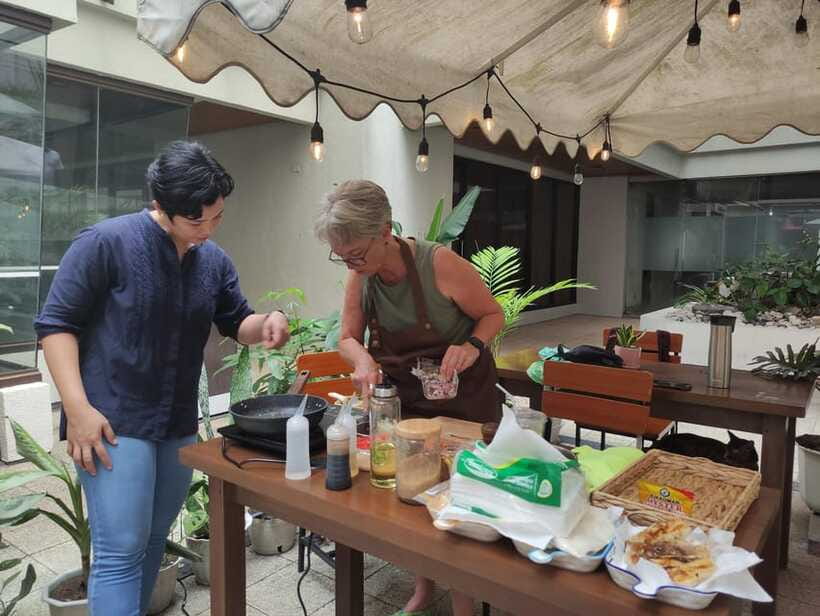
A maximum of four participants is a real advantage. Cooking classes with large groups can turn into demonstrations where you chop one onion and watch someone else do the rest. Here, the small format gives each person a better chance to prepare food, use the cooking equipment, and ask questions.
The equipment and ingredients are supplied. You do not need to buy vegetables, noodles, wrappers, cooking oil, or other items before arriving. You also avoid packing cooking tools while sightseeing.
The setup appears organized, with individual tables and prepared ingredients. That is helpful during a two-hour class because the time is spent cooking rather than sorting supplies. Clean, modern equipment has also been noted, including induction cookers and pans.
The class can work for a solo booking, a pair, or a small family group. Solo participants may get extra time for questions if no one else joins. Friends and relatives may prefer the shared pace and the chance to compare how each person’s pancit or lumpia turns out.
The minimum age is nine. Children under nine cannot join, and the experience is not suitable for people with visual impairments. The class is wheelchair accessible, which makes the small group and prepared work areas useful considerations for guests who need accessible arrangements. Contact the provider ahead of time if you have specific mobility questions.
Something different, still within reach of Makati:
- Makati Nightlife: VIP Access to Clubs, Rooftops & Go-Go Bars
★ 4.9 · 278 reviews - Makati Rooftop and Hidden Bars Experience
★ 4.9 · 30 reviews - Makati Rooftop Barhopping with Local Guide
★ 4.8 · 26 reviews - Makati Street Food Tour Experience
★ 5.0 · 20 reviews
Is $60 a fair price?
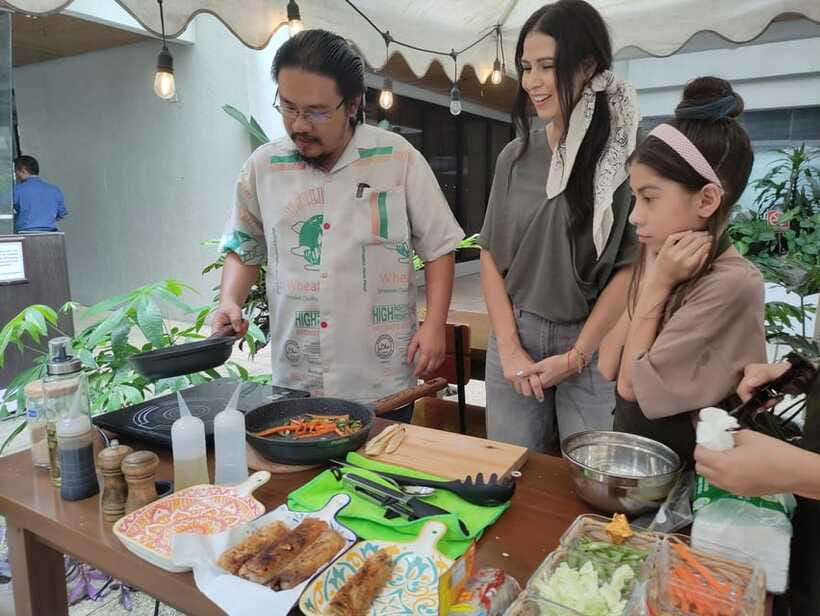
At $60 per person, this is best judged as a small-group cultural activity rather than a cheap meal. You are paying for instruction, ingredients, equipment, a drink, and the chance to prepare several dishes with a local teacher.
The value is strongest if you care about learning recipes you can repeat at home. Pancit, lumpia, and turon are not just one-time tasting samples. They are recognizable Filipino dishes with techniques you can practice again. The ingredients are described as fresh, and the recipes are simple enough for many home kitchens.
The value is also stronger for people who want conversation. Chyl’s stories about Filipino life and food culture add something a restaurant cannot provide. You get context around the dishes, not just a plate placed in front of you.
The calculation is less favorable if you mainly want to eat Filipino food. You could likely spend less on a restaurant meal, though that would not include the instruction or the activity. If you are traveling with a partner or friends, the shared experience may make the price easier to accept. For a solo visitor on a tight budget, it is worth asking if the cultural lesson and take-home cooking skills justify the fee.
The generous portions help. This is not a tiny tasting menu. You may finish with enough food for leftovers, making the $60 feel less steep than a two-hour snack-only class.
What to bring and how to arrive
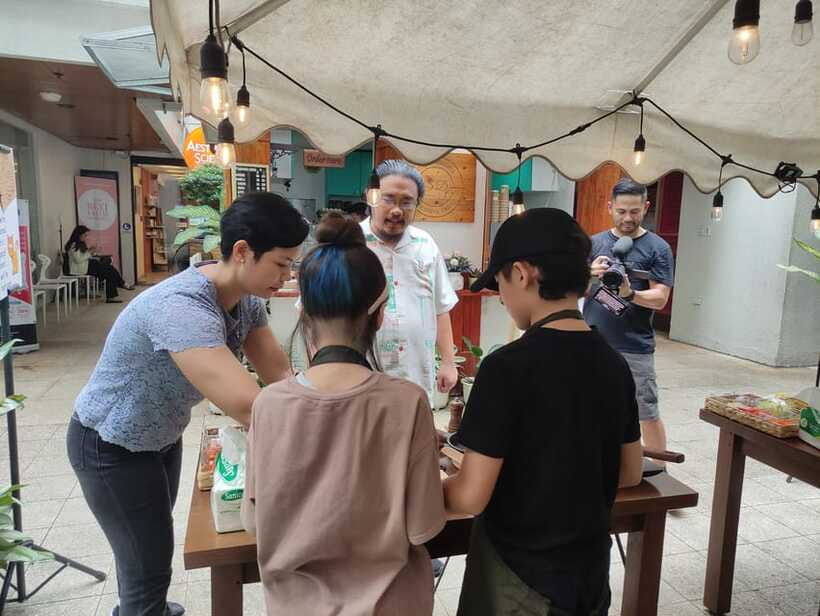
Wear comfortable clothes. You will be preparing ingredients, cooking at a hotplate, and handling food for most of the session, so flexible clothing is more useful than anything formal.
Hotel pickup and drop-off are not included. The practical advice is to download Grab, the local ride-hailing app, and use it to reach the meeting point. Manila traffic can be unpredictable, and one participant arrived late after trouble getting a Grab. Chyl still allowed the full cooking time in that case, but you should not rely on that courtesy.
Give yourself extra time to find the coffee kiosk and outdoor courtyard. This is especially important because the location details need confirmation. A quick message to the organizer before the day of the class can prevent a frustrating start.
The class is taught in English. That makes the instructions and cultural explanations accessible to English-speaking visitors, and the small group should make it easier to ask for clarification.
You can cancel up to 24 hours before the activity for a full refund. The reserve-now, pay-later option also helps if your Manila schedule is still changing.
Who will enjoy this class most?
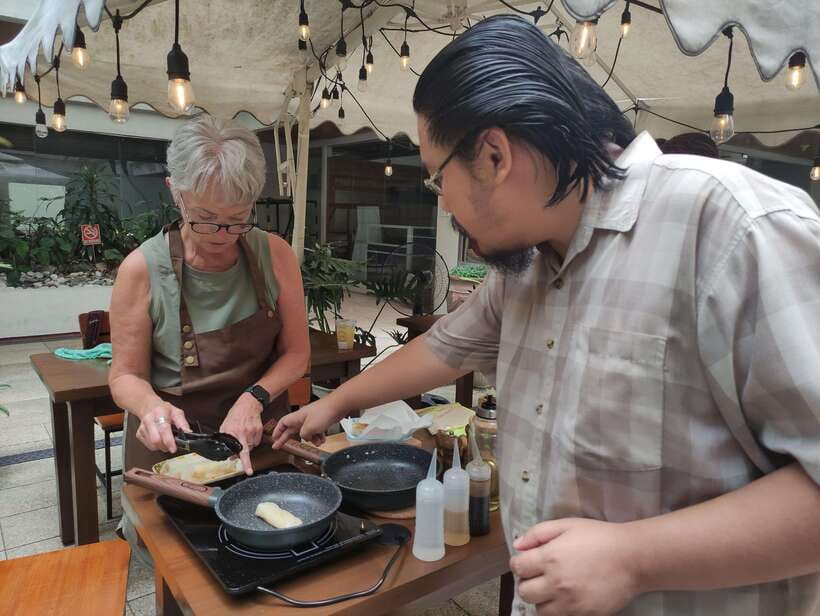
I would recommend it most strongly to first-time visitors who want food with context. You get a compact introduction to Filipino cooking, plus stories about family customs and everyday life.
It also suits beginner cooks. The dishes are approachable, and the teacher guides you through the preparation rather than assuming advanced skills. You do not need to arrive with experience using Filipino ingredients.
Families with children nine and older may enjoy the short duration and active format. It is long enough to feel worthwhile but not so long that younger participants are likely to lose interest. The food also gives everyone something to do and eat.
Solo visitors should not dismiss it. The group limit makes conversation easier, and a small booking may result in a private-feeling lesson. If you enjoy asking questions, this could be the best way to use the format.
Experienced cooks will find value in the cultural background and the chance to compare methods, though you should not expect a professional culinary course. The focus is on accessible home cooking, not advanced knife work, restaurant training, or a long list of regional dishes.
People who dislike fried food or prefer a formal indoor kitchen may be less satisfied. Lumpia and turon are central to the meal, and the outdoor setup is part of the experience. Rain protection is also not perfect.
My final call: book it if food is part of your trip
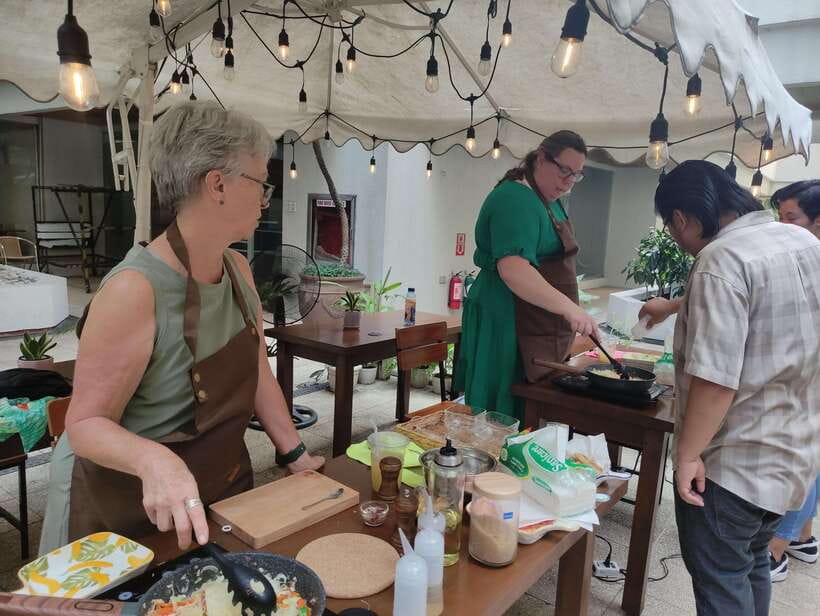
I would book this class if you want to understand Filipino food by making it yourself. The strongest reasons are Chyl’s teaching, the four-person limit, the generous portions, and the useful mix of cooking practice and cultural stories.
I would pause if $60 feels high for a two-hour activity, if you are only looking for a meal, or if you need a guaranteed covered venue. Confirm the address before payment, since the Makati and Nueva Vizcaya details do not match.
For most food-focused visitors in Manila, this is a worthwhile half-day-sized activity that leaves you with more than a full stomach. You leave with recipes, cooking confidence, and a clearer sense of why Filipino snacks belong at the center of family life.
FAQ
How long is the Makati cooking class?
The cooking class lasts two hours.
What dishes will I prepare?
The class prepares Filipino meryenda, usually pancit noodles, lumpia spring rolls, and sweet turon.
Is food and equipment included?
Yes. Cooking equipment, food ingredients, and one nonalcoholic drink are included.
How many people can join the class?
The group is limited to four participants.
Is the class taught in English?
Yes. English is the listed language for the instructor and activity.
Is the class suitable for children?
Children under nine are not permitted. Children aged nine or older may be suitable, especially with a parent or guardian.
Is the activity wheelchair accessible?
Yes, the activity is listed as wheelchair accessible. It is not suitable for people with visual impairments.
Just added around Makati
- Makati Street food walking tour with Dinner★ 5.0 · 3 reviews
- Poblacion Makati Bar Hopping Experience★ 5.0 · 4 reviews
- Makati Hidden Bars and Rooftop Bars with Venus★ 5.0 · 4 reviews
- Makati Bar Crawl – Hidden Bar, Speakeasy and Pub★ 5.0 · 6 reviews
- Makati Street food Tour, End with a Rooftop City View★ 4.7 · 9 reviews
- Manila Ultimate Nightlife Pub Crawl★ 4.9 · 10 reviews
- ⭐ Makati Bar Hopping and Pub Crawl Tour with Venus ⭐★ 4.9 · 10 reviews
- Manila Old & New City Private Tour★ 4.5 · 16 reviews
Cooking Classes, side by side.
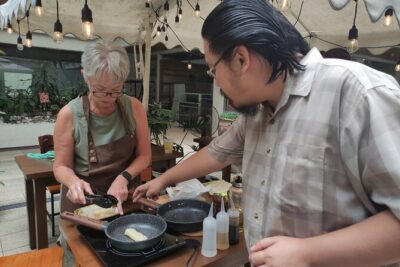
Manila Filipino Cooking Class: Meryenda Favorites
Read the review →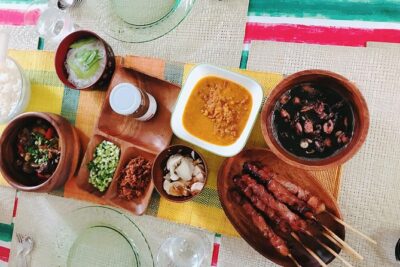
Private Filipino cooking class in a local Manila Home
Read the review →
Private Market Tour and Filipino Cooking Class in Manila with Isi
Read the review →
Private Filipino Cooking Class in the Heart of Manila,Makati City
Read the review →
Where else this one shows up