
Reviewed · WALKING TOURS
Cebu City: Walking Tour
Cebu’s old center rewards curious walkers. This tour links the National Museum, Fort San Pedro, ancestral homes, churches, markets, and city views into one useful introduction. I like the small group of up to 10 and the chance to see Cebu through guide Chris’s lively local perspective. The main consideration is the 3 to 4-kilometer route, which can feel warm and tiring, especially if you choose the full walk.
I also like the flexible format. You can take the full three-hour route or ask for a shorter one to two-hour version, and morning, afternoon, and evening departures offer different stops. Bring cash, wear suitable clothing for religious sites, and expect a walking tour that mixes major landmarks with everyday Cebu.
In This Review
- Key things to know before walking Cebu
- Why this is a useful first look at Cebu
- Starting at the National Museum beside Plaza Independencia
- Heritage of Cebu Monument and the city’s layered past
- Fort San Pedro and the Spanish-era chapter
- Yap-San Diego Ancestral House and Filipino home life
- Magellan’s Cross and Santo Niño Church
- Casa Gorordo and optional paid additions
- Evening Cebu: Carbon Night Market and Sugbo Mercado
- Walking distance, pace, and family suitability
- The real cost and what you receive
- Who will enjoy this Cebu walk most
- Should you book this Cebu City walking tour?
- FAQ
- How long does the walking tour take?
- How far does the tour walk?
- Where do morning and afternoon tours meet?
- Where does the evening tour meet?
- Which languages does the guide speak?
- Is food included?
- What extra cash fees should I expect?
Key things to know before walking Cebu
- Three to four kilometers on foot: A moderate level of fitness helps, and the group’s pace affects the total walking time.
- Chris leads the experience: His friendly, generous style and strong knowledge of Cebu’s past are the tour’s most praised qualities.
- Several important sites are included: The National Museum of the Philippines, Heritage of Cebu Monument, Magellan’s Cross, and Santo Niño Church are part of the core experience.
- The route changes by time: Morning and afternoon walks begin at the National Museum, while evening walks meet near Magellan’s Cross and focus more on nightlife.
- Budget extra Philippine pesos: Fort San Pedro, jeepney rides, Casa Gorordo Museum, refreshments, and food tasting may cost about PHP 250 to PHP 500 in total.
- Dress for churches and heritage houses: Shorts, slippers, and clothing above the knee are not allowed, and shawls for covering are not accepted.
Why this is a useful first look at Cebu
Cebu can be hard to read during a first visit. Its old quarter contains Spanish-era buildings, Catholic landmarks, Filipino family homes, museums, markets, and modern food spots, but they do not always announce themselves clearly from the street. A walking guide gives those places a common thread.
The price is $18 per person, which is fair if you want an introduction rather than a private, highly specialized history tour. The included stops cover several of Cebu’s most important heritage sights, while a small group keeps the experience more personal than a large coach excursion.
You should think of this as a flexible city orientation with historical content. It is not a polished performance with every minute fixed in advance. The guide may adjust the route, and different departure times include different places. That flexibility is useful, but you should ask what your chosen time includes if a particular museum or market matters to you.
The tour is offered in English and Tagalog. Chris’s approach is a major reason to consider it. The strongest praise focuses on his friendly manner, generosity, humor, and ability to make Cebu feel exciting and approachable. You are not simply being led from one photo stop to another. The value comes from having someone explain how the sites connect.
More walking tours:
- The Original Cebu City Historical and Food Walking Tour
★ 4.5 · 81 reviews - Manila: Street Food and Drinks Walking Tour with Tastings
★ 4.8 · 114 reviews - Viva Old Manila: Intramuros Walking Tour
★ 4.9 · 104 reviews
Starting at the National Museum beside Plaza Independencia
Morning and afternoon groups meet inside the National Museum of the Philippines, Cebu, beside Plaza Independencia. The meeting times are 9:30 a.m. and 2:30 p.m. You should go inside rather than waiting outside, then sit near the Museum Shop.
The meeting instructions are unusually specific. The guide wears eyeglasses and blue-and-white rubber shoes and carries a paper, which should make finding the group easier. That matters in a busy city, particularly if you are arriving without a local phone connection.
The museum is a sensible starting point because it gives the walk an early historical frame. The experience aims to tell stories about the Philippines before the country took its modern shape. That makes the later Spanish and Catholic sites easier to understand. You begin with context, then move into the streets where those layers remain visible.
Because entry to the National Museum is included, you do not need to set aside an admission fee for this part. Allow yourself to listen closely here. If you rush through the first stop, the rest of the route can become a string of names and dates rather than a connected story.
Heritage of Cebu Monument and the city’s layered past
The Heritage of Cebu Monument is one of the included free stops. It offers a compact way to think about Cebu’s past before moving on to the more enclosed spaces of museums and houses.
The value of seeing it with a guide is interpretation. A monument can be visually striking while leaving you unsure what each scene represents. Chris can help place the figures and events within the larger story of Cebu, which is especially useful if this is your first time in the Philippines.
This section of the walk also helps you get your bearings in the old city. You are moving through an area where historic landmarks and ordinary urban life sit close together. Keep your expectations practical: this is a walking experience in a working city, not a preserved open-air museum. Traffic, heat, and street activity are part of the setting.
Fort San Pedro and the Spanish-era chapter
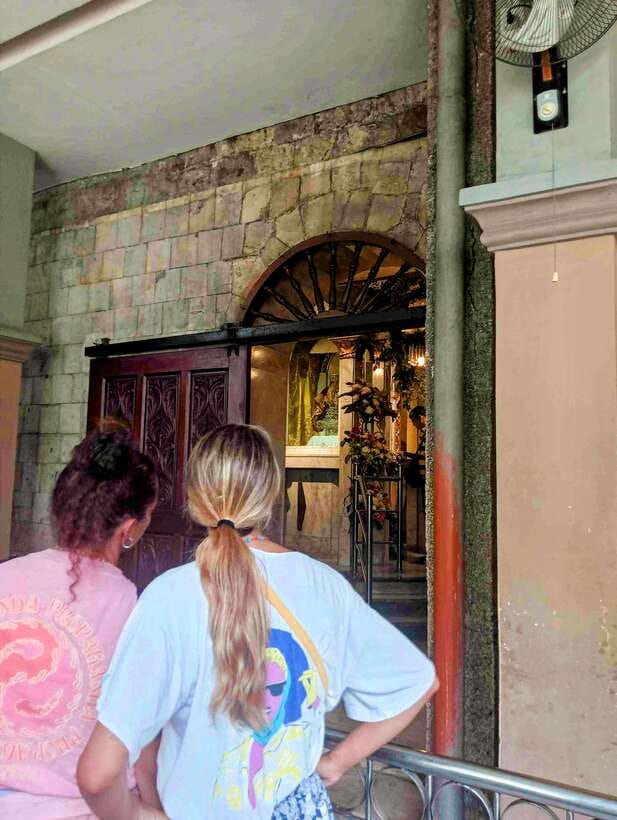
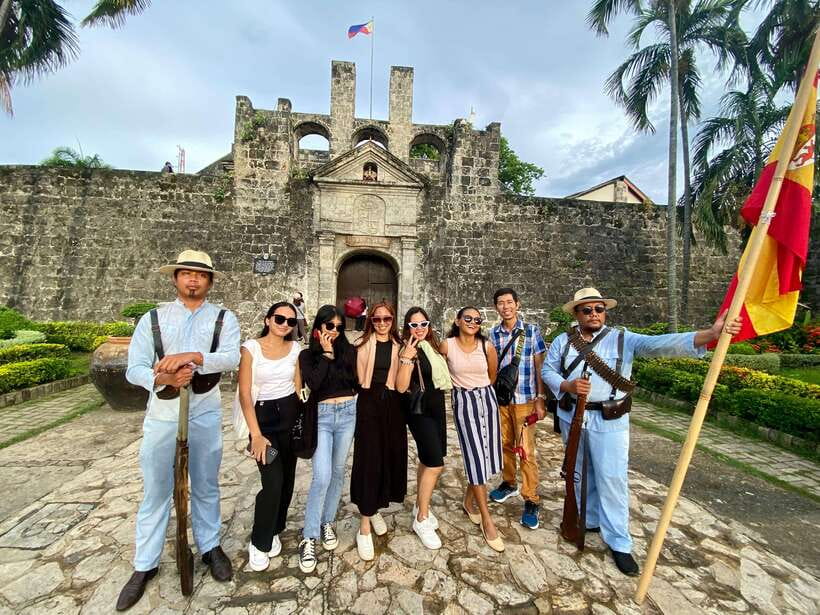
Fort San Pedro is a compact Spanish old fortress and one of the clearest stops on the route for understanding the colonial period. The walls offer a physical sense of defense and order that is different from the open streets outside.
Admission costs PHP 30 in cash, and that fee is not included. It is small, but you should keep Philippine pesos ready rather than relying on a card. The fort is also one of the places where the guide’s storytelling matters most. The stones alone cannot explain how the site fits into Cebu’s Spanish-era past.
I like the contrast between the fortress and the surrounding city. Inside, the mood is more controlled and quiet. Outside, Cebu quickly returns to its modern rhythm. That change helps you see that the old city is not a separate historic district sealed away from daily life.
Do not treat Fort San Pedro as a huge complex. The attraction is its atmosphere and position in the route, not a full-day visit. If you choose the shorter walk, ask whether the fort is included before setting out, since the stops can vary by departure time.
A few more trips and experiences worth a look
- Cebu City: Whale Shark Swimming & Kawasan Falls Canyoneering
★ 4.7 · 665 reviews - Cebu Moalboal: Kawasan Canyoneering Adventure with Lunch
★ 4.9 · 630 reviews - Cebu City: Bohol Countryside Tour with Loboc Cruise Lunch
★ 4.5 · 488 reviews - Canyoneering Experience in Kawasan Falls with Lunch
★ 5.0 · 440 reviews
Yap-San Diego Ancestral House and Filipino home life
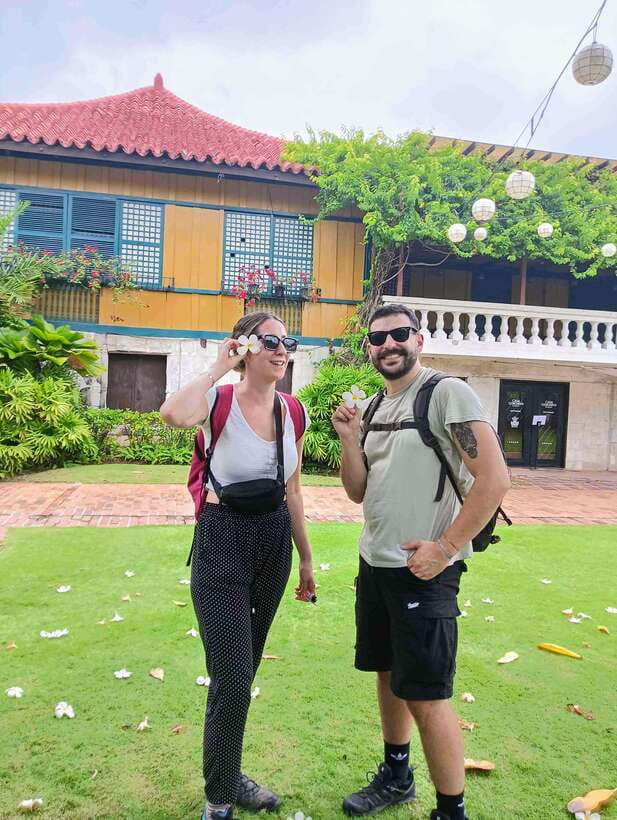
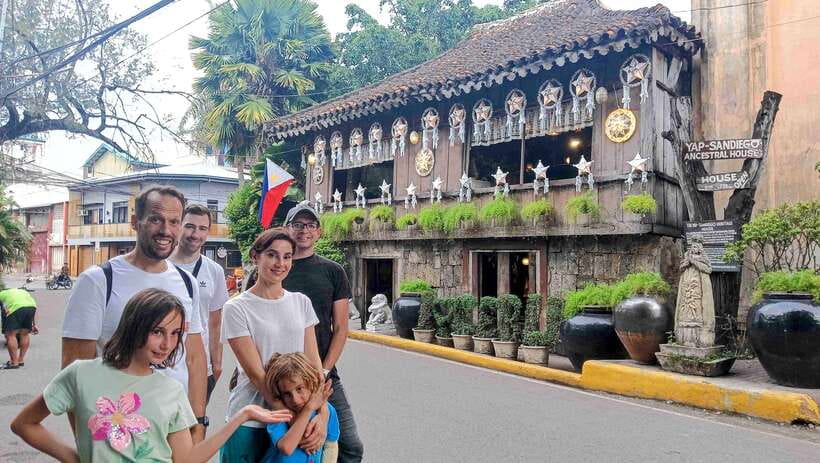
The Yap-San Diego Ancestral House gives the walk a more intimate scale. Instead of looking at public buildings or military defenses, you get a sense of an old Filipino home from the 1600s.
That shift is important. Large landmarks tell you about institutions, religion, or colonial power. An ancestral house helps you think about family life and domestic space. The tour description invites you to imagine how earlier Filipino families lived, and this is one of the most effective ideas in the whole route.
The house is also a good reminder that Cebu’s past is not only Spanish. The city’s identity grew from local Filipino life as well as outside influence. The tour’s appeal comes from placing those strands next to one another rather than presenting Cebu as a single historical story.
Admission to this house is not clearly listed as a separate included fee. The additional cash estimate includes PHP 150 for Casa Gorordo Museum, which is a different heritage attraction, so you should confirm which house or museum your selected time visits and what it costs. This is one place where the flexible itinerary requires a little planning.
Magellan’s Cross and Santo Niño Church
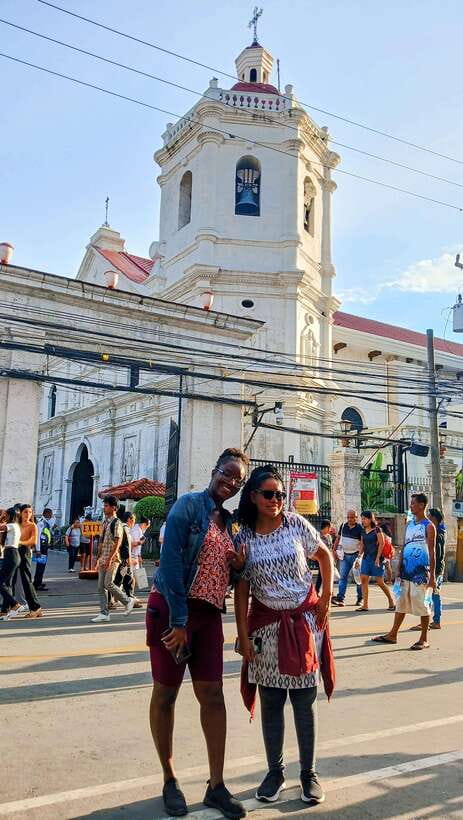
Magellan’s Cross and Santo Niño Church are included free of charge and form one of the most important religious and historic sections of the walk. The sites connect Cebu to the arrival of Spanish influence and the growth of Catholic tradition in the Philippines.
The tour encourages you to imagine life before and during the early colonial period. That is more useful than treating the cross as a quick photo background. Listen for the guide’s explanation of why the site matters, then take a moment to notice the difference between the formal religious setting and the active city around it.
The church also requires respectful clothing. Shorts, slippers, and clothing above the knee are not allowed. Shawls for covering are not accepted, so do not assume you can solve unsuitable clothing by borrowing or carrying a wrap. Wear clothing that covers below the knee from the start.
The evening meeting point is McDonald’s at Magellan’s Cross, not the National Museum. The guide waits inside, near the entrance or close to the counter, wearing eyeglasses and blue-and-white shoes and carrying a paper. The evening start time is 7:30 p.m.
Casa Gorordo and optional paid additions
Casa Gorordo Museum appears among the possible paid additions at PHP 150. It is not part of the free core stops, and the route can differ depending on the time you choose. If historic homes are your main interest, ask in advance whether Casa Gorordo is on your walk.
The fee is modest, but it changes the real cost of the experience. The listed additional expenses include PHP 30 for Fort San Pedro, PHP 15 for a jeepney, PHP 150 for Casa Gorordo, and about PHP 250 for drinks or food tasting. The overall estimate is PHP 250 to PHP 500, depending on what you do.
I would budget toward the upper end if you want refreshments and paid entries without counting every coin. Food is not included, so bring money to buy something or pack your own. The tour can include tasting or refreshments, but you should not assume that every snack is covered by the $18 booking price.
Evening Cebu: Carbon Night Market and Sugbo Mercado
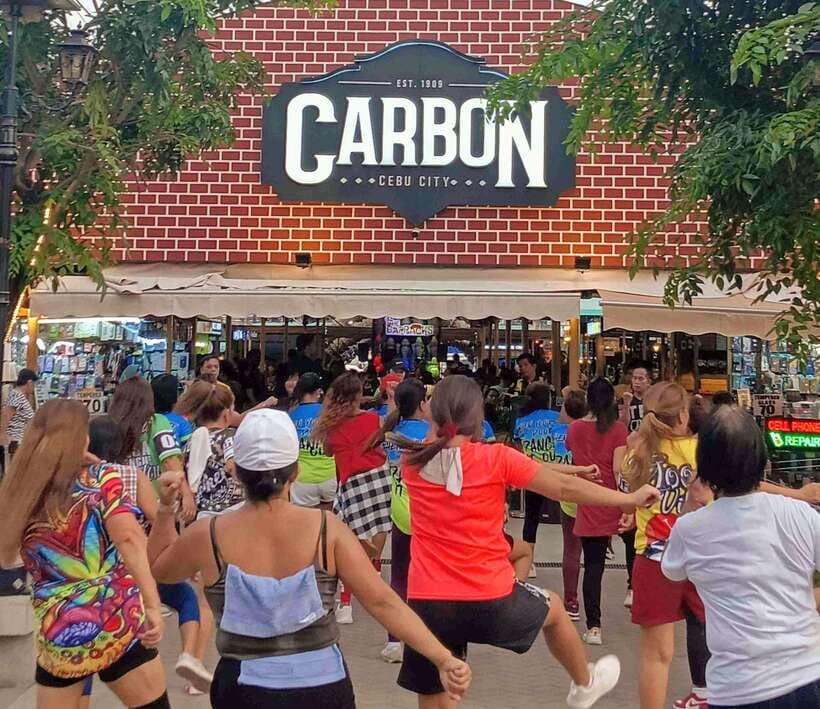
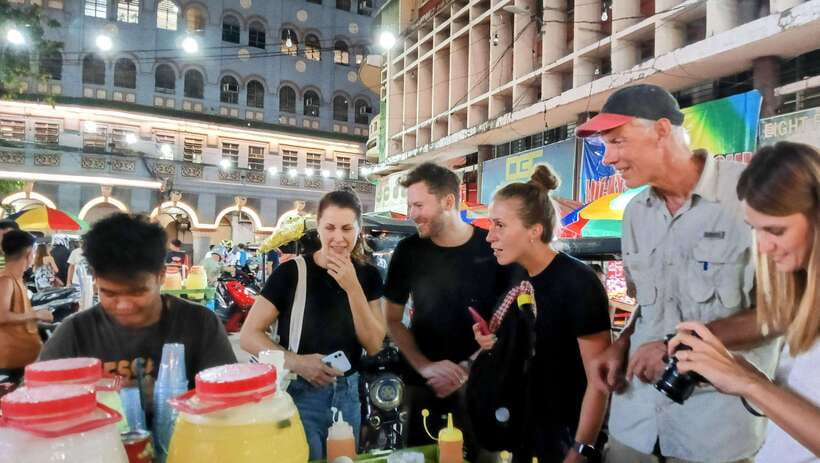
The evening version offers a different look at Cebu. It begins at 7:30 p.m. near Magellan’s Cross and may include Carbon Night Market, Sugbo Mercado, and a roof deck city view.
This is not simply the daytime route with darker lighting. Night markets show a more social and modern side of Cebu, with food, informal browsing, and the sound of the city after sunset. Sugbo Mercado adds another food-focused stop, while the roof deck provides a chance to look over the city rather than only walking at street level.
Food costs extra, with about PHP 250 suggested for drinks or tasting. Since food is not included, you can decide how much to spend. That is helpful for different budgets, though anyone expecting a fully prepaid food tour should choose another type of experience.
The night walk may suit you best if you have already seen the major daytime landmarks or want a gentler introduction to Cebu’s evening life. It may be less suitable if you want a full museum-and-fort history route. The exact sites depend on the time, so clarify the evening plan when booking.
Walking distance, pace, and family suitability
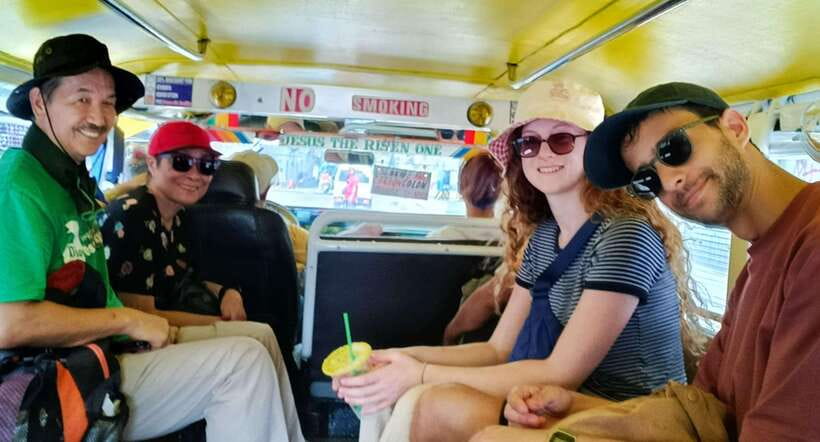
The route covers about 3 to 4 kilometers. That is manageable for many visitors, but Cebu’s warmth and street conditions can make a moderate distance feel longer. Wear proper walking shoes. Slippers are not allowed, and the meeting instructions identify the guide by blue-and-white rubber shoes, which also hints at the practical footwear needed.
The full route takes about three hours. A half walk takes roughly one to two hours. Walking time changes with the group’s pace and stamina, so do not schedule a tight airport transfer, ferry departure, or restaurant reservation immediately afterward.
Families with children are welcome. Younger children may need to finish early, especially on the full route. If you are traveling with children, the shorter option may be the better introduction, particularly during the warmer parts of the day.
The small group limit of 10 helps here. You can ask questions without competing with a busload of people, and the guide can pay closer attention to the group’s speed. It does not remove the physical demands, but it makes the walk easier to adjust.
The real cost and what you receive
At $18, you are paying mainly for access to a local guide and a carefully connected route, not expensive admissions. The included National Museum, Heritage of Cebu Monument, Magellan’s Cross, and Santo Niño Church keep the base price reasonable.
You should add PHP 250 to PHP 500 for likely extras. That covers the listed cash items more comfortably than the booking price alone. A PHP 15 jeepney ride may be used during the route, and the small Fort San Pedro fee plus possible Casa Gorordo admission can add up. Food and drinks are your choice but are not included.
The tour offers free cancellation up to 24 hours before the activity and a reserve-now, pay-later option. Those terms help if your Cebu schedule depends on weather, ferry timing, or another uncertain arrival. The activity is available across a seven-day booking period, with starting times shown when you check availability.
Who will enjoy this Cebu walk most
I would choose this tour if you want your first Cebu day to have a clear shape. It suits visitors who prefer stories and local guidance to wandering between landmarks with only a map.
It is especially good for:
- First-time Cebu visitors who want historical orientation
- People who enjoy walking through working city streets
- Small groups and solo visitors who prefer a personal guide
- Families able to manage a moderate walk, with the option to shorten it
- Food-curious visitors who want the option of markets and tastings
- Anyone interested in the mix of Filipino, Spanish, European, and American influence mentioned in the tour
You may want another format if you dislike walking, need a fully fixed itinerary, or want every admission and meal included. The route is flexible, and that is both its strength and its limitation. You gain a more adaptable experience, but you must confirm which stops apply to your chosen time.
Should you book this Cebu City walking tour?
Book it if you want an affordable, human introduction to Cebu and are happy to walk several kilometers. The combination of museum context, Spanish-era Fort San Pedro, an old Filipino house, major religious sites, and optional night markets gives you more range than a simple landmark stroll.
The best reason to choose it is Chris. His warm, generous style receives the strongest praise, and that personal connection can make a historic district far easier to understand. Bring cash, wear modest clothing and solid shoes, and ask about the exact stops before you arrive.
Skip it if you need air-conditioned transport, guaranteed access to every listed attraction, or a route with no extra costs. For most active visitors, though, $18 is a sensible price for a small-group look at Cebu’s past and present.
FAQ
How long does the walking tour take?
The full walk takes about three hours. A shorter version takes about one to two hours, and the total time can change with the group’s pace and stamina.
How far does the tour walk?
The route covers approximately 3 to 4 kilometers. A moderate level of fitness is required.
Where do morning and afternoon tours meet?
The 9:30 a.m. and 2:30 p.m. tours meet inside the National Museum of the Philippines, Cebu, beside Plaza Independencia. Sit near the Museum Shop.
Where does the evening tour meet?
The 7:30 p.m. evening tour meets inside McDonald’s at Magellan’s Cross. The guide waits near the entrance or close to the counter.
Which languages does the guide speak?
The tour is available in English and Tagalog.
Is food included?
No. Food is not included, so bring your own or buy something during the tour. About PHP 250 is suggested for drinks or food tasting.
What extra cash fees should I expect?
Possible costs include PHP 30 for Fort San Pedro, PHP 15 for a jeepney ride, PHP 150 for Casa Gorordo Museum, and PHP 250 for refreshments or food tasting. The estimated total for extras is PHP 250 to PHP 500.
Just added around Cebu
- Cebu: Oslob Whale Shark, Simala Church & Ka Treasure Argao★ 4.8 · 3 reviews
- Cebu: Oslob Whale Shark, Sumilon, Ruins, Simala Church★ 4.7 · 3 reviews
- Cebu: Whale Shark Encounter and Kawasan Canyoneering★ 5.0 · 3 reviews
- Cebu: Moalboal Island Hopping & Kawasan Falls Adventure★ 4.3 · 3 reviews
- Cebu Half Day City Tour (Private Tour)★ 5.0 · 3 reviews
- Cebu City with Sirao Garden Half Day Tour★ 5.0 · 3 reviews
- Cebu Airport Transfer to / from Anywhere in Cebu★ 5.0 · 3 reviews
- Oslob Whale Shark Snorkeling & Kawasan Canyoning Tour★ 5.0 · 3 reviews
Walking Tours, side by side.
Street Food and Drinks Walking Tour with Tastings
Read the review →
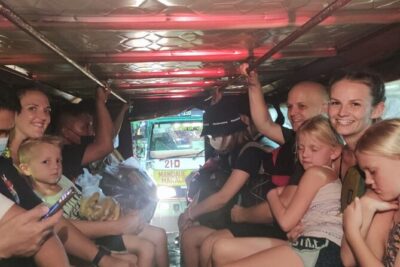
The Original Cebu City Historical and Food Walking Tour
Read the review →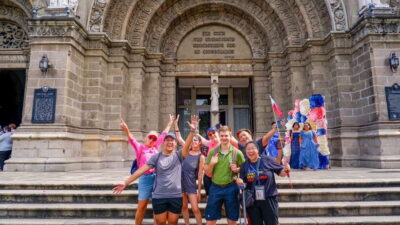
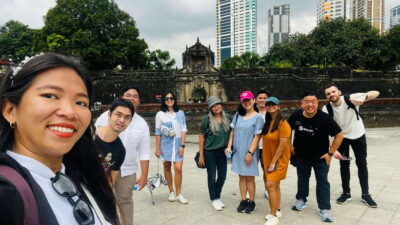
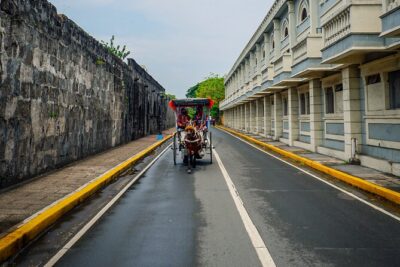
Intramuros Walking Tour with Transportation by Don’t Skip Manila
Read the review →
Manila Intramuros Walking tour with Local Tour Guide
Read the review →Where else this one shows up