
Reviewed · BANAUE RICE TERRACES TOURS
Small-Group Weekend Hiking Tour to Banaue-Ifugao from Manila
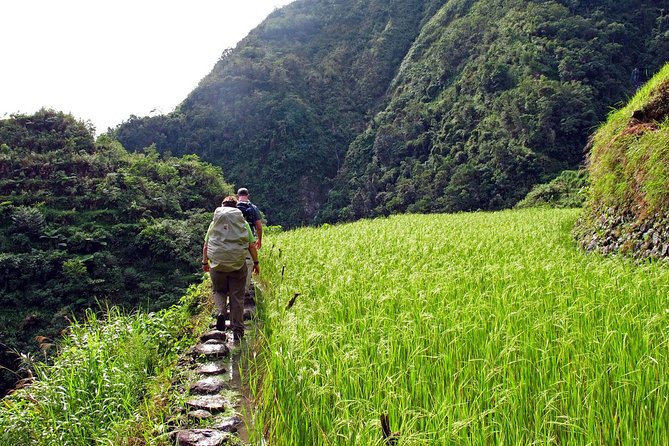
Banaue rewards strong legs. This four-day trip combines ancient rice terraces with steep mountain paths, waterfalls, forest trails, and visits to Ifugao villages, all with a maximum of seven people. I like the small group and the chance to sleep in a simple village inn rather than rush through the region on a day trip. The main drawback is the physical demand: you hike six to seven hours a day on steep or slippery ground.
I also like that transport from Manila is arranged, including the overnight bus in both directions. You do not have to piece together buses, tricycles, village transfers, and trail connections yourself. Still, this is a basic trip, not a soft adventure. Food beyond one breakfast costs extra, bathrooms are communal, and you carry two days of clothing unless you hire a porter.
In This Review
- What makes this Banaue trek worth considering
- Leaving Manila on the 9:00 pm bus
- Banaue viewpoint to Kinaking
- Four hours through the Ifugao mountains to Cambulo
- Batad’s amphitheater and a simple village inn
- Tappiyah Waterfalls and the walk to Bangaan
- What $270 includes, and what it does not
- How hard is the hike?
- Guides, group size, and the human side of the trip
- What to pack for the Banaue route
- Cancellation and weather details to know
- Should you book this Banaue hiking tour?
- FAQ
- Where does the tour begin in Manila?
- How many people can join the group?
- How much hiking should I expect?
- What accommodation is provided?
- Are meals included?
- Do I need to bring my own hiking equipment?
What makes this Banaue trek worth considering
- A seven-person maximum keeps the trek personal: A small group makes it easier to match the guide’s pace, ask questions, and move along narrow mountain paths without a long line of hikers.
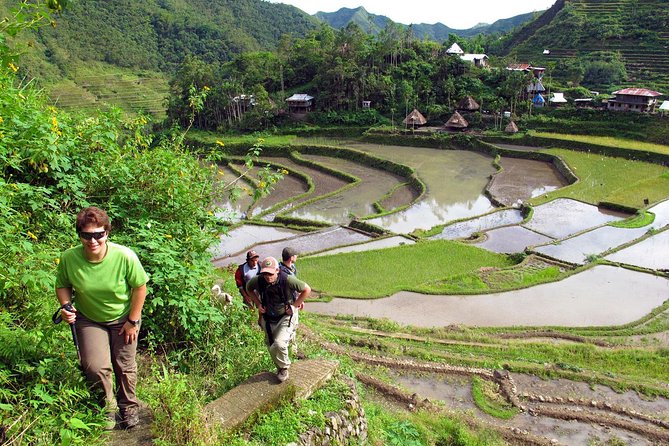
- The terraces appear from several angles: You see the Banaue viewpoint, walk through Cambulo, spend the night near Batad, and continue toward Bangaan.
- The overnight bus saves a hotel night: You leave Manila at 9:00 pm and sleep, at least in theory, while the bus takes the winding mountain roads north.
- The hike includes more than famous viewpoints: Forest paths, native communities, Tappiyah Waterfalls, village inns, and working rice terraces fill out the experience.
- Guides can make the difference: Guides such as Marvin and Jonathan have earned especially warm praise for their friendly help and knowledge of the area.
- The price covers the essentials, not the extras: At $270 per person, you receive land transport, a guide, village lodging, activity fees, and one breakfast, but not most meals or personal gear.
Leaving Manila on the 9:00 pm bus
The trip begins at Ohayami Trans in Sampaloc, Manila, at 9:00 pm. You meet the group at 1528 Fajardo Street, then settle in for an overnight ride toward Banaue.
The bus ride takes about nine hours. It is practical rather than luxurious, and the route uses winding mountain roads. If you sleep easily on buses, this arrangement saves both time and a hotel bill. If you do not, the first morning can begin with a sleep deficit before the hardest part of the trip even starts.
That timing matters. You should arrive ready for a full day outside, not plan a late breakfast and a gentle first walk. Pack water and keep anything you need during the ride close at hand. Your larger trekking bag will need clothes for two days, and the packing guide sent after booking should help you keep it light.
The tour does not include hotel pickup or drop-off. You need to reach the Manila meeting point yourself, then return to that same point at the end. Children must have an adult with them, and the minimum age is 12.
More Hiking Tours in Manila
- Day Hike: Mount Daraitan plus Tinipak River start point Manila** updated 2022
★ 5.0 · 4 reviews - Day hike to Mount Daraitan with Tinipak River 2024
★ 5.0 · 22 reviews - Manila: Mount Pinatubo 4X4 & Hiking Trip
★ 4.5 · 18 reviews
Banaue viewpoint to Kinaking
After arriving in Banaue, you ride a tricycle to the Banaue Rice Terraces viewpoint before the main trek begins. The ride itself is short, about 15 minutes, but it provides a useful first look at the scale of the terraces.
The viewpoint is a proper orientation stop. It lets you see the carved slopes before you begin walking among them. Photos here are easy, but the real reward comes later, when the terraces stop being a distant pattern and become the ground beneath your feet.
From there, the group travels toward Kinaking, the starting point of the hike. The approach gives you time to take in the mountain setting before the trail becomes more demanding. The first major walking section lasts about four hours and leads to Cambulo.
You should expect uneven ground and regular climbs and descents. The tour description calls the terrain moderately hilly to steep, and that is an important warning, not a bit of fine print to skip. Rain can make some sections slippery. One participant described the hiking as moderate for a regular hiker but more challenging after wet weather.
Four hours through the Ifugao mountains to Cambulo
The walk to Cambulo is where the trip changes from sightseeing to a real trek. You pass through mountain country, forests, terraces, and native communities. The scenery shifts as you walk, and you get a better sense of how villages and fields fit into the hills.
Cambulo is described as the first Ifugao village on the route. This is not a quick roadside photo stop. The village is part of the walking experience, and the overnight route gives you more contact with local life than a short bus excursion could provide.
Keep your expectations practical. The tour is designed around rural access, not polished facilities. You may spend time chatting with local people and learning about daily life, but the accommodation and services are basic. The value comes from being present in the village, not from comfort.
Your guide is important here. The small group allows a guide such as Marvin or Jonathan to help with pace, footing, and local context. The strongest praise for the trip has focused on guides who were friendly and informative, and that matters when a long day leaves you tired.
Batad’s amphitheater and a simple village inn
From Cambulo, you continue for roughly three hours to Batad. By the end of Day 2, you have hiked about seven hours, so this is the point when sturdy footwear and a sensible pack become more important than camera equipment.
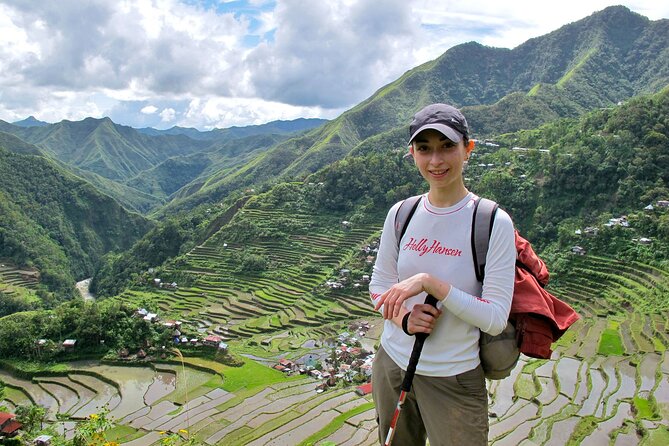
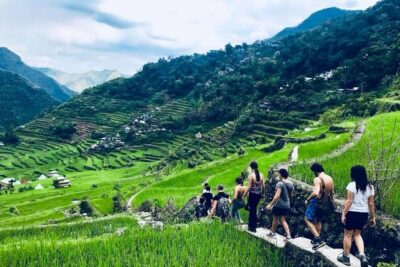
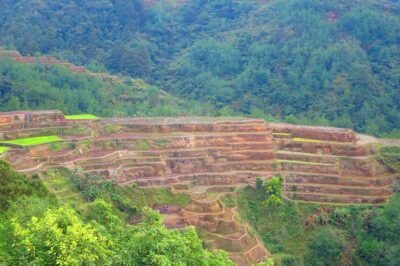
Batad is famous for its amphitheater of rice terraces. The curved arrangement gives the place a different feel from a simple viewpoint. You are not only looking across the terraces. You are moving through a cultivated mountain setting where walls, paths, homes, and slopes connect.
The night is spent at a village inn with a view of the terraces. Accommodation is very basic, with running water and communal bathrooms. That may be a welcome part of the adventure for you, or it may be the hardest adjustment after the long hike.
The included lodging lowers the overall cost and keeps you near the trail. It also means you should not expect private hotel amenities. Bring only what you need, and pack with the assumption that changing clothes and washing up will be simple.
One breakfast is included. Other meals and drinks are not, so set aside money for food during the trek. A breakfast mix-up was reported on one outing, and the provider offered to refund the charge, but you should still confirm at the inn what is covered before paying again.
More rice terrace trips north of Manila:
- Sagada and Banaue Rice Terraces 4-Day Tour
★ 5.0 · 4 reviews - Banaue & Batad UNESCO 3days 2 nights Tour ( Private Group Tour Max 6 Travelers)
★ 5.0 · 30 reviews - From Manila: 4-Day Sagada and Banaue Rice Terraces Tour
★ 4.9 · 29 reviews - 5 Days Sagada Banaue Batad Discovery (PRIVATE GROUP TOUR Max 6 Travellers)
★ 5.0 · 16 reviews
Tappiyah Waterfalls and the walk to Bangaan
Day 3 begins with about three hours of hiking around Batad. The route includes Tappiyah Waterfalls and more time exploring the village and rice terraces.
The waterfall adds a welcome change from terraces and ridge paths. It also gives the morning a clear destination after the previous day’s long walk. You should still treat this as part of a demanding trekking day, not an easy sightseeing stroll.
After lunch, the group hikes about three hours to Bangaan, the final village of the adventure. Along the way, you pass through more mountain scenery and village areas. The route lets you see how the rice terraces are part of a larger way of life, rather than a single monument built for visitors.
Day 3 involves about six hours on foot. That is shorter than Day 2, but fatigue may make it feel just as serious. Wet conditions can slow you down, and steep sections require care. The tour operates in all weather, so rain protection and shoes with reliable grip are sensible choices.
The information provided does not spell out every detail of the final overnight transfer, but the schedule returns you to Manila by bus. You arrive at the original bus station at around 3:00 am on Day 4. Plan your next day with recovery time in mind.
What $270 includes, and what it does not
At $270 per person, the price is reasonable if you value a guided route and arranged transport. You receive all land transportation during the trip, the overnight buses from and to Manila, one night in a village inn, activity fees, a professional guide, and one breakfast.
The small group is part of the value. With no more than seven people, the trip avoids the slow movement and impersonal feel that can come with a large coach tour. You also have a better chance to ask about Ifugao culture, trail conditions, and village life as you go.
The price does not cover hotel pickup and drop-off, most food and drinks, travel insurance, or personal trekking equipment. Tips for restaurant staff and local guides are not required, though they are appreciated. A porter is also an extra cost if you do not want to carry your own bag.
The most important cost calculation is physical. If you already own hiking shoes, a suitable backpack, and rain gear, the package is easier to justify. If you need to buy equipment and hire a porter, your final spending will be higher than the advertised rate.
Group discounts may be available, and mobile tickets are offered. The tour averages booking about 72 days ahead, so early planning is sensible if your Manila dates are fixed.
How hard is the hike?
The operator rates the physical demand as very high, with six to seven hours of hiking each day on moderately hilly to steep terrain. The stated general expectation is moderate physical fitness, but the daily schedule is closer to a serious hiking trip than a casual walk.
You carry a backpack with two days of clothes. That sounds modest, yet every extra item matters on steep trails. Choose light clothing, a compact wash kit, a rain layer, and only the shoes and equipment you truly need.
Rain changes the experience. Trails may become slippery, and wet conditions can make descents more tiring. The tour runs in all weather, so you need to be comfortable continuing in poor conditions unless the operator cancels because the weather is unsafe.
I would choose this trip if you regularly walk long distances and handle hills without trouble. I would not choose it as a first-ever hiking holiday, especially if you dislike steep paths, basic lodging, or carrying a pack.
Guides, group size, and the human side of the trip
The guide is more than someone who points toward the next terrace. On a route with long walking days, village stays, changing weather, and narrow paths, a good guide helps the group keep moving safely and makes the setting easier to understand.
Marvin received especially strong praise for helping make the terraces memorable. Jonathan was described as friendly and full of information about the region. These names are useful to know, though the guide assigned to your departure may differ.
The maximum of seven people is a real advantage. You are likely to spend much of the trip with the same small group, sharing the bus ride, the long trail sections, the inn, and the meals you arrange along the way. That can create a friendly mood, but it also means you cannot easily disappear from the group if you need a quiet day.
The village stay gives the trip its strongest cultural value. You have the chance to speak with local people and learn about life in the Ifugao region, rather than viewing the terraces only from a road. Keep an open mind about comfort, privacy, and pace.
What to pack for the Banaue route
The post-booking packing guide should be your main reference, but the basic needs are clear. You need a backpack with two days of clothing, suitable hiking shoes or boots, and clothing for changing weather.
A useful packing approach includes:
- Lightweight clothing that dries easily
- Sturdy shoes or boots with good grip
- Rain protection, since the tour runs in all weather
- A small wash kit for communal bathroom facilities
- Water and personal snacks
- A compact bag that does not become a burden after several hours
- Travel insurance and any personal medication
Do not pack for a hotel holiday. The village inn has running water, but bathrooms are communal. Do not count on buying every personal item along the route, and remember that food and drinks beyond the included breakfast are your responsibility.
Cancellation and weather details to know
You can receive a full refund if you cancel at least six full days before the start time. Cancellations made two to six full days ahead receive a 50 percent refund, while cancellations less than two full days before departure are not refunded.
Changes follow the same time limits. The cut-off uses local Philippine time, so check the clock carefully if you are booking from another country.
Weather is a special case. If poor weather causes the operator to cancel, you are offered another date or a full refund. The trip does not promise clear skies, however, so you should prepare for rain during a normal departure.
Should you book this Banaue hiking tour?
Book it if you want to see the Banaue, Batad, and Bangaan terraces on foot, prefer a small group, and are willing to trade comfort for access. The combination of overnight bus transport, village lodging, waterfalls, and several days among Ifugao communities gives you much more than a single viewpoint visit.
Skip it if you want a relaxed schedule, private bathrooms, included meals, or a hotel bed every night. The long bus rides and six to seven hour hiking days are not minor inconveniences.
For a strong hiker who wants an organized route from Manila, $270 is a fair package price. Bring light gear, accept the simple inn, budget for meals and possibly a porter, and leave room in your schedule to sleep after the 3:00 am return. That is the sensible way to enjoy this demanding but memorable corner of Luzon.
FAQ
Where does the tour begin in Manila?
The tour begins at Ohayami Trans Sampaloc, 1528 Fajardo Street, Sampaloc East, Manila. The scheduled start time is 9:00 pm.
How many people can join the group?
The tour has a maximum of seven people per booking and is open to other participants.
How much hiking should I expect?
You should expect six to seven hours of hiking per day on moderately hilly to steep terrain. The physical demand is rated very high.
What accommodation is provided?
You spend one night in a basic village inn. It has running water and communal bathrooms.
Are meals included?
One breakfast is included. Other food and drinks are not included in the tour price.
Do I need to bring my own hiking equipment?
Yes. Personal trekking gear, including a backpack and hiking shoes or boots, is not included. You need to carry two days of clothing, though you may hire a porter.
More Hiking Tours
- Day Hike Mt. Batulao 811 meters with transfers from Manila** 2024
★ 4.5 · 17 reviews - Skip the Line: Hike Eat Swim at Mount Purro Nature Reserve Ticket
★ 5.0 · 13 reviews - Cebu: Adventure Hiking Trip in the City
★ 4.8 · 9 reviews - Cebu: Osmeña Peak hike and Sardines Run Snorkel adventure
★ 4.1 · 8 reviews
Just added around Luzon
- Pagsanjan Falls Adventure with Lunch and Rapids Experience★ 4.5 · 3 reviews
- Private Airport Transfer Manila to Hotel in Manila or vice versa★ 5.0 · 3 reviews
- The Jeepney & Tuk Tuk Adventure ride with Local Guide★ 4.5 · 4 reviews
- Sagada and Banaue Rice Terraces 4-Day Tour★ 5.0 · 4 reviews
- Manila Food Tour Experience with Local Guide★ 5.0 · 4 reviews
- Mt. Pinatubo Day Tour from Manila★ 5.0 · 4 reviews
- Day Hike: Mount Daraitan plus Tinipak River start point Manila** updated 2022★ 5.0 · 4 reviews
- Manila Social and Political Walk★ 5.0 · 4 reviews
Banaue Rice Terraces Tours, side by side.
Banaue & Batad UNESCO 3days 2 nights Tour ( Private Group Tour Max 6 Travelers)
Read the review →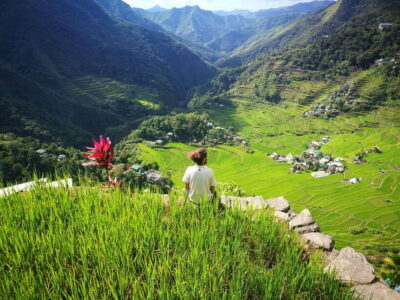
5 Days Sagada Banaue Batad Discovery (PRIVATE GROUP TOUR Max 6 Travellers)
Read the review →
3-Day Sagada, Baguio, & Banaue Rice Terraces Tour
Read the review →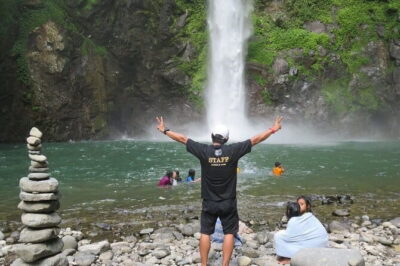
Banaue Rice Terraces Escape: 3 Days, 2 Nights with Transfers
Read the review →
Embark on a 7-Day Banaue-Sagada Adventure of a Lifetime
Read the review →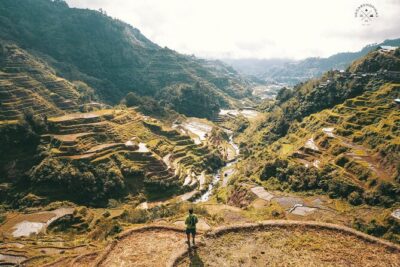
4 Day Banaue Ifugao Rice Villages Private tour Trekking
Read the review →Where else this one shows up