
Reviewed · CITY TOURS
Half-Day Manila City Tour
Manila’s past is packed into four busy hours. This guided outing gives you a practical first look at the capital, moving from Spanish colonial Intramuros and San Agustin Church to Rizal Park, Fort Santiago, Manila Bay, and the Manila American Cemetery. An English-speaking guide provides the historical thread, while hotel pickup keeps you from wrestling with Manila’s transport system on your own.
I like the small maximum group of six, which should make it easier to ask questions and hear the guide. I also like that entrance fees are included, especially at Casa Manila, San Agustin Church, Fort Santiago, and the American Cemetery. The main drawback is time: six major stops in about four hours can feel brisk, and traffic may stretch the tour or reduce time at some sites.
Guides receive especially strong praise for their history skills and personal service. Richard, Jonas, Jezzy, Amy, Vangie, Joan, Jen, and others are singled out for clear explanations, humor, punctuality, and flexibility. One important caution: one guest found the tour less useful because the guide stayed outside some sites instead of walking in to explain them.
In This Review
- Key points at a glance
- Why this is a useful first look at Manila
- Casa Manila: a close look at colonial life
- San Agustin Church and the weight of time
- Intramuros: Manila’s walled Spanish core
- Fort Santiago: power, confinement, and national memory
- Rizal Park: a public space with national meaning
- Manila Bay: a brief look at the harbor
- Manila American Cemetery and Memorial: the most solemn stop
- The guide makes or breaks the four-hour format
- Is $107.70 a fair price?
- Pickup, pace, and practical planning
- Who should book this Manila tour?
- FAQ
- How long does the Half-Day Manila City Tour last?
- What sites are included?
- Are entrance fees included?
- Is hotel pickup available?
- Is a guide included?
- How many people can join the tour?
- Are food and drinks included?
- Is the tour suitable for children?
- What happens if I am late for pickup?
- Can I cancel or change the booking?
- Is physical fitness required?
- Should you book it?
Key points at a glance
- Six important Manila sights in one short outing: You cover colonial Intramuros, national memorials, a fortress, a church, a park, and Manila Bay.
- A useful World War II stop: The Manila American Cemetery and Memorial adds a solemn modern chapter to the city’s story.
- Pickup is limited to specific areas: Hotel transfers are provided from Manila Bay or Makati hotels only.
- A true small-group format: The tour accepts no more than six people, a good setup for questions and conversation.
- Strong guide-led experience: The best part is the human explanation, with guides praised for history, English, punctuality, and warmth.
- Plan for a quick pace: Each listed stop is roughly 30 minutes, and road traffic can affect the schedule.
Why this is a useful first look at Manila
Manila can be difficult to read at street level. Its story is spread across Spanish rule, Philippine independence, World War II, religion, politics, and modern city life. The places on this tour do not all belong to the same period, and that is exactly why the route works.
You begin with Spanish colonial Manila, then move through national memory and wartime history. By the end, you have seen the old walled city, a major church, a fortress, a public park, a bayfront viewpoint, and a military memorial. You will not know every corner of Manila, but you will have a solid framework for understanding the city.
The English-speaking guide is central to the experience. At its best, this is not just a ride between monuments. It is a moving history lesson, with time to ask about Jose Rizal, Spanish colonization, World War II, and the role of Intramuros in Manila’s past.
The strongest guide reports praise Richard for his pride in the city, humor, and detailed explanations. Jonas is praised for enthusiasm and attention, while Jen is noted for being flexible and helpful even beyond the tour itself. Joan is described as punctual, friendly, and professional. These details matter because a four-hour city tour depends heavily on the guide’s ability to make quick stops meaningful.
A few more trips and experiences worth a look
- Manila: Intramuros, Chinatown, and Old Manila Half-Day Tour
★ 4.8 · 475 reviews - Discover Tagaytay’s Countryside: Half-Day Sightseeing Tour
★ 4.5 · 207 reviews - From Manila: Tagaytay Countryside Wonders: A Half-Day Tour
★ 4.4 · 187 reviews
Casa Manila: a close look at colonial life
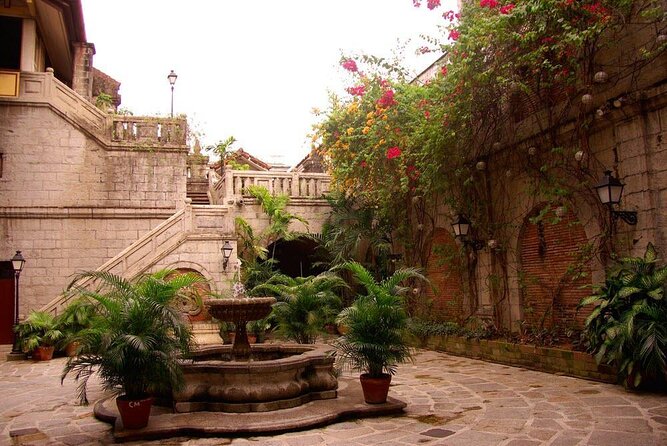
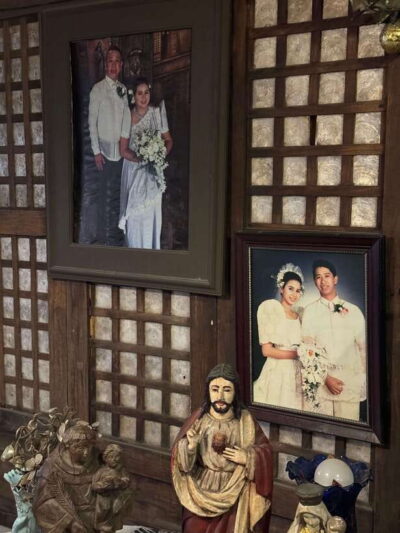
Casa Manila is a museum inside Intramuros that presents the lifestyle of the Spanish colonial period. It is a more intimate beginning than simply driving past old walls. Instead of focusing only on government or military power, the museum helps you picture how colonial-era residents lived.
You have about 30 minutes here, with admission included. That makes the stop easy to fit into a half-day, though you should not expect an extended museum visit. The value comes from the setting and the contrast it provides with the larger streets and fortifications nearby.
For me, Casa Manila is most useful when the guide adds context. Furnishings and rooms can tell only part of the story. An explanation of who held power, how society was organized, and how colonial life affected Filipinos gives the displays greater meaning.
San Agustin Church and the weight of time
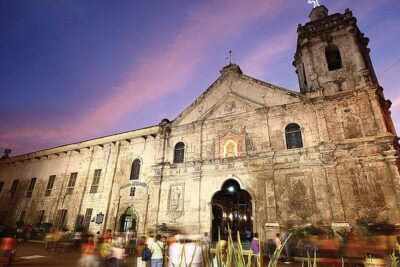
San Agustin Church is one of the most important stops on the route. Completed in 1607, it is described as the oldest church in the Philippines and remains under the care of the Order of St. Augustine.
You get about 30 minutes and admission is included. That is enough for a focused visit, but not for a slow study of every feature. Allow yourself a quiet moment inside. The church is not just an attractive historic building. It represents the long reach of Catholic institutions during Spanish rule and the way religion became part of Philippine public life.
The church also gives the tour an important change of pace. After the movement of streets and vehicles, a sacred interior can feel calm and reflective. Listen closely to the guide here, since the historical importance may be easy to miss if you treat the stop as a quick photo opportunity.
Intramuros: Manila’s walled Spanish core
Intramuros is the heart of the colonial section. The name means within the walls, and this fortified district once served as the seat of government and political power under Spanish rule. The district was closely tied to the idea of Manila itself during the Spanish Empire.
You have around 30 minutes here, in addition to the nearby Casa Manila, San Agustin Church, and Fort Santiago stops. That sounds generous until you account for walking, entrances, traffic, and the guide’s explanations. This part of the visit is best viewed as an introduction rather than a complete exploration.
Intramuros is where the tour’s separate pieces come together. Casa Manila shows domestic life. San Agustin Church shows religious power. Fort Santiago shows military control. The walls and streets connect those themes into one historical district.
The pace may frustrate you if you want to linger. If you are making your own wish list, note which places deserve a return visit. This half-day route is designed to show you the main shape of Intramuros, not every lane and building.
Something different, still within reach of Manila:
- Intramuros, Manila: Historical Bamboo Bike Tour
★ 4.8 · 583 reviews - Experience Intramuros with Bamboo Bicycle – Ecotours
★ 5.0 · 508 reviews - Manila: Old & New 4-Hour City Tour
★ 4.5 · 458 reviews - Manila Food Tour: Introduction to Philippine Street Food
★ 5.0 · 417 reviews
Fort Santiago: power, confinement, and national memory
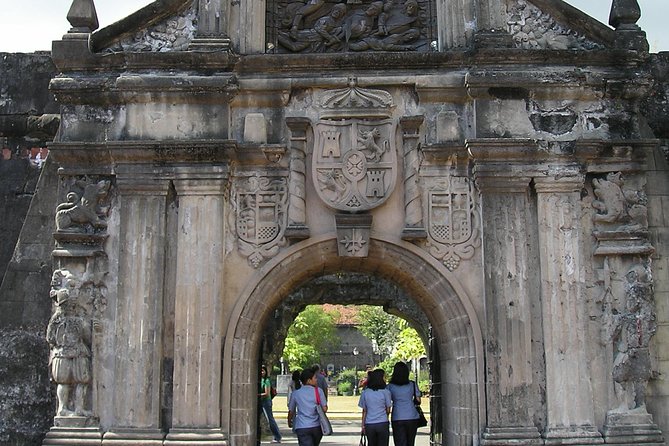
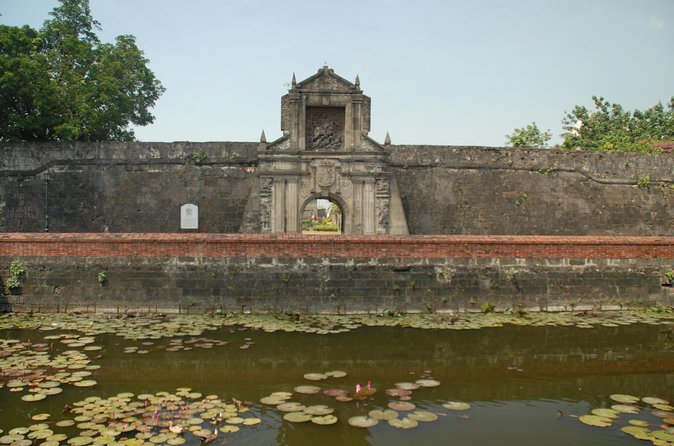
Fort Santiago began as a Spanish defensive fortress for the newly established city of Manila. It forms part of the walls of Intramuros and gives you a clear sense of how the colonial city protected its government and port.
The stop is scheduled for about 30 minutes, with admission included. That is enough to see the main areas and hear the story, but you will need to keep moving. The fort is one of the places where a good guide makes a real difference. Without context, it can look like another old military site. With explanation, it becomes a place tied to Spanish rule, Philippine politics, and the national story.
The tour’s emphasis on Jose Rizal also connects Fort Santiago with Rizal Park. That connection helps you understand how Manila remembers its national hero across several locations rather than in one isolated monument.
A practical point: ask the guide questions while you are at the site. One person felt the experience suffered when the guide did not enter every stop. That is a useful reminder that the quality of the visit depends not only on where you go, but on how actively the guide interprets each place.
Rizal Park: a public space with national meaning
Rizal Park, formerly known as Bagumbayan during the Spanish colonial period, adds a broad public setting to the route. It is a historical urban park and an important place for understanding the country’s national memory.
The supplied schedule does not give a separate visit length for Rizal Park, so the actual time may depend on traffic and the pace of the other stops. You should expect a guided look rather than an extended park visit.
The park pairs naturally with Fort Santiago and the American Cemetery. Together, these places move the story from colonial rule to the struggle for national identity and then to the wartime past. One guest called Rizal Park beautiful, but the greater value is its role in the story of Jose Rizal and the Philippines.
If you want plenty of time for photos, shade, or a long walk, this may feel short. If you want a quick orientation to the park and its place in Philippine history, it fits the tour well.
Manila Bay: a brief look at the harbor
Manila Bay is a natural harbor serving the Port of Manila. The stop gives you a change from old churches, walls, and memorial grounds. It also points to Manila’s role as a port city and a center of trade and movement.
No separate duration is provided for this stop. Treat it as a brief viewing point rather than a long waterfront visit. The route is packed, and traffic can affect how much time remains.
This is the kind of stop that works best when your expectations are realistic. You are not booking a dedicated bay cruise or a leisurely waterfront excursion. You are getting a short look at one of the physical features that shaped Manila’s development.
Manila American Cemetery and Memorial: the most solemn stop
The American Cemetery and Memorial honors World War II veterans and may be the emotional high point of the tour. One guest specifically described this site as the highlight, and that makes sense. After the Spanish colonial portion of the day, the cemetery brings the story into the twentieth century and the devastating war years.
The visit is listed at about 30 minutes. That gives you time to take in the memorial grounds and listen to the guide, but the setting deserves respectful attention rather than a rushed checklist approach.
This stop also broadens the tour beyond Intramuros. You see that Manila’s story is not only about Spanish buildings and national heroes. It also includes international conflict, military sacrifice, and the lasting memory of World War II.
If you prefer only lively sightseeing, the cemetery may feel heavy. I consider that a strength, not a flaw, provided you are ready for a quiet and serious portion of the morning or afternoon.
The guide makes or breaks the four-hour format
A short city tour needs an excellent guide. You have limited time at each site, so clear explanations matter more than a long list of stops.
The most praised qualities are consistent: punctual pickup, strong English, historical knowledge, humor, patience, and a willingness to answer questions. Amy is praised for one-on-one explanations and careful answers. Vangie is described as both informed and fun, while Richard and Frances, the guide and driver, are praised for professionalism.
The small group limit of six improves the odds of a personal experience. You can ask a question without holding up a large coach, and the guide can respond to your interests. Still, the actual style may vary. One guide reportedly remained on the vehicle or outside some sites, which reduced the explanations inside. I would politely ask at the start how the guiding will work at each stop.
The driver also matters in Manila. Traffic can make a tightly scheduled route run longer than planned. One guest said congestion extended the tour and made it feel less efficient. That is a city condition, not necessarily a tour flaw, but it is worth allowing extra time afterward.
Is $107.70 a fair price?
At $107.70 per person, this is not the cheapest way to see Manila. The price buys more than transport, though. It includes hotel pickup from eligible areas, an English-speaking professional guide, admission fees to the included sites, and a small-group limit of six.
The value is strongest for a first visit, a short stay, or anyone who does not want to work out Manila’s transport connections alone. You are paying for a route that links sites from different periods and for someone to explain how those places relate.
The value is weaker if you already know Intramuros, prefer to travel slowly, or want to spend a full morning at just one or two museums. You may also find the price harder to justify if your hotel is outside Manila Bay or Makati and you need to arrange your own way to the pickup area.
With a 4.8 rating from 29 ratings and 93 percent recommending it, the experience has a strong record. I would still judge it by your touring style. The price makes sense for convenience and interpretation, not for a long, leisurely visit at each stop.
Pickup, pace, and practical planning
Hotel transfers are provided only for hotels located in the Manila Bay or Makati areas. Your pickup time is advised at least one day before the tour, so watch for that message and be ready at the hotel entrance.
The maximum wait outside the hotel is 30 minutes from your stated pickup time. If you are not there, the booking is treated as a no-show. This is worth taking seriously, especially in a large city where finding the vehicle may take a moment.
The tour lasts about four hours and requires a moderate level of physical fitness. You will likely walk through historic areas and stand at several sites. Wear practical shoes and bring what you need for a warm urban outing, though the supplied information does not specify particular weather conditions beyond the tour requiring good weather.
Food and drinks are not included. Eat beforehand or plan food separately, since the schedule is short and there is no meal stop listed.
The booking is non-refundable and cannot be changed for any reason. If poor weather causes the operator to cancel, you are offered another date or a full refund. That strict policy makes it especially important to confirm your date before paying.
Who should book this Manila tour?
I would recommend it to first-time visitors who want a guided introduction without handling the city’s transport system alone. It also suits people with limited time, history fans, and anyone who prefers a small group rather than a large bus.
It is a good match if you want Spanish colonial history, Jose Rizal, World War II memory, and major city landmarks in one outing. The range of stops gives you useful context for later exploring.
I would hesitate if you want long museum visits, independent wandering, or a relaxed photographic tour. The four-hour schedule is ambitious, and traffic can make it feel even tighter. You should also think twice if your hotel is outside the stated pickup zones or if you need a flexible cancellation policy.
FAQ
How long does the Half-Day Manila City Tour last?
The tour lasts approximately four hours.
What sites are included?
The route includes Casa Manila, Rizal Park, San Agustin Church, Intramuros, Manila Bay, Fort Santiago, and the Manila American Cemetery and Memorial.
Are entrance fees included?
Yes. Entrance fees to the included sites are covered.
Is hotel pickup available?
Yes, but pickup is provided only for hotels located in the Manila Bay or Makati areas.
Is a guide included?
Yes. A professional English-speaking guide is included.
How many people can join the tour?
The tour has a maximum of six participants.
Are food and drinks included?
No. Food and drinks are not included.
Is the tour suitable for children?
Children must be accompanied by an adult. The child rate applies only when sharing with two paying adults.
What happens if I am late for pickup?
The maximum waiting time outside the hotel entrance is 30 minutes from the stated pickup time. If you do not arrive within that period, a no-show is applied.
Can I cancel or change the booking?
The experience is non-refundable and cannot be changed for any reason. If the operator cancels because of poor weather, you are offered another date or a full refund.
Is physical fitness required?
Yes. Participants should have a moderate level of physical fitness.
Should you book it?
Book this tour if you want a clear, guided introduction to Manila in limited time. The included admissions, hotel transfer from Manila Bay or Makati, small group, and strong guide record make it a convenient choice for a first visit.
Go in expecting a brisk overview, not a slow examination of every site. Ask your guide to accompany you inside each stop, keep an eye on the clock, and leave extra time afterward in case traffic runs long. For a compact look at Manila’s colonial, national, and wartime past, this tour offers good value and a sensible starting point.
Just added around Manila
- Embark on a 7-Day Banaue-Sagada Adventure of a Lifetime★ 5.0 · 3 reviews
- Philippines Intro 3 days 2 nights Tour Best of Manila and Beyond★ 5.0 · 3 reviews
- Pagsanjan Falls Adventure with Lunch and Rapids Experience★ 4.5 · 3 reviews
- Manila: Intramuros Tour ( Dark)★ 4.7 · 3 reviews
- Manila: Intramuros Heritage Tour★ 4.2 · 3 reviews
- From Manila: Philippines Private Tour Guide★ 4.1 · 3 reviews
- Discover the Real Manila with a Local Guide★ 5.0 · 3 reviews
- MANILA: HISTORICAL KALESA RIDE TOUR EXPERIENCE IN INTRAMUROS★ 4.0 · 3 reviews
City Tours, side by side.
Private Cebu & Lapu-Lapu City Tour with Uphill Spots & Lunch at House of Lechon
Read the review →
Manila by Night: Discovering City Highlights with Intramuros
Read the review →
Where else this one shows up