
Reviewed · TUK-TUKS
Manila Tuktuk and Jeepney Ride Guided Tour
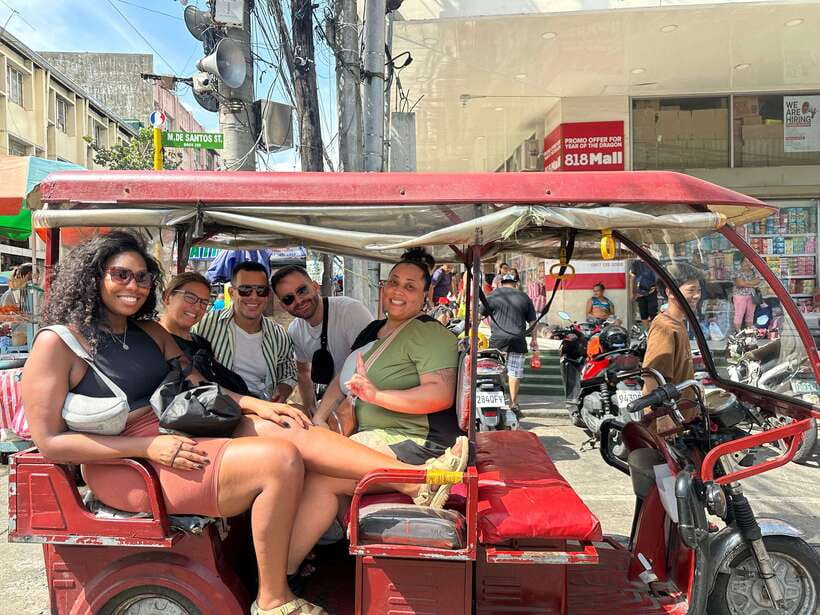
Manila makes more sense from the back of a tricycle. This two-hour outing pairs local transport with old downtown streets, Chinatown, Divisoria, and Tutuban, giving you a close look at daily city life rather than a quick tour of major monuments. I like the chance to ride a tuk-tuk, jeepney, and tricycle in one short experience, and I like that guides such as Floyd and Veronica focus on local culture, food, markets, and places you may not find alone. The main consideration is comfort: traffic, crowded streets, and some less polished areas are part of the deal.
This is a small-group style experience led in English, priced at $65 per person. I see the best value here in the access and transport arrangements, not in the number of sights covered. Two hours passes quickly, and one company organizer noted that some areas could be more comfortable and the choice of sights could be improved.
In This Review
- Key points before you book
- What this Manila ride is really about
- Meeting at Tutuban Center Mall
- Riding a tuk-tuk and tricycle through Manila
- The jeepney ride and why it matters
- Chinatown and old downtown Manila
- Divisoria and Tutuban market life
- Meeting local people without turning neighborhoods into scenery
- What the guides add to the two hours
- Is $65 a fair price for two hours?
- Comfort, pace, and who should skip it
- Booking details worth knowing
- Should you book the Manila TukTuk and Jeepney tour?
- FAQ
- Where does the Manila TukTuk and Jeepney tour meet?
- How long does the tour last?
- What transportation is included?
- Is the tour conducted in English?
- Does the tour visit Chinatown?
- Does the tour include Divisoria and Tutuban?
- Can I cancel the tour for a refund?
Key points before you book
- Three kinds of local transport: You may ride a tuk-tuk, tricycle, and iconic jeepney, depending on the day’s arrangements.
- Old downtown Manila: The route includes the oldest Chinatown, along with historic city areas and busy commercial streets.
- Tutuban and Divisoria: These famous market districts show Manila at its most crowded, practical, and energetic.
- A guide-led local experience: Floyd is praised for humor and clear communication, while Veronica is praised for her cultural knowledge and care.
- A short, focused tour: Two hours works well as an introduction, but it leaves little time for long stops or a relaxed meal.
- Meeting point at Bonifacio Monument: Meet at Tutuban Center Mall, at the Bonifacio Monument, and ask mall security for directions.
What this Manila ride is really about
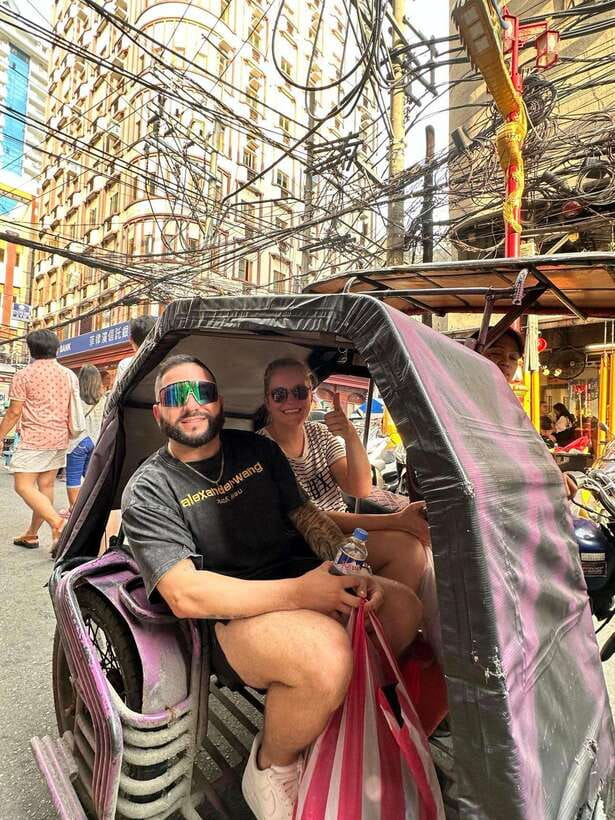
This is not a polished sightseeing circuit in an air-conditioned coach. It is a street-level introduction to Manila, built around the vehicles people use every day.
A tuk-tuk or tricycle puts you close to the traffic, shopfronts, pedestrians, and sounds of the city. The jeepney adds a different feel, with its distinctive design and shared public transport setup. You are not just moving between attractions. You are seeing how the city works.
That makes the experience useful early in a Manila visit. You can get your bearings, notice how different districts connect, and ask questions while the guide handles the route. The ride also gives you a practical feel for Manila before you try local transport on your own.
The tradeoff is that the outing is more about atmosphere and access than detailed sightseeing. The tour description promises historic sites, markets, food, local residences, and less familiar places, but the exact order and length of each stop can vary. If you want a list of famous landmarks with plenty of time for photographs, this may feel too quick.
A few more trips and experiences worth a look
- Manila: Guided Tuk Tuk Ride
★ 4.8 · 57 reviews - Manila: Chinatown Nighttime Tour by Tuk-Tuk
★ 5.0 · 13 reviews - Discover the Real Manila with Tuktuk and Jeepney
★ 5.0 · 12 reviews
Meeting at Tutuban Center Mall
The stated meeting point is Tutuban Center Mall, at the Bonifacio Monument. Once you arrive, ask the security staff where to find the meeting point. That advice matters because a large mall and market area can be confusing, especially if you are trying to locate a guide while traffic and pedestrians move around you.
Tutuban is not a random pickup spot. It places you near one of Manila’s best-known commercial districts, so the setting begins the experience before the vehicle arrives. You are already close to the market activity and older downtown areas that form part of the route.
Give yourself enough time to find the monument and confirm the exact starting place. The information supplied for the experience names Manila as the tour setting but also lists Nueva Vizcaya as the location, so I would check the confirmed meeting details before booking or setting out. The Tutuban meeting point is the practical reference to use.
Riding a tuk-tuk and tricycle through Manila
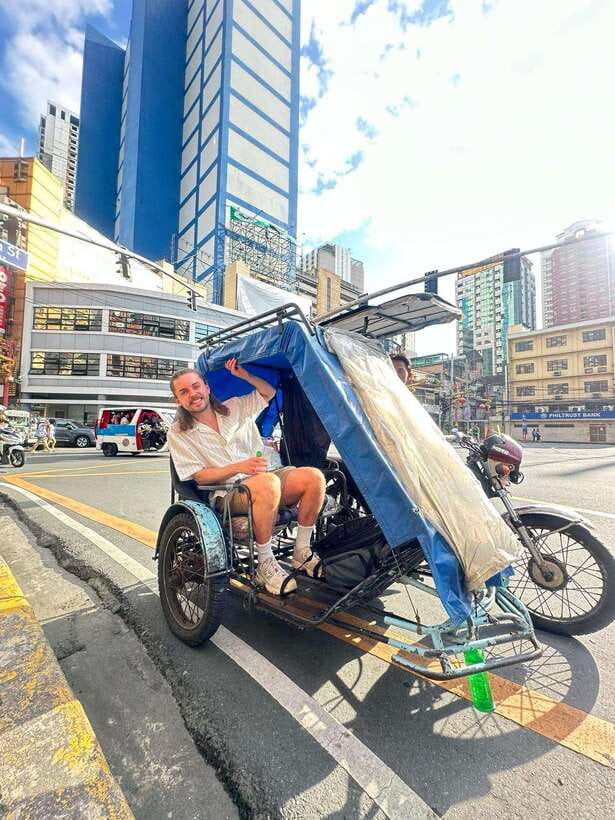
The tuk-tuk and tricycle portion is likely to be the most immediately enjoyable part for many people. These compact vehicles place you at street level and make the ride feel more personal than a standard city bus.
You might pass local shops, residential streets, roadside stalls, and busy junctions. The point is not speed. Manila traffic can turn a short distance into a slow ride, but that gives you more time to watch the city unfold.
A tricycle is especially useful for reaching smaller streets and local areas. The tour also refers to visits involving local residences and less familiar parts of the city. One account of the experience included Chinatown and poorer residential districts. That can be eye-opening, but you should approach such areas with respect. You are looking at real neighborhoods where people live, not a stage set for sightseeing.
Comfort may vary. These vehicles are part of the appeal, but they are not designed like luxury tour vans. You may encounter heat, noise, tight seating, and stop-and-go traffic. If you prefer a quiet ride with steady air conditioning, this is not the right format.
The jeepney ride and why it matters

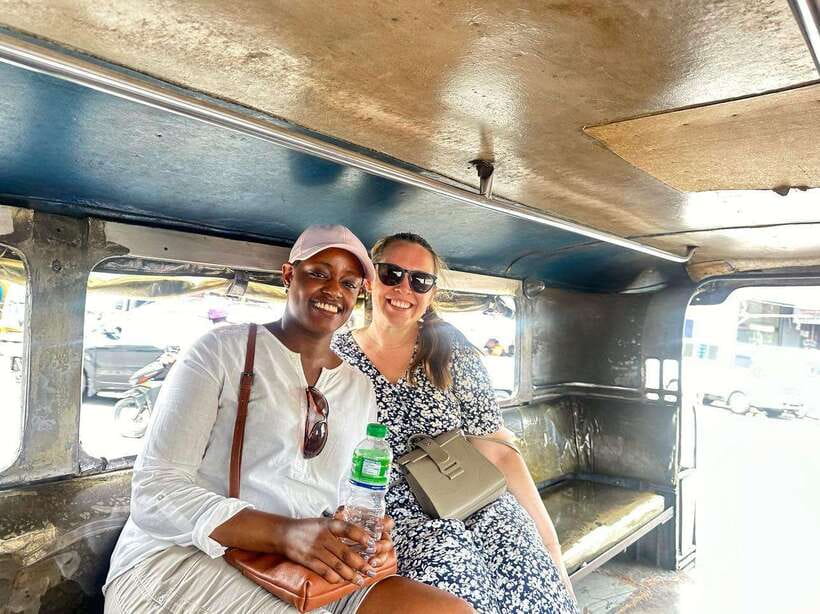
The jeepney is one of the clearest symbols of the Philippines, and riding one gives the tour a strong local character. It is shared public transport, not simply a decorative vehicle brought out for tourists.
A jeepney ride also shows you how different this experience is from a standard city tour. You are closer to the everyday rhythm of Manila, where short rides, crowded roads, and informal transport are part of normal life. The guide can explain what you are seeing as you move along.
The exact balance between jeepney, tuk-tuk, and tricycle is not guaranteed in the supplied details. The activity includes local transportation using all three, but the route and vehicle order may depend on availability and conditions. If riding each vehicle is your main reason for booking, confirm that point in advance.
The jeepney can also be less comfortable than a private vehicle. Space may be limited, and traffic can make the journey feel slow. I would treat the ride as part of the cultural experience, not as a quick way to cover a long list of sights.
Something different, still within reach of Philippines:
- El Nido: Island Hopping Tour A Lagoons and Beaches
★ 4.3 · 1,572 reviews - From Puerto Princesa: Underground River Full-Day Trip
★ 4.3 · 1,460 reviews - Bohol: Premium Chocolate Hills, Tarsiers & River Experience
★ 4.7 · 804 reviews - Coron Ultimate Tour: 7 Destinations with Lunch & Transfers
★ 4.8 · 754 reviews
Chinatown and old downtown Manila
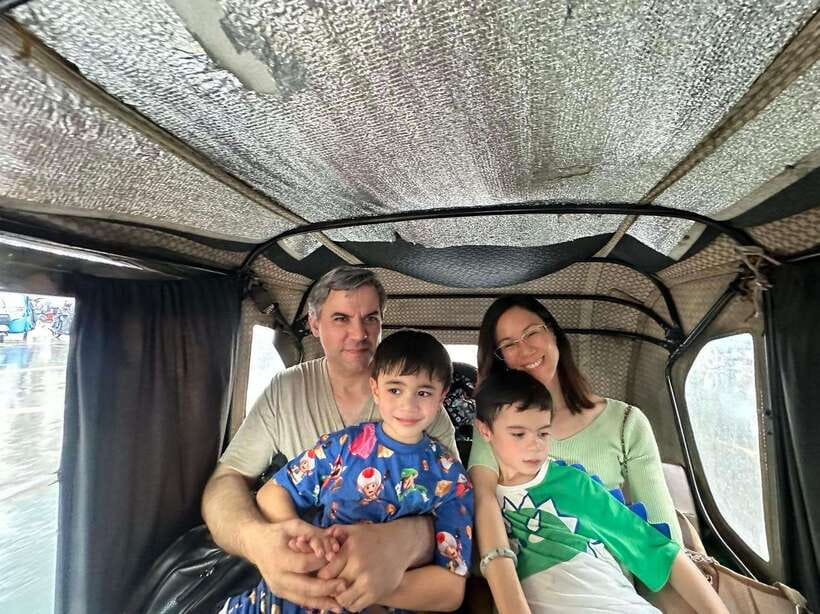
The tour includes Manila’s oldest Chinatown and the old downtown area. These are important stops because they connect the city’s commercial life with its long urban story.
In Chinatown, you might see shops, food businesses, narrow streets, and the constant flow of people buying and selling. The value of a guide is strongest here. A local guide can point out details that are easy to miss and help you understand what makes the district different from other parts of Manila.
The old downtown area adds another layer. Instead of viewing Manila only through major attractions, you get a sense of its working center, where historic streets sit beside shops, markets, transport routes, and dense neighborhoods.
Do not expect a long museum-style history talk during a two-hour ride. The information will likely come in short explanations between stops. That format suits you if you want context without spending an entire morning indoors.
Food is also part of the promised experience, with local cuisine included in the tour description. The available information does not specify a restaurant, dish, tasting menu, or whether food is included in the $65 price. Ask before booking if eating is important to your plans. Otherwise, think of food as a possible part of the route rather than a guaranteed meal.
Divisoria and Tutuban market life
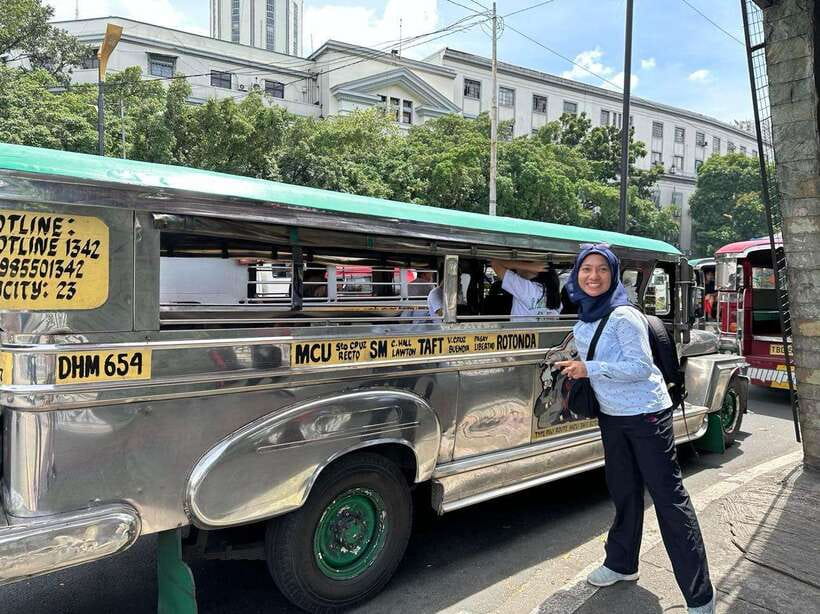
Divisoria and Tutuban bring the tour into one of Manila’s most practical shopping areas. These districts are known in the supplied description as the biggest market area on the route, and they give you a direct look at local buying and selling.
Here, the attraction is the street scene itself. You might see packed stalls, wholesale goods, bargain shopping, and people moving through narrow commercial spaces. It is a place where Manila feels busy and intensely practical.
Tutuban is also where you meet, so the tour may begin or end close to this market setting. That makes the meeting point convenient if you want to continue exploring afterward, though the tour does not state how much free time you receive in the market.
Keep your expectations realistic. A market stop is not the same as a guided shopping trip. You may have time to look around, but two hours must also cover transport and other areas. If you want to bargain, shop, and photograph everything at a relaxed pace, plan a separate visit.
Meeting local people without turning neighborhoods into scenery
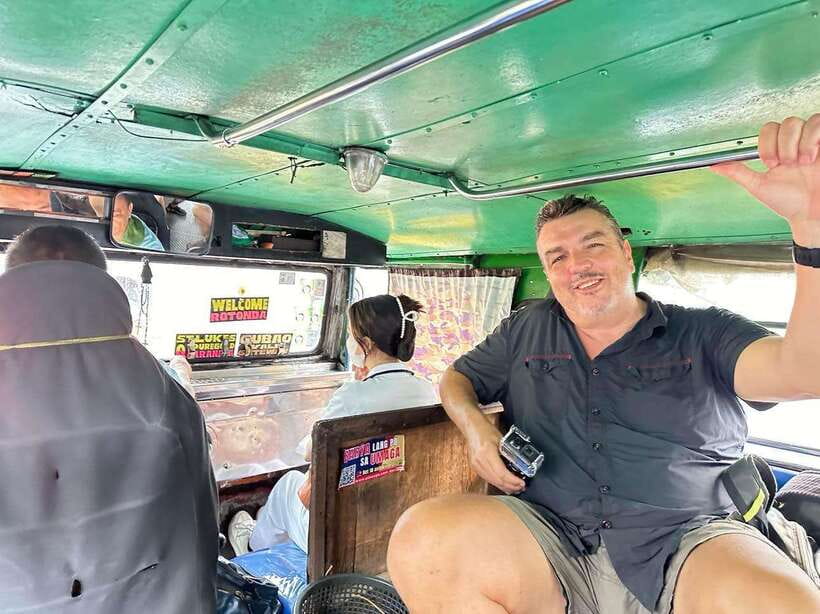
The experience places real emphasis on meeting locals and seeing local residences. That can be one of its strongest features when handled well.
A good guide gives context, introduces the setting respectfully, and helps you understand how people live. Floyd is praised for being funny and informative, and one booking described him as helpful in bringing a small group together. Veronica is praised for making the local experience feel safe and comfortable while explaining Filipino culture.
The reference to poorer areas requires some care. These neighborhoods may show a side of Manila that is absent from polished sightseeing routes, but you should avoid treating hardship as entertainment. Follow the guide’s lead, ask before taking photographs, and remember that residents are not part of a show.
This is also where a small group helps. A compact party is less intrusive and easier for the guide to manage. One person specifically valued the small-group setting and Floyd’s ability to help everyone connect. The exact maximum group size is not stated, so ask if group size affects your decision.
What the guides add to the two hours
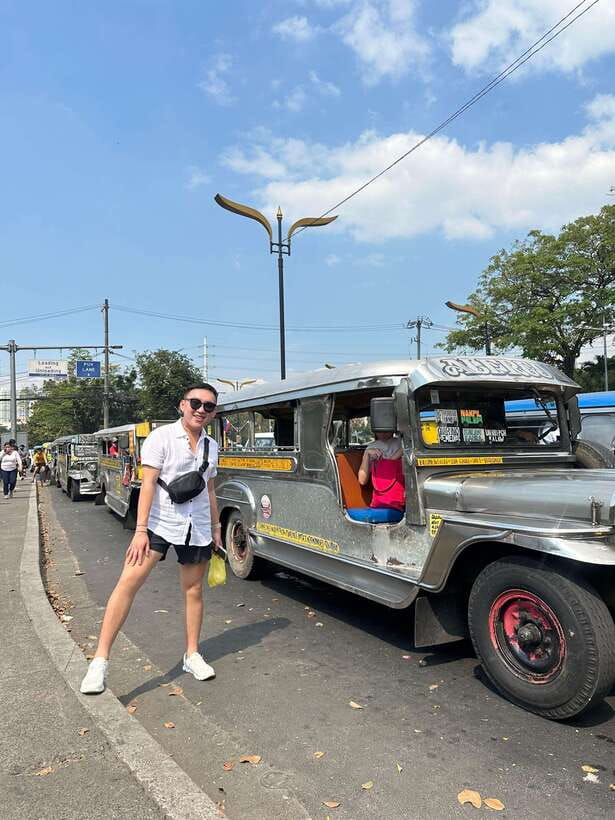
The guide can make or break a short experience. With limited time, you need someone who can keep the route moving while still explaining what matters.
Floyd receives the strongest praise in the available feedback. He is described as funny, informative, communicative, and good at helping the group bond. That combination suits a tour built around conversation and unusual transport. You are likely to get more from the ride if you ask questions rather than simply sit back.
Veronica is praised for her care, cultural understanding, and attention to comfort. That is especially useful on a route that includes busy markets, crowded roads, and neighborhoods outside the usual visitor circuit.
The provider is V.S Tour Services, and the tour is offered in English. Guide quality can vary from one departure to another, but the named guides give you a useful idea of the style to expect: friendly, personal, and focused on local life rather than formal lectures.
Is $65 a fair price for two hours?
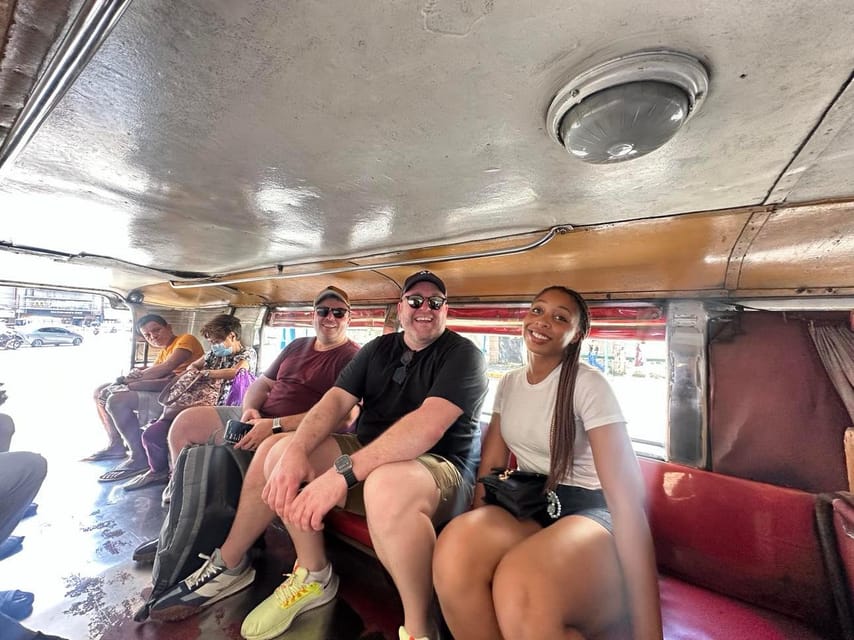
At $65 per person, this is not a cheap public transport ride. You are paying for the guide, the planning, and the chance to combine several forms of local transportation without having to work out the route yourself.
The value is strongest if you are new to Manila, have limited time, or want help reaching areas that can feel confusing on your own. A guide also adds meaning to the transport. Without explanation, a ride through Chinatown or Divisoria may simply look crowded. With context, you can understand why these districts matter.
The value is weaker if you already know Manila, are comfortable using jeepneys and tricycles independently, or mainly want major landmarks. The tour lasts only two hours, and the information does not list entrance tickets, a full meal, hotel pickup, or a long stop at a named attraction.
I would book it as a compact orientation, not as a complete Manila tour. The price makes more sense when you think of it as a private introduction to local transport and old downtown districts, especially if you are traveling in a small group.
Comfort, pace, and who should skip it
The pace will be active. You move between different vehicles and areas, and the city itself supplies plenty of noise, traffic, heat, and distractions.
You should be comfortable with basic urban travel and some uncertainty in the route. The tour is not designed for anyone seeking a quiet, highly controlled ride. A participant noted that comfort and the choice of sights could be improved, which is a fair warning for visitors with exact expectations.
The stated restriction says the activity is not suitable for people over 95. No other restrictions are provided, so you should ask the operator about seating, walking, heat, and personal mobility if those details matter to you.
I think the experience suits:
- First-time Manila visitors who want a quick orientation
- People interested in local transport and everyday city life
- Food and market fans who prefer working districts to polished attractions
- Small groups that want a guide who can keep conversation flowing
- Visitors with only a short window before another activity
I would be more cautious if you need guaranteed comfort, a fixed list of landmarks, or a slow schedule with plenty of time at each stop.
Booking details worth knowing
The tour lasts two hours, with starting times subject to availability. It includes a local English-speaking guide and local transportation using jeepney, tricycle, and tuk-tuk.
You can cancel up to 24 hours in advance for a full refund, and the reserve now, pay later option lets you hold a place without paying immediately. Those terms are useful if your Manila schedule is still changing.
Before you go, confirm the meeting point at Tutuban Center Mall and ask whether all three vehicles will be used on your departure. Also clarify what food means in practice, since local cuisine is mentioned but no specific meal or tasting is described.
The overall rating is 4.9 from 16 reviews, with repeated praise for the guides, the small-group feel, communication, and access to places people might not locate alone. At the same time, the feedback is not perfect across the board. One organizer wanted more comfort and more appealing sights, so this is best understood as a raw local outing rather than a polished sightseeing product.
Should you book the Manila TukTuk and Jeepney tour?
Book it if you want Manila at street level. The strongest reasons are the mix of local vehicles, access to old downtown and Chinatown, time in Divisoria and Tutuban, and guides such as Floyd and Veronica who add humor, context, and personal attention.
Skip it if you want a landmark-heavy tour, air conditioning, or a carefully fixed itinerary. Two hours is enough for a lively introduction, but not enough for a full picture of Manila.
For the right visitor, the $65 price buys more than a ride. It buys a short, guided look at how the city moves, shops, and lives. Go with an open mind, modest comfort expectations, and a willingness to see both the appealing and difficult sides of Manila.
FAQ
Where does the Manila TukTuk and Jeepney tour meet?
The meeting point is at Tutuban Center Mall, at the Bonifacio Monument. Ask mall security where to find the meeting point.
How long does the tour last?
The tour lasts two hours.
What transportation is included?
The experience includes local transportation using jeepney, tricycle, and tuk-tuk.
Is the tour conducted in English?
Yes. The live tour guide language is English.
Does the tour visit Chinatown?
Yes. The route includes Manila’s oldest Chinatown and the old downtown area.
Does the tour include Divisoria and Tutuban?
Yes. Divisoria and Tutuban are listed among the areas included in the experience.
Can I cancel the tour for a refund?
Yes. You can cancel up to 24 hours in advance for a full refund. You can also reserve now and pay later.
Just added around Philippines
- Philippines Intro 3 days 2 nights Tour Best of Manila and Beyond★ 5.0 · 3 reviews
- Embark on a 7-Day Banaue-Sagada Adventure of a Lifetime★ 5.0 · 3 reviews
- Sohoton Cove: Swim with Jellyfish & Explore Hidden Lagoons★ 3.6 · 3 reviews
- Boracay Paraw Sailing★ 5.0 · 3 reviews
- Private Boracay Helicopter Tour with Hotel Pick Up★ 4.5 · 3 reviews
- Coron: Island Tour (B) with Twin Lagoon & Lunch★ 5.0 · 3 reviews
- Siquijor Mountain Day Tour From Dumaguete (Private Tour)★ 4.7 · 3 reviews
- Cebu: Whale Shark Encounter and Kawasan Canyoneering★ 5.0 · 3 reviews
Tuk-Tuks, side by side.

Discover the Real Manila with Tuktuk and Jeepney
Read the review →
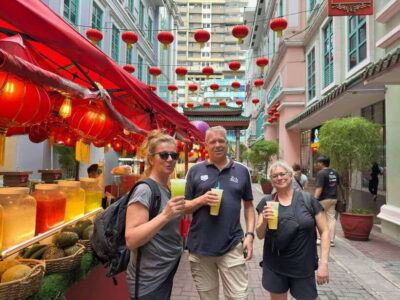
Manila Street Food and Drinks with Tuktuk Experience
Read the review →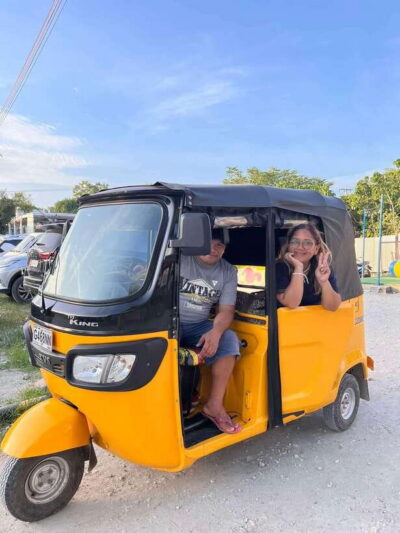
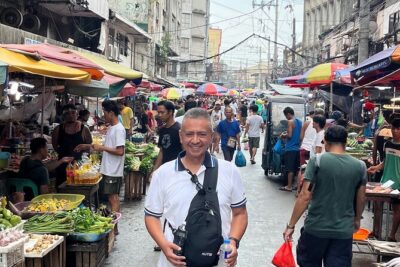
The Jeepney & Tuk Tuk Adventure ride with Local Guide
Read the review →Where else this one shows up