
Reviewed · HISTORICAL TOURS
Cebu City: Historical Street and Food Tour
Cebu’s past is best seen on foot. This three-hour tour mixes old churches, market life, street food, and stories about the Philippines’ oldest city. I like the way it links major sights with everyday Cebu, from the Farmers Market and Carbon Market to balut, the boiled salted duck egg that many visitors are curious to try. I also like the small-group format, limited to 10 people, which gives you room to ask questions.
The guides receive especially strong praise for their energy, clear English, and care with solo participants. Philip, Nacien, and Kyle are among the guides named in feedback, and Philip even helped one solo guest arrange a safe taxi home. The main drawback is the $90 price, which is high for a three-hour walking tour, especially if you mainly want to see the churches and monuments without much food interest.
In This Review
- Key points to know before booking
- Why Cebu’s old center makes a good walking tour
- Starting with Cebu food at the Farmers Market
- Heritage of Cebu Monument and the city’s layered past
- Inside the 1680 Yap Sandiego Ancestral House
- Basilica Minore del Sto. Niño and the 1565 church
- Magellan’s Cross and the 1521 landing point
- Carbon Market and the meaning behind its name
- Cebu Metropolitan Cathedral and wartime rebuilding
- The guides are a major part of the value
- Is $90 fair for three hours?
- Who should book this Cebu walking tour?
- Final verdict: book it for context, not just monuments
- FAQ
- How long is the Cebu City Historical Street and Food Tour?
- What language is the tour conducted in?
- How many people are in the group?
- Is hotel transfer included?
- What food will I taste?
- Is balut required?
- Which historic buildings are included?
- What markets does the tour visit?
- What should I bring?
- Does the tour operate in bad weather?
- Can I cancel for a full refund?
- Can I reserve now and pay later?
Key points to know before booking
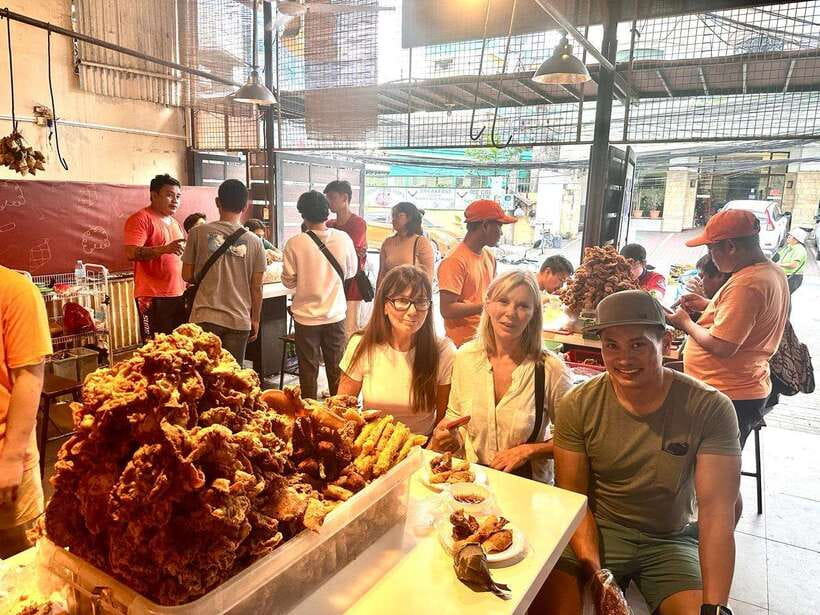
- Balut is part of the experience: You can taste the famous boiled salted duck egg, along with other Filipino street foods and drinks.
- The route covers Cebu’s major historic core: Stops include the Heritage of Cebu Monument, Yap Sandiego Ancestral House, Basilica Minore del Sto. Niño, Magellan’s Cross, and Cebu Metropolitan Cathedral.
- Yap Sandiego Ancestral House dates to 1680: Its coral-stone construction and Chinese and Spanish design make it one of the tour’s most distinctive sights.
- The group stays small: With no more than 10 participants, you should get more chances to ask about Cebu’s past and food.
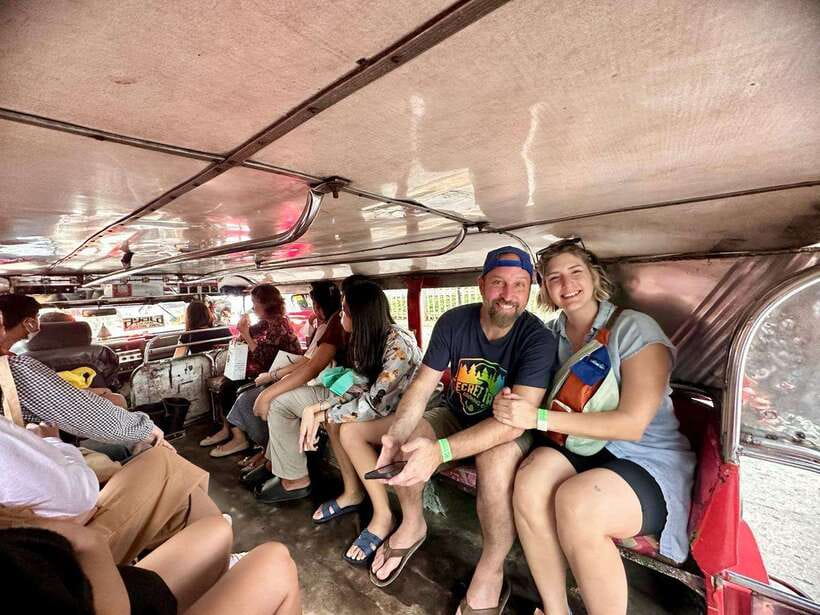
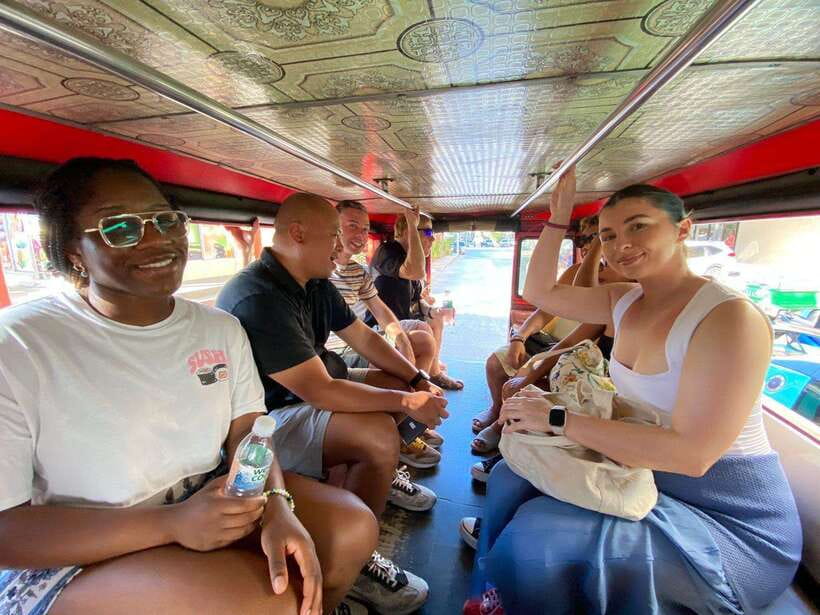
- Expect local transport and city walking: One recent guest enjoyed riding local buses as part of the three-hour outing.
- Bring cash and comfortable shoes: The tour runs rain or shine, and cash is useful for food or personal purchases.
Why Cebu’s old center makes a good walking tour
Cebu is not just another Philippine beach stop. It is the country’s oldest city, the first Spanish settlement, and an early capital. Those facts become easier to understand when you walk between churches, markets, ancestral homes, and streets shaped by trade.
I like this tour because it puts Cebu’s history in a human setting. You do not simply look at a church, take a photograph, and move on. You also pass through food markets, hear about local customs, and see how old religious and colonial landmarks fit into the present-day city.
The route is active but not an all-day march. Three hours gives you enough time to cover a lot of ground, though the schedule is fairly full. If you stop often for photographs or ask many questions, some sections may feel brisk.
You meet your English-speaking guide at the arranged meeting point. Hotel transfer is not included, so you need to reach the designated area yourself. Pickup instructions say to wait there for a guide holding a paper with your name. You can also contact the operator through the Cebu City Historical Street and Food Tour Facebook page if you need help finding the meeting point.
More Historical Tours in Cebu
- The Original Cebu City Historical and Food Walking Tour
★ 4.5 · 81 reviews - Cebu: Exploring Cebu City’s rich history and Uphill Tour
★ 4.5 · 68 reviews - CEBU: Cebu City Heritage and Uphill Guided Tour
★ 4.2 · 31 reviews
Starting with Cebu food at the Farmers Market
The food portion begins at the Cebu Farmers Market, where your guide introduces you to local ingredients and eating habits. This is a useful start because Filipino food can be unfamiliar if your experience has mostly been with resort restaurants.
The tour focuses on bold flavors and unusual combinations. The best-known tasting is balut, a boiled duck egg traditionally eaten with salt. You do not have to pretend that every local delicacy will be your favorite. The point is to understand a food that has a strong place in Filipino street culture and to decide for yourself.
I would bring cash, even though tastings are part of the activity. Cash is listed as something to bring, and it is useful for anything extra you may wish to buy in the markets. Wear clothes and shoes suited to walking through a working city market rather than dressing for a formal sightseeing visit.
The food receives mixed value judgments. Some feedback praises the food and drinks as generous, while one person found the food only average. That is fair warning: book this for a chance to sample local specialties, not as a serious food tour with a long list of restaurant-quality dishes.
Heritage of Cebu Monument and the city’s layered past
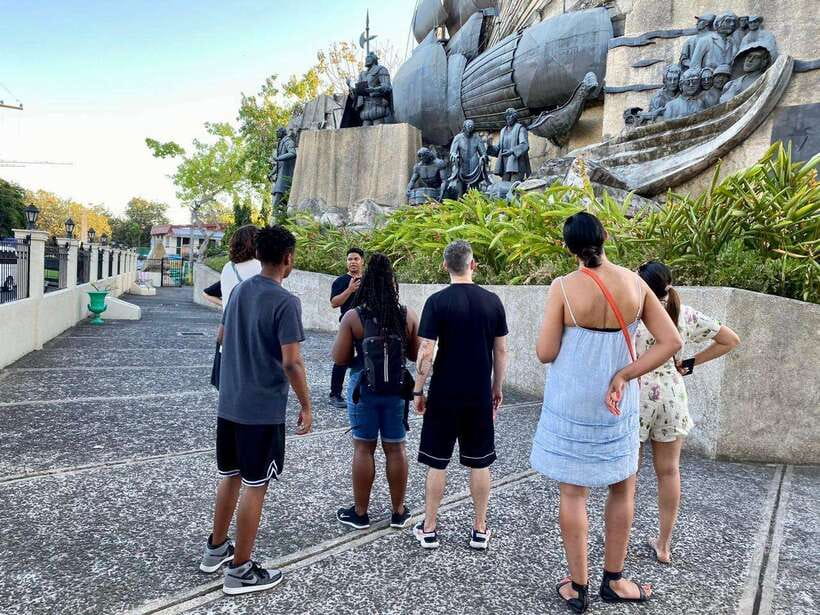
The Heritage of Cebu Monument uses metal sculptures to present important scenes from Cebu’s past. A guide adds value here because the monument is easier to appreciate when you understand what its figures and scenes represent.
This stop also sets up the larger theme of the route. Cebu’s story includes local Filipino traditions, Chinese influence, Spanish rule, Catholicism, trade, and war. You will not receive a full academic course in three hours, but you should come away with a clearer sense of why Cebu holds such an important place in Philippine history.
The monument is a good place to listen carefully and ask questions. With a small group, you may be able to pause for explanations instead of simply moving along with a large crowd. Several guide comments praise the ability to answer questions and keep the history lively, which matters on a walking tour filled with dates and names.
Inside the 1680 Yap Sandiego Ancestral House
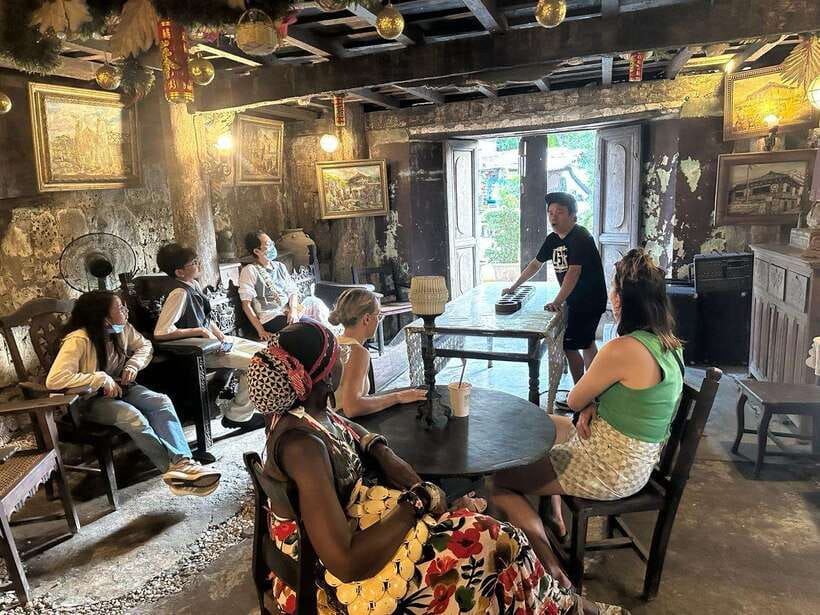
The Yap Sandiego Ancestral House is one of the route’s most memorable buildings. It was constructed from coral stone in 1680, and its Chinese and Spanish architectural elements reflect Cebu’s long connection with different cultures.
This is more than an old facade. The house helps you picture how prominent families lived and how Chinese and Spanish influences became part of Cebu’s built environment. I especially like that this stop breaks up the outdoor walking with a closer look at domestic architecture.
The age of the building gives the tour a useful physical anchor. Sixteenth-century churches can feel remote when you see them only as grand religious structures. An ancestral home makes the past feel more personal and easier to imagine.
You should have your camera ready, since photography is listed among the recommended items. The tour information does not promise a long interior visit, so expect a focused stop rather than an extended house museum experience.
More food tours in Cebu:
- Cebu Steet food, historical and mountain tour
★ 5.0 · 15 reviews - The Ultimate Cebu Food Tour: Local Tastes & Cultural Journey
★ 4.5 · 10 reviews - Food, Historical and Mountain Tour in Cebu City
★ 4.5 · 8 reviews - Cebu: After Dark Private City Tour with Food Crawl and Guide
★ 4.7 · 3 reviews
Basilica Minore del Sto. Niño and the 1565 church
Next comes Basilica Minore del Sto. Niño de Cebu, identified as the oldest Roman Catholic church in the Philippines. It dates to 1565, making it one of the central historic sights in Cebu City.
The church is important not only for its age but also for what it represents. This is where Cebu’s Spanish colonial and Catholic story becomes especially clear. Your guide can connect the building to the arrival of Spanish influence and explain why the site matters to Filipino religious life.
I would pay attention to the difference between seeing the basilica alone and seeing it with context. A quick independent visit may give you the architecture, but a guide can explain the date, the Spanish settlement, and the place of the church in Cebu’s story.
As with any active place of worship, the visit may feel less like a quiet museum stop and more like part of a living religious site. The tour information does not specify special clothing rules, but comfortable, respectful clothing is sensible. Since the tour takes place rain or shine, the walk between sights may be warm or wet depending on the day.
Magellan’s Cross and the 1521 landing point
Magellan’s Cross marks the site where a Christian cross was placed by Spanish explorers led by Ferdinand Magellan in 1521. This is one of Cebu’s best-known historical markers and a key point in the story of the first Spanish contact.
The cross gives you a direct link to the beginning of a major change in the Philippines. It also sits near the Basilica Minore del Sto. Niño, so the route lets you connect the arrival of Christianity with the later development of Cebu as a Spanish settlement.
This stop can be quick, but its importance is large. I recommend listening closely to how your guide explains the date and the people involved. The tour is most useful when it moves beyond this is old and explains how the event changed Cebu.
The route does not present Spanish history as the only story. The earlier market and ancestral-house stops help place Spanish influence alongside local and Chinese elements. That wider view makes the tour feel more balanced than a simple colonial monument circuit.
Carbon Market and the meaning behind its name
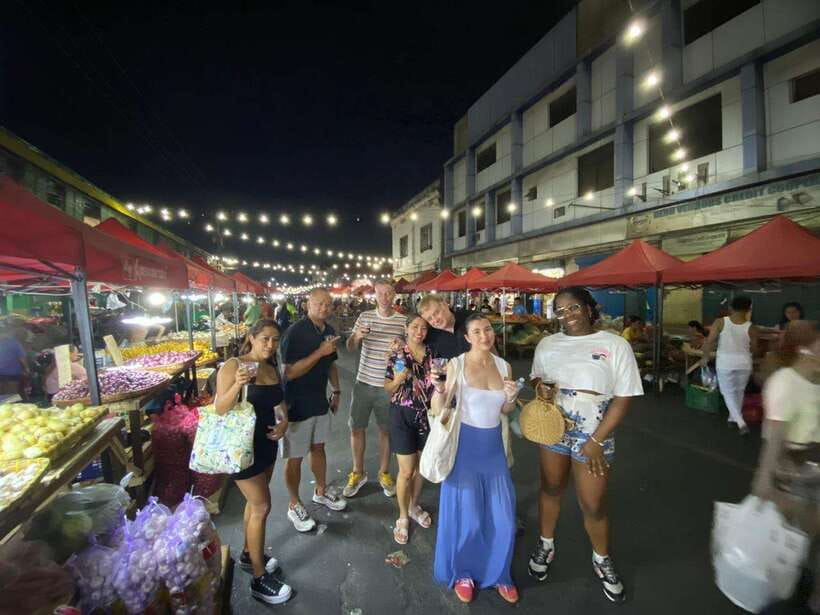
Carbon Market gets its name from the Spanish word for coal. It was once a coal depot, and today it forms part of the city’s busy market world.
This stop gives you a sharper contrast with the churches and heritage buildings. Instead of polished stone and formal religious spaces, you see a working market connected to daily commerce. I like this part because it keeps the tour rooted in present-day Cebu rather than treating history as something sealed behind museum glass.
A market also adds practical texture to the food theme. Your guide can help explain what you are seeing and connect local ingredients with the dishes you taste. You might find the market more interesting than the food samples themselves, especially if you like ordinary city life and want something less packaged for tourists.
One important point is that this is still a walking tour through an active urban area. Wear secure, comfortable shoes, keep your belongings close, and bring only what you need. Jewelry is specifically not allowed, so leave valuable accessories at your accommodation.
Cebu Metropolitan Cathedral and wartime rebuilding
The final major historic stop is Cebu Metropolitan Cathedral. The church was destroyed during the Second World War and rebuilt in the 1950s.
That detail adds another layer to the route. Cebu’s old buildings are not all untouched survivors. Some carry the marks of destruction, repair, and renewal. The cathedral helps you see that historic cities are often rebuilt versions of themselves, not frozen scenes from the past.
By this point, you will have seen religious buildings from several periods, a Chinese and Spanish-influenced ancestral home, a former coal depot, and active food markets. The cathedral works well as a closing stop because it brings together architecture, war, religion, and the city’s continuing life.
After the cathedral, the tour ends and you make your own way back to your accommodation. The supplied details do not include hotel return transport, so plan for your own taxi or other onward ride.
The guides are a major part of the value
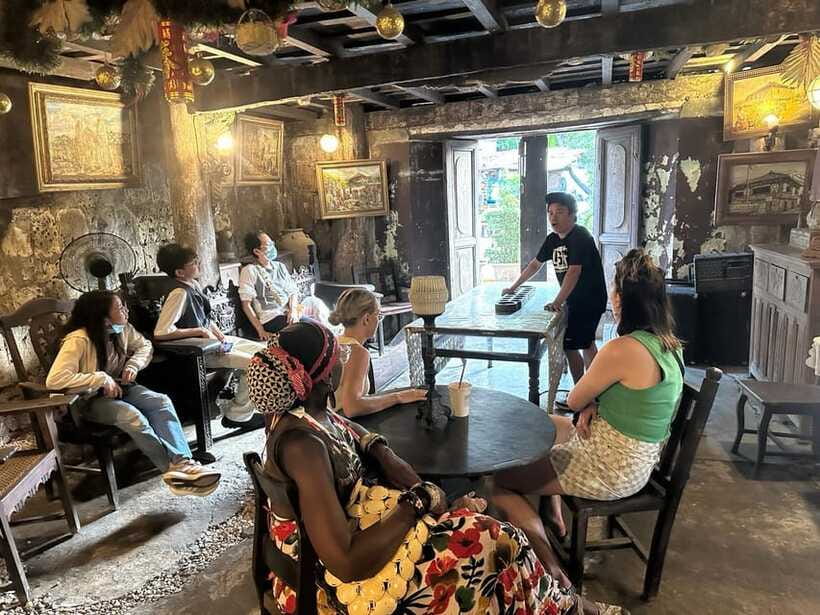
The strongest part of this experience is likely to be the guide. Philip is praised for looking after a solo participant and helping with a taxi afterward. Nacien is described as friendly, fun, and helpful, while Kyle receives praise for being an excellent guide. Another guest had a particularly good experience with Nescian, who gave full attention when the group was very small.
Those details matter because the route includes both history and food. You need a guide who can explain a church, answer questions about Cebu, and make unfamiliar street food feel approachable without turning the tasting into a dare.
The English-language guiding also received strong approval. That is important when the tour covers dates such as 1521, 1565, 1680, and the 1950s. Clear explanations make the difference between remembering a list of facts and understanding how Cebu developed.
The group size is limited to 10, but it may sometimes be smaller. That can be a benefit if you like conversation and personal attention. If you prefer the energy of a larger group, the walk may feel quieter, though one-person or very small-group outings can give you much more freedom to ask questions.
Is $90 fair for three hours?
At $90 per person, this is not a budget walking tour. The price makes the most sense if you value a guide, want help tasting unfamiliar foods, and would rather not organize the historic center on your own.
The tour covers many important sights in only three hours, and the guide’s local transport help, safety awareness, and explanations add value. The strongest case for booking is personal attention, particularly for a solo visitor or anyone who wants a structured introduction to Cebu.
The price is harder to defend if you mainly want photographs of the churches and monuments. You could visit many of these places independently, and one person specifically felt the tour was not worth nearly $100 because the food was only average and the route could be done alone.
My advice is to compare the cost with your priorities. If authentic street food, local history, and a friendly guide are central to your Cebu plans, the fee may be reasonable. If food is secondary and you are comfortable navigating the city yourself, save the money and visit the historic sights independently.
Free cancellation up to 24 hours before the start and reserve-now, pay-later booking make the commitment easier. Still, check the available starting time and meeting instructions carefully, since hotel transfer is not part of the package.
Who should book this Cebu walking tour?
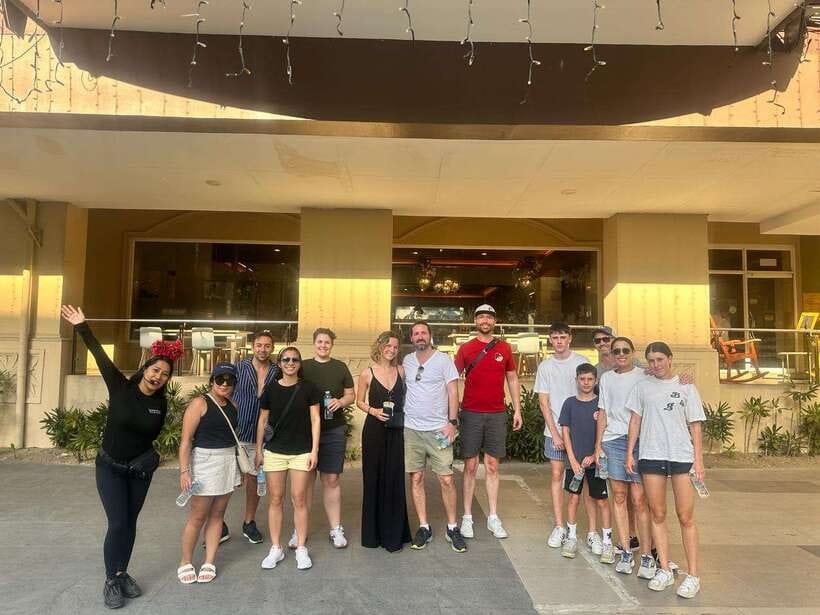
I would recommend this experience to first-time Cebu visitors who want an efficient introduction to the city’s historic core. It also suits solo visitors, since the small group and attentive guides can make the outing feel safer and more social.
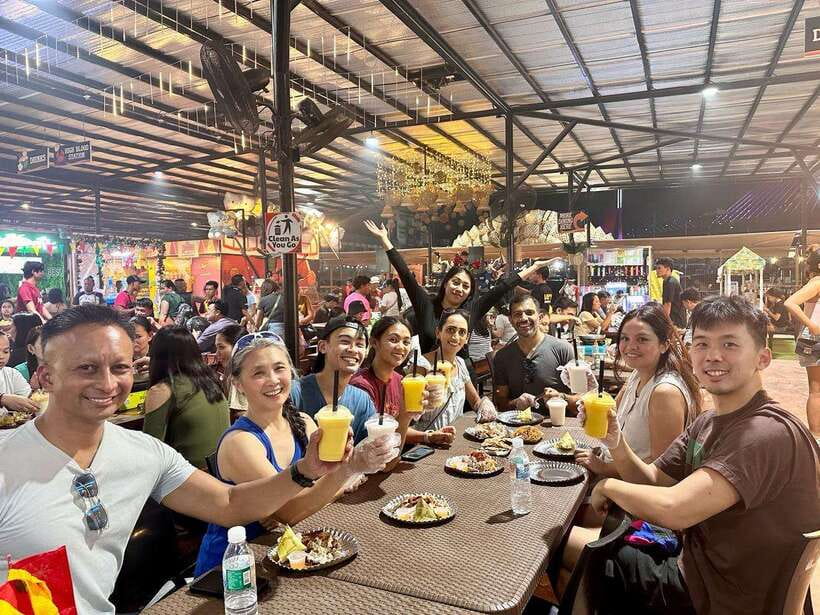
Food-curious visitors should enjoy the chance to try balut and other street foods in a guided setting. You will get more from the tasting if you approach it with curiosity rather than expecting a polished restaurant meal.
History fans will appreciate the mix of dates and sites, from the 1521 cross to the 1565 basilica, the 1680 ancestral house, and the cathedral’s postwar rebuilding. Photographers should bring a camera, though the short schedule means you may not have unlimited time at each stop.
I would hesitate to recommend it to anyone focused strictly on low-cost sightseeing. The $90 fee is a serious consideration, and the food quality may not impress every palate. The tour also runs rain or shine, so poor weather can make the walking less comfortable.
Final verdict: book it for context, not just monuments
I think this is a strong introduction to Cebu City when you want the city explained as well as seen. The route combines major landmarks with markets and local food, and the guides appear to be the main reason the experience works so well.
Book it if you want to ask questions, try balut, understand Cebu’s Spanish and Chinese influences, and have someone help you move through the historic center. Skip it if you are happy to explore independently and feel $90 is too much for three hours.
For the best fit, wear comfortable shoes, bring cash and a camera, leave jewelry behind, and allow for rain. Most of all, treat the food as part of the cultural lesson, not a gourmet tasting menu.
FAQ
How long is the Cebu City Historical Street and Food Tour?
The tour lasts three hours.
What language is the tour conducted in?
The tour is conducted in English with a live English-speaking guide.
How many people are in the group?
It is a small-group tour limited to 10 participants.
Is hotel transfer included?
Hotel transfer is not included. You should wait at the designated meeting area, where the guide will hold a paper with your name.
What food will I taste?
The tour includes local delicacies and street food, including balut, a boiled salted duck egg traditionally eaten with salt.
Is balut required?
The tour includes a chance to taste balut, but the provided information does not state that you must eat it.
Which historic buildings are included?
The route includes Yap Sandiego Ancestral House, Basilica Minore del Sto. Niño de Cebu, and Cebu Metropolitan Cathedral.
What markets does the tour visit?
The tour visits Cebu Farmers Market and Carbon Market.
What should I bring?
Bring comfortable shoes, comfortable clothes, a camera, and cash.
Does the tour operate in bad weather?
Yes. The tour takes place rain or shine.
Can I cancel for a full refund?
You can cancel up to 24 hours in advance for a full refund.
Can I reserve now and pay later?
Yes. The activity allows you to reserve your place and pay later.
Just added around Cebu
- Cebu: Oslob Whale Shark, Simala Church & Ka Treasure Argao★ 4.8 · 3 reviews
- Cebu: Oslob Whale Shark, Sumilon, Ruins, Simala Church★ 4.7 · 3 reviews
- Cebu: Whale Shark Encounter and Kawasan Canyoneering★ 5.0 · 3 reviews
- Cebu: Moalboal Island Hopping & Kawasan Falls Adventure★ 4.3 · 3 reviews
- Cebu Half Day City Tour (Private Tour)★ 5.0 · 3 reviews
- Cebu City with Sirao Garden Half Day Tour★ 5.0 · 3 reviews
- Cebu Airport Transfer to / from Anywhere in Cebu★ 5.0 · 3 reviews
- Oslob Whale Shark Snorkeling & Kawasan Canyoning Tour★ 5.0 · 3 reviews
Historical Tours, side by side.

Intramuros, Manila: Historical Bamboo Bike Tour
Read the review →
The Original Cebu City Historical and Food Walking Tour
Read the review →
Explore Intramuros: Introduction to Philippine History
Read the review →
Experience Manila’s Heritage: Intramuros & More in Half a Day!
Read the review →
Exploring Cebu City’s rich history and Uphill Tour
Read the review →
Tagaytay, Taal Volcano & Heritage Town: A Journey of Discovery
Read the review →Where else this one shows up