
Reviewed · CITY TOURS
Private 5-Hour Cebu City Tour with Lunch
Cebu’s past is packed into one morning. This private half-day tour gives you a practical way to see Cebu City’s main historic and religious sights, with a guide, private vehicle, entrance fees, lunch, and hotel transfers included. I like the small group limit of six, which should make questions and schedule adjustments easier, and I like the mix of Chinese, Spanish, Catholic, and Filipino culture in one compact route. The main concern is consistency: one sharply negative account describes a guide who left the group to explore alone, so the quality of the guide matters greatly.
I also like that the tour does not stop at the usual landmarks. Casa Gorordo adds a look at domestic life among Cebu’s wealthy families, while the Taoist Temple gives the morning a different cultural angle. Traffic can affect the timing, and the lunch stop may feel early, especially with an 11am meal possible on some schedules.
In This Review
- Four details worth knowing before you book
- Why this compact Cebu tour works
- The Taoist Temple and Cebu’s Chinese Filipino community
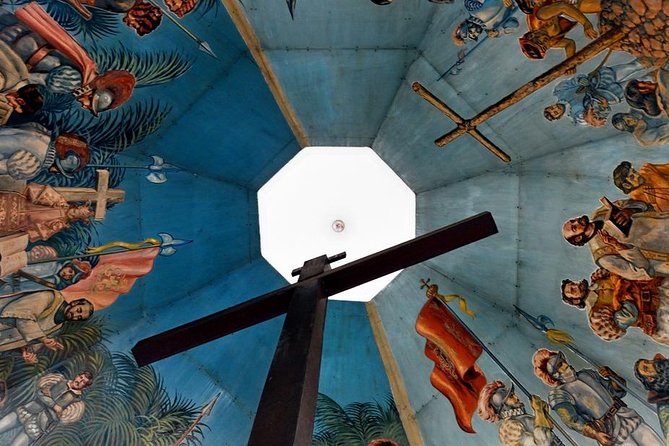
- Basilica del Santo Niño and Magellan’s Cross
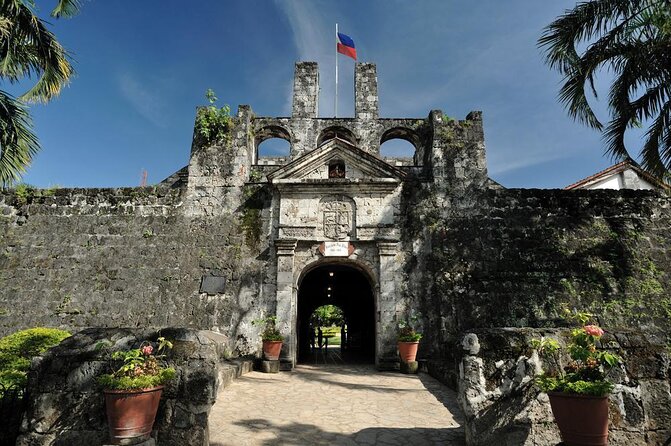
- Fort San Pedro and its quiet inner garden
- Casa Gorordo Museum and 1850s Cebu
- Lunch, transport, and the five-hour pace
- What the guide can make or break
- Who should book this Cebu morning?
- Should you book this tour?
- FAQ
- How long is the Cebu City tour?
- What time does the tour start?
- Which places are visited?
- Is lunch included?
- Does the tour provide hotel pickup and drop-off?
- How many people can join the private tour?
- Can I cancel for a refund?
Four details worth knowing before you book
- A private group of up to six: You are not placed on a large coach, and the guide can focus on your group.
- Four major Cebu stops: The route covers the Taoist Temple, Basilica del Santo Niño, Magellan’s Cross, Fort San Pedro, and Casa Gorordo Museum.
- Lunch and entrance fees included: The listed price of $91.03 per person covers more than transport and sightseeing.
- Pickup is limited to Cebu City hotels: Hotels outside Cebu City are not included in the transfer service.
- The start time needs checking: The tour description mentions both 8:30am and 9am pickup, so confirm the exact time before the day begins.
- Guide quality is important: Several accounts praise the guide’s English and history explanations, while one account reports a very poor experience.
Why this compact Cebu tour works
Cebu City can feel confusing at first. Important places sit in different parts of the city, roads can slow down, and the meaning of each site is not always obvious from a quick look. A private tour solves part of that problem by combining transport and explanation in one morning.
You get about five hours, which is enough to cover the city’s main sights without giving up a full day. I would think of this as a first look rather than a slow, detailed study of Cebu. You will see the key places, learn the basic story of Spanish arrival and local culture, and still have time left in your day.
The private format is useful for families, couples, and small groups who prefer not to wait for strangers. It also gives you a better chance to ask about Catholic traditions, Chinese Filipino culture, colonial buildings, or the city’s military past.
The tradeoff is pace. Each listed stop is planned for about one hour, and traffic may shorten the actual time available. This is a sightseeing sampler, not a leisurely day spent sitting in courtyards and reading every display.
More City Tours in Cebu
- Private Cebu & Lapu-Lapu City Tour with Uphill Spots & Lunch at House of Lechon
★ 4.5 · 168 reviews - Cebu Group Tour: Best Cebu City Tour
★ 4.0 · 63 reviews - Cebu: City Highlights with Sirao Flower Garden Visit
★ 4.2 · 30 reviews
The Taoist Temple and Cebu’s Chinese Filipino community
The Taoist Temple sits about four miles, or six kilometers, outside the city center. It was built in 1972 by Cebu’s Chinese community, so it offers a modern counterpoint to the Spanish-era and 19th-century sites later in the morning.
The approach is part of the appeal. The gate uses tiered roofs and winding dragons, with a design that recalls the Great Wall of China. It is a colorful, visually striking place, and the difference between this temple and the Catholic basilica later in the route helps you see Cebu as a meeting point of several traditions.
I would pay attention to the guide here. The building itself can be appreciated quickly, but its place in Cebu’s Chinese community is what gives the stop weight. One highly positive account praised the guide’s English and his explanation of Philippine history, which is exactly the sort of help that makes this stop more than a photo break.
The temple is also a good reason to bring modest clothing and comfortable shoes. The required dress is smart casual, and the tour asks for a moderate level of physical fitness. The provided information does not specify every clothing rule inside the temple, so sensible, respectful dress is the safe choice.
The route passes the Carbon Market, where produce arrives from around the island. You may only see it from the vehicle, but this short passage gives you a glimpse of the city’s daily food trade. Do not expect a market tour unless your guide specifically adds one.
Basilica del Santo Niño and Magellan’s Cross
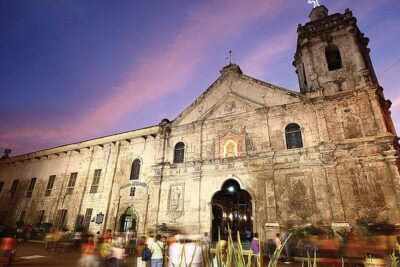
The Basilica del Santo Niño brings you to the heart of Cebu’s Catholic story. Founded in 1565, the basilica houses a revered 16th-century image of the Christ child, known as the Santo Niño.
This is one of the places where an explanation adds real value. The building is not simply an old church to photograph. It remains a religious site, and the Santo Niño has a special place in Cebu’s Catholic life. You may find services or worshippers present, so keep your voice low and follow any posted rules.
Across the street is Magellan’s Cross, associated with the arrival of Portuguese and Spanish explorers in 1521 under Ferdinand Magellan’s orders. The cross connects Cebu to the first phase of Spanish contact with the islands, while the basilica reflects the lasting religious legacy that followed.
I like having these two places paired together. You can understand the connection between exploration, conversion, and colonial power without spending half a day moving between separate sites. At the same time, the stop can feel crowded or hurried if the schedule is tight, and the tour description does not promise a long period for independent viewing.
Ask your guide to explain what is known about the cross and how the basilica’s Santo Niño image became so important. The guide’s storytelling is especially valuable here. A good explanation can turn two familiar landmarks into a clear piece of Cebu’s story.
Fort San Pedro and its quiet inner garden
Fort San Pedro was founded in 1565 as a Spanish military outpost. Today, it contains a tranquil garden in the inner courtyard, a calmer setting than you might expect from a defensive structure in the middle of the city.
The fort is a manageable stop for most people with moderate fitness. You are not signing up for a strenuous activity, but you will likely walk around the grounds and through historic spaces. Comfortable shoes will help, particularly if the surfaces are uneven.
I find the fort useful because it shifts the focus from religion to military power. The basilica and Magellan’s Cross show how Spain’s arrival affected faith and culture. Fort San Pedro shows how that presence was defended and organized.
The one-hour allocation sounds generous for a small fort, though the actual visit can depend on traffic and the guide’s timing. If your group enjoys military history, ask for more detail instead of rushing through the courtyard. If you are traveling with children, the compact layout and open garden may be easier than a large museum.
A few more trips and experiences worth a look
- Cebu Moalboal: Kawasan Canyoneering Adventure with Lunch
★ 4.9 · 630 reviews - Cebu City: Bohol Countryside Tour with Loboc Cruise Lunch
★ 4.5 · 488 reviews - Canyoneering Experience in Kawasan Falls with Lunch
★ 5.0 · 440 reviews - Cebu: Kawasan Falls Canyoneering Tour with Ziplining & Lunch
★ 4.8 · 259 reviews
Casa Gorordo Museum and 1850s Cebu
Casa Gorordo is the tour’s most personal stop. Built in the 1850s for a wealthy family, the home was made with Mactan coral stone and Philippine hardwood. It has been restored and furnished in period style to show how elite families lived in the mid-19th century.
This house gives you a different view of Cebu from the one offered by churches and forts. Instead of focusing on institutions, it brings the story indoors: building materials, rooms, furnishings, and the habits of a prosperous family.
I would save a little energy for this final stop. It is easy to remember a church or fort, but a historic home often supplies the small details that make the past easier to picture. The Mactan coral and hardwood construction also link the house to local materials and craft traditions.
The museum is a strong reason to choose this tour over a simple landmark transfer. Still, the value depends on the quality of the explanation. Without a guide who connects the rooms to Cebu’s wider social history, you may see a handsome old house without fully understanding what made it important.
Lunch, transport, and the five-hour pace
Lunch is included, along with local taxes, entrance fees, and round-trip hotel transport within Cebu City. That makes the $91.03 per-person price easier to assess. You are paying for a private vehicle and guide as well as admission and food, not just a list of stops.
For a small group of six, the price may be reasonable if you value convenience. Splitting the cost among several people can make a private tour more appealing than arranging separate transport and paying individual entrance fees. For one or two people, the same price deserves closer thought because a shared tour or self-guided route could cost less.
The lunch timing deserves attention. One negative account described being taken to a poor buffet at 11am, which made the meal feel rushed and disappointing. That does not prove every departure follows the same pattern, but it is a useful warning. If your group prefers a later meal or has dietary needs, ask what lunch includes and when it will happen before you depart.
The tour vehicle provides hotel pickup and drop-off for hotels in Cebu City only. Transfer time is approximate, and traffic can change the order and length of the stops. Cebu roads can be slow, so do not schedule a tight airport transfer or another fixed appointment immediately after the tour.
The official start time is also a little unclear. The practical details list 8:30am, while the day description says pickup begins at 9am. Confirm your exact meeting time with the provider, Blue Horizons Travel and Tours, Inc., rather than relying on one displayed time.
What the guide can make or break
The best part of a private city tour is usually the person explaining it. One positive account praised a guide’s strong English, engaging Philippine history stories, and good lunch. Another positive account said the guide and driver made a rainy day memorable and that the sites were worth visiting.
Those comments point to the tour’s greatest strength: context. Cebu’s landmarks are close together, but their stories span Chinese Filipino life, Spanish military rule, Catholic devotion, and upper-class domestic culture. A guide who links those subjects can make the morning feel coherent.
There is also a serious caution. One account describes a guide named Edwin leaving the group at each site, staying silent or sleeping in the car, and rushing the group to an unsatisfactory buffet. That is far below what you should expect from a private guided tour.
I would set expectations clearly at pickup. Tell the guide that you want explanations at each stop, ask how much time you will have, and raise lunch preferences early. If the guide does not engage, say so politely. A private tour gives you more room to communicate than a large group excursion.
The overall score is 3.7 from seven ratings, which suggests a mixed record rather than a dependable five-star experience. The positive accounts are specific about history explanations, English skills, the driver, and the value of the sites. The negative account is also specific, so I would treat guide assignment and lunch arrangements as the two main uncertainties.
Who should book this Cebu morning?
I would recommend the tour for a first visit to Cebu City, especially if you have only one free morning. It covers the city’s essential historic sights and saves you the work of arranging transport between them.
It suits families because the group stays together in a private vehicle, and the child rate applies when a child shares with two paying adults. Children must be accompanied by an adult. The moderate fitness requirement makes it reasonable for many families, though very young children may find the historical explanations and four separate stops tiring.
It also suits small groups who want flexibility. Couples, relatives, or friends traveling together can ask questions without competing with a busload of people. The group maximum is six, so larger parties would need another arrangement.
I would be less enthusiastic if you want a slow museum morning, a long market visit, or a carefully planned food experience. The tour is built around coverage, not lingering. The lunch is included, but the exact quality and timing deserve confirmation.
Bring comfortable shoes, modest smart-casual clothing, water, and a phone for the mobile ticket. Keep your schedule after the tour open because traffic can affect the return time. Free cancellation is available up to 24 hours before the start, but changes or cancellations inside that window are not accepted.
Should you book this tour?
Book it if you want Cebu City’s major cultural and historic sights handled in one private morning, and if your group values a guide and included transport more than the lowest possible price. The combination of the Taoist Temple, Santo Niño Basilica, Magellan’s Cross, Fort San Pedro, and Casa Gorordo gives you a useful first picture of the city.
Before paying, confirm the pickup time, lunch details, and the level of guiding you can expect. I would book this for convenience and coverage, but I would not book it blindly for a special occasion unless those details are clear. The sites are worthwhile, the price can be fair for a group of up to six, and the experience can be excellent with a strong guide. The mixed feedback means you should keep your expectations practical.
FAQ
How long is the Cebu City tour?
The tour lasts approximately five hours, including transportation between the hotel and the sightseeing stops.
What time does the tour start?
The listed start time is 8:30am, while the tour description refers to a 9am hotel pickup. Confirm the exact pickup time when booking.
Which places are visited?
The tour includes Cebu Taoist Temple, Basilica del Santo Niño, Magellan’s Cross, Fort San Pedro, and Casa Gorordo Museum.
Is lunch included?
Yes. Lunch is included in the tour price, along with entrance fees and local taxes.
Does the tour provide hotel pickup and drop-off?
Yes, round-trip hotel transport is included for hotels located within Cebu City.
How many people can join the private tour?
The tour has a maximum of six travelers.
Can I cancel for a refund?
You can cancel at least 24 hours before the experience start time for a full refund. Cancellations and changes made less than 24 hours in advance are not accepted.
Just added around Cebu
- Cebu: Whale Shark Encounter and Kawasan Canyoneering★ 5.0 · 3 reviews
- Cebu: Oslob Whale Shark, Simala Church & Ka Treasure Argao★ 4.8 · 3 reviews
- Cebu: Oslob Whale Shark, Sumilon, Ruins, Simala Church★ 4.7 · 3 reviews
- Cebu Half Day City Tour (Private Tour)★ 5.0 · 3 reviews
- Cebu: Moalboal Island Hopping & Kawasan Falls Adventure★ 4.3 · 3 reviews
- Cebu City with Sirao Garden Half Day Tour★ 5.0 · 3 reviews
- Cebu Airport Transfer to / from Anywhere in Cebu★ 5.0 · 3 reviews
- Oslob Whale Shark Snorkeling & Kawasan Canyoning Tour★ 5.0 · 3 reviews
City Tours, side by side.
Private Cebu & Lapu-Lapu City Tour with Uphill Spots & Lunch at House of Lechon
Read the review →
Manila by Night: Discovering City Highlights with Intramuros
Read the review →
Where else this one shows up