
Reviewed · FIREFLY WATCHING TOURS
Bohol: SUSTAINABLE Mangrove Tunnels & Firefly Kayaking trail
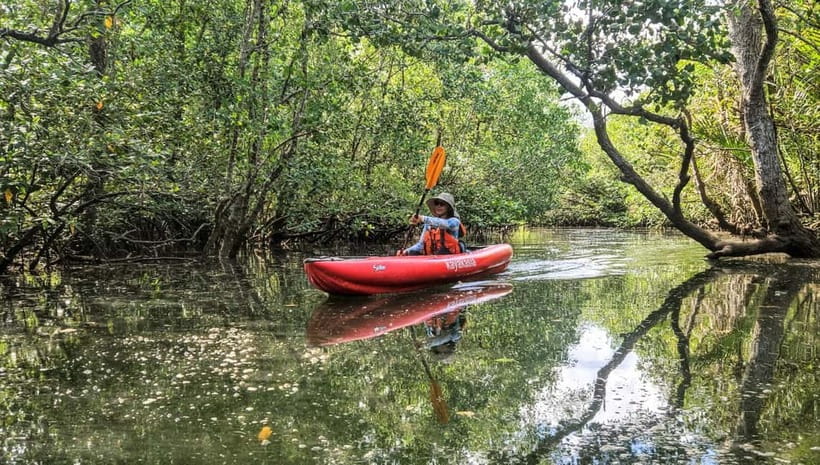
The river turns into a night sky. This five-hour Abatan River outing combines quiet mangrove kayaking with one of Bohol’s most memorable natural sights, synchronous fireflies blinking above the water. I like the calm, motor-free route and the chance to learn from local guides such as Vince, Jeremy, and MacMac. The main consideration is physical: paddling for several hours is gentle but still a workout, and rain can make the ride wetter and less predictable.
I also like that the experience puts conservation at the center rather than treating nature as scenery. You receive snacks, a generous home-cooked Filipino dinner, transfers, equipment, and guiding for $85 per person. If your priority is a fast sightseeing stop or a guaranteed dry evening, this may feel too slow and weather-dependent.
You begin in the fading afternoon light, moving through nipa palms, mangrove tunnels, and narrow river channels. After a break at the river station, you return after dark to look for fireflies, then finish with dinner. It is a thoughtful choice for couples, families, solo visitors, and anyone who prefers a quiet paddle to a noisy boat ride.
In This Review
- Key points at a glance
- Why the Abatan River feels different
- Getting from Bohol’s resort areas to the river
- A 15-minute safety briefing for first-time paddlers
- Through mangrove tunnels and nipa palms
- Snacks and a 45-minute pause at the river station
- Returning after sunset for the fireflies
- Filipino dinner under the stars
- What the $85 price really covers
- Who should choose this experience?
- How the guides shape the evening
- Booking tips and small practical details
- FAQ
- How long does the Abatan River kayaking experience last?
- Where does pickup take place?
- How long is the drive to the river?
- Do I need kayaking experience?
- Are children allowed to join?
- What can I see during the daytime paddle?
- What happens during the firefly session?
- Is dinner included?
- What should I bring?
- Is the tour conducted in English?
- Should you book the Abatan River night paddle?
Key points at a glance
- Synchronous fireflies after dark: Watch fireflies blink in harmony along the river, with their lights reflected on calm water.
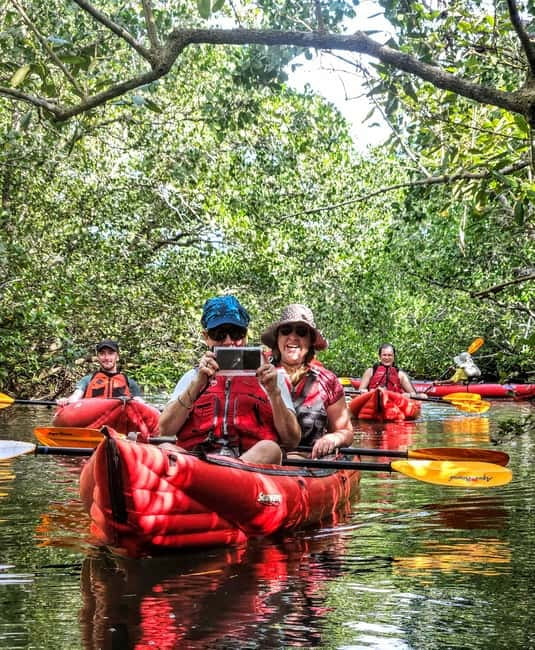
- Kayak-only access: Paddle through narrow mangrove passages and flooded forest channels where motorized boats cannot easily go.
- Local conservation knowledge: Guides explain mangrove species, birdlife, fireflies, community needs, and the threats facing the river.
- Home-cooked Filipino dinner: The meal is more than a quick snack, with fresh local ingredients and generous portions.
- Beginner-friendly but active: You receive a safety briefing, basic instruction, life jacket, and all kayaking equipment.
- Useful pickup range: Transfers are available from accommodations in Panglao, Tagbilaran City, and Loboc.
Why the Abatan River feels different
Bohol is well known for beaches, viewpoints, and the Chocolate Hills. The Abatan River offers a quieter side of the island. Its banks hold mangroves, nipa palms, forest channels, and waterways tied closely to local communities.
A mangrove is not just a photogenic tree beside the water. Its tangled roots shelter young marine life, help protect river and coastal areas, and support the wider food chain. During the afternoon paddle, your guide explains these connections in plain terms, along with the problems caused by damage, litter, and careless contact with plants.
The guides also connect the river to daily life. This makes the tour feel less like a nature display and more like a visit to a living community resource. Vince, in particular, is praised for explaining both ecology and conservation with real feeling. Jeremy is another guide singled out for making the mangrove route clear, interesting, and comfortable for beginners.
The setting is quiet because the kayaks move under human power. There is no engine noise breaking up the river. You hear paddles, birds, water, and the small sounds of the forest. That quiet is one of the strongest reasons to choose this trip.
More Firefly Watching Tours in Bohol
- Shared Firefly Watching Cruise on Bohol’s Scenic Loboc River
★ 3.1 · 29 reviews - Bohol: Firefly Watching River Cruise (Nature-Dependent)
★ 3.9 · 24 reviews - Private Firefly Watching Night Cruise on Bohol Abatan River
★ 4.0 · 15 reviews
Getting from Bohol’s resort areas to the river
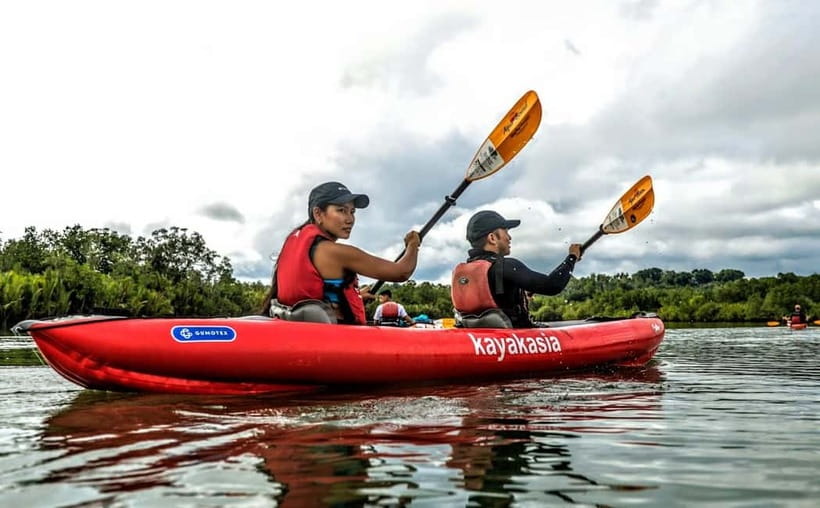
Pickup and drop-off are included from accommodations in Panglao, Tagbilaran City, or Loboc. The actual drive depends on where you stay. Tagbilaran is the easiest base, at roughly 15 minutes from the river station according to the tour information. From Panglao or Loboc, allow about an hour.
The planned van segments are listed at around 30 minutes each, so confirm the expected pickup time for your hotel when booking. The longer ride from Panglao or Loboc is not a problem for most people, but it does make this a half-day to evening commitment rather than a quick activity between beach plans.
Pickup is intended to be punctual and convenient. Once you arrive at the Abatan River station, the staff explains the evening schedule and gets you ready for the water.
A 15-minute safety briefing for first-time paddlers
You do not need kayaking experience. The staff provides a safety briefing, a quick lesson, a life jacket, and the required equipment before you set off.
This beginning matters because the route includes narrow channels and mangrove passages. You will want to understand how to steer, slow down, and work with the guide before entering the smaller waterways. The guides are attentive about safety, and families with children aged seven and ten have enjoyed the paddling portion.
Still, beginner-friendly does not mean effortless. The complete program includes an afternoon session and a later night session, with a break between them. You should be comfortable sitting in a kayak, using your arms for extended periods, and handling outdoor conditions.
Wear clothes that can get wet. Bring a change of clothes, sun protection, a hat, water, insect repellent, and practical outdoor clothing. A camera is welcome, but protect it from splashes and remember that the firefly portion works best when everyone limits bright lights.
Through mangrove tunnels and nipa palms
The first kayaking session lasts about two hours. You move at a relaxed pace through the Abatan River, passing nipa palms, mangroves, flooded forest, and small waterways.
The narrow channels are the real treat. Instead of only looking at a broad river from the bank, you enter spaces where roots and branches shape the route. The close view helps you see how the mangroves grow and how much life depends on them.
The afternoon light also gives the river changing color and mood. You may see birds and other signs of wildlife along the banks. One visitor who experienced changing Philippine weather still found the rain added to the sense of being out in nature, while another specifically recommends the trip for people interested in birding.
That said, wildlife is never scheduled like a stage show. The guides can point out birds, plants, and marine life, but sightings depend on timing, weather, and ordinary luck. Go for the peaceful setting and the teaching, with wildlife as a welcome bonus.
The absence of motorboats improves the experience. You paddle under your own power, so the trip feels slower and more personal. It also takes some effort. One person described the route as a good workout, which is fair warning for anyone expecting to simply sit back.
More firefly watching river cruises:
- Bohol Firefly Watching (Private)
★ 4.5 · 7 reviews - Bohol: Firefly Watching Shared Tour
★ 4.0 · 7 reviews - Bohol: Abatan River Firefly Kayaking Eco-Tour
★ 5.0 · 6 reviews - Puerto Princesa: Firefly Watching Bay Cruise with Dinner
★ 4.1 · 175 reviews
Snacks and a 45-minute pause at the river station
After the first paddle, you return to the river station for about 45 minutes. Light local snacks and refreshments are included.
This pause has a practical purpose. It gives your arms a rest before the night session and allows you to dry off, adjust clothing, and prepare for cooler darkness along the water. The homemade snacks have received especially warm praise, so expect something more thoughtful than a packaged biscuit.
The break also gives you time to speak with the local team. The conservation message becomes clearer here. Kayakasia supports local ecotourism partners and connects the activity with the protection of the Abatan River and the livelihoods of families who live beside it.
Some handmade items made from old kayak material are also available, including wallets, card holders, slippers, tires, and keychains created from materials collected during river cleanups. These products are not part of the stated tour inclusions, but they show how the local conservation effort extends beyond the paddle.
Returning after sunset for the fireflies
The second kayaking session lasts about two hours and focuses on the firefly search. By now the river is dark, the stars are visible overhead, and the same waterways feel completely different.
The fireflies are synchronous, meaning they blink in rhythm. Their lights appear among the trees and may reflect on the still surface of the river. The effect is subtle rather than loud or theatrical. You are watching a natural behavior in darkness, so patience and quiet help.
The fireflies are described as rare worldwide and especially abundant in the Philippines. Their presence depends on healthy riverside vegetation, which gives the sight a wider meaning. Protecting mangroves and forest edges helps preserve the conditions these insects need.
The kayak is a good way to view them because it keeps the group quiet and avoids the engine noise associated with motorboat outings. The guides also explain how to observe without causing unnecessary disturbance. Do not touch plants, litter, or use the river as a party venue. The rules are simple, but they protect the very thing you came to see.
Clear skies can make the firefly session particularly striking. Clouds and rain may change the mood, but they do not automatically ruin the outing. The best approach is to treat the fireflies as a natural possibility, not a guaranteed performance with a fixed number of sightings.
Filipino dinner under the stars
Dinner follows the night paddle at the river station. The meal is home-cooked Filipino food made with fresh, locally sourced ingredients.
This is one of the tour’s strongest value points. Several dishes may be served, and portions are described as generous. The meal gives you a chance to sit down with the local team, warm up if needed, and share stories after hours on the river.
Food also adds a cultural layer that a standard sightseeing transfer would miss. You are not only looking at Bohol’s environment, you are also supporting the people who prepare food, guide the kayaks, maintain equipment, and care for the river.
The dinner is scheduled for about 30 minutes, so it is not presented as a long formal meal. Think of it as a satisfying local finish to an active evening. Personal expenses are not included beyond the stated program, so bring money if you plan to buy additional items.
What the $85 price really covers
At $85 per person, this is not the cheapest way to spend an evening in Bohol. The price makes more sense when you count the full package: round-trip transfers, two guided kayaking sessions, instruction, safety equipment, snacks, refreshments, firefly watching, and a home-cooked dinner.
You are also paying for a small-scale operation that uses local guides and supports conservation work. That matters if you want your money to do more than move you from one photo stop to another. The experience has an educational purpose and a community connection that are harder to measure but easy to notice.
The value is strongest for visitors who would otherwise need to arrange transport, rent equipment, find a guide, and locate a meal separately. It is less compelling if you already have a kayak, transport, and a strong preference for independent exploring.
The five-hour duration is well used. Two hours in daylight show you the river’s plants and wildlife. The 45-minute break provides breathing room. Two more hours at night allow time to search for fireflies without rushing. The schedule does require a large part of your day, but it is not padded with unrelated stops.
Who should choose this experience?
I would recommend it most strongly to:
- Families wanting an outdoor activity suitable for children, with instruction and safety support
- Couples looking for a quiet evening rather than a crowded dinner show
- Solo visitors who want local guidance and included transport
- Birdwatchers and nature fans who enjoy learning about plants, animals, and conservation
- Visitors who care about low-impact tourism and community-based projects
- Beginners who want to try kayaking without arranging equipment themselves
You should think twice if you dislike getting wet, struggle with sustained paddling, or need a fixed wildlife guarantee. The route is outdoors and weather can change quickly. One participant enjoyed paddling during heavy rain, but that does not mean every visitor will feel the same.
The activity is conducted in English. Comfortable clothes, water, insect repellent, and a change of clothes will make the evening easier. Smoking, littering, and touching plants are not allowed.
How the guides shape the evening
The guide is central to this experience. The river would still be attractive without commentary, but the explanations give it meaning.
Jeremy has been praised for making the afternoon paddle informative and interesting. Vince receives especially strong praise for his instruction, safety care, and passion for fireflies, birds, mangroves, and community conservation. MacMac is also praised for explaining mangrove species, their role in preventing and reducing natural disaster impacts, and the pressures facing fireflies.
Raymark helps welcome visitors and explain the schedule and conservation purpose. The presence of several guides during the night paddle can also help when the group grows larger.
This personal approach is important. You are not simply following a route. You are learning why these plants matter, how the river supports local life, and why careful tourism can help protect it. The guides’ enthusiasm appears to be one of the most consistently praised parts of the experience.
Booking tips and small practical details
The activity allows free cancellation up to 24 hours before departure for a full refund, and you can reserve now and pay later. Starting times vary, so check availability for your date.
For the best experience, keep your schedule flexible after pickup. The program moves from van transfer to briefing, afternoon kayaking, snacks, night kayaking, dinner, and return transport. A rushed dinner reservation elsewhere would work poorly.
Bring a dry bag if you have one, though the tour provides the necessary kayaking equipment. You should also bring insect repellent, sun protection, water, and a change of clothes. For photographs, use a protected camera and avoid bright flashes during the firefly portion.
FAQ
How long does the Abatan River kayaking experience last?
The activity lasts about five hours, including transfers, safety instruction, two kayaking sessions, a snack break, and dinner.
Where does pickup take place?
Pickup and drop-off are available from accommodations in Panglao, Tagbilaran City, or Loboc.
How long is the drive to the river?
The river station is about 15 minutes from Tagbilaran City and approximately one hour from Panglao or Loboc. The planned van portions are listed at roughly 30 minutes.
Do I need kayaking experience?
No. The activity includes a safety briefing and basic kayaking instruction, and it is described as suitable for beginners.
Are children allowed to join?
The experience is family-friendly, and children aged seven and ten have successfully enjoyed kayaking during the activity.
What can I see during the daytime paddle?
You travel through mangrove tunnels, nipa palm areas, forest channels, and other river passages. You might see birds, marine life, and other wildlife.
What happens during the firefly session?
After dark, you return to the river by kayak to look for synchronous fireflies blinking among the riverside trees and reflecting on the water.
Is dinner included?
Yes. A home-cooked Filipino dinner made with fresh, locally sourced ingredients is included.
What should I bring?
Bring a sun hat, sunscreen, water, insect repellent, comfortable outdoor clothing, and a change of clothes. A camera is also recommended.
Is the tour conducted in English?
Yes. The listed tour language is English.
Should you book the Abatan River night paddle?
Book it if you want Bohol at a slower pace, with local voices, quiet water, mangrove tunnels, and a genuine chance to see synchronous fireflies. The included meal, transfers, equipment, and conservation focus make $85 a reasonable price for a full half-day and evening program.
Skip it if you want a dry, effortless outing or a tightly controlled wildlife show. This is active, outdoors, and shaped by weather and nature. For families, couples, solo visitors, and eco-minded people who can accept those limits, the Abatan River offers one of Bohol’s most thoughtful evenings.
More Kayak Tours
- From Tagbilaran City/Panglao Island: Bohol Mangrove Kayaking
★ 5.0 · 7 reviews - El Nido: Big Lagoon Kayaking & Island Adventure
★ 4.4 · 132 reviews - Boracay: Crystal Kayak Photo-op Experience
★ 4.7 · 72 reviews - Puerto Princesa: Firefly Watching Paddle Boat Tour & Dinner
★ 4.6 · 47 reviews
Just added around Bohol
- Bohol: Chocolate Hills Tour★ 3.3 · 3 reviews
- Bohol: Panglao Island Hopping Tour with Snorkeling (Private)★ 3.3 · 3 reviews
- 2025 Tarsier, Waterfalls & Chocolate Hills Tour★ 5.0 · 3 reviews
- Bohol: Chocolate Hills, Loboc River, and Tarsier Tour★ 4.1 · 3 reviews
- Panglao: Helmet Diving Experience with Photos and Videos★ 5.0 · 3 reviews
- Bohol: Dolphin Watching & Snorkeling at Balicasag Island★ 3.0 · 4 reviews
- Panglao Land Tour by TukTuk★ 3.2 · 4 reviews
- Panglao’s Best Hinagdanan Cave, Bee Farm, Mirror of the World★ 5.0 · 4 reviews
Firefly Watching Tours, side by side.


Shared Firefly Watching Cruise on Bohol’s Scenic Loboc River
Read the review →Firefly Watching River Cruise (Nature-Dependent)
Read the review →
Where else this one shows up